Key Takeaways
- Sony has discontinued MiniDisc media production, causing blank disc prices to rise sharply
- The Web MiniDisc Project enables easy file transfers from modern computers to MiniDisc players via browser
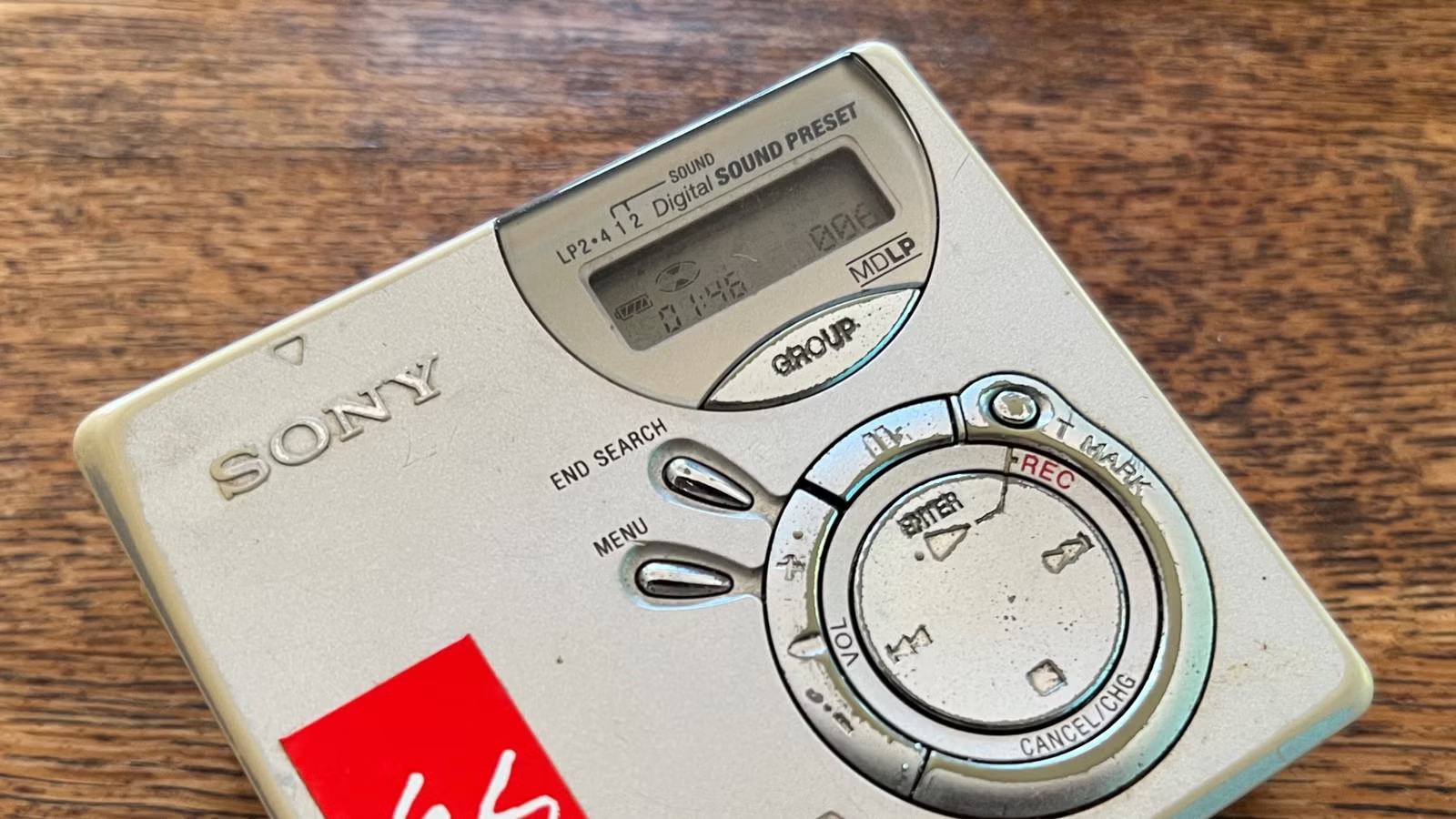
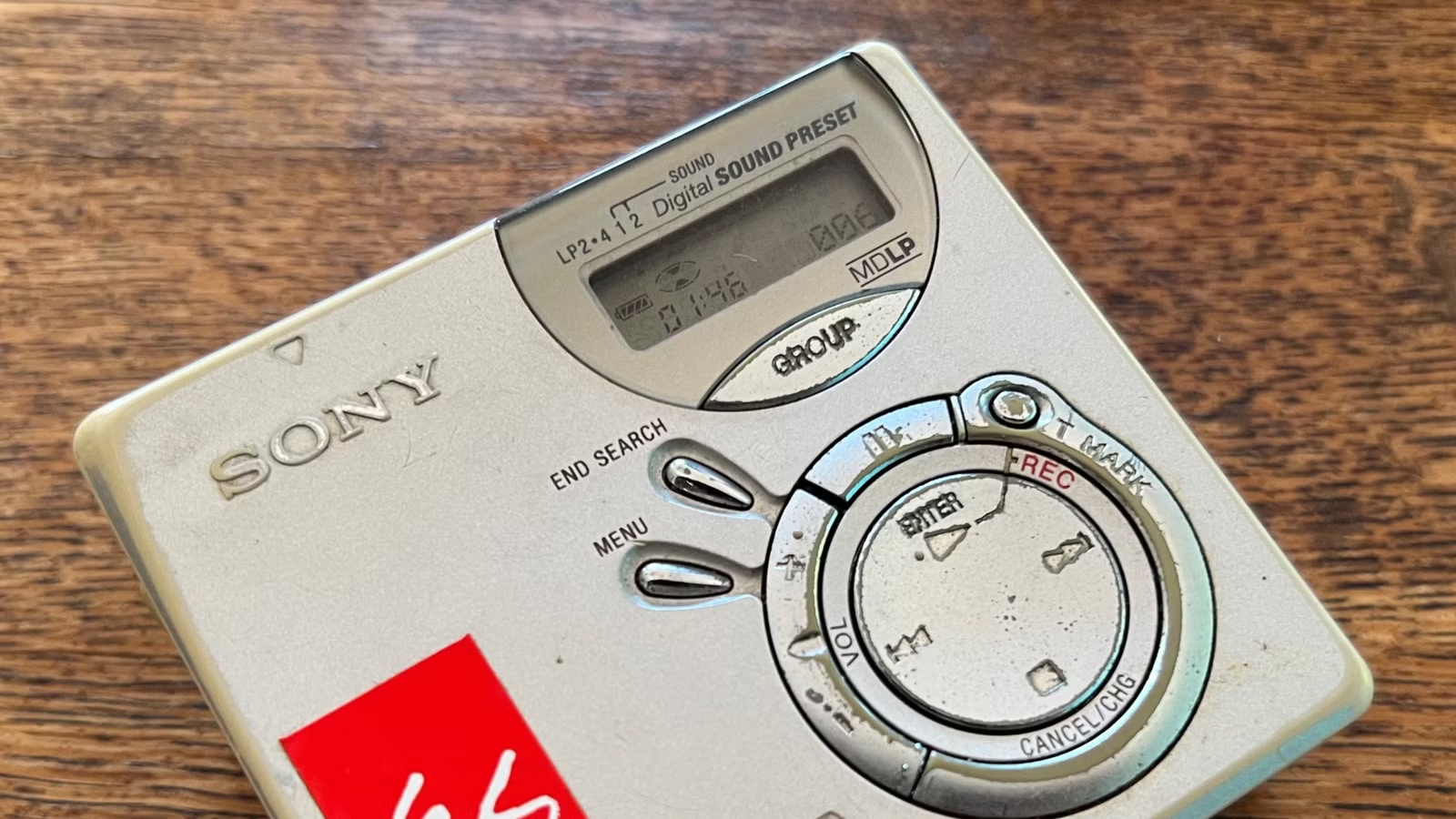
- MiniDisc combined CD-quality digital audio with cassette-style recording in a pocket-sized format
Vinyl has its warmth. CDs have their clarity. But somewhere between the analog nostalgia of one and the digital precision of the other sits MiniDisc, a format that never quite got its due. Now, with Sony ceasing production of the media itself, the clock is ticking for anyone who wants to experience what many consider the most underappreciated audio format ever made.
A Format That Solved a Problem Nobody Had
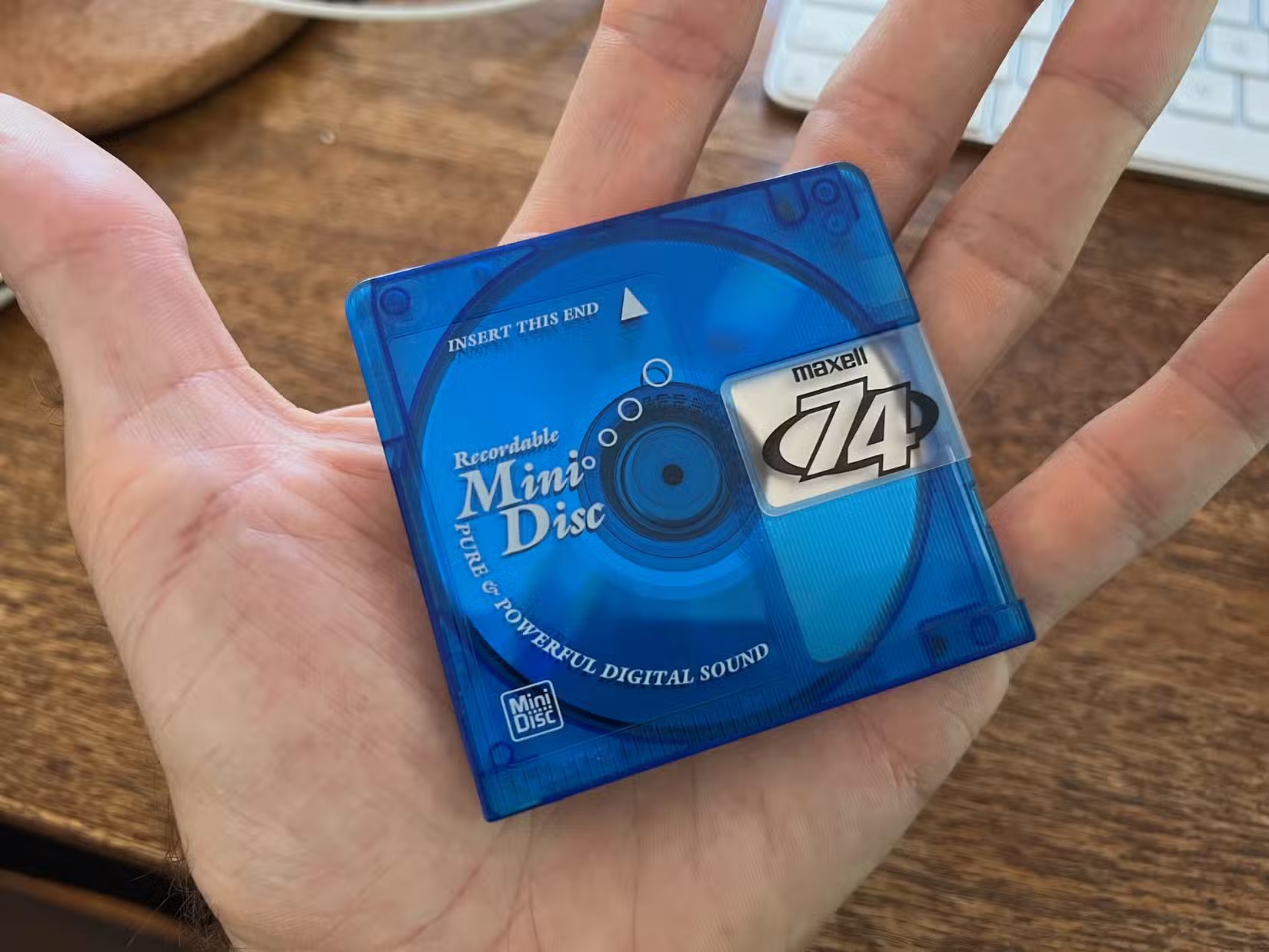
MiniDisc launched in 1992 with a compelling pitch: CD-quality audio in a package you could actually fit in your pocket. The discs were smaller than a credit card, enclosed in protective plastic cartridges, and fully rewritable. You could make your own mixes, label tracks, and reorganize songs without burning a new disc.
The format found its audience in Japan and other Asian markets, where home recorders and portable players sold well. Europe saw moderate success, particularly with combined player-recorder units. But North America? MiniDisc barely made a dent.
The problem was timing. Just as MiniDisc was finding its footing, writable CD-Rs arrived and dropped in price rapidly through the mid-2000s. Then MP3 players showed up and made physical media feel unnecessary altogether. MiniDisc got squeezed from both sides.
What Made MiniDisc Special
Unlike CDs, which were fragile and skip-prone when jostled, MiniDiscs sat in sturdy plastic shells. Drop one on concrete and it would probably survive. Try that with a CD and you're picking up shards.
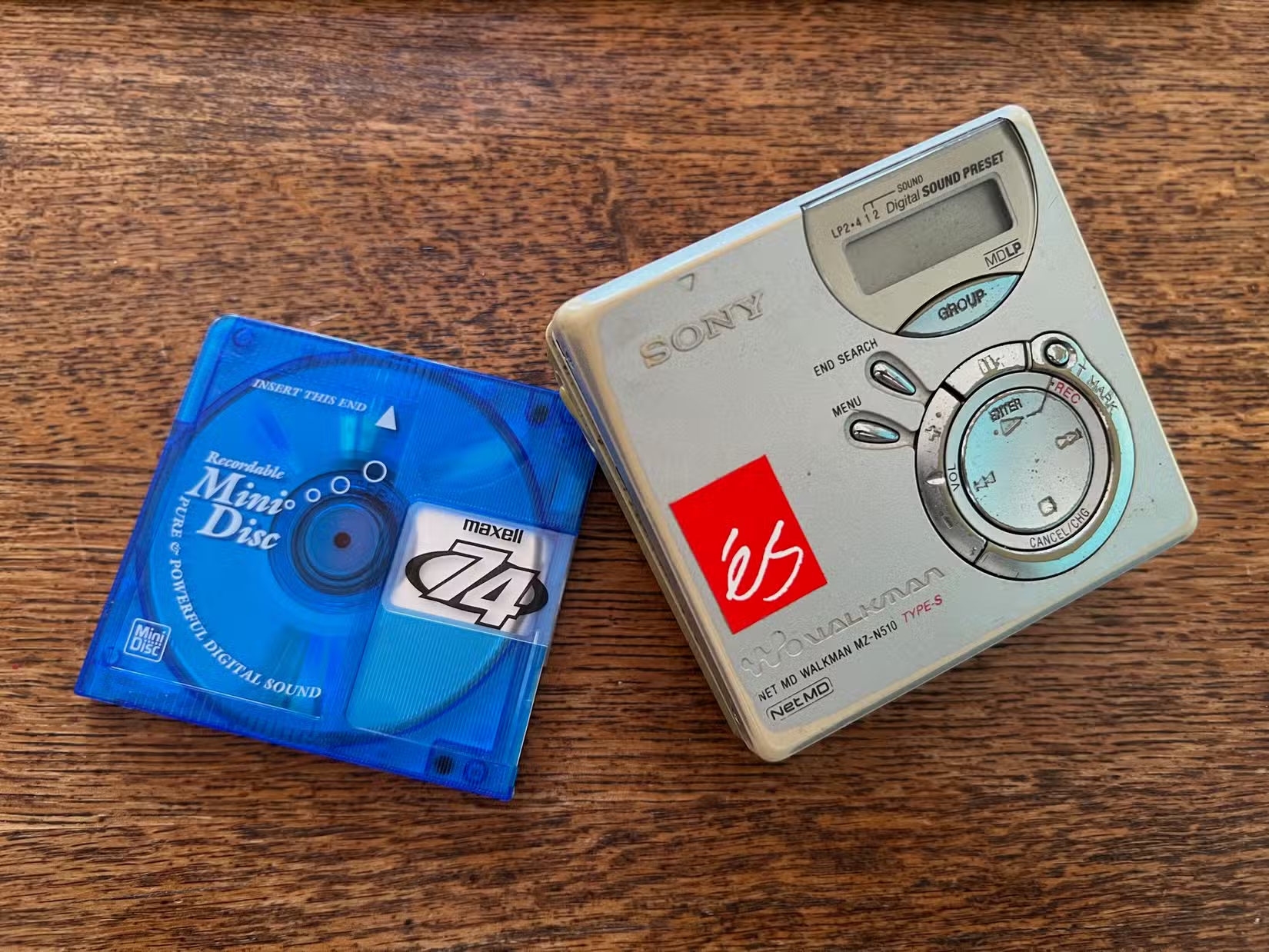
The recording process felt almost magical for its time. Hook up your player to a stereo, hit record, and watch it capture audio in real-time. Or use the optical input for bit-perfect digital transfers. The discs held 74 or 80 minutes of audio depending on the mode, and you could re-record them thousands of times.
Radio stations loved it. Broadcast professionals used MiniDisc for years because of its reliability and the ability to precisely cue tracks. That professional credibility gave the format a staying power it might not have otherwise had.
The State of MiniDisc Today
Sony stopped manufacturing MiniDisc media, and the supply chain consequences are real. Blank discs that once cost a couple of dollars now command premium prices on the secondary market. Players remain available through used electronics channels, but prices trend upward as supply dwindles.
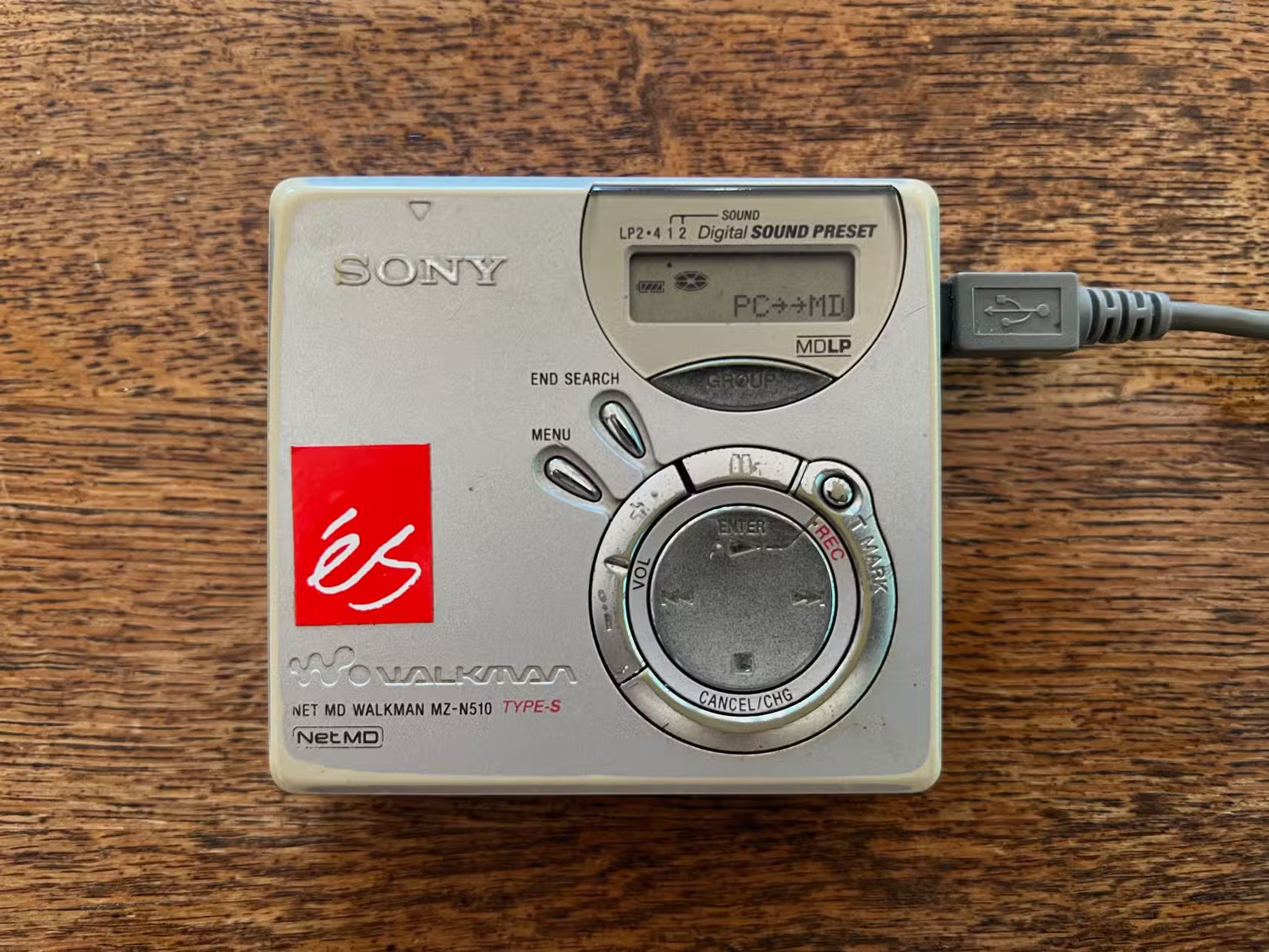
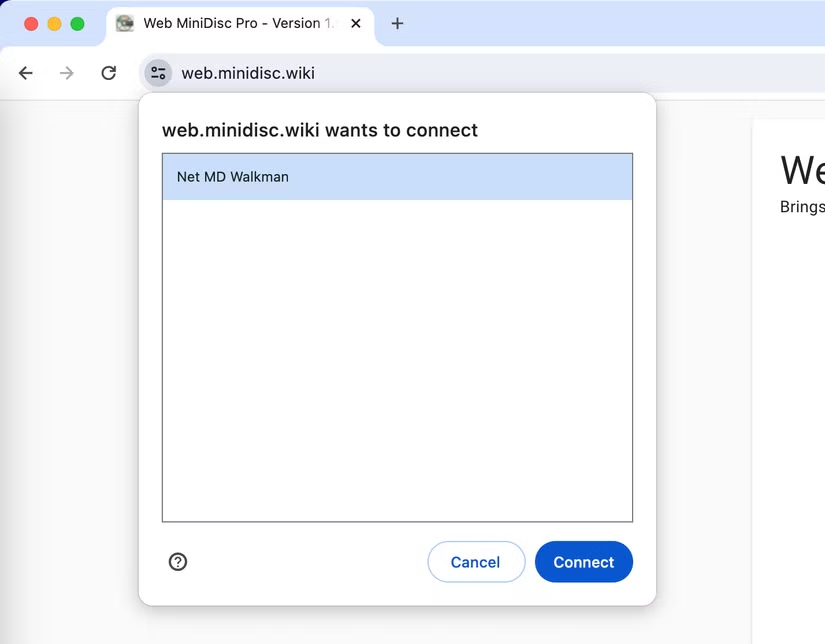
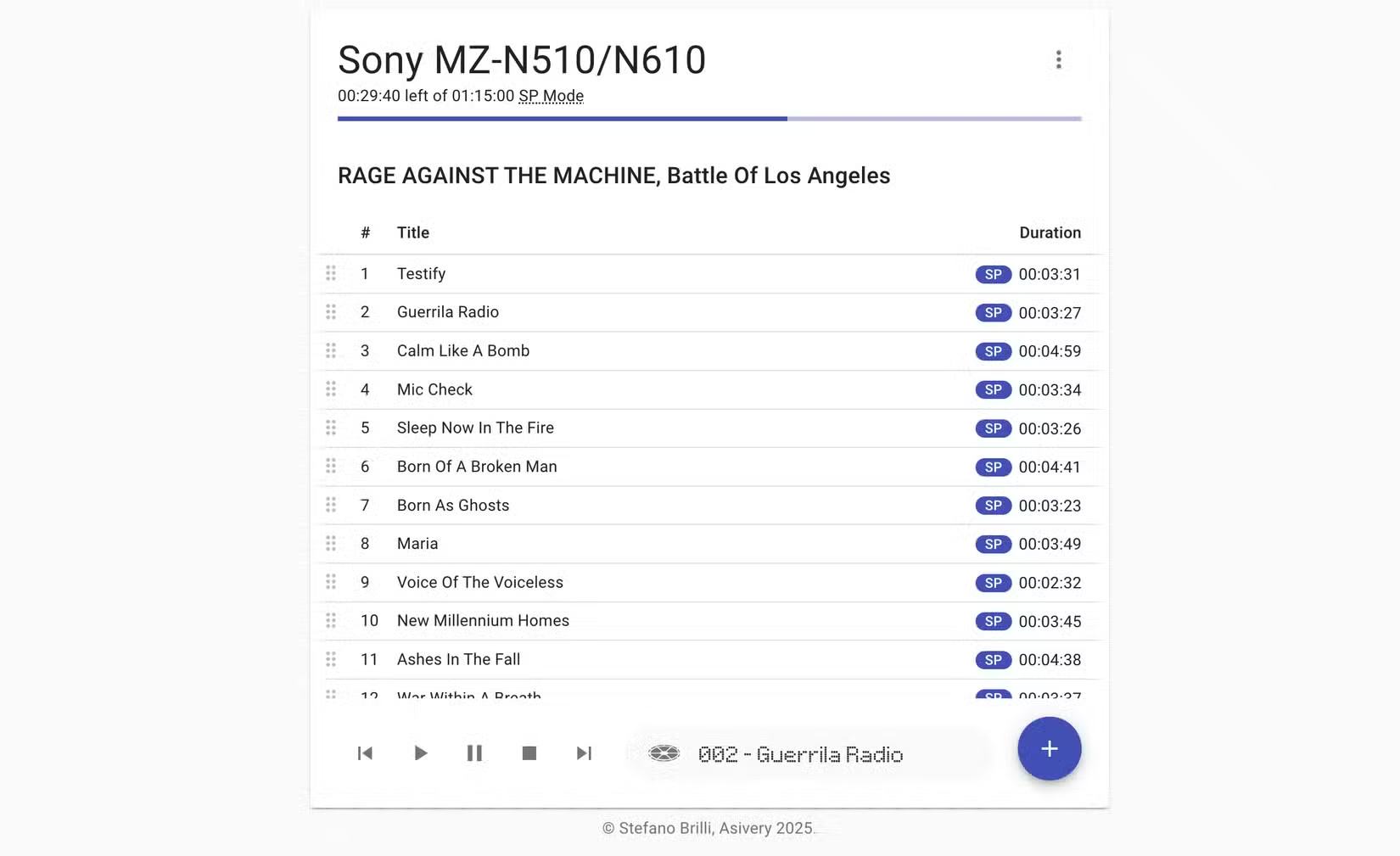
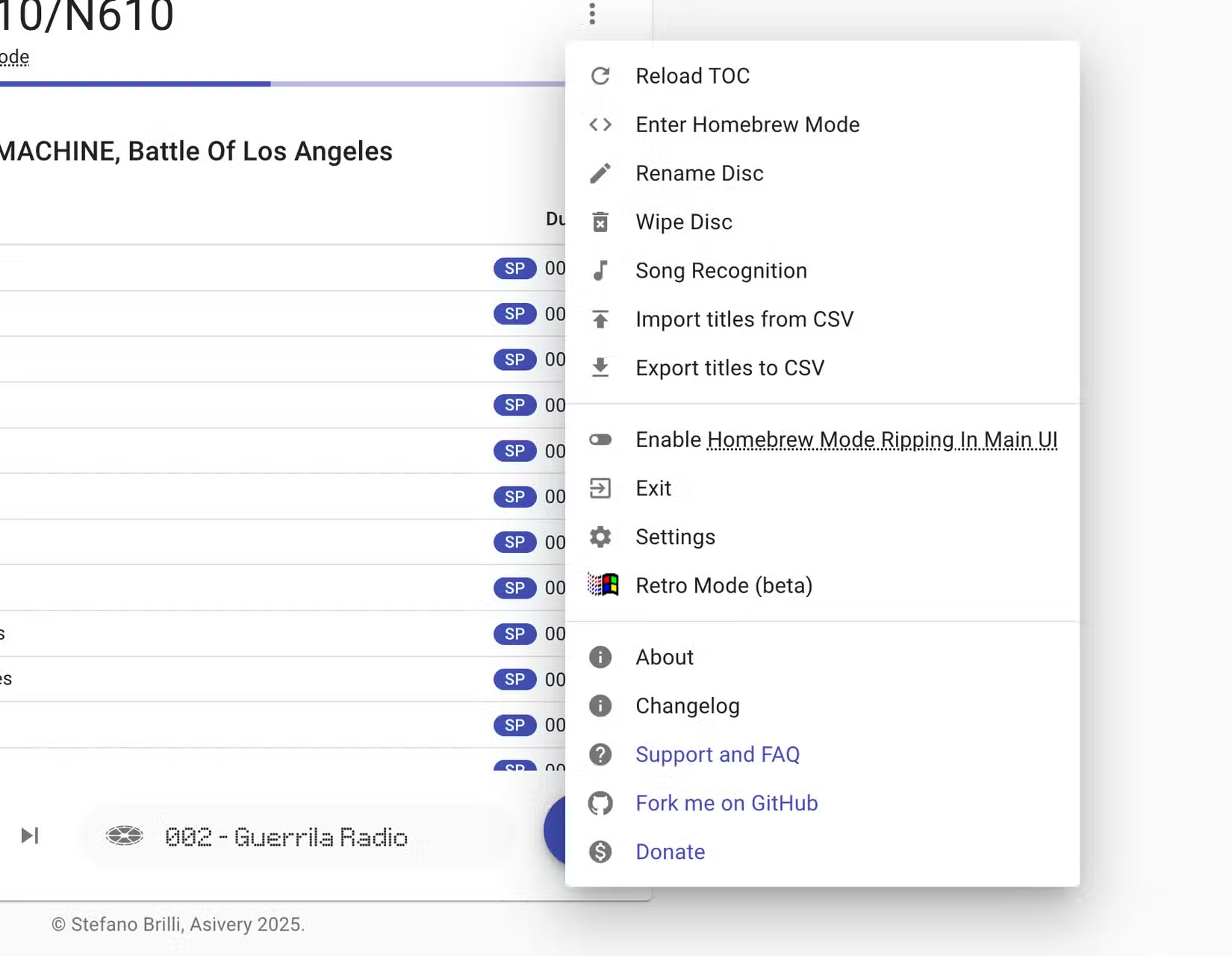
The good news: the community has kept the format alive through clever software solutions. The Web MiniDisc Project lets you transfer files from a modern computer to a NetMD player using nothing more than a web browser. No special software installation required. Connect your player via USB, open the webpage, drag files over, and you're recording.
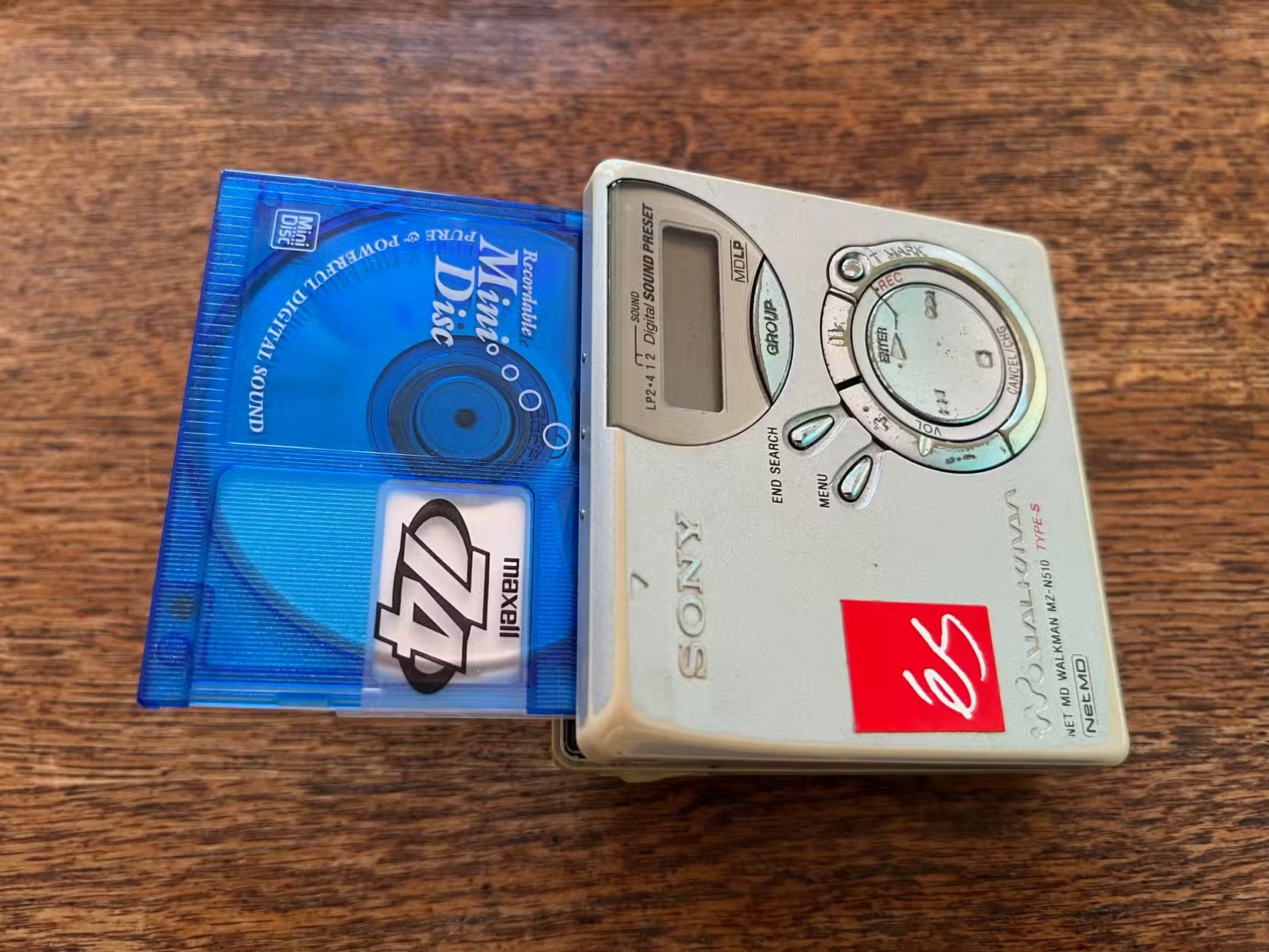
This browser-based approach works because NetMD players, which Sony released in the early 2000s, included USB connectivity for computer transfers. The original software was clunky and Windows-only. The Web MiniDisc Project makes the same hardware work on any modern operating system.
Should You Get Into MiniDisc Now?
If you have fond memories of the format, now is probably the last reasonable window to revisit it. Players still work. Blank media still exists. The Web MiniDisc Project makes transfers painless. Wait another few years and you might be paying collector prices for everything.
For newcomers curious about retro audio formats, MiniDisc offers something different from vinyl or cassette. It's digital but tangible. You can organize tracks, make mixes, and hold a complete album in something barely larger than a postage stamp. There's a tactile satisfaction to sliding a disc into a player that streaming will never replicate.
✅ Pros
- • Compact, durable media that fits in a pocket
- • Rewritable thousands of times without quality loss
- • Web MiniDisc Project enables modern computer transfers
- • Unique aesthetic that splits the difference between digital and analog
❌ Cons
- • Blank media increasingly expensive as Sony ends production
- • Players only available used, with uncertain longevity
- • Audio quality limited by original ATRAC compression
- • Niche appeal limits practical everyday use
The Practical Reality
Let's be honest: MiniDisc is not coming back as a mainstream format. This is hobbyist territory. If you want convenience, stream your music. If you want audiophile quality, vinyl or high-resolution digital files will serve you better.
But if you want something that feels like a time capsule, a piece of technology that worked beautifully but lost the format war, MiniDisc delivers that experience. The players have a satisfying mechanical action. The discs feel substantial. The whole ritual of making a mix, labeling it, and carrying it around has a charm that playlists on your phone simply don't match.
Logicity's Take
More ideas for giving old tech new life
Frequently Asked Questions
Can you still buy blank MiniDiscs in 2026?
Yes, but prices have risen since Sony stopped production. Check secondary markets like eBay, specialty audio retailers, and Japanese import sites for remaining stock.
What is the Web MiniDisc Project?
It's a browser-based tool that lets you transfer audio files from any modern computer to a NetMD player via USB. No software installation needed, and it works on Windows, Mac, and Linux.
Is MiniDisc sound quality good compared to other formats?
MiniDisc uses ATRAC compression, which was impressive for the 1990s but doesn't match lossless formats. Most listeners find the quality comparable to a good MP3 at 256kbps or higher.
Which MiniDisc players work with modern computers?
NetMD players, which Sony released starting in 2001, have USB connectivity that works with the Web MiniDisc Project. Earlier models without USB require recording audio in real-time through analog or optical inputs.
Are MiniDisc players still being made?
No. Sony discontinued production years ago. All players available today are used or new-old-stock from remaining inventory.
Need Help Implementing This?
Source: How-To Geek
Manaal Khan
Tech & Innovation Writer
Produced with AI assistance and reviewed by the Logicity editorial team. Learn more in our Editorial Policy.