Key Takeaways
- The Dimensity 7450 series keeps the same CPU and GPU as the 7400 but upgrades to a 5G Release 17 modem with 3CC carrier aggregation
- AI task performance improves by 7%, with photography tasks seeing the most benefit
- The 7450X variant supports dual-display setups, making it suited for flip-style foldable phones
A Refresh, Not a Revolution
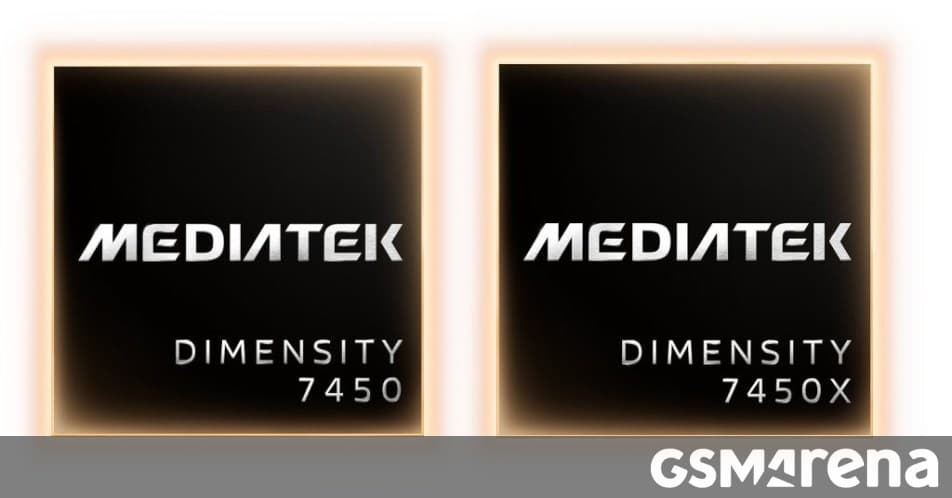
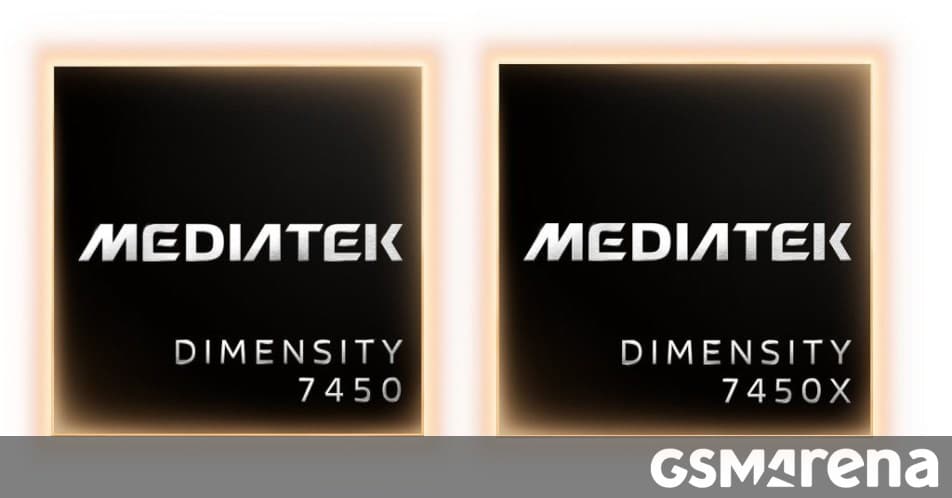
MediaTek has introduced the Dimensity 7450 and Dimensity 7450X, direct successors to last year's Dimensity 7400 series. The naming tells you what to expect: this is a refresh, not a generational leap.
Both chips retain the same octa-core CPU configuration. Four Cortex-A78 cores run at 2.6 GHz, paired with four Cortex-A55 efficiency cores at 2.0 GHz. The GPU remains the Mali-G615 MC2. If you were hoping for Cortex-A710 or A715 cores, this is not your chip.
What MediaTek has changed is under the hood in connectivity and AI processing. The company claims a 7% improvement in AI performance, particularly for photography tasks like scene detection and image enhancement.
5G Release 17 Modem Takes Center Stage
The headline upgrade is the new 5G Release 17 modem, replacing the R16 version in the 7400 series. This brings three notable improvements.
- 3CC carrier aggregation for better peak throughput
- 20% improved performance when moving between cell towers
- Faster network reconnection after exiting dead zones
MediaTek says the new modem also delivers better power efficiency, which matters more than raw speed for most mid-range phone buyers. The peak download speed reaches 3.27 Gbps, though real-world speeds depend heavily on carrier infrastructure.
“This highly efficient 4nm-class chip delivers up to 25% greater power efficiency in popular everyday applications... extending battery life while maintaining strong performance.”
— MediaTek Official Statement
7450X: Built for Budget Foldables
The Dimensity 7450X adds one key feature over the standard 7450: native dual-display support. This makes it specifically suited for flip-style foldable phones, where the inner and outer screens need to work together seamlessly.
For phone manufacturers, hardware-level dual-display support simplifies development. Instead of building complex software workarounds, they can rely on the chip to handle screen synchronization natively. This should lower costs for budget foldables.
“The 7450X is specifically tailored for foldable devices... the main extra feature is native dual-display support, allowing inner and outer screens to work seamlessly together.”
— Technical Analyst, Smartprix
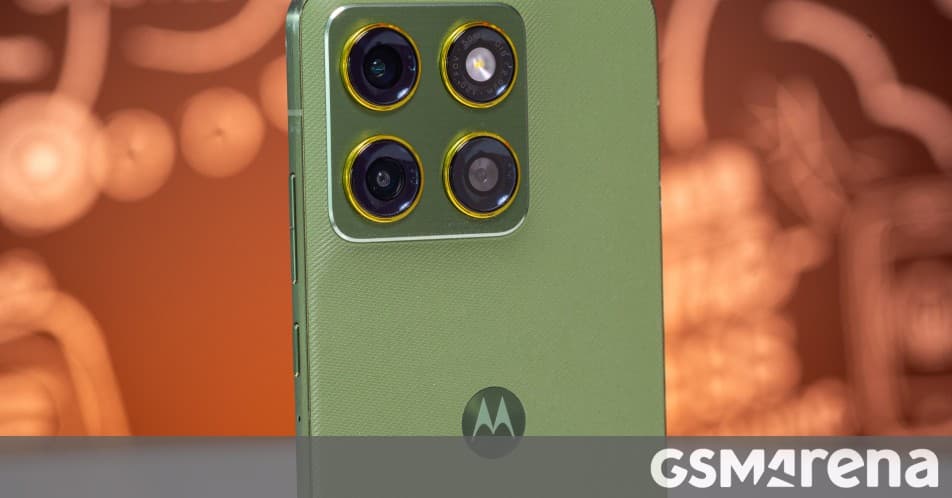
The Motorola Razr 70, expected to launch later this year, is rumored to be among the first phones powered by the 7450X. MediaTek says devices with both chips will hit the market in the next few months.
What the 7450 Series Does Not Change
This is worth being explicit about. The Cortex-A78 cores are now two generations old. Qualcomm's comparable Snapdragon 7 Gen 3 uses newer Cortex-A715 cores. For gaming and sustained workloads, this architectural gap may show.
The Mali-G615 MC2 GPU also carries over unchanged. This is adequate for casual gaming and everyday tasks, but demanding titles at high settings will push its limits.
Community reaction on Reddit's r/Android has been mixed. Some users call it a "boring refresh" due to the recycled cores. Others see value in the 7450X making foldable technology more accessible.
Who Should Care About These Chips
The Dimensity 7450 targets phones in the $250 to $400 range. For this segment, the 5G improvements and power efficiency gains matter more than raw CPU benchmarks. Most buyers in this category prioritize battery life and reliable connectivity over gaming performance.
The 7450X has a narrower audience: manufacturers building sub-$800 foldables. As flip phones push into the mid-range, native dual-display support becomes a competitive advantage. It lets brands like Motorola compete with Samsung's Galaxy Z Flip without matching Samsung's R&D budget.
| Feature | Dimensity 7450 | Dimensity 7450X |
|---|---|---|
| CPU | 4x Cortex-A78 @ 2.6GHz + 4x Cortex-A55 @ 2.0GHz | Same |
| GPU | Mali-G615 MC2 | Same |
| 5G Modem | Release 17 with 3CC aggregation | Same |
| AI Performance | +7% over 7400 | Same |
| Dual-Display Support | No | Yes |
| Target Devices | Standard mid-range phones | Flip foldables |
Logicity's Take
Frequently Asked Questions
Is the MediaTek Dimensity 7450 better than the 7400?
Marginally. The CPU and GPU are identical. The improvements are a new 5G R17 modem with better efficiency and 20% faster performance during transit, plus a 7% boost in AI tasks.
What phones will use the Dimensity 7450X?
MediaTek says devices will arrive in the next few months. The Motorola Razr 70 is expected to be among the first foldables powered by the 7450X.
Does the Dimensity 7450 support dual displays?
No, only the 7450X variant has native dual-display support. The standard 7450 is designed for traditional single-screen phones.
How does the Dimensity 7450 compare to Snapdragon 7 Gen 3?
The Snapdragon 7 Gen 3 uses newer Cortex-A715 cores, giving it a CPU advantage. However, MediaTek's 4nm process and 5G R17 modem may offer better power efficiency in some workloads.
Need Help Implementing This?
Source: GSMArena.com / Ro
Huma Shazia
Senior AI & Tech Writer
Produced with AI assistance and reviewed by the Logicity editorial team. Learn more in our Editorial Policy.