Key Takeaways
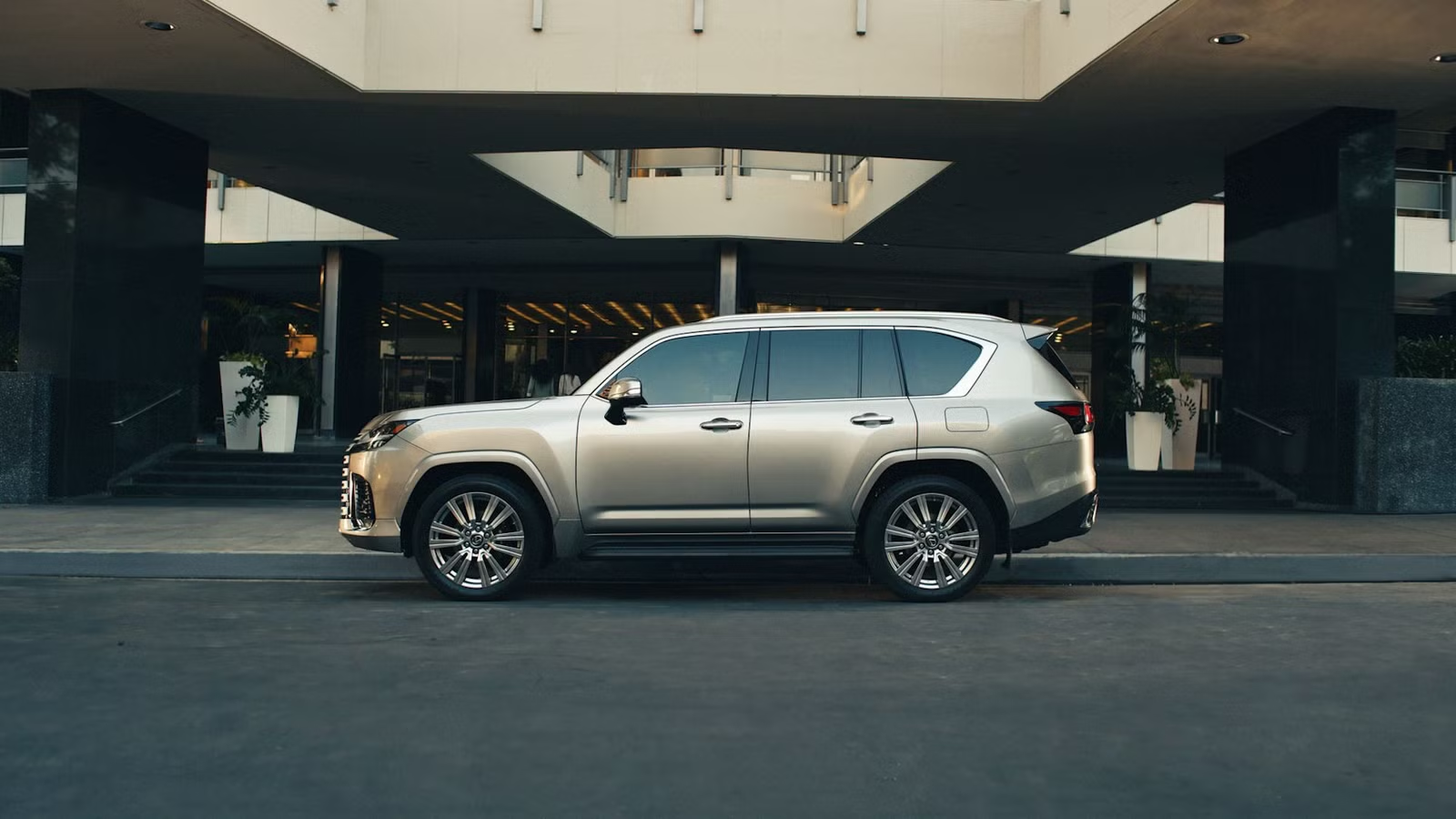
- Toyota and Lexus consistently rank at or near the top of reliability studies while Land Rover typically ranks near the bottom
- The Lexus LX shares Toyota Land Cruiser underpinnings, bringing 70+ years of proven durability to the luxury segment
- Complex electronics and air suspension in European luxury SUVs drive up long-term ownership costs significantly
Luxury SUV buyers are rethinking what premium ownership actually means. The Lexus LX, built on the same bones as the legendary Toyota Land Cruiser, delivers Range Rover-caliber comfort without the ownership anxiety that British luxury often brings. For buyers tired of expensive repairs and unpredictable long-term costs, Toyota's luxury division offers a compelling alternative.
The math is stark. Toyota consistently ranks first or near the top in J.D. Power and Consumer Reports reliability studies. Land Rover typically occupies the opposite end of those rankings. Both brands sell SUVs that cost north of $100,000 fully loaded. Only one of them is likely to still be running strong at 200,000 miles without major intervention.
Why traditional luxury SUVs are losing appeal
Models like the Range Rover still dominate conversations about comfort, road presence, and off-road capability. That reputation is earned. The problem is what comes after the first few years of ownership.
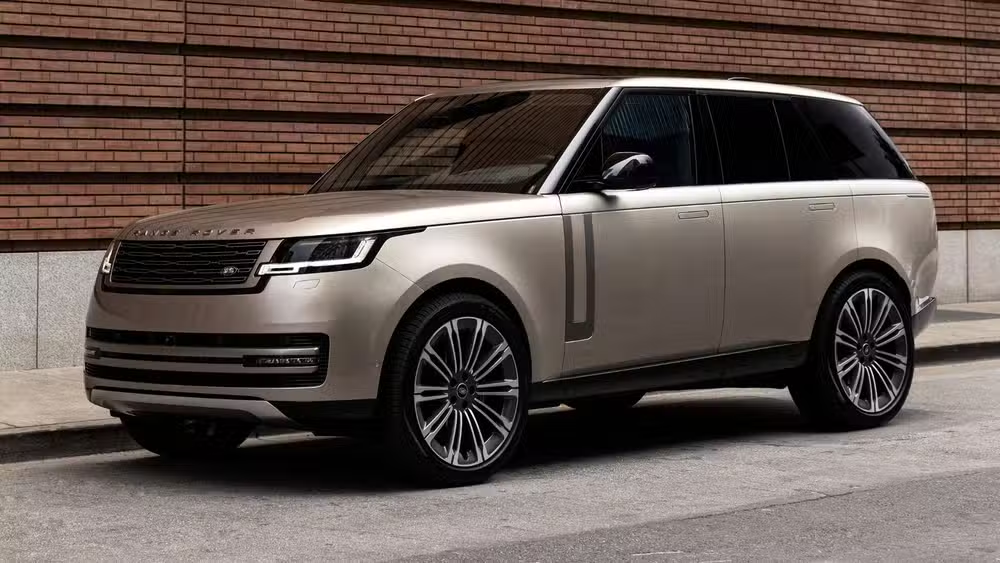
Air suspension systems fail. Complex electronics develop glitches. Maintenance schedules demand premium parts and specialized labor. What starts as effortless prestige turns into a relationship defined by dealership visits and four-figure repair bills. The SUV itself might be brilliant when it works. The question is how often it works.
European luxury automakers have pushed technology and comfort further than ever. They've also made their vehicles more complicated and more expensive to live with over time. For buyers who plan to keep a vehicle for seven, ten, or fifteen years, this matters more than any badge on the hood.
The Lexus LX formula: Land Cruiser bones, luxury interior
The Lexus LX shares its platform with the Toyota Land Cruiser, a nameplate that has been proving itself in the harshest environments on Earth since 1951. That's more than 70 years of iterative engineering, tested in deserts, mountain ranges, and war zones where breakdowns aren't inconveniences but survival risks.
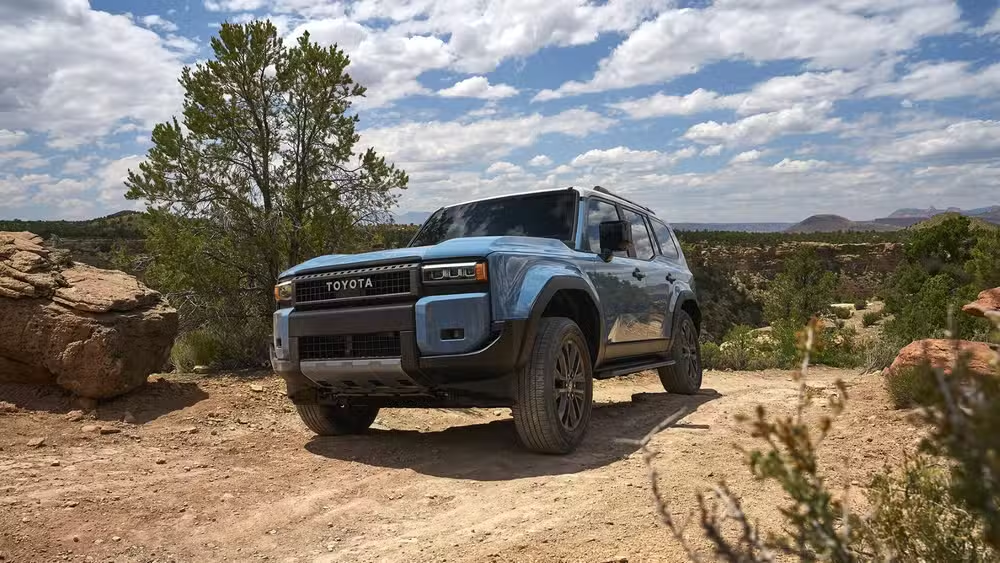
Lexus wraps that mechanical foundation in genuine luxury. The current LX lineup includes the Ultra Luxury trim, which offers four-seat configurations with executive-class rear accommodations. Materials match what you'd find in European competitors. The difference is what's underneath: components engineered for durability rather than just performance.

The Toyota Land Cruiser 250, which returned to the US market recently, starts at $58,250 and delivers 326 horsepower from a 2.4-liter turbocharged hybrid powertrain. The Lexus LX commands a premium over its Toyota sibling but brings more refinement, better sound insulation, and the kind of interior fit-and-finish that justifies the luxury badge.
Does the Lexus LX match Range Rover comfort?
This is where expectations need calibrating. Range Rover has spent decades perfecting ride quality. The air suspension, when functioning properly, delivers a level of isolation from road imperfections that few vehicles match. The interior ambiance, the seat comfort on long drives, the way the cabin insulates occupants from the outside world. Range Rover does these things exceptionally well.
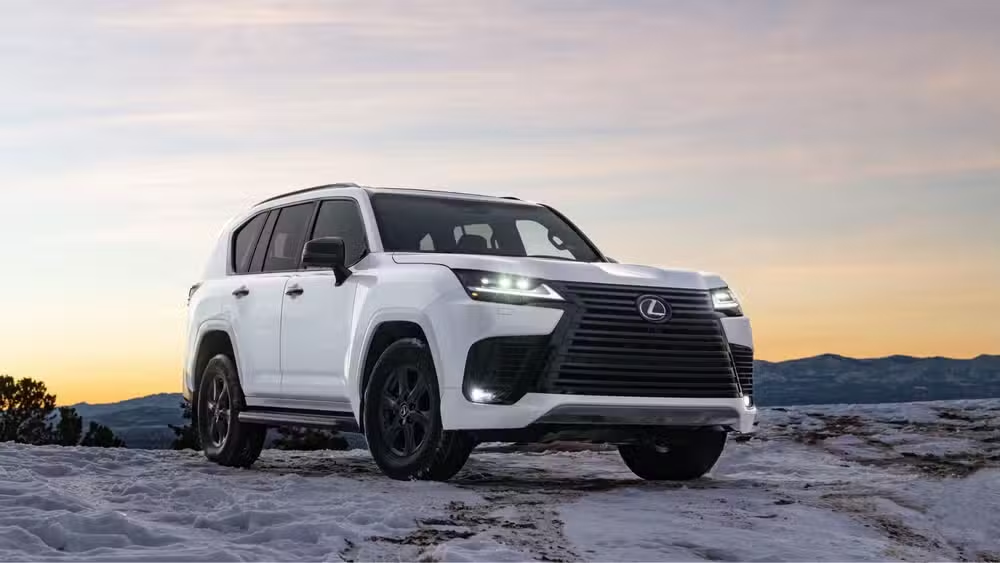
The Lexus LX comes close. Very close. Some buyers will find it indistinguishable in daily driving. Others will notice subtle differences in ride suppleness or interior material choices. The gap has narrowed considerably over the past decade. More importantly, the Lexus delivers this comfort reliably, year after year, without the ownership drama.
The F-Sport option for performance-minded buyers
Lexus offers the LX in F-Sport configuration for buyers who want sharper handling dynamics. This trim adds sport-tuned suspension, more aggressive styling, and driver-focused interior elements. It sacrifices a bit of the plush ride quality for better cornering composure and a more engaging driving experience.
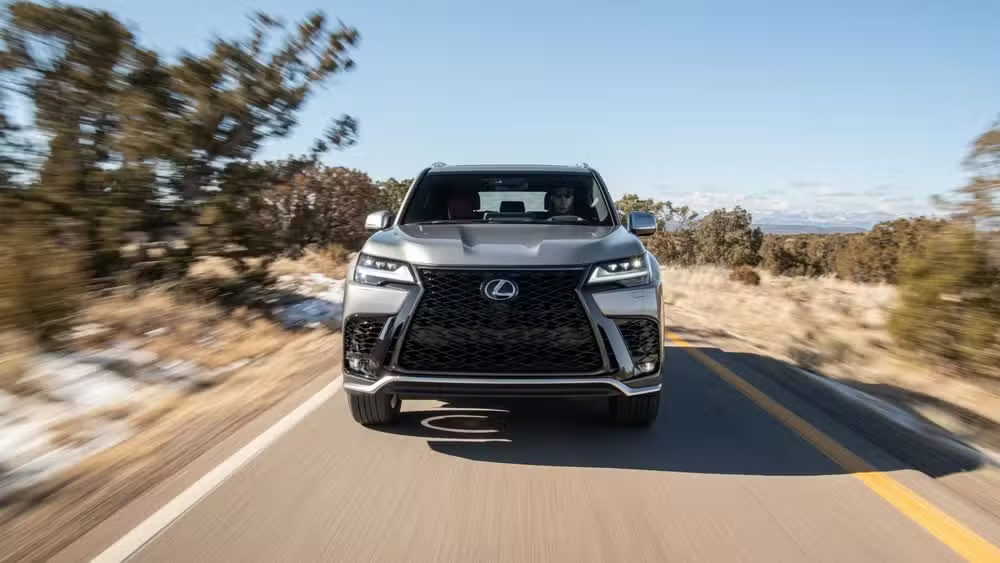
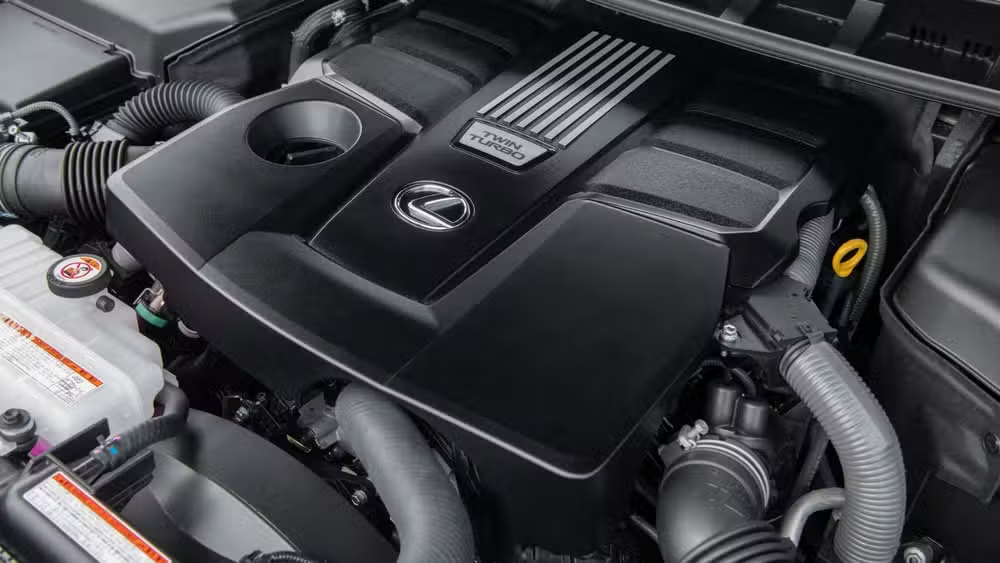
The F-Sport doesn't transform the LX into a sports car. It remains a large, heavy SUV that prioritizes capability and comfort over outright performance. But for buyers who occasionally want their luxury SUV to feel less like a living room and more like a driver's machine, the option exists.
Long-term ownership: where the real value emerges
Buy a Range Rover and budget for repairs. That's not cynicism; it's simply the ownership reality reflected in every reliability study and every used-car pricing guide. Depreciation on European luxury SUVs is steep precisely because buyers factor in future maintenance costs.
Buy a Lexus LX and budget for fuel. The vehicle will likely need brake pads, tires, and oil changes. Major mechanical failures are rare. The resale value holds because buyers know what they're getting: a vehicle that will still be working in a decade without requiring heroic maintenance efforts.
For business owners and executives who view vehicles as assets rather than status symbols, this changes the calculation entirely. The total cost of ownership over five or ten years matters more than the sticker price on day one.
Another look at how traditional segments can outperform trendy alternatives on value
Logicity's Take
The Lexus LX represents a maturation in how affluent buyers think about luxury vehicles. Ten years ago, Range Rover ownership was a status statement worth the inconvenience. Today, with more buyers prioritizing actual usability over badge prestige, Toyota's luxury division has positioned itself perfectly. The LX won't win comparison tests that prioritize ultimate ride comfort or interior drama. It wins the ownership experience, and for buyers keeping vehicles longer, that's the test that matters.
Frequently Asked Questions
Is the Lexus LX as comfortable as a Range Rover?
The Lexus LX comes very close to Range Rover comfort levels, particularly in Ultra Luxury trim. Range Rover's air suspension offers slightly more isolation when working properly, but the LX delivers comparable comfort with far better long-term reliability.
How long does a Lexus LX typically last?
Lexus LX models routinely exceed 200,000 miles with proper maintenance. The Land Cruiser platform it's built on has a proven track record spanning over 70 years in harsh conditions worldwide.
Is the Lexus LX worth the price over a Toyota Land Cruiser?
The LX commands a significant premium over the Land Cruiser for better interior materials, improved sound insulation, and additional luxury features. Buyers prioritizing refinement over ruggedness will find the premium justified.
What is the main reliability difference between Lexus and Land Rover?
Toyota and Lexus consistently rank at or near the top of reliability studies from J.D. Power and Consumer Reports, while Land Rover typically ranks near the bottom. This translates to significantly lower long-term ownership costs for Lexus vehicles.
Need Help Implementing This?
Considering a luxury SUV for personal or fleet use? Logicity covers automotive technology and ownership trends that affect business decisions. Subscribe for more analysis on vehicles, technology, and the intersection of the two.
Source: How-To Geek
Manaal Khan
Tech & Innovation Writer
Produced with AI assistance and reviewed by the Logicity editorial team. Learn more in our Editorial Policy.