Key Takeaways
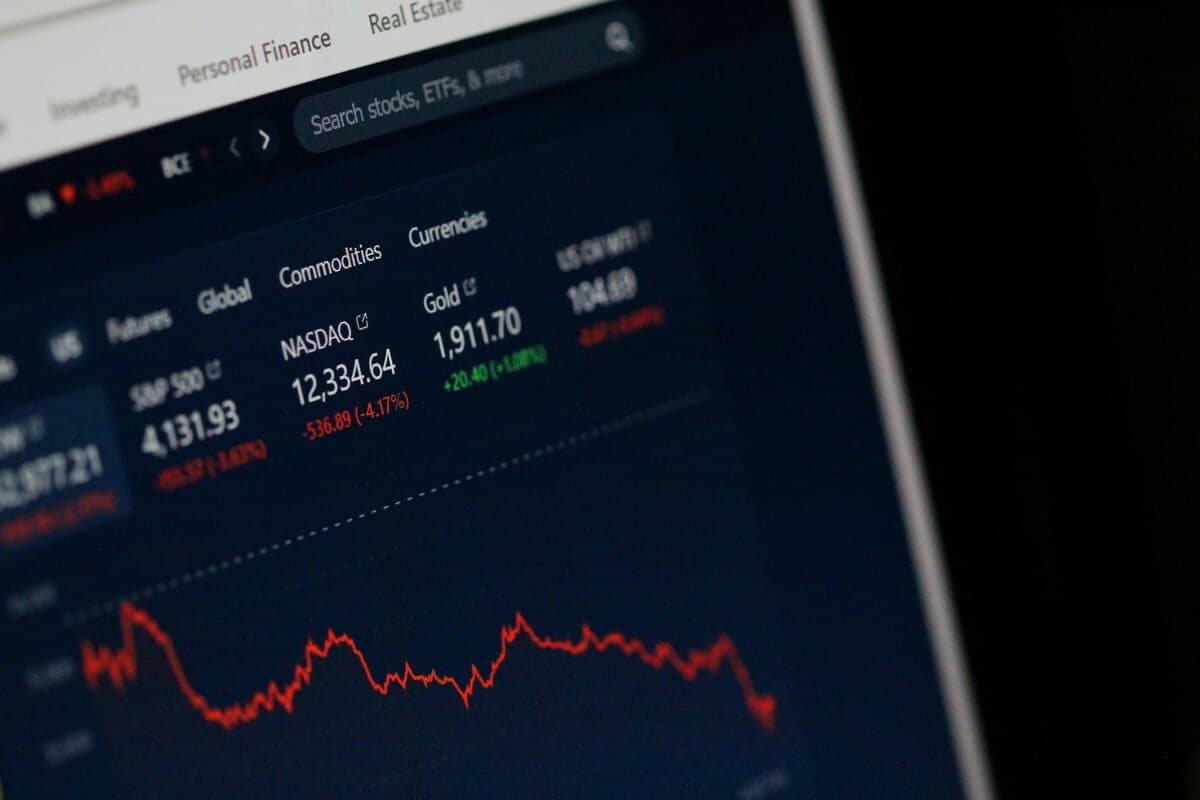
- KOSPI fell 5.84% on July 8, 2026, its steepest drop after rallying over 100% in H1 2026
- Samsung Electronics dropped 6.17% and SK Hynix fell 3.63% as investors question AI chip valuations
- Geopolitical tensions and elevated oil prices compounded the risk-off sentiment across Asian markets
South Korea's KOSPI plunged 5.84% on Wednesday, July 8, 2026, as investors dumped AI-related semiconductor stocks after months of relentless buying. Japan's Nikkei 225 fell 1.14% in tandem. The trigger: stronger-than-expected Samsung Electronics earnings that, paradoxically, made investors question whether current valuations can be justified by future profits.
This correction follows an extraordinary first half. KOSPI had surged more than 100% through June 2026, driven almost entirely by memory chip makers riding the AI infrastructure wave. Samsung and SK Hynix, which together control roughly 70% of the global memory chip market, became proxies for AI optimism. That bet unwound in a single session.
What sparked the AI chip sell-off?
Samsung Electronics dropped 6.17%. SK Hynix fell 3.63%. LG Innotek slid 6.63%. The sell-off started Tuesday across Asia's AI supply chain after Samsung posted earnings that beat expectations. But instead of celebrating, investors did the math on forward valuations and found them stretched.
The logic is straightforward. Strong earnings today do not automatically justify prices built on assumptions of even stronger earnings tomorrow. When Samsung reported, it forced a reckoning: can semiconductor companies grow fast enough to earn their way into current multiples? For many investors, the answer was no. They sold.
Wall Street futures reflected the anxiety. Nasdaq 100 futures dropped 1.77% overnight. S&P 500 futures edged down 0.04%. The AI trade that lifted markets for 18 months now faces its first serious test of investor conviction.
Japan's tech sector stays muted
Japanese semiconductor equipment makers fared slightly better but failed to rally. Murata Manufacturing rose 0.07%. TDK Corporation dipped 0.09%. Sony eased 0.09%. The broader TOPIX index fell 0.60%, suggesting the selling pressure extended beyond pure AI plays.
Taiwan showed selective buying. Hon Hai Precision Industry gained 0.62%, and Taiwan Semiconductor Manufacturing Company recovered 0.61% after dropping over 2% the previous session. But the Taiwan Weighted Index still closed down 0.48%. Bargain hunters appeared, but not in force.
Oil prices and geopolitics add pressure
The AI valuation reckoning happened against a difficult backdrop. Oil prices remained elevated after U.S. strikes on Iran and tighter sanctions targeting Iranian crude exports. The escalation followed attacks on commercial vessels in the Strait of Hormuz.
Higher energy costs keep inflation risks alive. For central banks weighing rate decisions, this complicates the picture. For investors, it reinforced a risk-off stance. Money moved out of growth stocks and into safer positions.
The U.S. dollar strengthened, pushing the euro back to just above $1.14 and climbing beyond 162 yen. That yen weakness could draw intervention concerns from Japanese authorities, adding another variable to an already volatile week.
What happens next?
Markets are watching several catalysts. The Federal Reserve releases minutes from its June meeting on Wednesday. New Fed Chair Kevin Warsh may limit policy detail to avoid signaling the central bank's next move. China's June inflation data drops Thursday. Bank Negara Malaysia announces its rate decision. U.S. consumer price data arrives next week.
But the real question is whether corporate earnings can justify AI-driven valuations. Samsung's report opened that debate. Upcoming results from other semiconductor companies will determine whether this week marks a healthy correction or the start of something deeper.
In Hong Kong, the Hang Seng Index bucked the trend, advancing 2.86% as regional tech shares recovered modestly. Chinese equities stayed flat ahead of Thursday's inflation data, with the CSI 300 Index down 0.20% and the Shanghai Composite off 0.12%.
Logicity's Take
For AI builders and product teams, this correction carries a practical lesson: your infrastructure vendors may face margin pressure if the chip rally reverses. KOSPI's 100% first-half surge priced in years of AI demand growth. If that demand materializes slower than expected, or if hyperscalers negotiate harder on chip prices, the companies supplying your GPU clusters and memory will feel it. Consider this when planning multi-year infrastructure budgets or negotiating long-term contracts with hardware providers.
Frequently Asked Questions
Why did KOSPI fall 5.84% in one day?
Investors reassessed AI semiconductor valuations after Samsung Electronics reported strong earnings that still did not justify current stock prices. The sell-off followed a 100% rally in the first half of 2026.
How did Japanese tech stocks perform during the AI sell-off?
Japanese tech suppliers like Murata Manufacturing and TDK Corporation remained largely flat, with the broader Nikkei 225 falling 1.14% and TOPIX declining 0.60%.
What role did geopolitics play in the market decline?
Elevated oil prices following U.S. strikes on Iran and tighter sanctions on Iranian crude exports added to risk-off sentiment, keeping inflation concerns in focus.
Are AI chip stocks likely to recover soon?
Recovery depends on upcoming earnings reports from semiconductor companies. If profits justify valuations, buyers may return. If not, the correction could deepen.
Context on AI chip market competition and investment trends
Related coverage of Korean AI chip companies amid market volatility
Need Help Implementing This?
Building AI products while navigating infrastructure costs and market uncertainty? Logicity covers the tools, funding, and strategy decisions that matter for product teams. Subscribe to get our analysis in your inbox.
Source: Economy Middle East
Manaal Khan
Tech & Innovation Writer
Produced with AI assistance and reviewed by the Logicity editorial team. Learn more in our Editorial Policy.