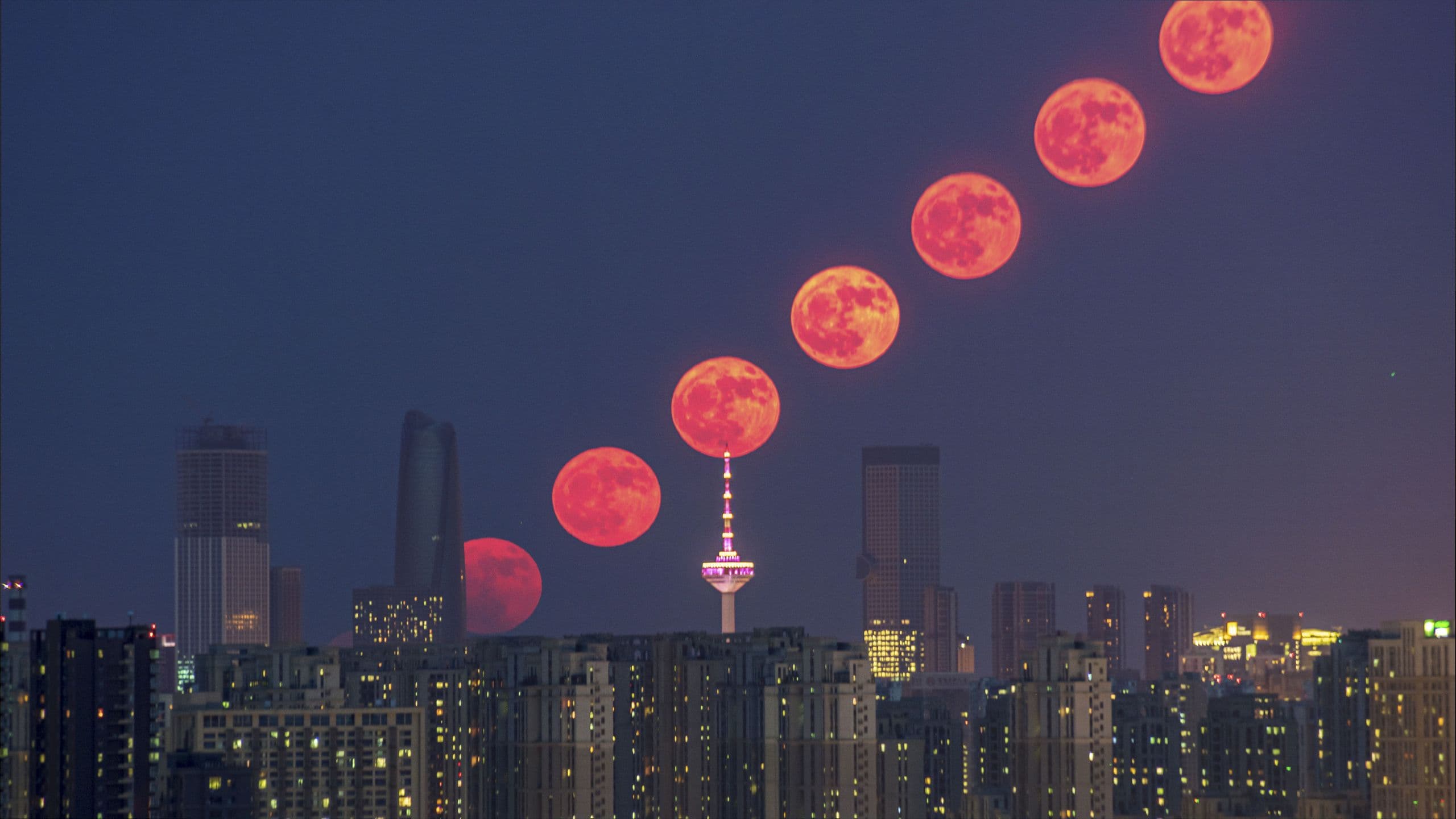
Key Takeaways
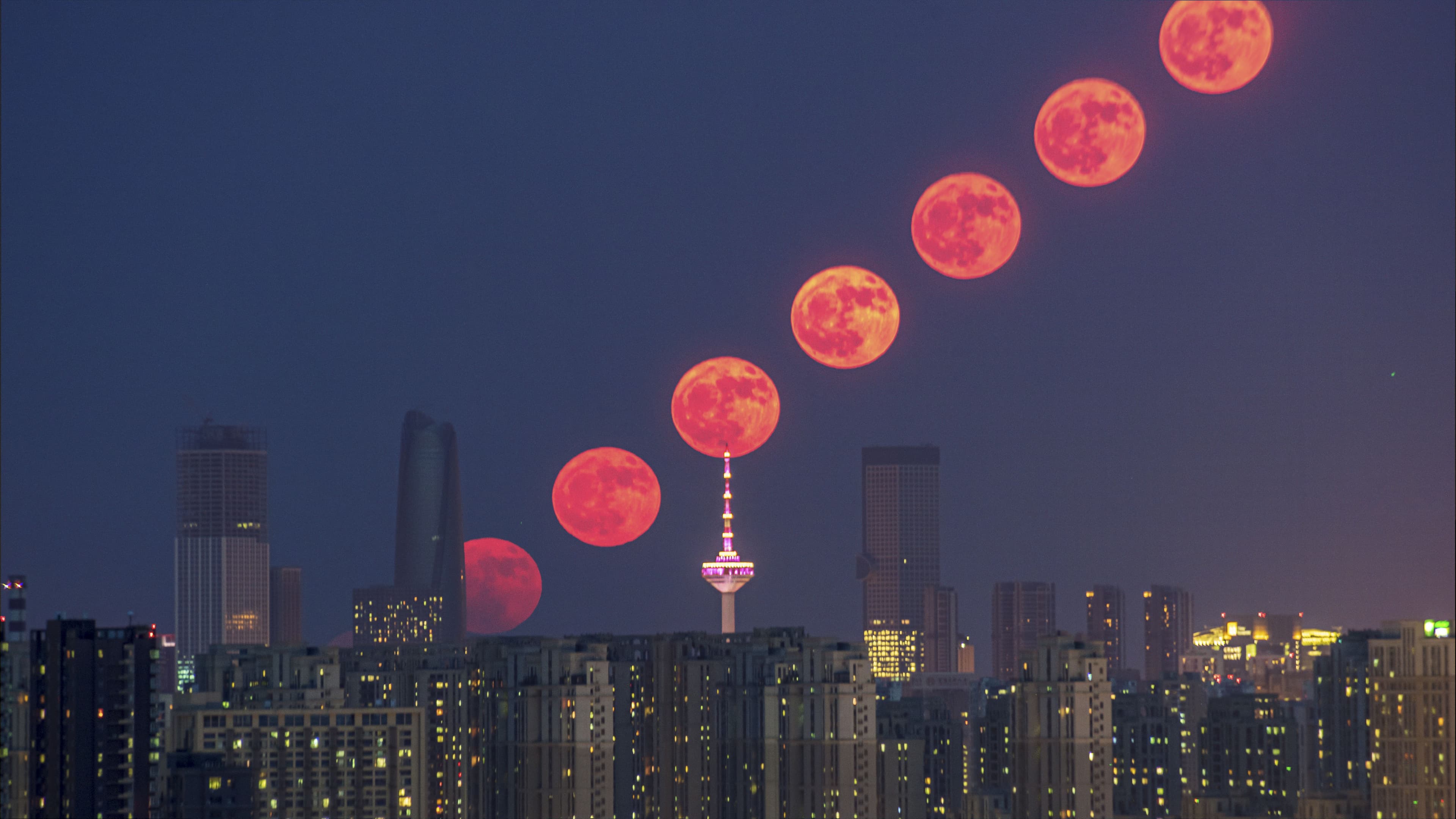
- The Strawberry Moon reaches full illumination at 7:57 p.m. EDT on June 29, 2026
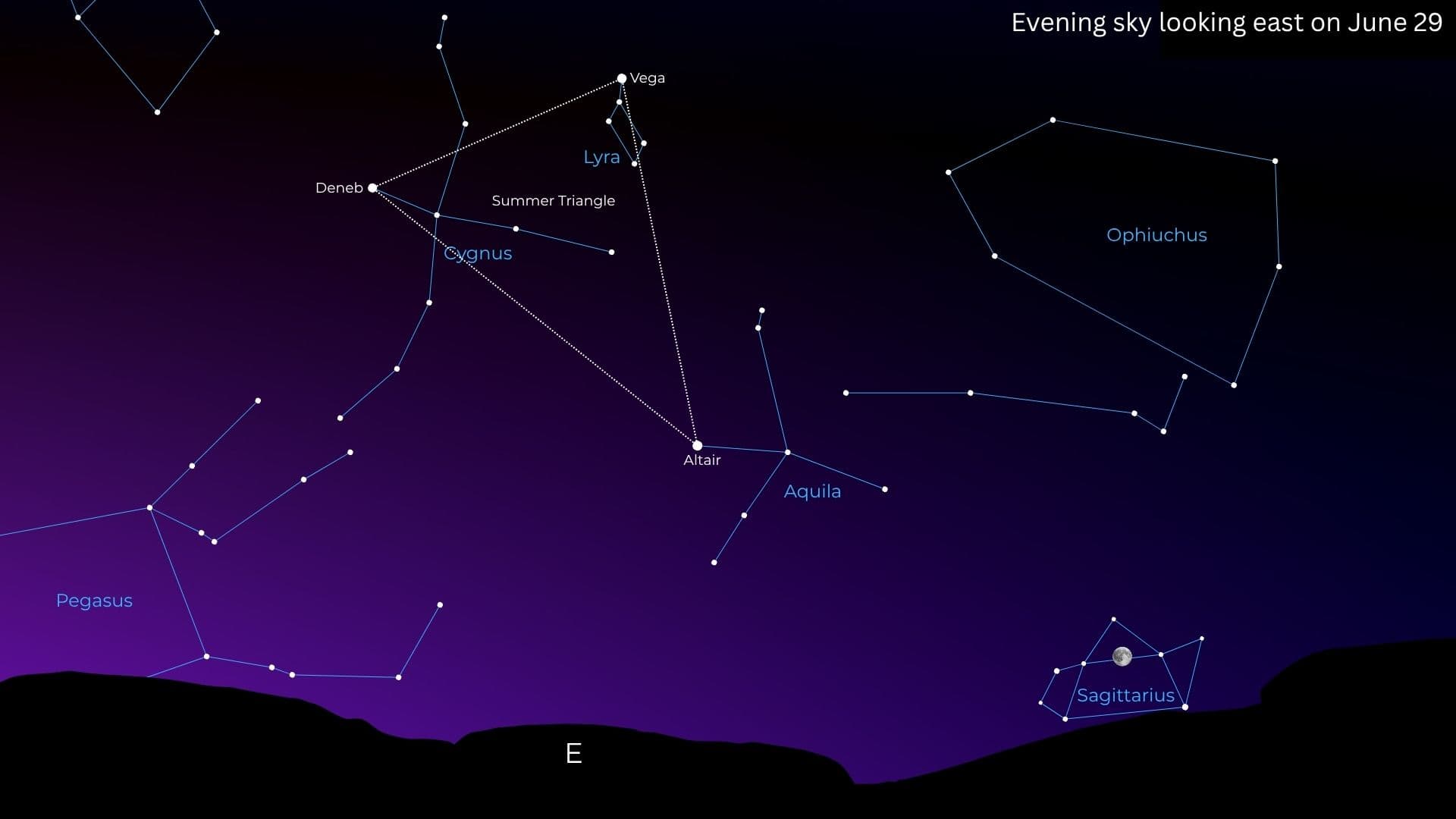
- Look southeast at sunset to catch the moon rising among the stars of Sagittarius
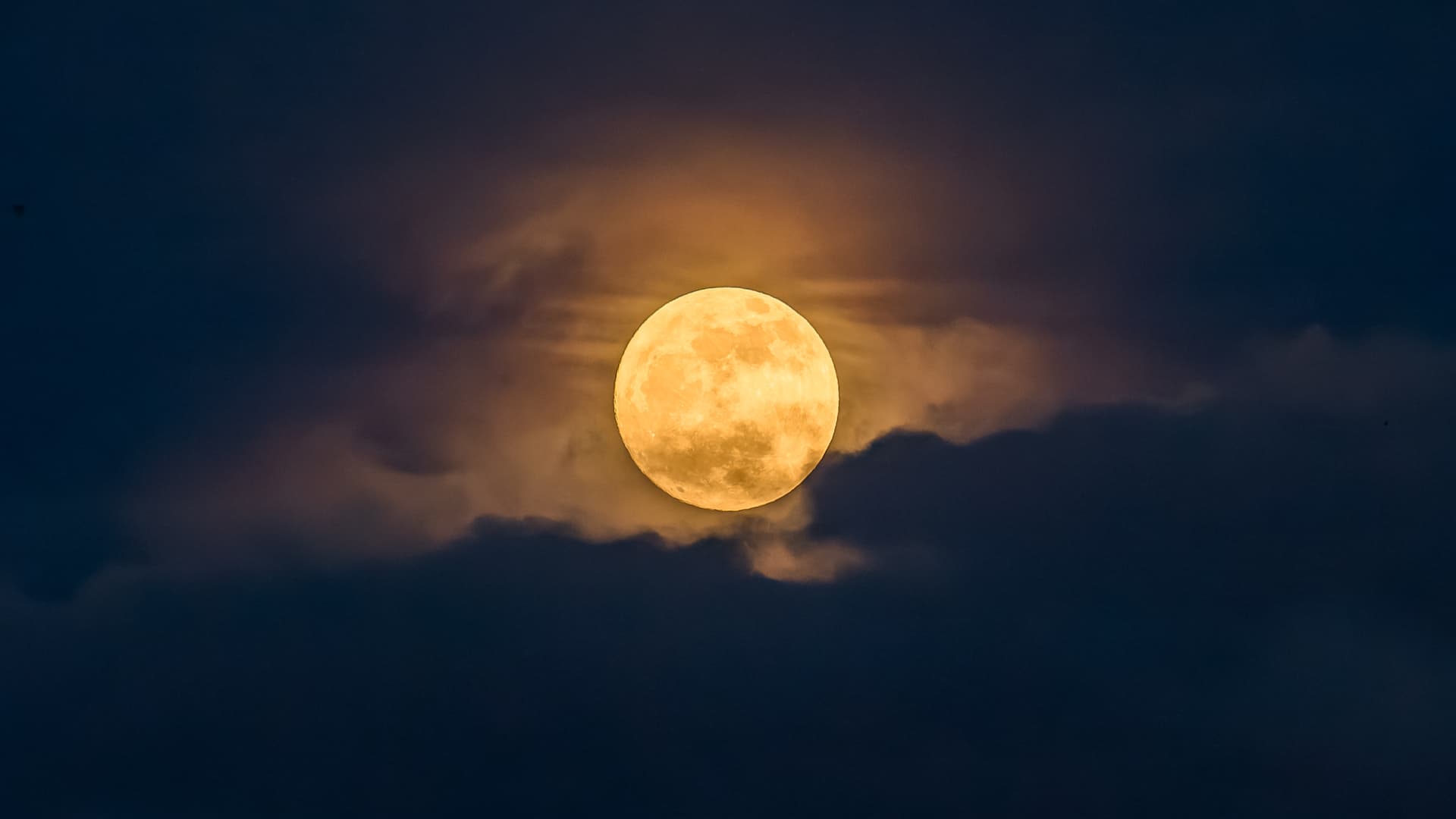
- The moon will appear yellow-orange near the horizon due to atmospheric light scattering
The June full moon arrives at 7:57 p.m. EDT on June 29, 2026. At that moment, the lunar disk will sit directly opposite the sun in Earth's sky, fully lit and unmistakable on the southeastern horizon.
This month's full moon goes by the name Strawberry Moon. The name comes from Algonquian tribes who harvested wild strawberries around this time of year. It's also the first full moon of summer, rising just eight days after the June 21 summer solstice.
Here's what makes this particular full moon worth watching, plus the best times to see it from wherever you are.
When to See the Strawberry Moon
The moon reaches 100% illumination at 7:57 p.m. EDT on June 29. But you don't need to catch that exact moment. The moon will appear full to the naked eye for about two days on either side of the peak.
For the best viewing experience, look toward the southeastern horizon right around sunset on June 29. The moon will rise embedded among the stars of the constellation Sagittarius, though the moonlight may wash out most of those background stars.
Local moonrise and moonset times vary by location, but here are the exact times when the moon hits full illumination in major cities:
- New York: 7:56 p.m. EDT on June 29
- London: 12:56 a.m. GMT on June 30
- Beijing: 7:56 a.m. CST on June 30
- Tokyo: 8:56 a.m. JST on June 30
- Sydney: 9:56 a.m. AEST on June 30
Why the Moon Looks Bigger and Orange
Two visual effects make horizon moonrises particularly striking.
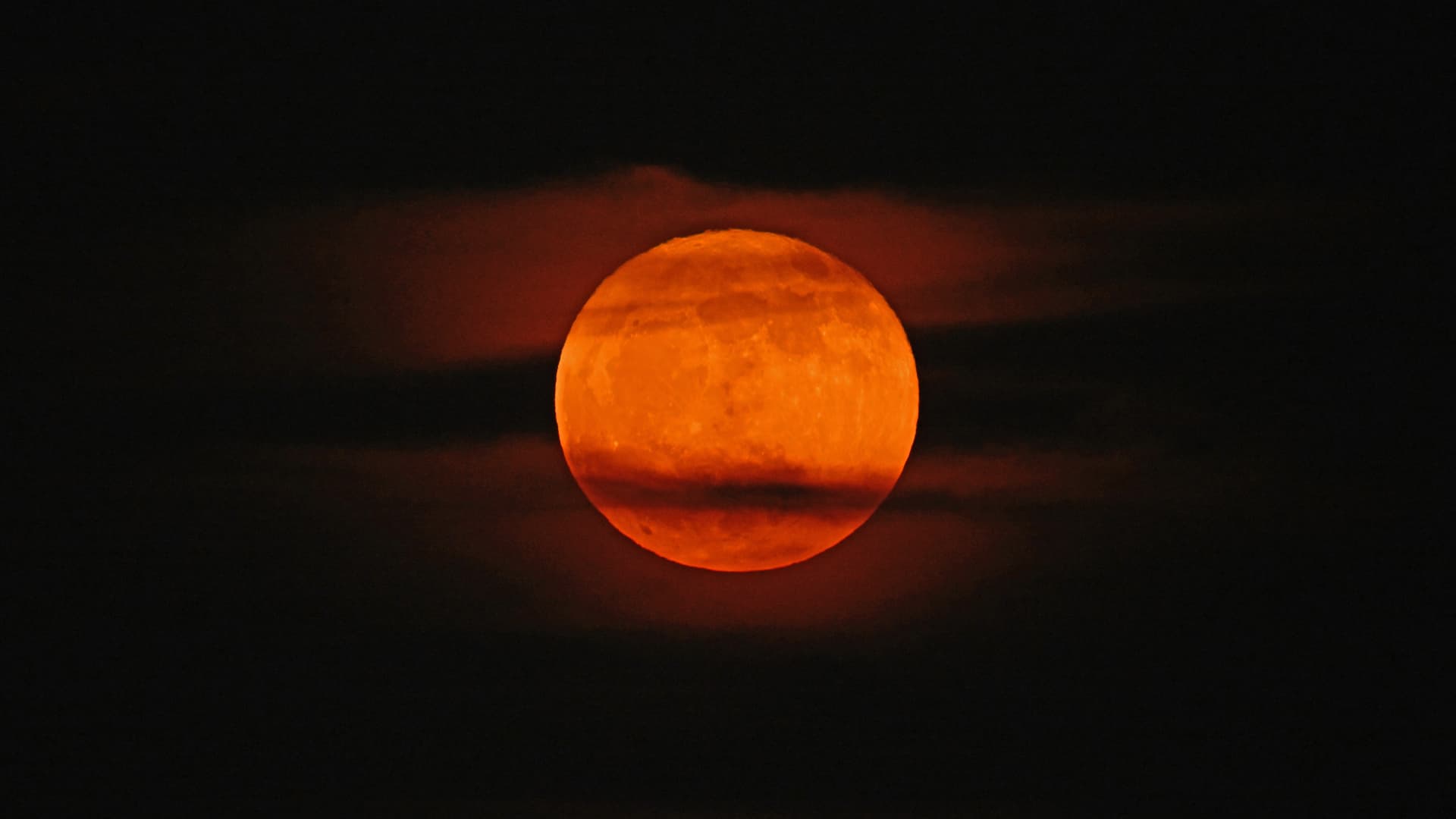
First, the moon illusion. When the moon sits near the horizon, your brain compares it to foreground objects like buildings and trees. This comparison makes the moon appear larger than it does when high overhead. The actual size hasn't changed. It's purely a trick of perception.
Second, the orange glow. Right after moonrise, the moon's light travels through a thicker slice of Earth's atmosphere. The atmosphere scatters blue light and lets red and orange wavelengths pass through. The result is a yellow-orange tint that fades to white as the moon climbs higher.
Why June Has the Lowest Full Moon
The June full moon tracks the lowest path across the night sky of any full moon all year. The reason ties directly to the summer solstice.
On the solstice, the sun reaches its highest point in the daytime sky for Northern Hemisphere observers. A full moon sits opposite the sun. So when the sun is at its highest, the full moon takes the opposite extreme. It hangs lower on the horizon throughout the night.
This low trajectory means the Strawberry Moon spends more time close to the horizon, extending the window when you can catch that orange glow and the moon illusion effect.
The History Behind the Name
The name Strawberry Moon comes from Native American Algonquian tribes, according to the Old Farmer's Almanac. The June full moon coincided with the ripening of wild strawberries, making it a natural marker for the harvest season.
Other indigenous groups use different names for the same moon:
- Haida people: Berries Ripen Moon
- Cherokee: Green Corn Moon
- Tlingit: Birth Moon, reflecting when certain animals are born in the Pacific Northwest
European traditions call it the Honey Moon or Rose Moon. The term "honeymoon" may derive from the tradition of June weddings and the honey-colored appearance of the low-hanging summer moon.
Observing Tips
You don't need any equipment to enjoy the Strawberry Moon. Your eyes are enough. But a few simple strategies can improve the experience.
- Find a clear eastern horizon. Buildings, trees, or hills will block the moonrise. A waterfront, open field, or rooftop works well.
- Arrive before moonrise. Check your local moonrise time and get in position 10 to 15 minutes early. The moon climbs quickly once it clears the horizon.
- Bring binoculars if you have them. You'll see lunar craters and maria (the dark patches) in sharp detail.
- Take photos with your phone. Modern smartphones handle night photography surprisingly well. Use a tripod or rest your phone on a steady surface for sharper shots.
What Else to Watch For
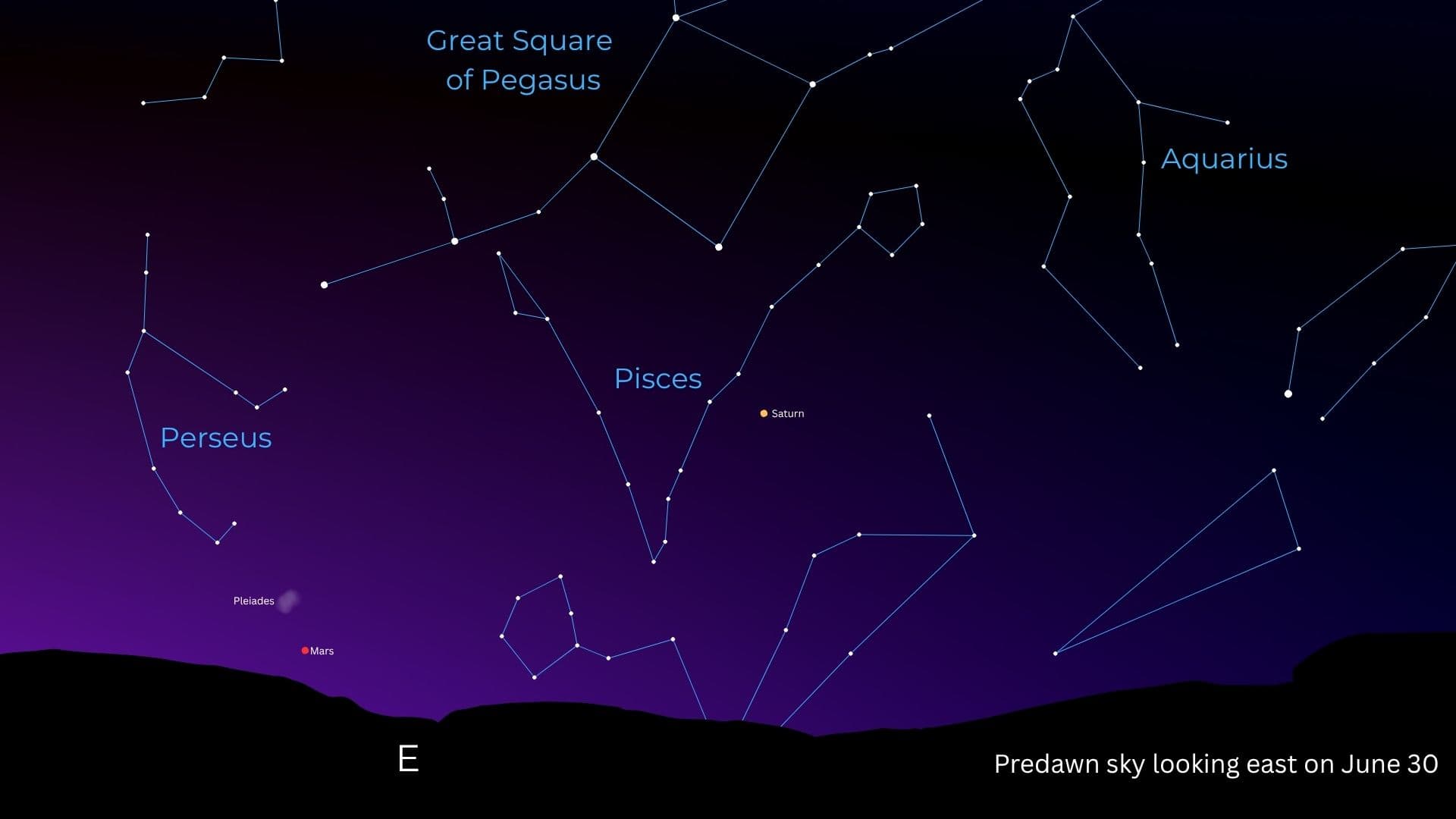
The days around the full moon offer additional viewing opportunities. Mars will be visible near the eastern horizon in the predawn hours on June 30, with Saturn also in view.
The bright moonlight will wash out fainter stars and deep-sky objects. If you want to spot the Milky Way or faint constellations, wait a week until the moon wanes to its third-quarter phase.
Logicity's Take
Frequently Asked Questions
What time does the Strawberry Moon rise on June 29, 2026?
The moon reaches full illumination at 7:57 p.m. EDT. Local moonrise times vary, but expect the moon to clear the eastern horizon around sunset in most locations.
Why does the Strawberry Moon look orange?
Earth's atmosphere scatters blue light and allows red and orange wavelengths to pass through. When the moon is near the horizon, its light travels through more atmosphere, creating the orange tint.
Is the Strawberry Moon actually bigger than other full moons?
No. The moon illusion makes it appear larger when it's near the horizon because your brain compares it to foreground objects. The moon's actual size doesn't change.
Why is it called the Strawberry Moon?
Native American Algonquian tribes named it for the wild strawberry harvest that occurs around June's full moon.
Can I see the Strawberry Moon without a telescope?
Yes. The full moon is easily visible to the naked eye. Binoculars can help you see surface details like craters, but they're not required.
Need Help Implementing This?
Source: Latest from Space.com
Huma Shazia
Senior AI & Tech Writer
Produced with AI assistance and reviewed by the Logicity editorial team. Learn more in our Editorial Policy.