Key Takeaways
- Apple may skip iPhone 19 branding to mark the iPhone X's 10th anniversary with a '20th Edition' model
- Micro-curved display with four tapered edges could eliminate Dynamic Island and front camera cutouts
- Pure silicon anode batteries may increase capacity without making the phone thicker
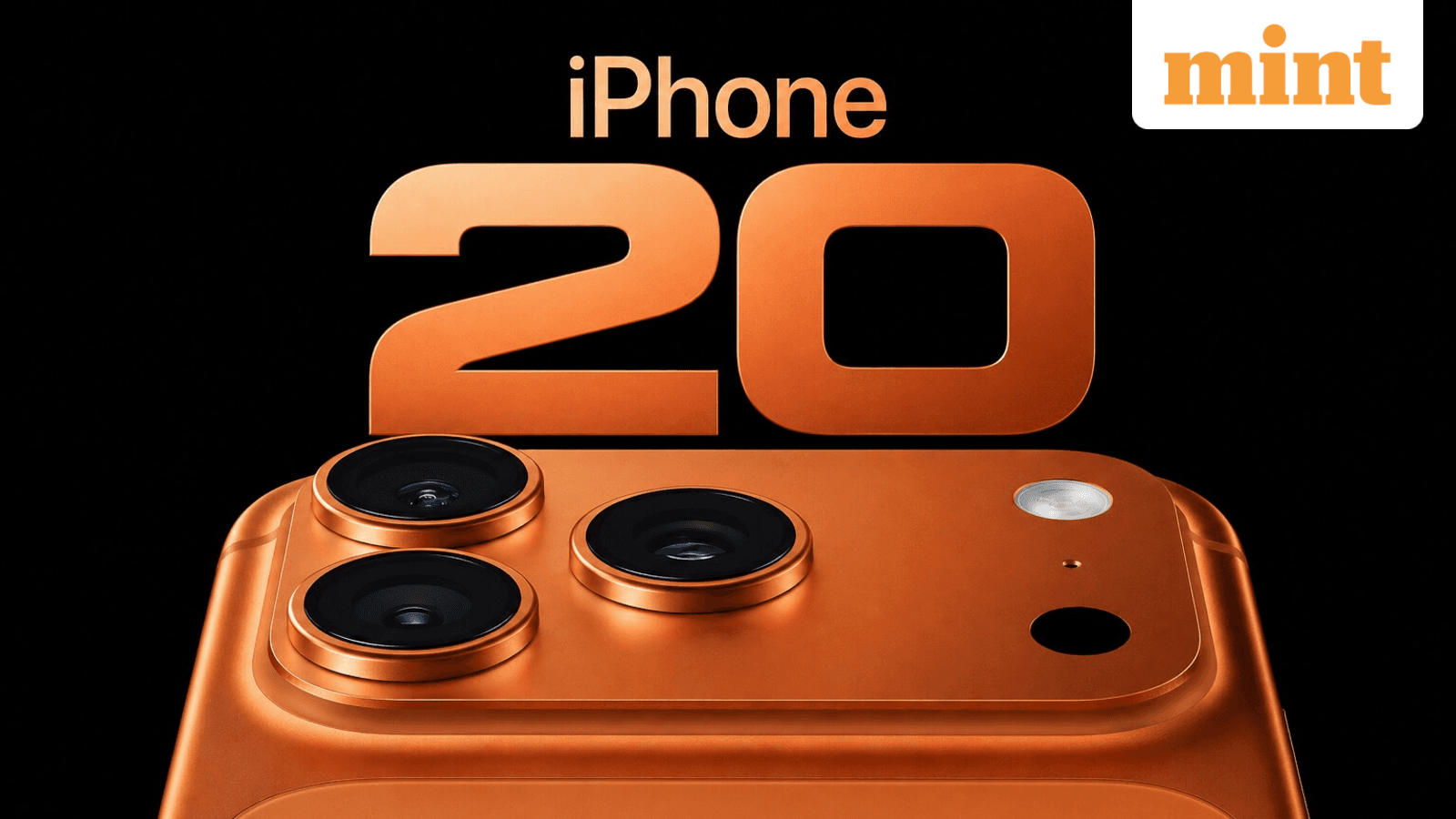
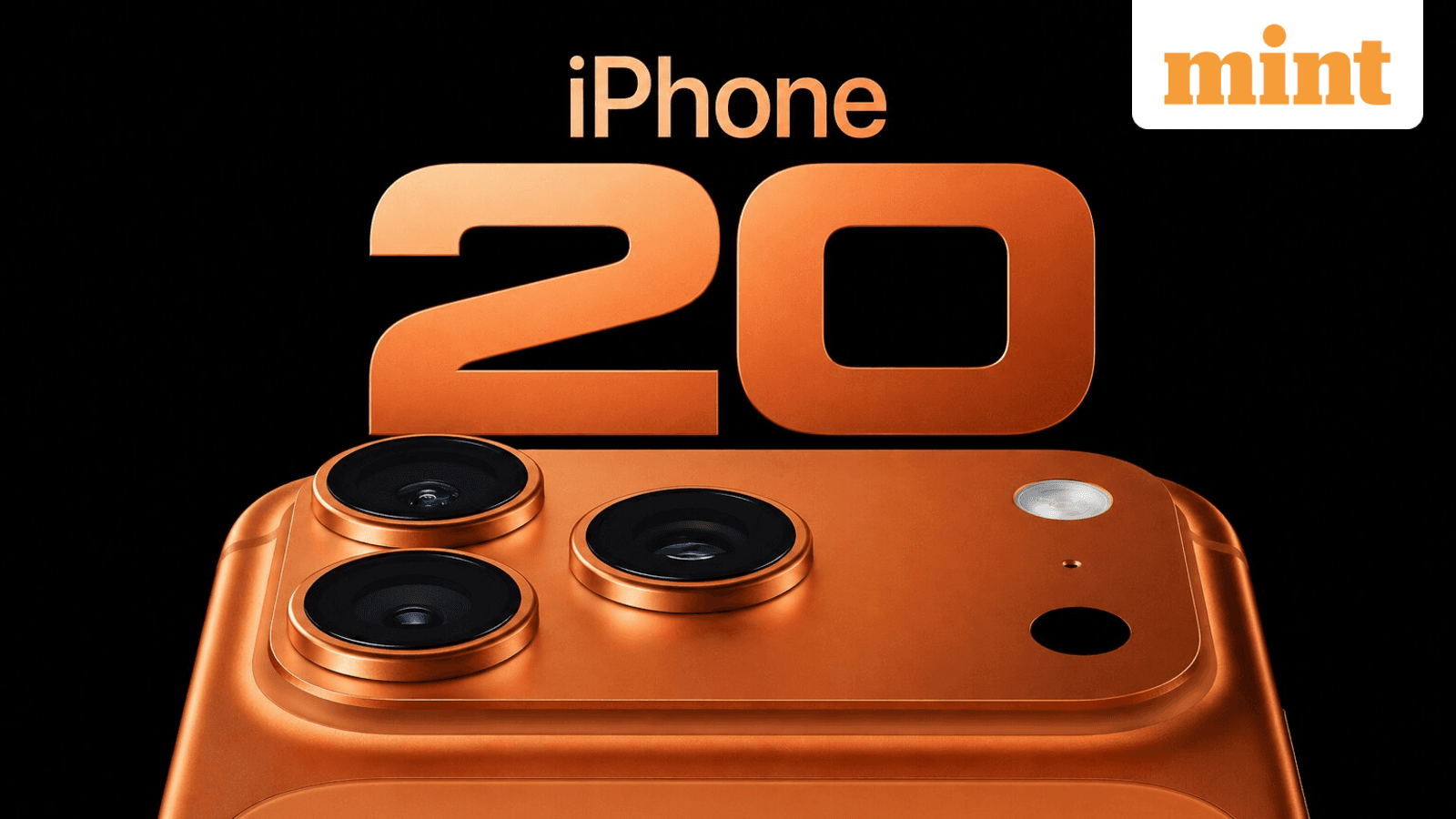
Apple is reportedly planning a major redesign for its 2027 iPhone, internally targeting a '20th Edition' model that would coincide with the 10th anniversary of the iPhone X. Fresh leaks suggest the company is working on micro-curved display technology, polarizer-free OLED panels, and a new battery chemistry that could reshape what flagship iPhones look like.
The leaks arrive while iPhone 18 Pro is still months away. But tipsters and reporters are already piecing together Apple's longer-term roadmap, suggesting the company may skip the iPhone 19 name entirely.
Micro-Curved Display with Samsung Partnership
According to tipster Digital Chat Station on Weibo, Apple is working with Samsung to produce 'Pol-less screens' for the 20th Edition iPhone. These panels would feature four micro-curves with a small curvature at each edge.
The distinction matters. Previous leaks suggested a quad-curved display, which typically wraps sharply around all edges. Micro-curved panels take a subtler approach. The glass tapers gently at the four edges, creating the appearance of thinner bezels without the accidental touch problems that plague phones with aggressive edge curves.
Apple is also said to be using Samsung's Color Filter on Encapsulation (COE) technology. This removes the polarizing film from OLED panels, resulting in a brighter and thinner display. Android manufacturers have used similar approaches, but Apple has historically stuck with traditional OLED construction.
Goodbye, Dynamic Island
Bloomberg's Mark Gurman reported earlier that Apple plans to launch the 20th Edition iPhone with a 'mostly glass, curved' display without any cutouts. The goal is a full-glass front with no notch, no pill-shaped camera housing, and no visible hardware interruptions.
Apple introduced the Dynamic Island with iPhone 14 Pro in 2022 as a way to make the front camera and Face ID sensors less intrusive. The company is already said to be reducing its size for iPhone 18 Pro. The 20th Edition would take the final step: removing it entirely.
Digital Chat Station noted that Apple is testing under-display camera technology to maintain Face ID and selfie capabilities without visible cutouts. This technology has appeared in some Android phones but with noticeable image quality tradeoffs. Apple would need to solve those problems before shipping.
Silicon Anode Batteries
The 20th Edition iPhone may also introduce a new battery chemistry. According to MacRumors, Apple is developing pure silicon anode batteries that can store more lithium ions per gram than current batteries.
The practical result: longer battery life without making the phone thicker or heavier. Current iPhone batteries use graphite anodes. Silicon can theoretically hold about ten times more lithium, though real-world implementations face durability challenges as silicon expands and contracts during charging cycles.
If Apple cracks this problem at scale, it could offer all-day battery life in a phone that's actually thinner than today's models.
In-House Modem Arrives
Apple has been developing its own cellular modem for years, aiming to replace Qualcomm chips. The 20th Edition iPhone is expected to ship with this in-house modem.
The advantage goes beyond cost savings. Apple can design its modem to integrate tightly with the A-series processor and other custom silicon. Reports suggest Apple's modem will be more power-efficient than Qualcomm's equivalent, which could contribute to the battery life improvements.
The company is also expected to ship an A21 processor, though specific details about node size or performance gains remain unclear at this stage.
Why Skip iPhone 19?
The '20th Edition' branding would mark the iPhone X's 10th anniversary. Apple launched iPhone X in 2017 as a radical departure from previous designs. It introduced the notch, Face ID, and edge-to-edge OLED display. The naming jump from iPhone 8 to iPhone X was deliberate, celebrating the iPhone's 10th birthday.
Skipping iPhone 19 would echo that move. It would also let Apple market the device as a milestone product rather than just another annual refresh.
Logicity's Take
What We Don't Know Yet
- Pricing and storage configurations
- Whether all models get the micro-curved display or only Pro variants
- How under-display camera quality compares to current selfie cameras
- Specific A21 chip improvements and whether it uses 2nm process
With iPhone 18 still ahead, these details will likely firm up over the next 12 to 18 months as supply chain sources gain visibility into Apple's production plans.
Earlier iPhone 18 leak coverage
Frequently Asked Questions
When will the iPhone 20th Edition be released?
Based on Apple's annual cycle, the 20th Edition iPhone would likely arrive in fall 2027, marking the 10th anniversary of the iPhone X.
Will Apple skip the iPhone 19?
Leaks suggest Apple may skip the iPhone 19 name and go directly to '20th Edition' to mark the iPhone X anniversary, similar to how Apple jumped from iPhone 8 to iPhone X.
What is a micro-curved display?
A micro-curved display features glass that tapers gently at all four edges, creating thinner-looking bezels without the sharp curves that cause accidental touches on some Android phones.
What are silicon anode batteries?
Silicon anode batteries use silicon instead of graphite to store lithium ions. Silicon can hold more energy per gram, potentially increasing battery life without making phones thicker.
Will the iPhone 20th Edition have a notch or Dynamic Island?
Leaks suggest Apple aims to eliminate all display cutouts using under-screen camera technology, though this depends on Apple solving image quality challenges.
Need Help Implementing This?
Source: mint / Aman Gupta
iPhone 18 Pro Max Design Leaks: Thicker Camera Bump and New Color Palette
The new article provides specific physical dimensions for the iPhone 18 Pro Max camera plateau and bump, noting an increase in thickness compared to the previous generation. It also details a new color lineup featuring Dark Cherry (Burgundy), Light Blue, Dark Grey, and Silver, including specific Pantone color codes.
Manaal Khan
Tech & Innovation Writer
Produced with AI assistance and reviewed by the Logicity editorial team. Learn more in our Editorial Policy.




