Key Takeaways
- iPhone 18 may use Samsung's M12+ display material, similar to iPhone 14 Pro's screen
- iPhone 18 Pro and Pro Max will reportedly get the newer M16 display material
- The older display could reduce power efficiency gains from the 2nm A20 chip
What the Report Claims
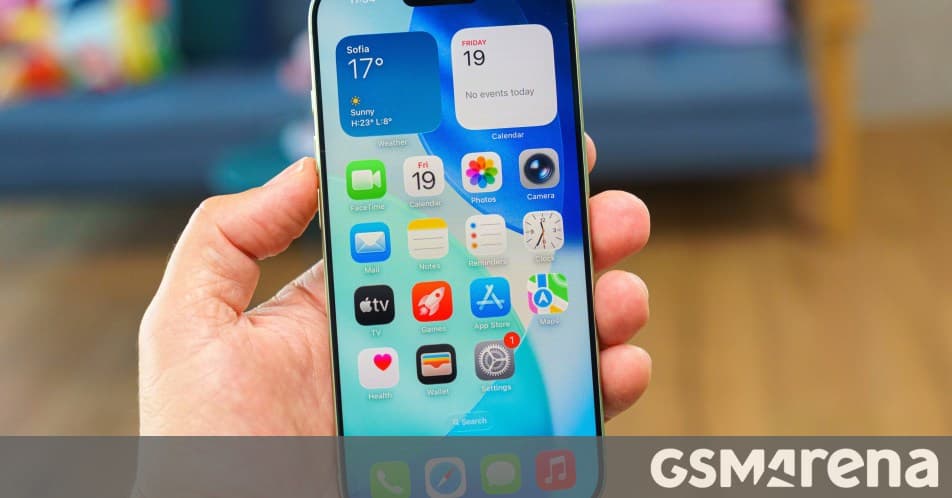
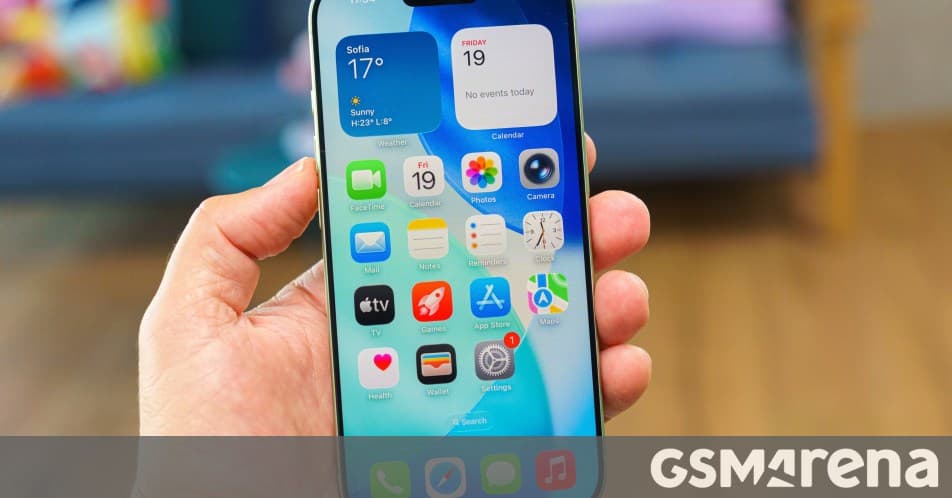
Apple's standard iPhone 18 may ship with an older display panel than its predecessor. According to a new report from GSMArena, the base model will use Samsung's M12+ material. That's only a minor upgrade over the M12 found in the iPhone 14 Pro and Galaxy S23 Ultra.
The Pro lineup tells a different story. Both the iPhone 18 Pro and Pro Max will reportedly use Samsung's M16 material. M16 succeeds the M14, which debuted in the iPhone 16 Pro and was then used across all iPhone 17 models.
If this pans out, Apple would be creating a larger gap between its standard and Pro lines. The iPhone 17 gave all models the same display generation. The iPhone 18 would reverse that.
Why Display Material Matters
Each new Samsung OLED generation improves luminous efficiency. That's the amount of power a panel needs to produce a given brightness level. Newer materials drain less battery while showing the same image.
The M12+ on the rumored iPhone 18 would be three generations behind the M16 on Pro models. That efficiency gap adds up over a day of screen-on time.
There's another wrinkle. Apple's A20 chip will reportedly use a 2nm manufacturing process. Smaller transistors typically mean better power efficiency. But pairing a more efficient chip with a less efficient display could cancel out some of those gains.
The Battery Life Question
Will users notice the difference? That depends on several factors. Apple could offset the display's higher power draw with a larger battery cell. Software optimizations also play a role.
Real-world testing will be the only way to know. On paper, the iPhone 18 could have worse battery life than the iPhone 17 if Apple doesn't compensate elsewhere.
Apple's Cost-Cutting Strategy
This rumor follows a pattern. Yesterday, reports suggested the base iPhone 18 would have multiple downgrades. The display now appears to be one confirmed area where Apple plans to save money.
Using older display materials lets Apple negotiate lower prices with Samsung. Those savings either boost margins or help offset costs elsewhere in the phone.
The tradeoff is clear. Buyers who want the latest display tech will need to pay for a Pro model. The gap between standard and Pro becomes more than just camera quality.
Timeline and Caveats
The iPhone 18 is rumored for spring 2026. That's still months away. Supply chain details often shift during development.
This report should be treated as early speculation. Apple's final decisions on components typically solidify closer to production. Still, the direction is notable. Apple seems willing to differentiate its lineup more aggressively.
Logicity's Take
More on Samsung's latest display technology
Frequently Asked Questions
What display will the iPhone 18 use?
According to reports, the standard iPhone 18 will use Samsung's M12+ OLED material. This is similar to the display found in the iPhone 14 Pro from 2022.
Is the iPhone 18 display worse than iPhone 17?
If the reports are accurate, yes. The iPhone 17 used M14 material across all models. The iPhone 18 base model would use the older M12+ material.
Will iPhone 18 Pro have a better display than iPhone 18?
Reports suggest iPhone 18 Pro and Pro Max will use the newer M16 material, creating a larger gap between Pro and standard models.
When does iPhone 18 launch?
The iPhone 18 is rumored to launch in spring 2026, though Apple has not confirmed any details.
Will iPhone 18 have worse battery life?
Potentially. The older display material is less power-efficient, which could offset gains from the 2nm A20 chip. However, Apple could compensate with a larger battery.
Need Help Implementing This?
Source: GSMArena.com / Vlad
Manaal Khan
Tech & Innovation Writer
Produced with AI assistance and reviewed by the Logicity editorial team. Learn more in our Editorial Policy.