Key Takeaways
- Intel will supply Xeon and Core Ultra processors for McLaren's aerodynamic analysis and race strategy systems
- The partnership spans McLaren F1, Arrow McLaren IndyCar, and McLaren F1 Sim Racing teams
- AMD has partnered with Mercedes F1 since 2020, creating a silicon rivalry on the grid
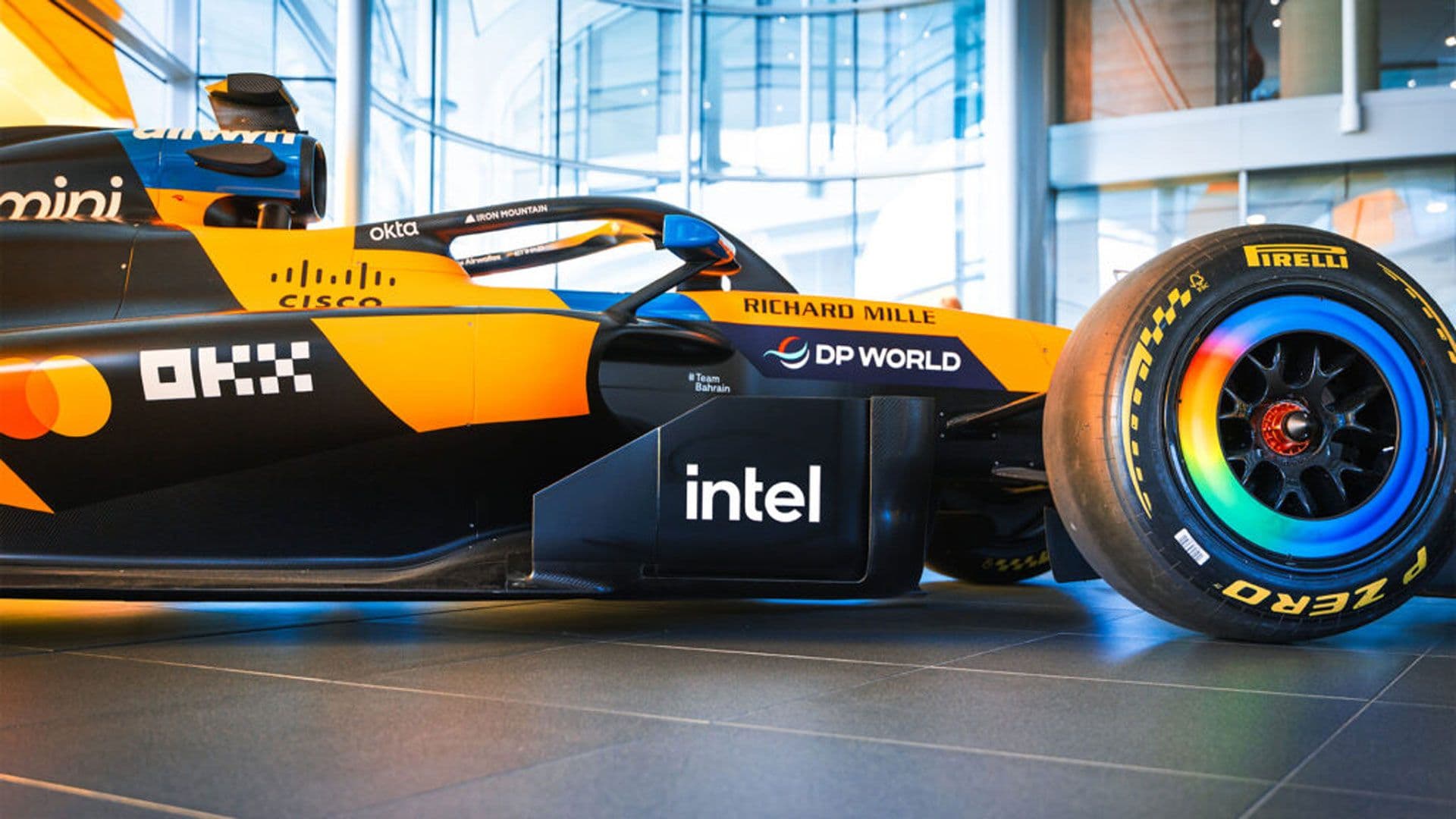
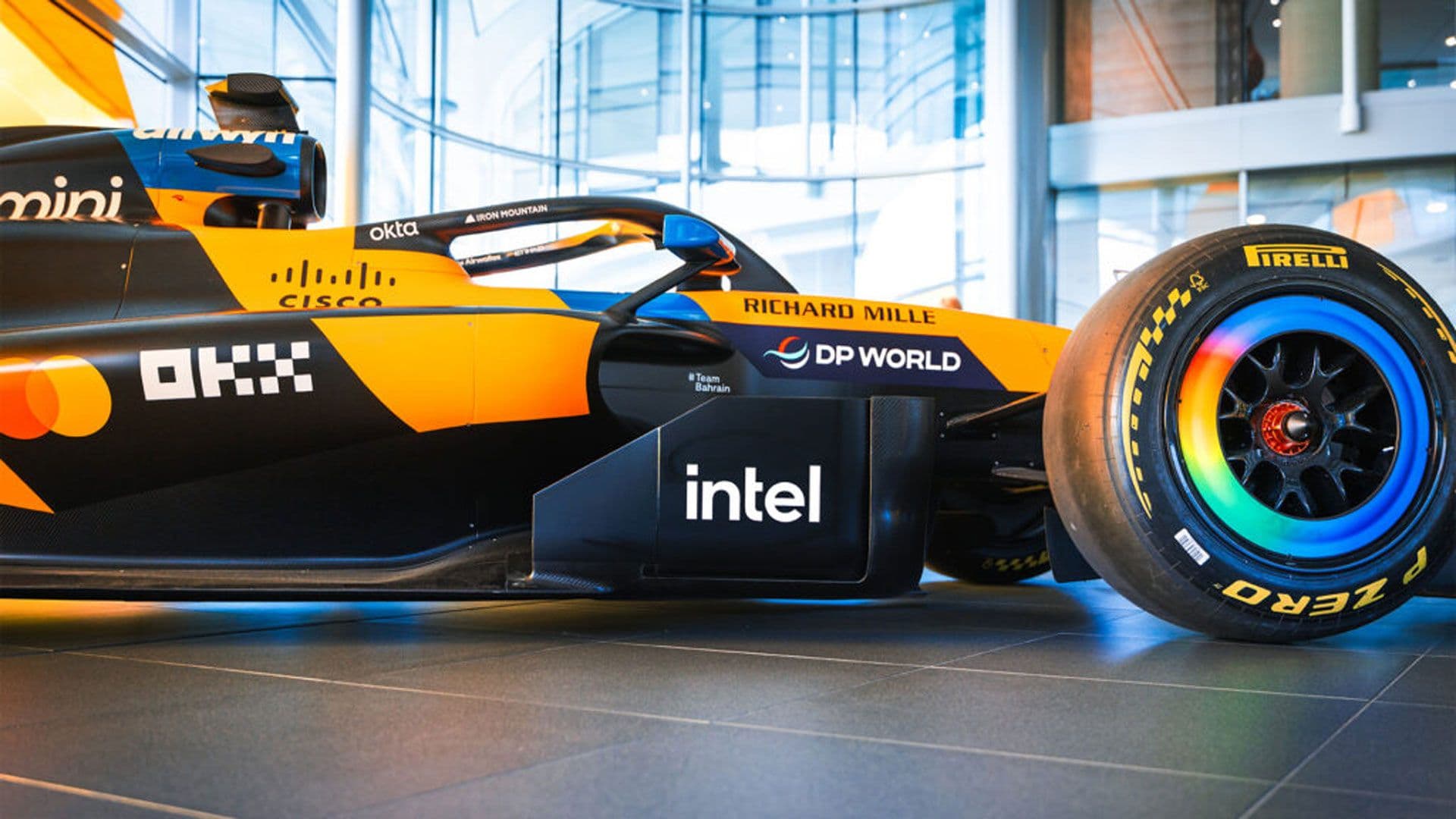
Intel announced a multi-year deal with McLaren Racing, making the chipmaker the official compute partner for McLaren's Formula 1, IndyCar, and sim racing teams. The partnership puts Intel's Xeon and Core Ultra processors at the heart of McLaren's technical operations.
This move directly challenges AMD, which has supplied processors to the Mercedes-AMG Petronas F1 Team since 2020. Both chipmakers now have skin in the game at F1's highest level.
What Intel Will Power at McLaren
F1 teams run enormous computational workloads. Aerodynamic analysis alone involves computational fluid dynamics simulations that model airflow over car surfaces. Vehicle dynamics simulation predicts how the car will behave under different track conditions. Race strategy analytics crunch real-time data during races to optimize pit stops and tire choices.
Intel's Xeon processors will handle these server-side workloads. Core Ultra chips will power trackside systems that need to process data with minimal latency. The FIA caps how much compute teams can use for aerodynamic simulation, so raw performance matters less than efficiency within those limits.
“Formula 1 racing and IndyCar are some of the ultimate proving grounds for high-performance computing. Intel is proud to be McLaren Racing's compute partner, and to be part of a team that thrives on precision, speed, and innovation.”
— Lip-Bu Tan, Intel CEO
Post-race analysis adds another compute burden. McLaren's cars generate data from hundreds of sensors during each session. Teams analyze this data overnight to find performance gains for the next day. AI tools increasingly help engineers spot patterns in these massive datasets.
The AMD-Mercedes Rivalry Gets a Competitor
AMD forged its partnership with Mercedes F1 in 2020. The team uses Epyc server processors and Threadripper workstation chips for aerodynamic simulation and data analysis. AMD's presence on Mercedes cars has served as a marketing platform for its data center and professional workstation business.
Intel's McLaren deal follows the same playbook. F1 reaches a global audience of over 500 million viewers per season. Branding on winning cars carries weight with enterprise buyers who associate performance on track with performance in the data center.
The timing matters for Intel. CEO Lip-Bu Tan joined the company in March 2025 and has been working to stabilize a business that lost market share to AMD in servers and faced delays in manufacturing. A high-profile F1 partnership signals that Intel is ready to compete again.
McLaren Was Already Using Intel Hardware
Zak Brown, McLaren Racing's CEO, confirmed that Intel hardware was already part of the team's infrastructure before this formal partnership. The new deal deepens the relationship and brings Intel engineers into closer collaboration with McLaren's technical staff.
“Performance in IndyCar and Formula 1 racing is driven by technology, and partnering with Intel strengthens our ability to innovate at scale.”
— Zak Brown, CEO, McLaren Racing
The agreement spans three McLaren racing programs. Arrow McLaren competes in IndyCar, where computational demands are similar to F1. The McLaren F1 Sim Racing Team uses the same simulation tools for esports competition. Intel gets exposure across multiple racing categories.
Why Chip Companies Care About F1
F1 teams are legitimate high-performance computing customers. They run workloads that stress processors in ways that matter to enterprise buyers. Fluid dynamics simulation, real-time data processing, and AI inference are the same capabilities that cloud providers and enterprises need.
The partnership also creates a testing ground. Intel can validate its chips against demanding workloads and get feedback from engineers who push hardware to its limits. That feedback loop helps improve products for all customers.
McLaren currently sits second in the 2025 F1 constructors' championship. Mercedes holds third. Results on track will inevitably become part of the marketing narrative for both chip companies, fair or not.



Logicity's Take
Frequently Asked Questions
What chips will Intel provide to McLaren F1?
Intel will supply Xeon server processors and Core Ultra chips for workloads including aerodynamic simulation, vehicle dynamics modeling, and race strategy analytics.
Which F1 team does AMD sponsor?
AMD has been the technology partner for the Mercedes-AMG Petronas F1 Team since 2020, providing Epyc and Threadripper processors.
Does the Intel deal cover only McLaren F1?
No. The partnership spans McLaren's F1 team, Arrow McLaren IndyCar team, and McLaren F1 Sim Racing team.
Why do F1 teams need high-performance computing?
F1 teams use massive compute resources for computational fluid dynamics, real-time telemetry analysis, post-race data processing, and AI-powered performance optimization.
Need Help Implementing This?
Source: Latest from Tom's Hardware
Manaal Khan
Tech & Innovation Writer
Produced with AI assistance and reviewed by the Logicity editorial team. Learn more in our Editorial Policy.