Key Takeaways
- Never use matches, soap, or alcohol to remove ticks. These methods can cause the tick to regurgitate into your bloodstream.
- Tick Keys and Tick Twisters cost under $10 and remove ticks safely without direct contact.
- Daily tick checks and post-hike showers are your best prevention strategy.
Why Common Tick Removal Methods Are Dangerous
Your first instinct when you spot a tick burrowed into your skin might be to grab the matches. Or douse it in rubbing alcohol. Or smother it with soap. These methods do work in one sense: they can make the tick release its grip.
But they come with a serious downside. When stressed by heat, chemicals, or suffocation, ticks tend to vomit their stomach contents into your bloodstream. This dramatically increases your risk of contracting tick-borne diseases like Lyme disease.
The goal is to remove the tick cleanly, without triggering that regurgitation response. And ideally, without having to pinch a blood-filled arachnid between your fingers.
The Tick Key: Slide and Remove
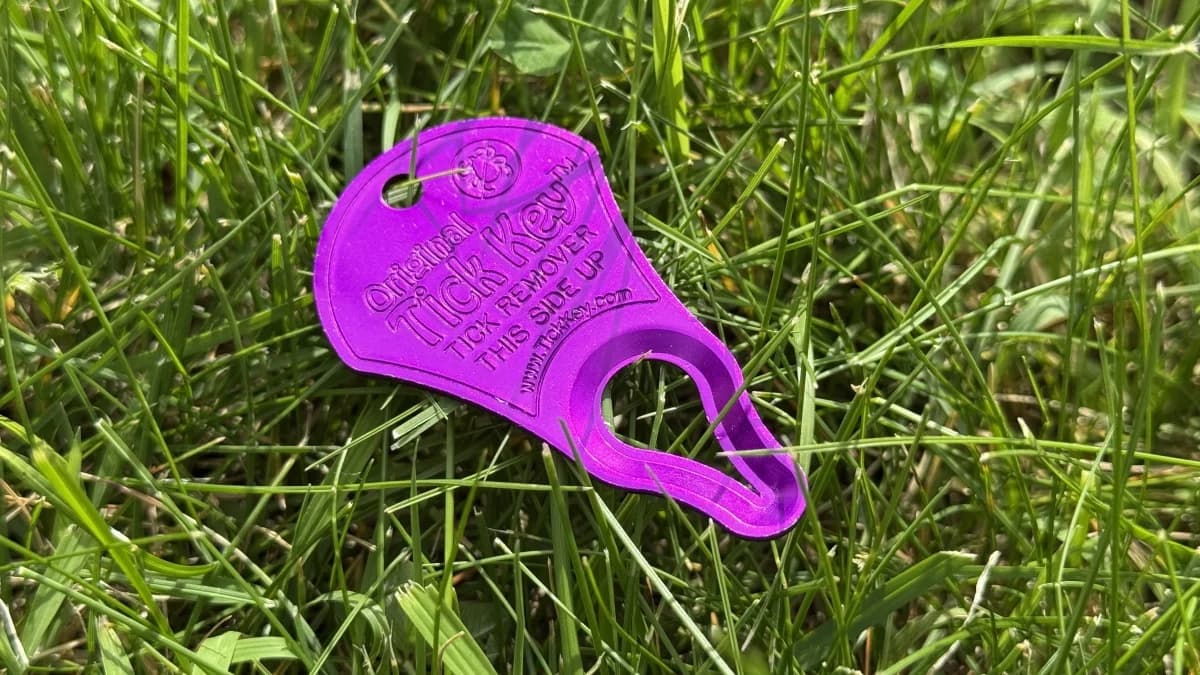
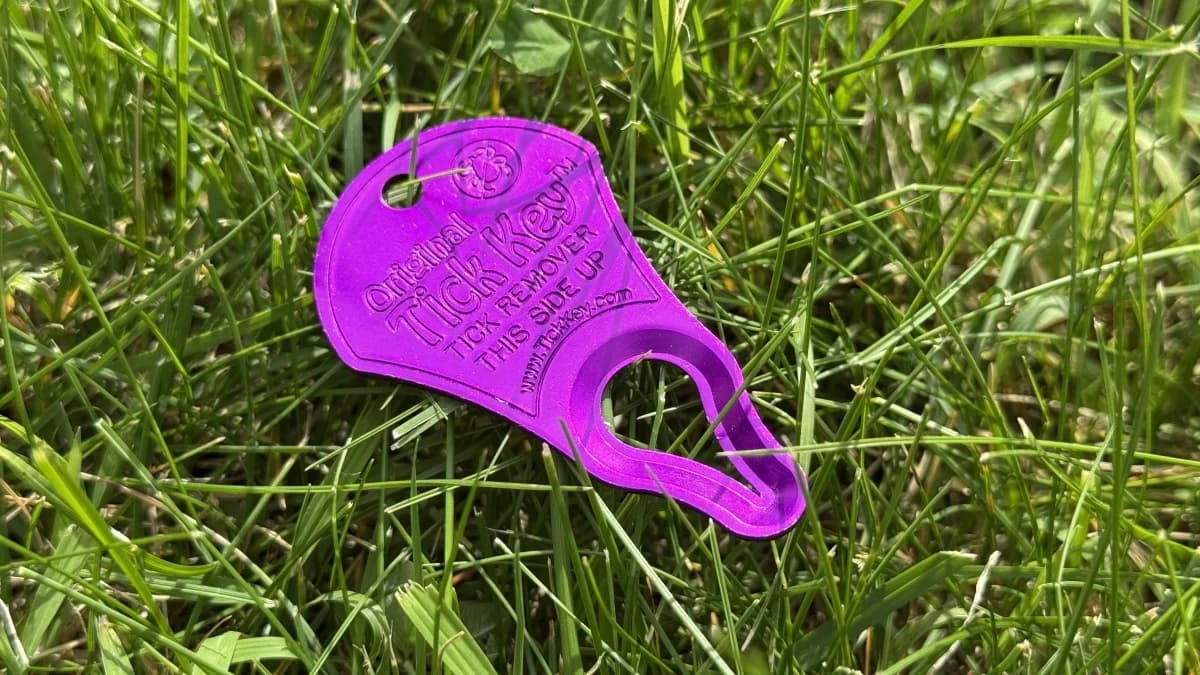
The Tick Key is a flat, keychain-sized tool with a teardrop-shaped slot. You place the large end of the keyhole over the tick, then slide it across your skin so the tick gets wedged into the narrow end. That motion pops the tick out.
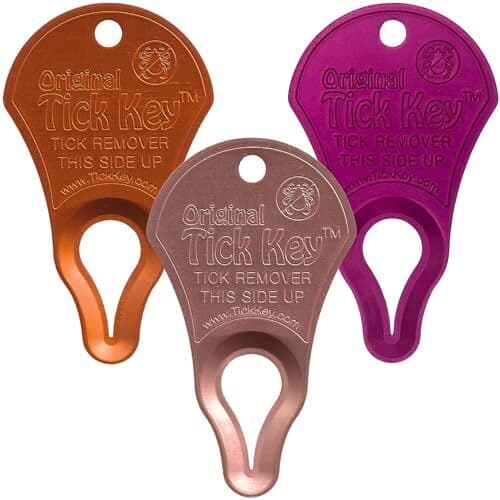
The technique requires pressing down into the skin as you slide. Done correctly, you remove the entire tick, mouthparts included. If you are a bit rushed or squeamish, you might leave the mouthparts behind. That sounds worse than it is. The mouthparts are tiny and will work their way out as the bite heals.
A three-pack of Tick Keys runs about $20 on Amazon. Keep one on your keychain, one in your hiking bag, and one at home.
The Tick Twister: A Vet's Favorite
Veterinarians often prefer the Tick Twister. It looks like a tiny crowbar with a forked end. You slide the fork around the tick's body, close to the skin, then twist until the tick releases.
The twisting motion works particularly well when fur is involved, making it the go-to choice for dogs and cats. But it works just as well on human skin. At $7.99, it is the cheapest option.
Other Options That Work
- Ticked Off: Works similarly to the Tick Key with a sliding removal mechanism.
- Fine-tipped tweezers: Grab the tick as close to the skin as possible and pull straight up. Regular pointy tweezers work if you do not have specialized tick tweezers.
- Tick removal cards: Credit card-sized tools that fit in a wallet.
The key with any method is getting as close to the skin as possible and avoiding squeezing the tick's body. Squeezing can push infected fluids into the bite.
What to Do With the Tick After Removal
Once the tick is off, you need to make sure it stays off. Drop it into a small jar of rubbing alcohol to kill it. Alternatively, seal it in a plastic baggie or sandwich it between strips of masking tape. Then throw it in the trash.
Some people save the tick in a sealed container for a few weeks. If symptoms of tick-borne illness develop, having the tick can help with diagnosis. This step is optional but reasonable if you live in a Lyme-endemic area.
Prevention Is Better Than Extraction
Ticks take time to attach and begin feeding. A daily tick check catches most of them before they latch on. Run your hands over your scalp, behind your ears, and along your hairline. Check your armpits, waistband, and behind your knees.
A shower after outdoor activity washes away ticks that have not yet attached. If you have just finished a hike and suspect you are carrying passengers, a few swipes with a lint roller can remove loose ticks until you get to the shower.
Logicity's Take
Frequently Asked Questions
Can I remove a tick with my fingers?
Yes, but it is harder to grip close to the skin without squeezing the tick's body. Fine-tipped tweezers or a removal tool give better control and reduce disease transmission risk.
What if the tick's head stays in my skin?
The mouthparts are very small. They will work their way out as the bite heals. Clean the area and watch for signs of infection, but do not dig around trying to extract them.
How long does a tick need to be attached to transmit Lyme disease?
Most research suggests 36 to 48 hours of attachment is needed for Lyme transmission. Daily tick checks significantly reduce your risk.
Should I save the tick after removing it?
Optional but smart in Lyme-endemic areas. Store it in a sealed container. If you develop symptoms, the tick can help with diagnosis.
Need Help Implementing This?
Source: Lifehacker
Huma Shazia
Senior AI & Tech Writer
Produced with AI assistance and reviewed by the Logicity editorial team. Learn more in our Editorial Policy.