Key Takeaways
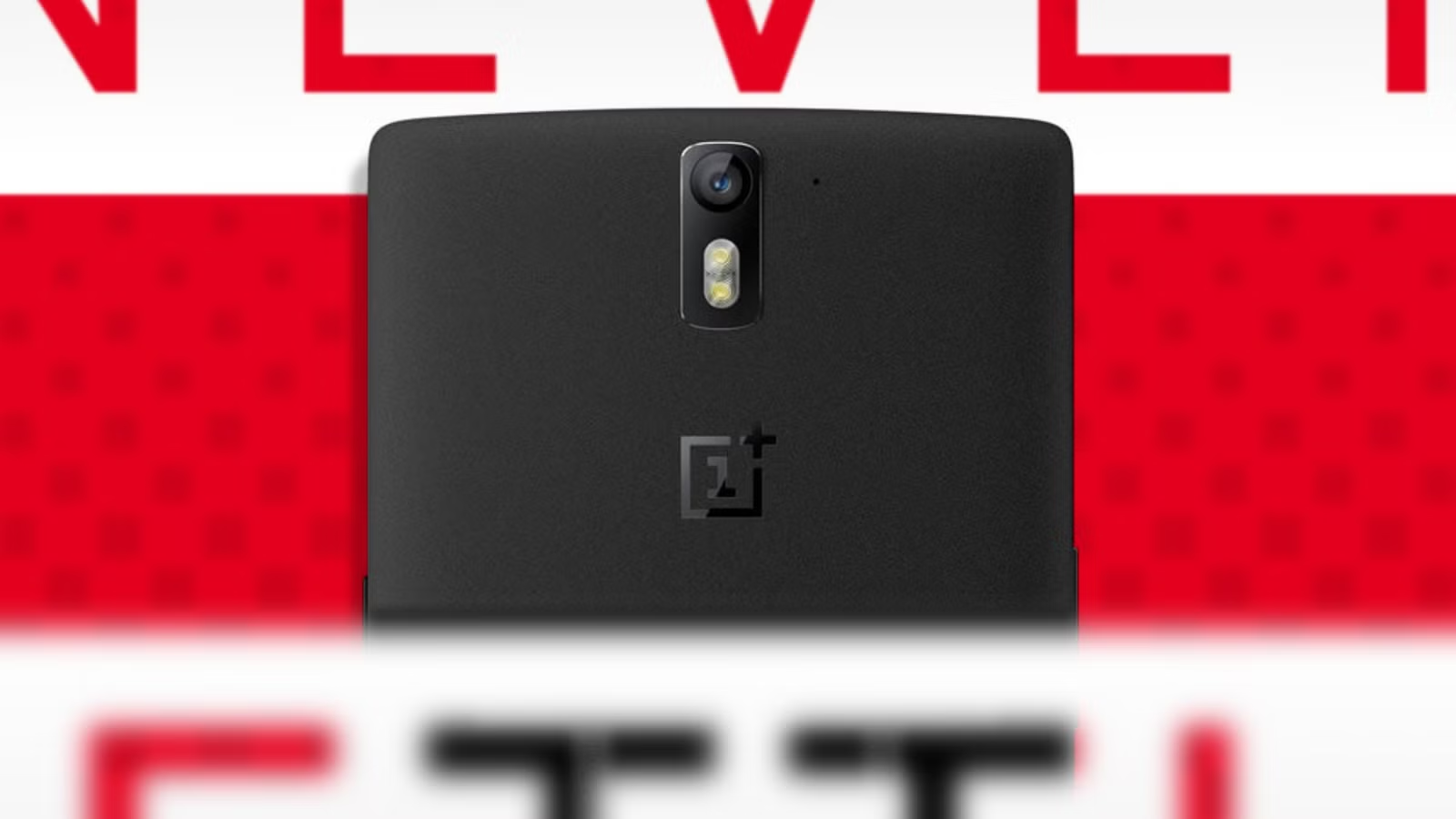
- The OnePlus One launched April 23, 2014 with flagship specs at $299, half the price of competitors
- Founders Pete Lau and Carl Pei came from Oppo, giving OnePlus backing from one of the world's largest phone makers
- 2014 was Android's biggest year, with Wear OS, Material Design, and Android Auto all debuting
The Year Android Grew Up
2014 was a strange year. Flappy Bird broke phones (and spirits), the Amazon Fire Phone crashed spectacularly, and Rebecca Black's 'Friday' was still stuck in everyone's head. But for Android fans, it was the year everything changed.
Google sold Motorola to Lenovo and bought Nest. Wear OS was born. Material Design gave Android its first coherent visual language. HTC released the One M8. Android Auto and Android TV were announced. The Galaxy S5 became a massive hit.
None of that generated as much excitement as a phone from a company nobody had heard of.
A Startup with Deep Pockets
OnePlus was founded in December 2013 by Pete Lau and Carl Pei. Both were former Oppo employees. Oppo is not well known in the US, but as of Q1 2026, it ranks fourth globally in smartphone market share, trailing only Samsung, Apple, and Xiaomi.

This was not a garage startup scraping together funding. OnePlus had parental support from one of the world's largest phone makers. That backing let them take risks no true startup could afford.
The Hype Machine Starts
Lau knew how to build anticipation. When he announced the company to The Verge, his quotes read like a manifesto.
“Everyone should have access to the best and latest technology. We will create a more beautiful and higher quality product.”
— Pete Lau, OnePlus co-founder
He promised OnePlus would never be different just for the sake of being different. Every decision had to improve daily use. And then came the line that defined the company's early years.
“A lot of the phones on the market aren't perfect enough. This is where our chance lies.”
— Pete Lau, OnePlus co-founder
The pitch was simple: flagship performance at a price that undercut Samsung and HTC by half. OnePlus called it the 'flagship killer'.
What the OnePlus One Actually Delivered
On April 23, 2014, the OnePlus One went official. The specs were genuinely impressive for a $299 phone. It ran CyanogenMod, the most popular custom Android ROM, as its default software. That partnership gave enthusiasts a reason to care.
The phone looked good, performed well, and cost less than anything comparable. There was just one problem: you could not buy it.
The Invite System That Made Everyone Crazy
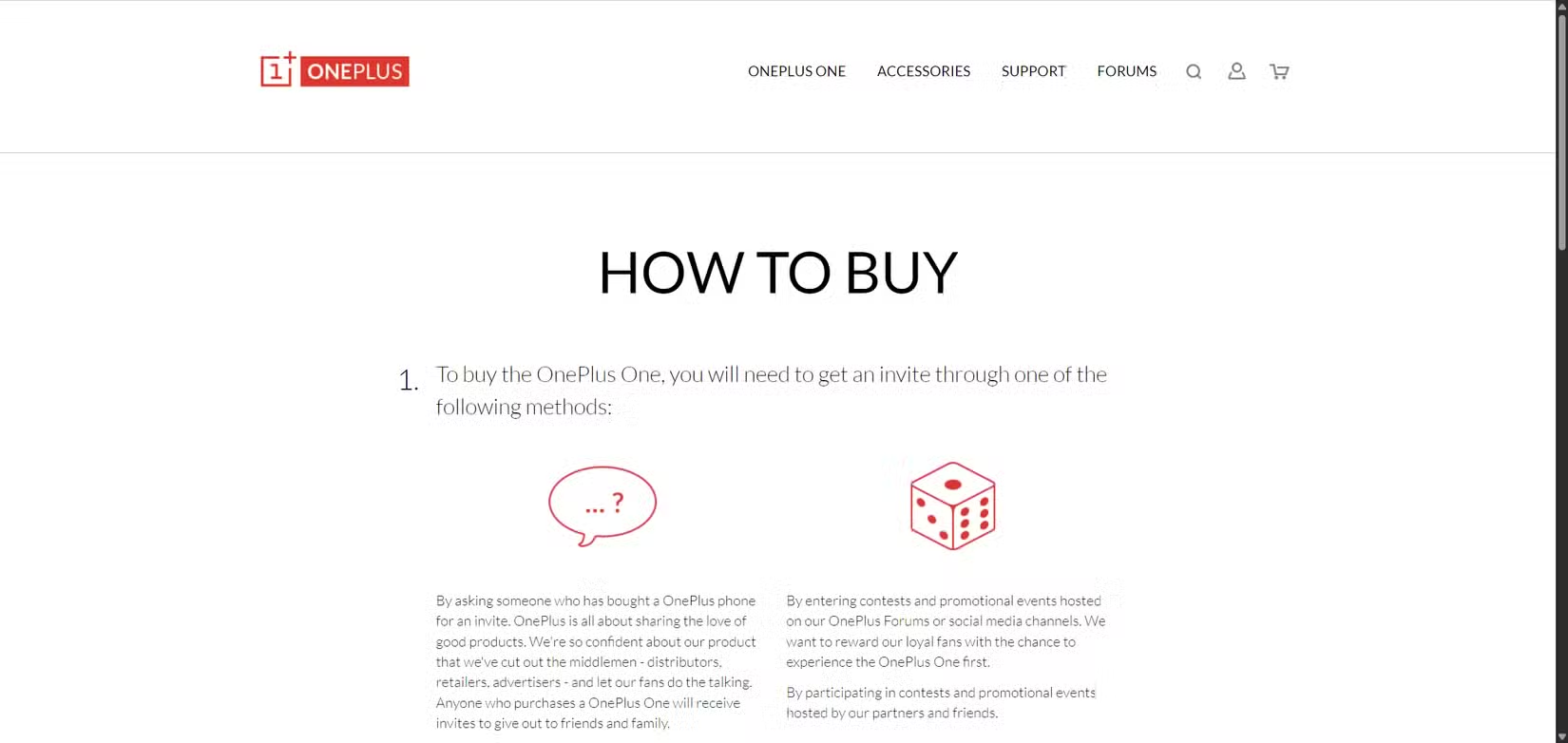
OnePlus used an invite-only purchase system. You needed an invite code from an existing owner or had to win one through contests. This artificial scarcity drove Android forums wild.
People traded invites on Reddit. They begged on Twitter. They wrote essays to win contests. The invite system was either brilliant marketing or infuriating gatekeeping, depending on whether you had a code.
Either way, it worked. OnePlus stayed in the conversation for months without spending on traditional advertising.
The Legacy Twelve Years Later
OnePlus is no longer the scrappy underdog. The company's phones now cost as much as Samsung's flagships. The 'flagship killer' positioning has been abandoned. Pete Lau moved on to lead product at Oppo. Carl Pei left to start Nothing.
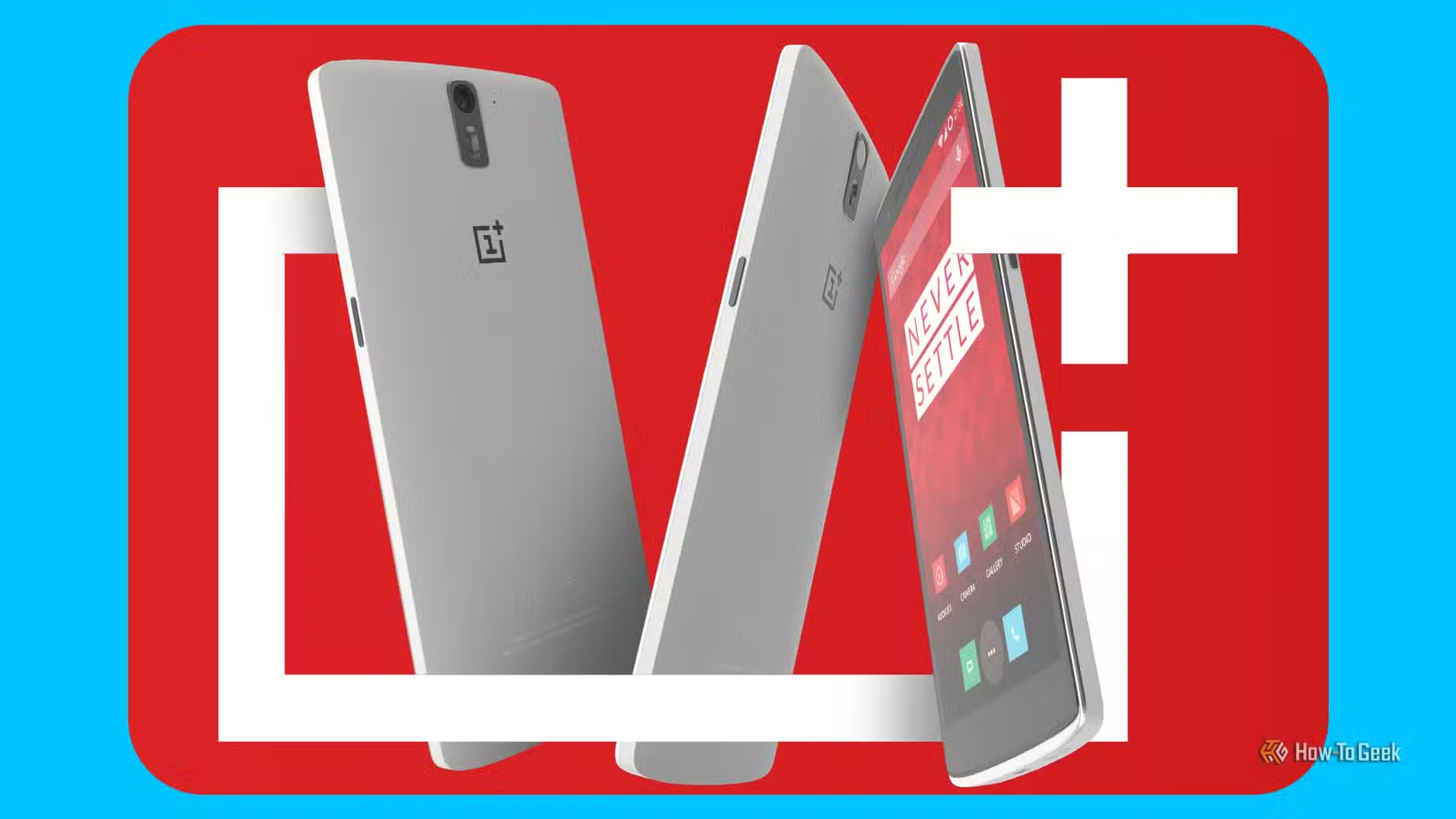
But the OnePlus One changed what consumers expected. It proved you could get top-tier specs without paying top-tier prices. Xiaomi, Realme, and Poco built entire businesses on that insight. Even Google's Pixel A-series owes something to the path OnePlus blazed.
Logicity's Take
More ways to get more from your Android device
Another example of the flagship-killer pricing strategy OnePlus pioneered
Frequently Asked Questions
When did the OnePlus One launch?
The OnePlus One was unveiled on April 23, 2014, exactly 12 years ago.
How much did the original OnePlus One cost?
The OnePlus One launched at $299, roughly half the price of competing flagship phones from Samsung and HTC.
Who founded OnePlus?
Pete Lau and Carl Pei founded OnePlus in December 2013. Both were former employees of Oppo, one of the world's largest smartphone manufacturers.
What was the OnePlus invite system?
OnePlus used an invite-only purchase system where you needed a code from an existing owner or had to win one through contests. This artificial scarcity generated massive online buzz.
Is OnePlus still a budget brand?
No. OnePlus phones now cost as much as Samsung flagships. The company has abandoned its 'flagship killer' positioning that made it famous.
Need Help Implementing This?
Source: How-To Geek
Manaal Khan
Tech & Innovation Writer
Produced with AI assistance and reviewed by the Logicity editorial team. Learn more in our Editorial Policy.