Key Takeaways
- Gridfinity baseplates consume 20-25g of filament and an hour of print time per 4x4 grid
- Smaller print beds require multiple baseplate prints that must be joined later
- The open-source nature means thousands of variations, which can overwhelm newcomers
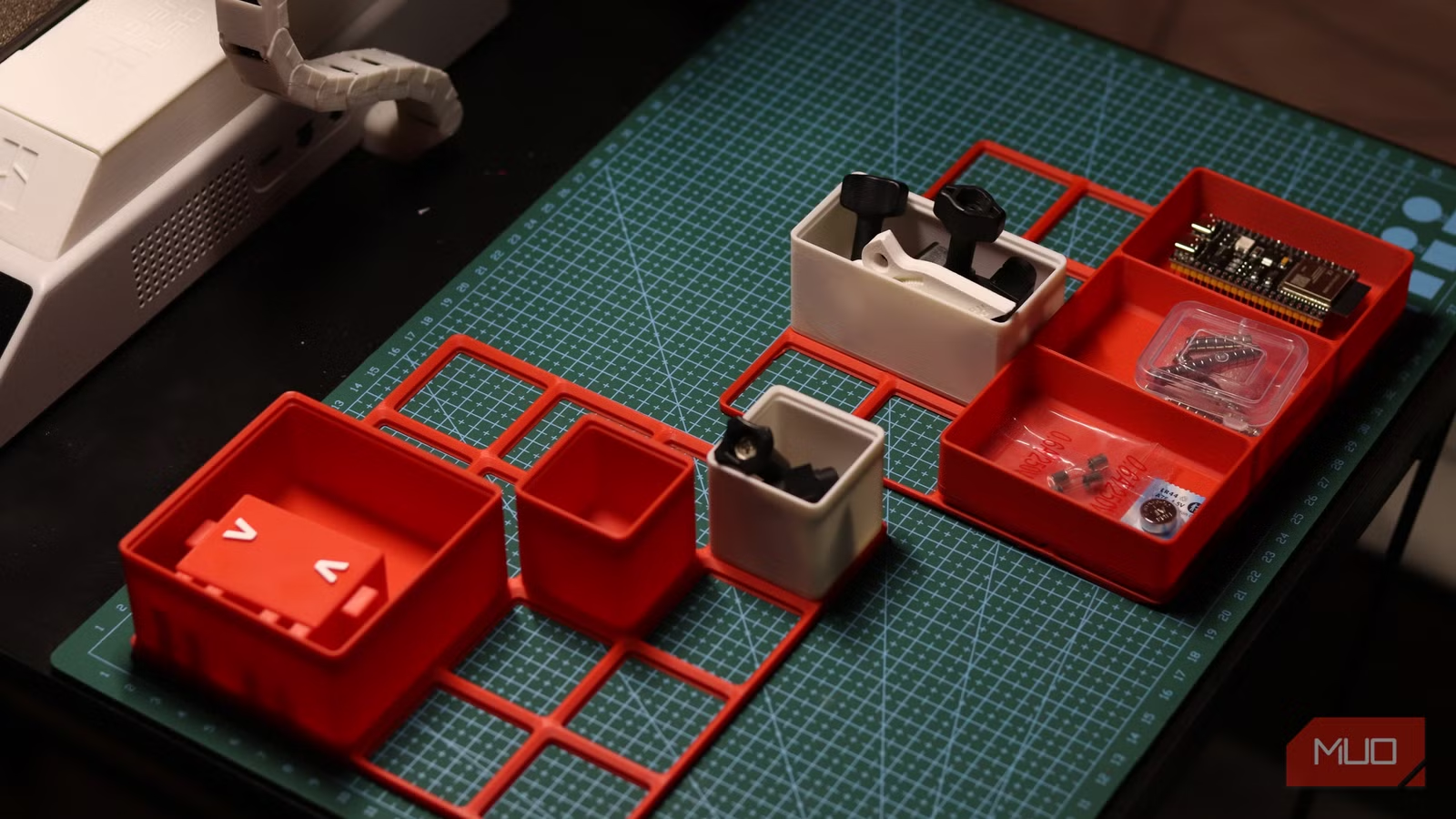
The Gridfinity 3D-printed organizer system dominates maker YouTube and Reddit feeds with its perfectly aligned bins and modular grids. After testing it on a Bambu Lab A1 mini, one thing became clear: the baseplate printing alone eats through filament faster than most users anticipate.
Zack Freedman created Gridfinity in 2022, and it spread through the maker community almost overnight. The concept is genuinely clever: an open-source, modular system built on a 42x42mm standard grid. Thousands of community-designed bins sit on free repositories like Printables, Thingiverse, and Maker World. Web-based generators let you create custom bins without touching CAD software.
Why does the Gridfinity baseplate use so much filament?
The baseplate is the hidden cost nobody talks about in those pristine workshop photos. Freedman's original design includes magnet holes, chunky edges, and enough material density to drain your spool. On a Bambu Lab A1 mini with its 180x180mm print bed, a single 4x4 grid consumes 20 to 25 grams of filament and roughly an hour of print time.
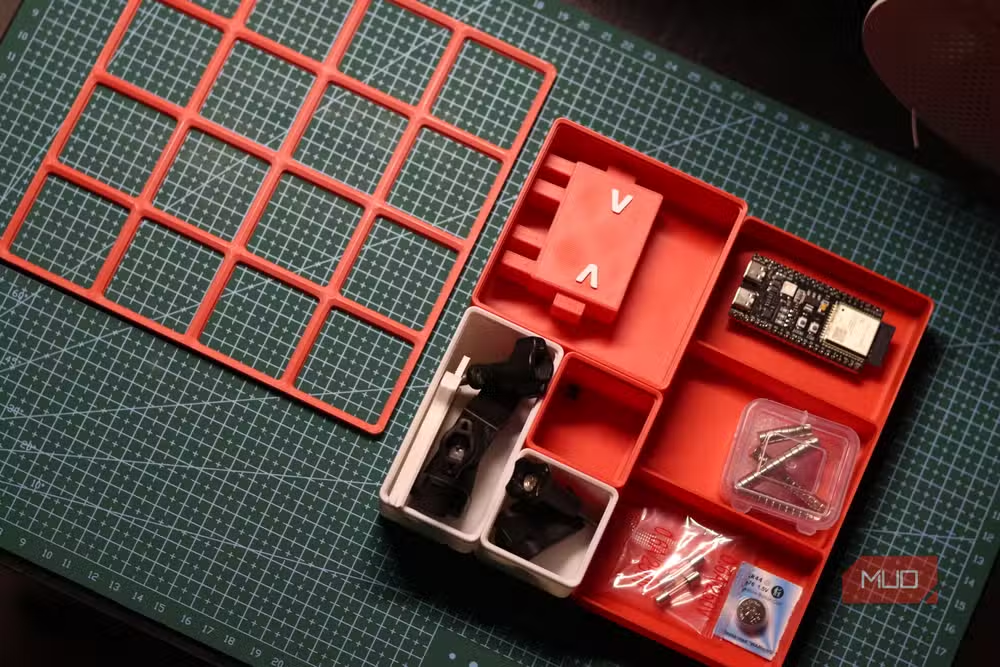
Scale that to a full drawer, desk surface, or tool wall, and you're looking at significant material costs. The promise of 3D printing to save money only holds if you're not burning through filament on infrastructure.
Print bed size determines your baseplate options
Smaller printers face an extra hurdle. The A1 mini maxes out at a 4x4 grid per print. Larger printers can produce bigger baseplates in one go, but anyone with a compact machine will need to print multiple grids and join them afterward. That adds time, introduces alignment challenges, and multiplies filament consumption.
Parametric generators like the Perplexing Labs Gridfinity Generator let you print thinner plates, which helps. But even the slimmest variants still require substantial material and print time for each grid section.
The open-source chaos problem
Gridfinity's open-source nature is both its strength and its trap. Hundreds of designers have created variations for everything: bins, baseplates, adapters, specialty holders. For someone new to 3D printing, the sheer volume of options feels overwhelming.
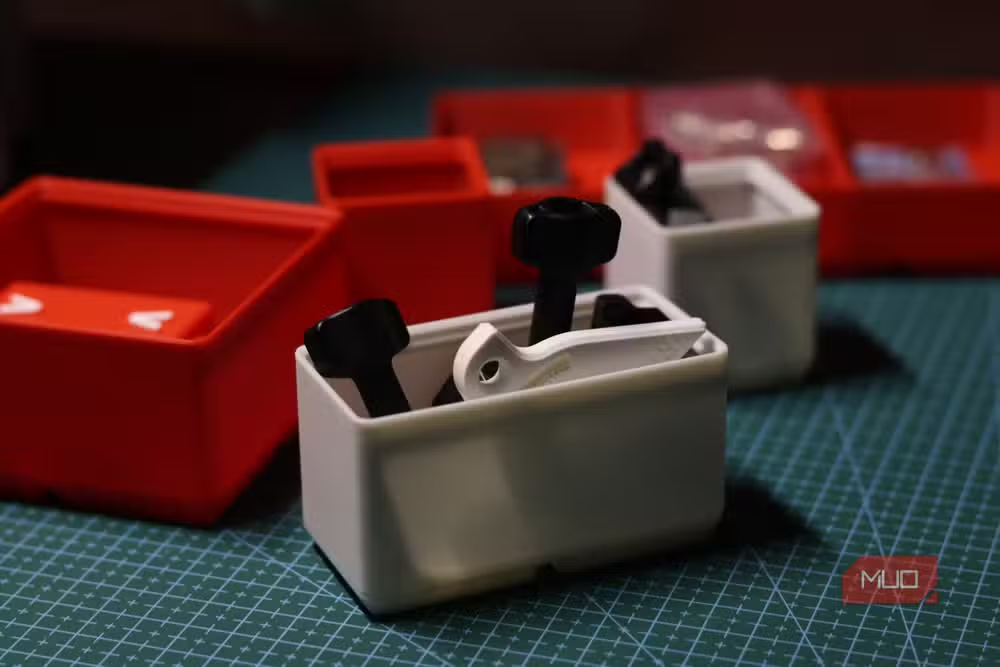
The components are technically compatible, but mixing designs from different creators produces a system that works fine functionally while looking inconsistent. Some baseplate variants use non-standard heights. Others skip features you might want. Without prior 3D design knowledge, navigating these choices takes real effort.
Is Gridfinity worth the filament cost?
The system does what it promises. Your workspace gets organized. Every tool has a home. The modular design lets you reconfigure as your needs change. For workshops where organization directly affects productivity, the investment makes sense.
But for casual users or anyone with limited filament budgets, the baseplate overhead deserves serious consideration before diving in. A full desk setup might consume an entire spool just in baseplates before you print your first bin.
AI tools like Claude can now generate 3D printing files, which makes creating custom Gridfinity components easier than ever. The barrier to entry keeps dropping. Whether that justifies the material cost depends on how much organization your space actually needs.
Logicity's Take
Gridfinity represents a broader pattern in maker culture: viral projects optimized for impressive photos rather than practical efficiency. The system works, but the community rarely discusses total cost of implementation. For most users, printing bins only and using existing containers as bases offers 80% of the benefit at 30% of the filament cost.
Budget-friendly workspace improvements that don't require a 3D printer
More maker projects where the ROI actually makes sense
Frequently Asked Questions
How much filament does a Gridfinity baseplate use?
A standard 4x4 Gridfinity baseplate uses 20-25 grams of filament and takes approximately one hour to print. Larger baseplates scale proportionally.
Can I use Gridfinity without printing baseplates?
Technically yes. The bins are designed to sit in baseplates, but some users skip them and place bins directly on surfaces or inside existing drawers. You lose the snap-in functionality and alignment benefits.
What print bed size do I need for Gridfinity?
A 180x180mm bed can print up to a 4x4 grid (168x168mm). Larger beds allow bigger single-piece baseplates. Smaller printers require printing multiple grids and joining them.
Are all Gridfinity designs compatible with each other?
The 42x42mm grid standard ensures basic compatibility, but variations in baseplate height and features between different designers can create inconsistencies in appearance and fit.
Is Gridfinity cheaper than buying organizers?
Depends on scale. Small setups can cost less than retail organizers. Large implementations may consume enough filament to exceed the cost of commercial alternatives.
Need Help Implementing This?
Planning a workshop organization project or evaluating 3D printing ROI for your makerspace? Logicity covers practical maker tech that delivers real productivity gains. Subscribe to our newsletter for weekly insights on hardware, automation, and workspace optimization.
Source: MakeUseOf
Huma Shazia
Senior AI & Tech Writer
Produced with AI assistance and reviewed by the Logicity editorial team. Learn more in our Editorial Policy.