Key Takeaways
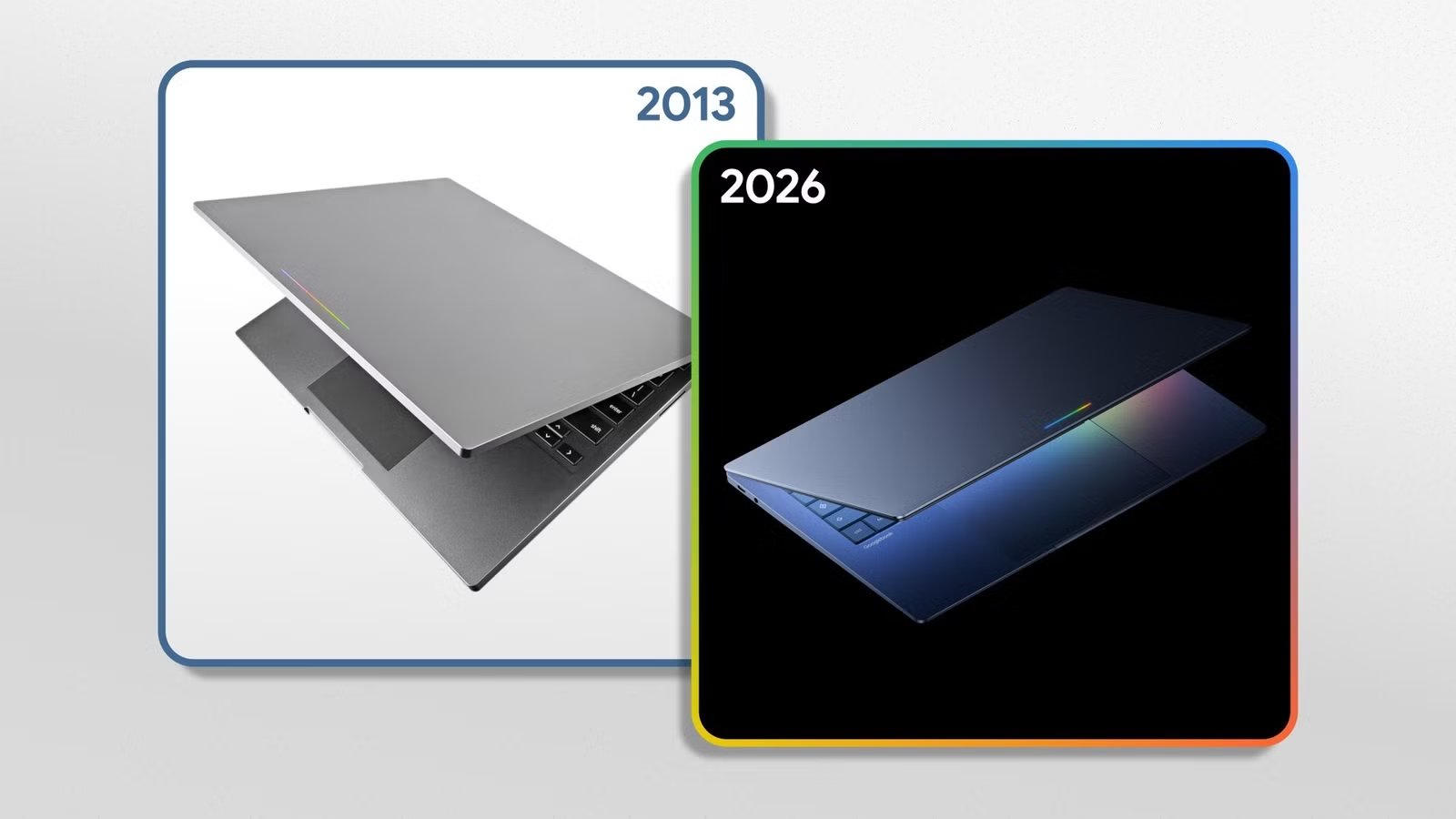
- The Googlebook merges Android, Chrome OS, and Gemini AI into one device
- Google's premium laptop history includes the abandoned Chromebook Pixel and Pixelbook lines
- The $1,300 Chromebook Pixel from 2013 received only one update before Google moved on
Google's New Premium Laptop Arrives With Familiar Concerns
Google has unveiled the Googlebook, its new flagship laptop that combines Android and Chrome OS with a heavy layer of Gemini AI. The device marks Google's latest attempt at premium hardware. But one tech journalist who loved Google's earlier efforts isn't buying.
Bertel King at How-To Geek argues the Googlebook repeats a pattern that burned early adopters before. Google makes attractive, expensive laptops. Then it stops supporting them.
The Chromebook Pixel Precedent
The original Chromebook Pixel launched in 2013 at $1,300. At the time, most Chromebooks cost around $200. The Pixel offered an all-metal design, a high-resolution display, and premium build quality that set it apart from the cheap plastic machines running Chrome OS.
King bought one. He loved it. The sleek, minimalist design made it a pleasure to use daily. But here's the catch: the expensive hardware didn't unlock new capabilities. The software experience was identical to budget Chromebooks. You paid more for nicer materials and a better screen, not for expanded functionality.
The Chromebook Pixel received exactly one hardware refresh in 2015. Then Google moved on. The device never became a permanent product line like Apple's MacBook.
A Pattern of Premium Abandonment
Google's track record with high-end laptops follows a consistent arc. The company launches gorgeous hardware at premium prices. Reviewers praise the design. Early adopters buy in. Then Google stops updating the line and shifts focus elsewhere.
This pattern makes the Googlebook a risky purchase despite its attractive design and the promise of unified Android, Chrome OS, and Gemini capabilities. Buyers who spend premium prices expect premium support. Google's history suggests that support may not last.
Logicity's Take
What the Budget Alternative Offers
For comparison, the Lenovo IdeaPad Flex 3i Chromebook sells for $280. It runs an Intel N100 processor with 4GB of RAM and 64GB of storage. Battery life hits 12 hours. The display is FHD IPS with touch support.
This budget option delivers the core Chrome OS experience without the premium price tag. If Google abandons the Googlebook line in two years, a $280 loss stings less than a $1,300 one.
A look at Google-era apps with surprising longevity
The Real Question: Will Google Stick Around?
The Googlebook merges three of Google's biggest software bets into one device. Android brings mobile apps. Chrome OS provides the lightweight, web-first operating system. Gemini adds AI capabilities across the experience.
On paper, that combination could justify a premium price. In practice, the value depends entirely on Google's commitment. Will the company iterate on this hardware for five years? Or will the Googlebook join the Chromebook Pixel as a beautiful footnote in Google's hardware experiments?
Potential buyers should watch for concrete support commitments before purchasing. Software update guarantees, hardware refresh schedules, and clear roadmaps would signal Google is serious this time.
Frequently Asked Questions
What is the Google Googlebook?
The Googlebook is Google's new premium laptop that combines Android, Chrome OS, and Gemini AI into a single device. It serves as a successor to the Chromebook line.
What happened to the Chromebook Pixel?
The Chromebook Pixel launched in 2013 at $1,300, received one hardware refresh in 2015, and was then discontinued. It never became a permanent product line.
Should I buy the Googlebook?
Google's history of abandoning premium laptop lines suggests caution. The company has not demonstrated long-term commitment to expensive hardware. Budget Chromebook alternatives deliver similar functionality at lower risk.
How is the Googlebook different from a Chromebook?
The Googlebook merges Android and Chrome OS with Gemini AI integration. Standard Chromebooks run Chrome OS alone without native Android app support or built-in AI features.
Need Help Implementing This?
Source: How-To Geek
Manaal Khan
Tech & Innovation Writer
Produced with AI assistance and reviewed by the Logicity editorial team. Learn more in our Editorial Policy.