Key Takeaways
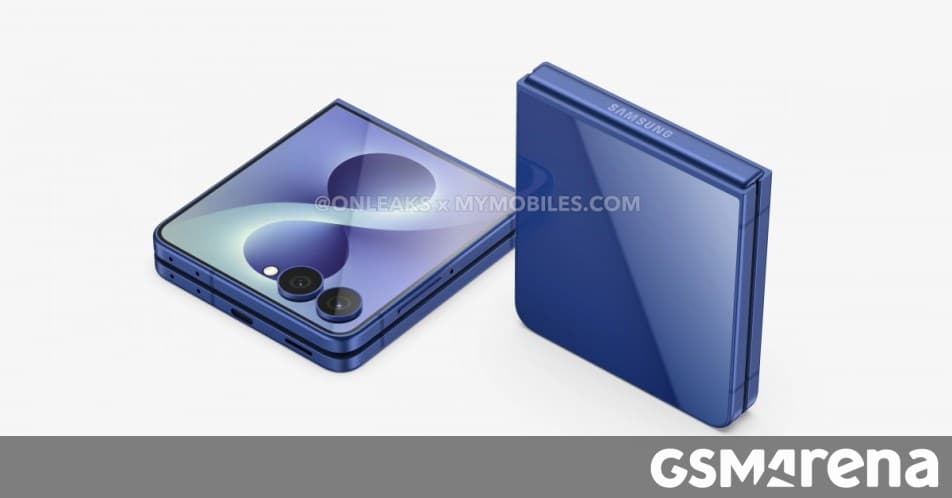
- FCC certification documents reveal the US Galaxy Z Flip8 will run on Qualcomm's Snapdragon 8 Elite Gen 5 chipset
- Only Korea and Europe will receive the Exynos 2600 variant
- The flagship chip may pose thermal challenges for the compact foldable form factor
The Samsung Galaxy Z Flip8 will ship with Qualcomm's Snapdragon 8 Elite Gen 5 processor in the United States, according to FCC certification documents analyzed by Android Authority. The filing references the SM8850 model number, Qualcomm's internal designation for its upcoming flagship mobile chip.
This confirms what leakers have suggested for months: Samsung's regional chipset split continues. US buyers, along with most of the world, get the Snapdragon. Korean and European customers receive the in-house Exynos 2600 instead.
What does the FCC filing actually reveal?
Samsung submitted the Galaxy Z Flip8 for FCC certification earlier this month, a routine step before any phone launches in the US market. These filings typically contain technical specifications that reveal hardware details before the official announcement.
The key discovery sits in the documentation's reference to SM8850. That's not a Samsung part number. It's Qualcomm's model designation for the Snapdragon 8 Elite Gen 5, the successor to the current Snapdragon 8 Elite that powers phones like the Galaxy S25 Ultra and OnePlus 13.
The chip is expected to use a 3nm manufacturing process, continuing the efficiency gains Qualcomm achieved with its current flagship silicon. Performance improvements over the already-fast 8 Elite remain unconfirmed, but generational upgrades typically bring both speed and power efficiency gains.
Is this much power overkill for a foldable?
Here's the tension: the Snapdragon 8 Elite Gen 5 is Qualcomm's most capable mobile processor. It's designed to compete with Apple's A-series chips in benchmarks and AI workloads. But the Galaxy Z Flip8 is a compact clamshell phone. Its form factor leaves less room for cooling hardware than a traditional slab phone.
This concern isn't theoretical. Some phones using the current Snapdragon 8 Elite already throttle under sustained loads because they can't dissipate heat fast enough. The compact chassis of a flip phone makes thermal management harder, not easier.
As one commenter on the original report put it: "An underclocked Exynos 2600 and Snapdragon 8 Gen 5 (non Elite) as chipset options would be better suited for Z Flip 8 because of thermal constraints." The counterargument: Samsung's thermal engineering has improved with each foldable generation, and most Flip users don't push sustained workloads like gaming or video exports.
Why does Samsung use different chips by region?
Samsung's dual-chipset strategy has frustrated enthusiasts for years. The company uses its own Exynos processors in some markets while shipping Qualcomm Snapdragon chips elsewhere. The official reasoning involves patent licensing agreements with Qualcomm that vary by region.
In practice, the split has created a two-tier experience. Snapdragon variants have historically performed better in benchmark tests, particularly in GPU-intensive tasks and sustained performance. Exynos chips have sometimes run hotter or drained battery faster under load.
Samsung has worked to close this gap. The Exynos 2400 in the Galaxy S24 series received better reviews than its predecessors. But perception persists: if you want the best Samsung phone, buy the Snapdragon version.
What else do we know about the Galaxy Z Flip8?
Beyond the chipset, rumors point to genuine hardware improvements. The Flip8 allegedly features a crease-free display, addressing the most common complaint about foldable phones. A new hinge design reportedly makes this possible.
Storage options remain unchanged at 256GB and 512GB. Color choices include Cream, Graphite, Mint, and Pink. Based on pricing trends from the Flip7, expect the US model to start around $1,099 or higher.
Samsung hasn't announced a launch date, but the company typically unveils new foldables at its summer Unpacked event, usually in July or August. The FCC certification suggests that timeline remains on track.
The Fold8 Ultra leak reveals Samsung's broader foldable strategy for this generation
Should US buyers feel lucky or concerned?
Getting Qualcomm's top chip sounds like a win. And for most users, it is. The Snapdragon 8 Elite Gen 5 will handle anything you throw at a phone, with computational headroom for years of software updates.
But the thermal question deserves monitoring. If Samsung can't manage heat effectively, the phone might throttle to Exynos-level performance anyway, just with worse battery life from the initial power spike. Real-world reviews will matter more than spec sheets here.
Frequently Asked Questions
What chipset will the US Galaxy Z Flip8 use?
The US model will use Qualcomm's Snapdragon 8 Elite Gen 5, identified by its SM8850 model number in FCC documents.
Which regions get the Exynos version of the Galaxy Z Flip8?
According to reports, only Korea and Europe will receive the Galaxy Z Flip8 with Samsung's Exynos 2600 processor.
When will the Samsung Galaxy Z Flip8 launch?
Samsung hasn't announced a date, but based on previous years, expect an unveiling at the summer Unpacked event in July or August 2025.
Will the Galaxy Z Flip8 have a crease-free display?
Rumors indicate Samsung has developed a new hinge and display that eliminates the visible crease, though this hasn't been officially confirmed.
How much storage will the Galaxy Z Flip8 offer?
Reports suggest 256GB and 512GB storage options, consistent with the previous generation.
Logicity's Take
Samsung putting its fastest chip in its most thermally constrained phone is either confidence or hubris. The Flip8's success depends on whether Samsung's engineers solved the heat problem or just decided to ship it anyway. For most users who scroll social media and take photos, the chip won't matter. For the subset who bought a flip phone and still want to game, the first teardown videos will tell us if Samsung gave them a throttle-fest or a genuine pocket rocket.
Need Help Implementing This?
If you're building mobile apps and need to optimize for flagship Snapdragon performance, or if you're evaluating device procurement for enterprise deployment, reach out to our team at Logicity for guidance on hardware selection and development strategies.
Source: GSMArena.com / Vlad
Huma Shazia
Senior AI & Tech Writer
Produced with AI assistance and reviewed by the Logicity editorial team. Learn more in our Editorial Policy.