Key Takeaways
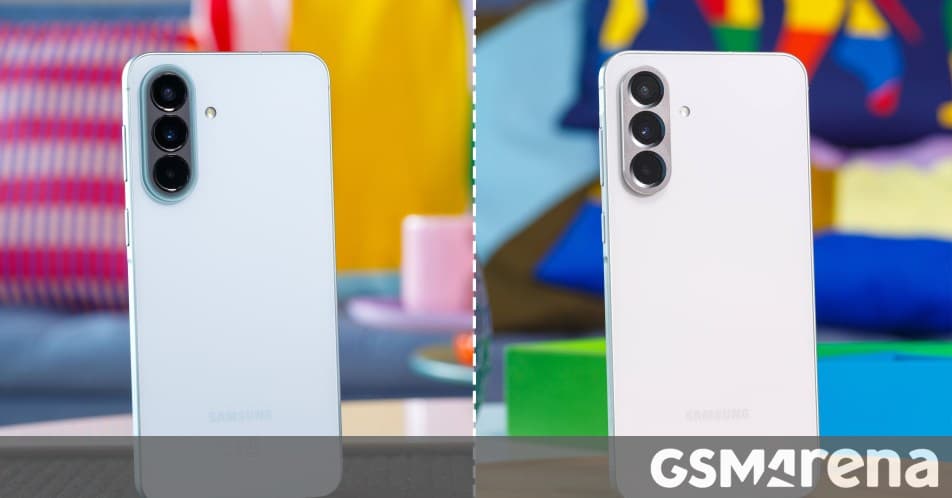
- The Galaxy A57 is noticeably thinner and lighter than the A56, measuring 6.9mm versus 7.4mm
- Battery life improves on the A57 for screen-on tasks, but the A56 lasts longer on voice calls
- Both phones share nearly identical displays despite Samsung's marketing of a 'new' panel on the A57
Samsung's Galaxy A series dominates the mid-range smartphone market. When the Galaxy A57 launched recently, it raised an obvious question: should you buy the new model or save money with the still-capable Galaxy A56?
The answer depends on what you value. The A57 brings a slimmer body, improved water resistance, and better battery endurance for streaming. The A56 counters with a lower price and nearly identical core specs. Let's break down what actually changed.
Design: Thinner, Lighter, Tougher
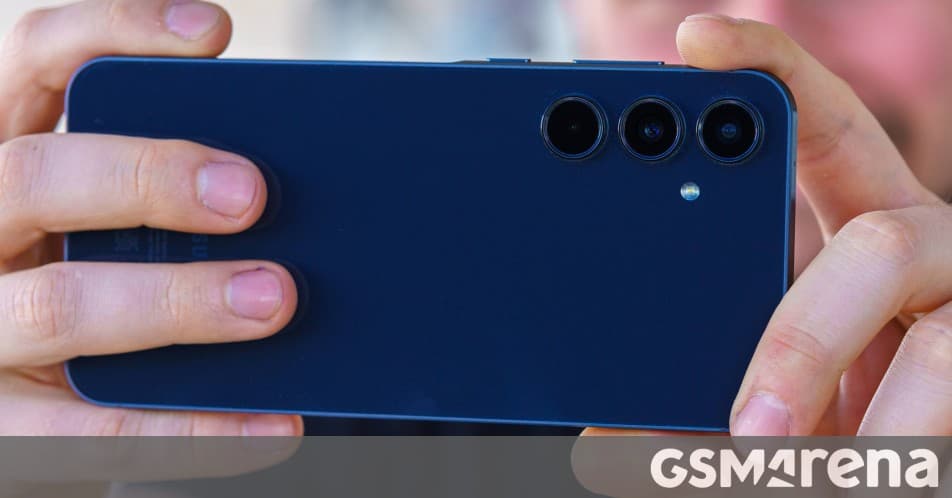
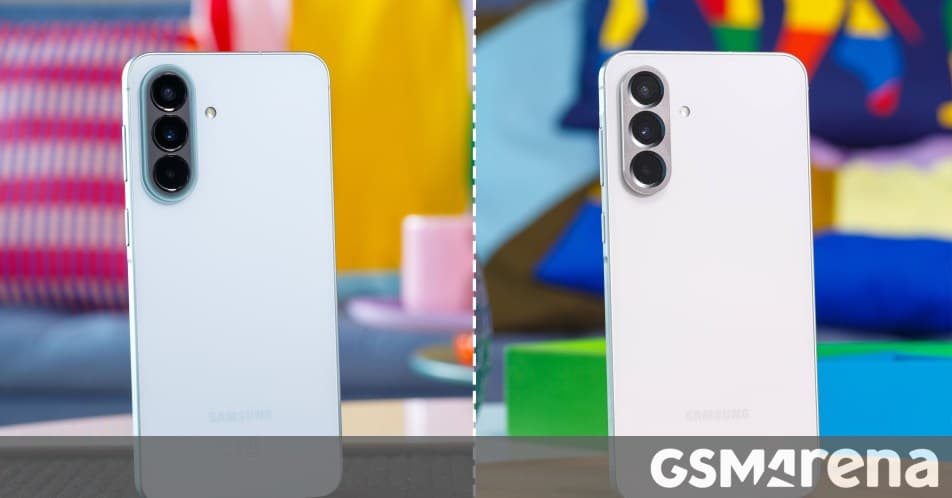
The Galaxy A57 follows Samsung's 2025 design philosophy from the flagship S series. It's noticeably thinner and lighter than the A56. The A57 measures 6.9mm thick compared to the A56's 7.4mm. That 0.5mm difference sounds small on paper but feels substantial in hand.
Samsung also trimmed the bezels slightly. The A57 is narrower and shorter than its predecessor without sacrificing screen size. Both phones still use Gorilla Glass Victus+ on front and back.
Water resistance gets a bump. The A57 carries an IP68 rating, up from IP67 on the A56. This means the newer phone can handle submersion in deeper water for longer periods. For most users, this difference won't matter. But if you're near pools or beaches often, IP68 offers extra peace of mind.
Display: Marketing vs Reality
Samsung markets the A57 with a "Super AMOLED+" display. The company claims it uses a standard RGB subpixel matrix instead of the Diamond Pentile arrangement found on the A56. In theory, RGB should deliver sharper text and cleaner images.
In practice? The difference is invisible. GSMArena's brightness tests show identical results between both phones. Even comparing the devices side by side reveals no practical distinction. For all purposes, the A57 and A56 feature the same display quality.
Logicity's Take
Battery Life: A57 Wins on Screen Time
Both phones pack 5,000 mAh batteries with 45W fast charging over Power Delivery. Charging times are nearly identical. The A57 finishes about 4 minutes faster, but that falls within margin of error.
The real difference shows up in usage patterns. The A57 posts higher scores in overall active use testing. It excels particularly in video streaming scenarios. Whether this improvement comes from the newer chipset, display optimization, or software tweaks isn't clear. But the result is consistent: the A57 lasts longer with the screen on.
Here's the twist: the A56 outlasts the A57 on voice calls. During 4G call testing, the older phone delivers better runtimes. If you spend hours on the phone daily, the A56 might actually serve you better.
| Feature | Galaxy A57 | Galaxy A56 |
|---|---|---|
| Thickness | 6.9mm | 7.4mm |
| Water Resistance | IP68 | IP67 |
| Battery Capacity | 5,000 mAh | 5,000 mAh |
| Fast Charging | 45W PD | 45W PD |
| Screen-On Battery | Better | Good |
| Voice Call Battery | Good | Better |
| Display Panel | Super AMOLED+ | Super AMOLED |
| Glass Protection | Gorilla Glass Victus+ | Gorilla Glass Victus+ |
Speakers: Similar Volume, Better Quality
Both phones rate as "Good" in loudness tests. The speakers appear virtually identical in output levels. However, sound quality tells a different story.
The A57 delivers cleaner audio with slightly reduced bass prominence. Music tracks sound more balanced. For media consumption, the A57 offers a modest but noticeable improvement.
Chipset and AI Features
The A57 runs Samsung's newer Exynos 1680 processor built on a 3nm process. According to industry analysis, the NPU delivers a 42% performance jump for AI tasks compared to the Exynos 1580 in the A56.
“We are bringing flagship-level AI features to the mid-range segment to redefine everyday productivity.”
— Samsung Representative, Product Strategy
Samsung promises 7 years of software support for the A57, setting a new benchmark for mid-range devices. This extended support timeline could justify the price premium for buyers planning to keep their phone long-term.
The Value Question
The Galaxy A56 remains highly capable. It shares the same display quality, identical charging speeds, and comparable speaker volume. The A57's advantages, which include a thinner body, better screen-on battery life, and improved audio quality, are real but incremental.
Community sentiment on Reddit and tech forums reflects this view. Most consider the A57 "evolutionary" rather than "revolutionary." Current A56 owners see no compelling reason to upgrade. New buyers increasingly favor the A56 for its price-to-performance ratio.
✅ Pros
- • Thinner, lighter design feels premium in hand
- • IP68 rating offers better water protection
- • Improved battery life for video streaming and screen-on tasks
- • Better speaker sound quality
- • 7 years of promised software support
❌ Cons
- • Display quality identical to the cheaper A56
- • Worse battery life during voice calls
- • Charging speed unchanged from previous generation
- • Price premium may not justify incremental upgrades
Who Should Buy Which?
Buy the Galaxy A57 if you value a slim design, plan to keep your phone for 5+ years, and primarily use your phone for streaming video. The improved screen-on battery life and extended software support make the premium worthwhile.
Buy the Galaxy A56 if you want the best value in Samsung's mid-range lineup. The display, core features, and overall experience match the A57. You'll save money and get better battery life for voice calls.
Skip both if you already own an A56. The upgrade offers too little to justify the cost.
Considering Samsung's foldable alternative? Compare the latest flip phones.
Frequently Asked Questions
Is the Samsung Galaxy A57 waterproof?
The Galaxy A57 carries an IP68 rating, meaning it can withstand submersion in 1.5 meters of water for up to 30 minutes. This is an upgrade from the A56's IP67 rating.
How long will Samsung support the Galaxy A57?
Samsung promises 7 years of software support for the Galaxy A57, including OS updates and security patches. This matches flagship-level support commitments.
Does the Galaxy A57 have a better display than the A56?
Despite Samsung's marketing of a "Super AMOLED+" panel, real-world testing shows no practical difference between the A57 and A56 displays. Brightness and clarity are identical.
Which phone has better battery life, A57 or A56?
It depends on your usage. The A57 lasts longer for video streaming and screen-on tasks. The A56 delivers better battery life during voice calls.
Is it worth upgrading from Galaxy A56 to A57?
For most A56 owners, no. The improvements are incremental. The A57 makes more sense for new buyers who prioritize design and long-term software support.
Need Help Implementing This?
Source: GSMArena.com / Ro
Manaal Khan
Tech & Innovation Writer
Produced with AI assistance and reviewed by the Logicity editorial team. Learn more in our Editorial Policy.