Key Takeaways
- The Razr Plus 2026 costs $1,099, matching the Galaxy Z Flip 7 exactly
- Motorola's flip phone beats Samsung on battery size (4,500mAh), charging speed, and cover screen functionality
- The three-year-old Snapdragon 8s Gen 3 processor is the main weakness
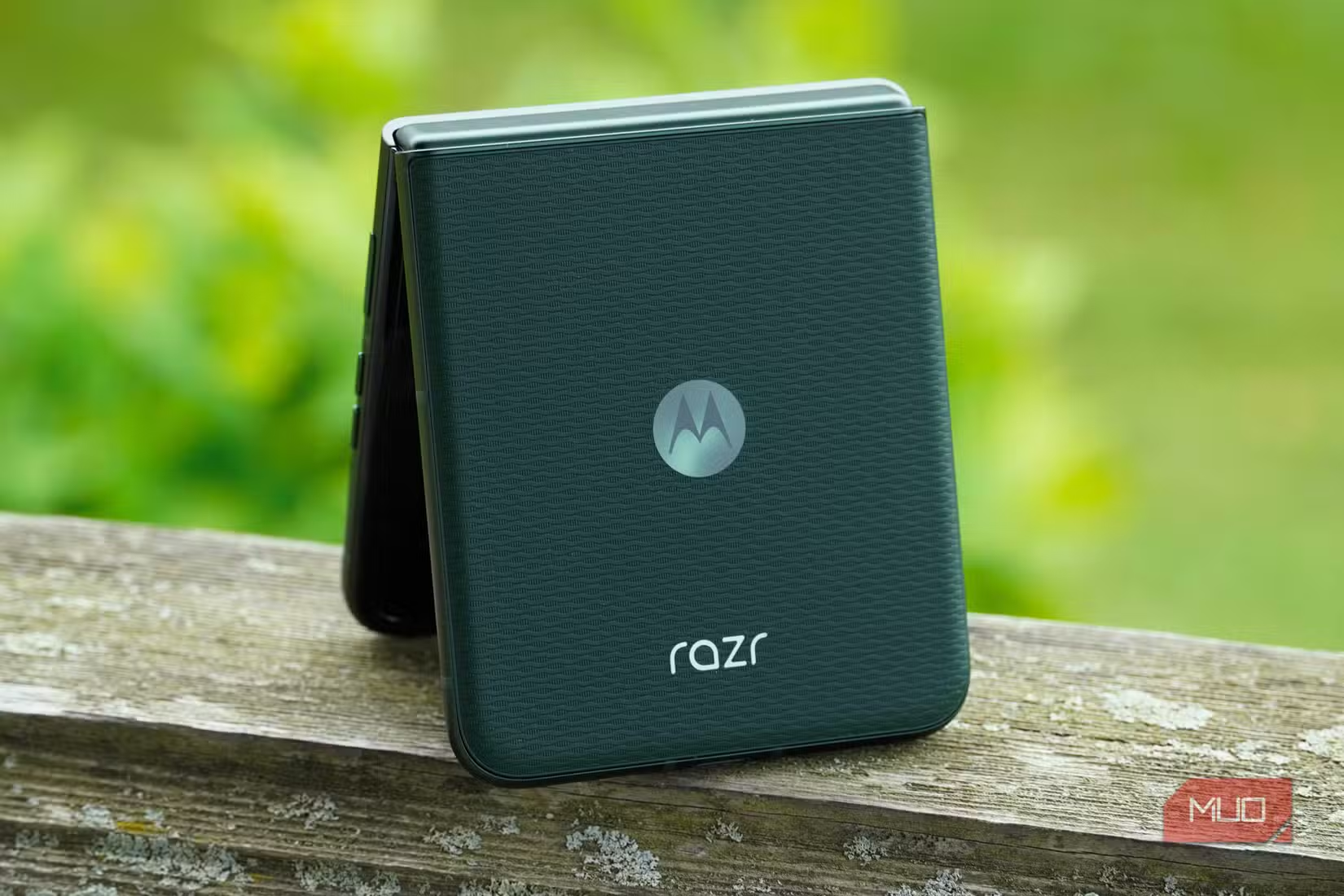
The Motorola Razr Plus 2026 sits in an awkward spot. It costs $100 more than last year's model, reuses a processor that debuted in 2023, and occupies the middle tier of Motorola's own three-phone lineup. On paper, it's easy to dismiss. In practice, it might be the smartest flip phone purchase you can make right now.
MakeUseOf's Brady Snyder spent two weeks with the Razr Plus 2026 alongside its siblings, the standard Razr 2026 ($799) and the Razr Ultra 2026 ($1,499). He also revisited Samsung's Galaxy Z Flip 7 for comparison. His conclusion: the Razr Plus 2026 is "the Goldilocks flip phone. It's nothing special, but also just right."
The Price Problem That Isn't
At $1,099, the Razr Plus 2026 matches the Galaxy Z Flip 7 dollar for dollar. That identical pricing flips the conversation from "why pay more" to "which phone wins at this price." The answer depends on what you value.
| Feature | Razr Plus 2026 | Galaxy Z Flip 7 |
|---|---|---|
| Price | $1,099 | $1,099 |
| Battery | 4,500mAh | Smaller (unspecified) |
| Processor | Snapdragon 8s Gen 3 | Newer chip |
| RAM / Storage | 12GB / 256GB | Not specified |
| Rear Cameras | Dual 50MP | Standard |
| Cover Screen Apps | Unrestricted Android apps | Limited support |
| Thickness | Thicker | Thinner |
The Razr Plus 2026 wins on battery capacity, charging speed, camera resolution, and cover screen functionality. Samsung wins on processor freshness and thinness. For most users, the Motorola advantages matter more in daily use than raw chip benchmarks.
What Motorola Gets Right
The 4,500mAh battery is the headline improvement. It's the largest in any flip phone at this price point, and fast charging means you can recover from a dead battery quickly. For foldable buyers who've worried about battery life, this addresses a real pain point.
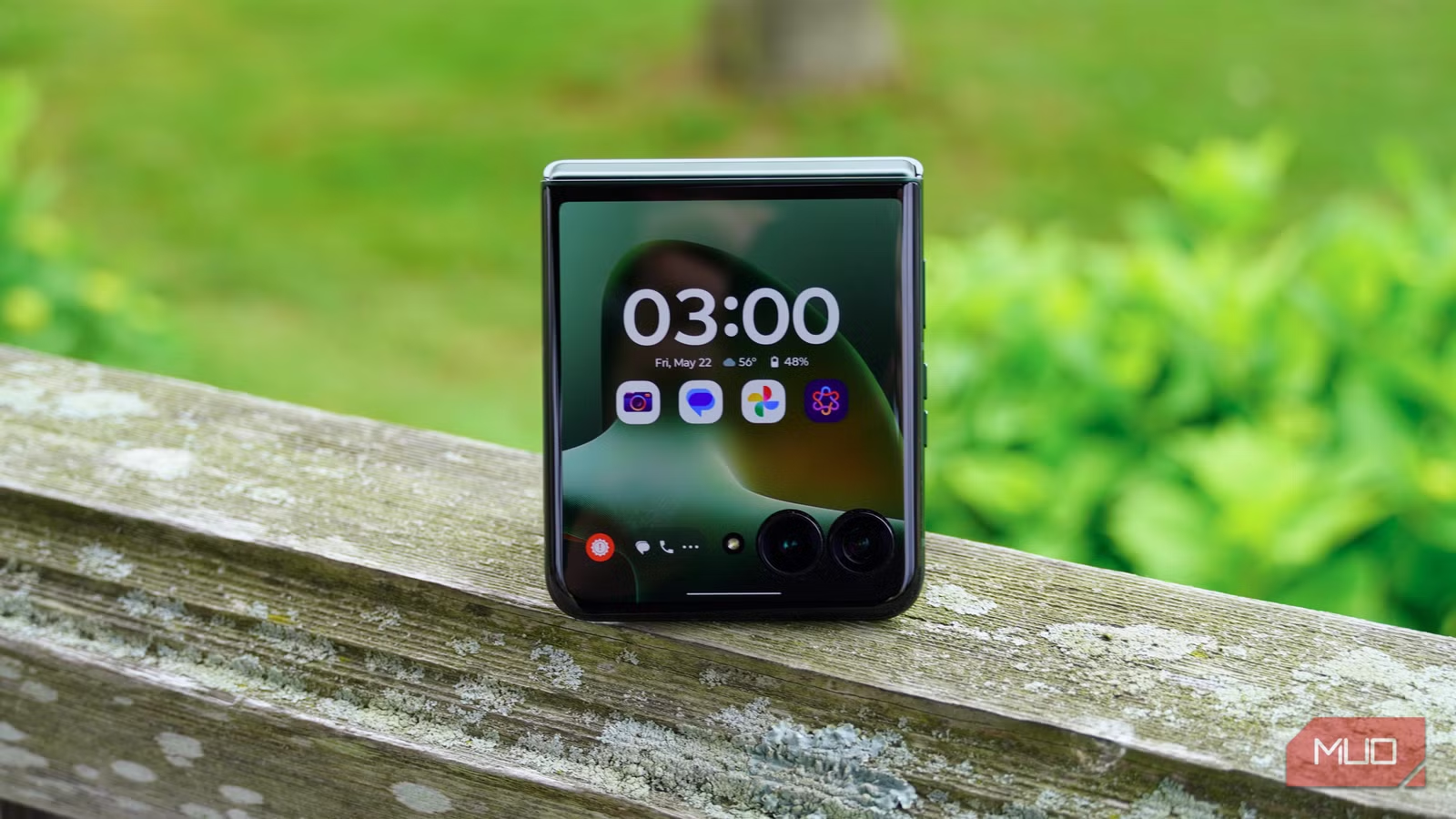
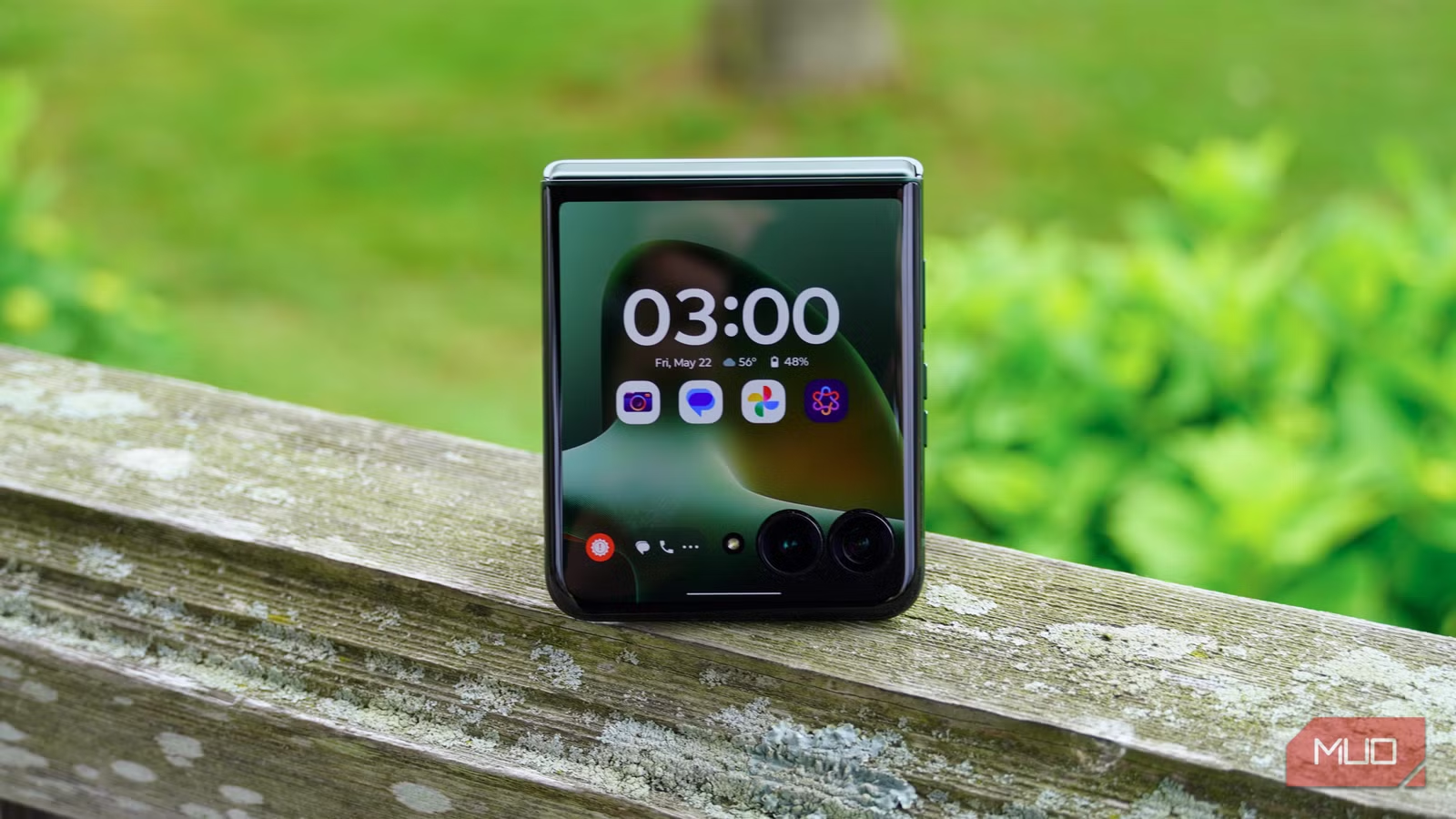
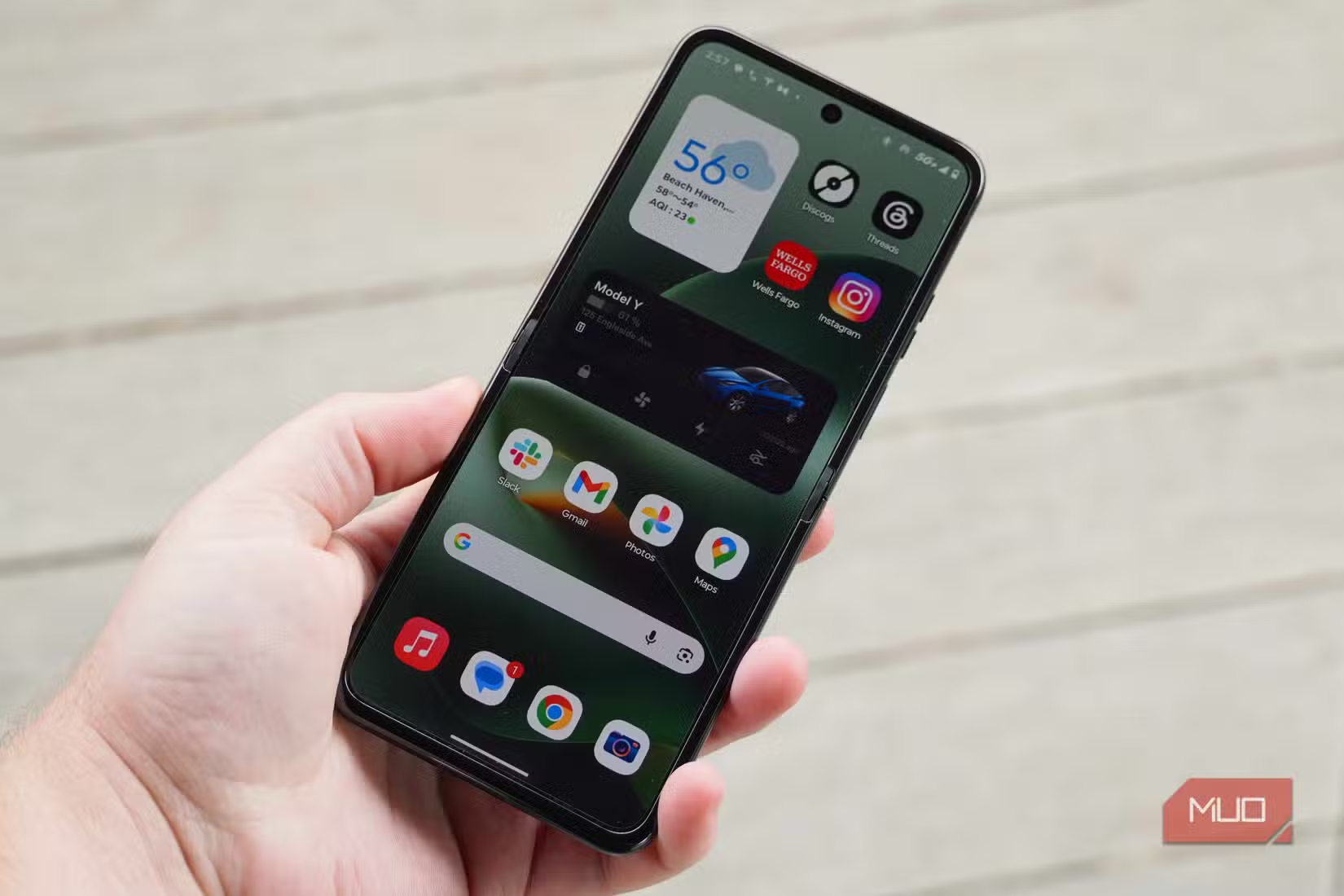
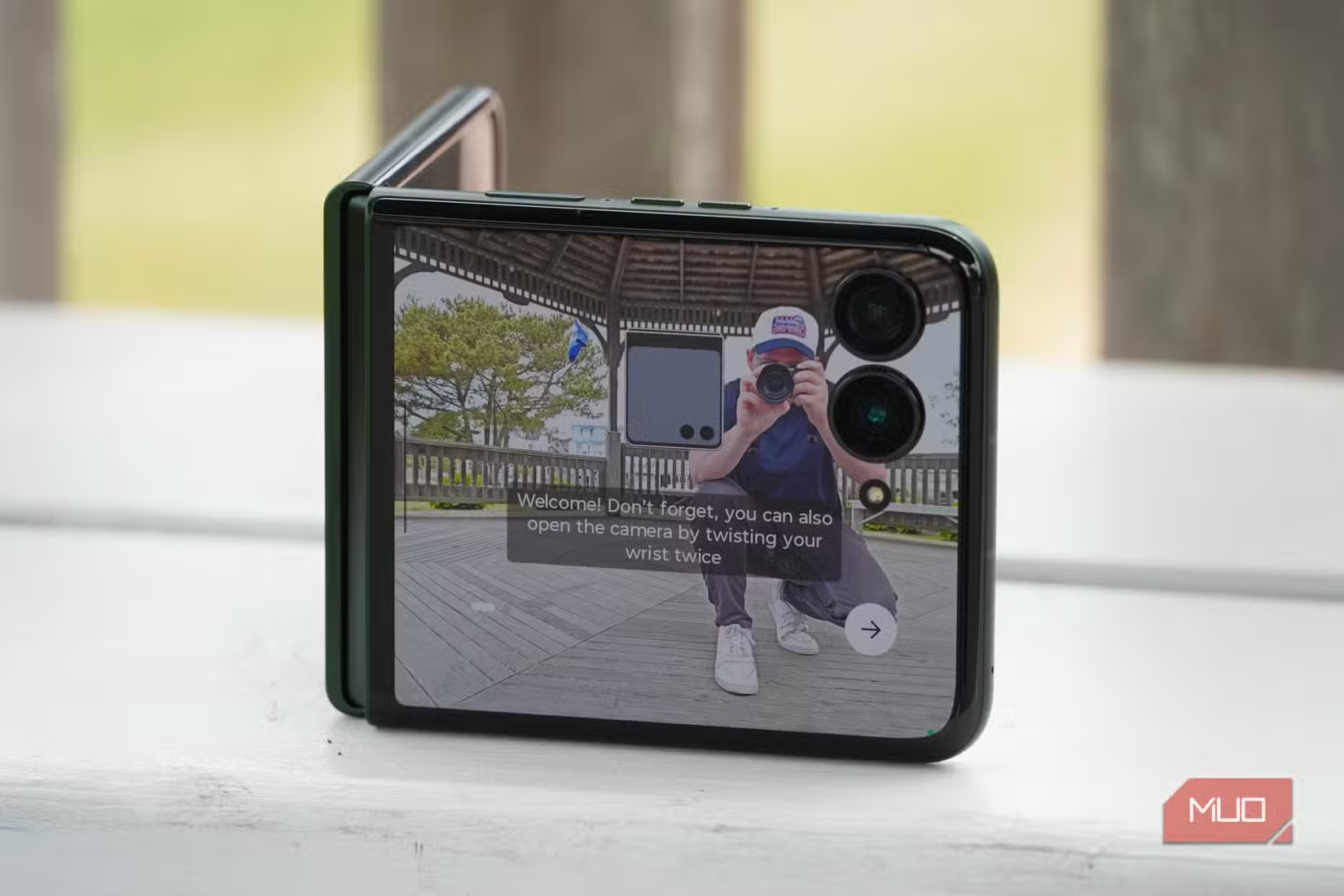
The 4-inch cover screen offers unrestricted Android app support. Unlike Samsung's limited approach, Motorola lets you run any app on the outer display. Reply to messages, check maps, scroll through feeds. All without unfolding the phone.
Dual 50MP rear cameras handle high-resolution mobile photography better than you'd expect from a flip phone. The camera system isn't competing with flagship slabs, but it's more than adequate for social media and everyday shots.
The Processor Question
Here's the uncomfortable truth: Motorola is using the Snapdragon 8s Gen 3 for the third consecutive year. In a $1,099 phone released in 2026, that's hard to justify. The chip works fine for most tasks, but it raises questions about software support longevity and resale value.
Paired with 12GB of RAM and 256GB of storage, the specs feel dated rather than premium. Reddit discussions on r/razr and r/motorola reflect this tension. Users praise the build quality and software refinements but question whether incremental upgrades justify the $100 price increase over the 2025 model.
✅ Pros
- • Largest battery in its class at 4,500mAh
- • Fast charging outpaces Samsung
- • 4-inch cover screen runs any Android app
- • Dual 50MP cameras for quality mobile photography
- • Matches Galaxy Z Flip 7 pricing
❌ Cons
- • Three-year-old Snapdragon 8s Gen 3 processor
- • Smallest battery in Motorola's own 2026 lineup
- • Thicker than Samsung's flip phone
- • $100 price increase over 2025 model
Where It Fits in Motorola's Lineup
Motorola now offers a clear good-better-best structure. The Razr 2026 starts at $799 for budget-conscious buyers. The Razr Plus 2026 hits $1,099 as the mainstream option. The Razr Ultra 2026 reaches $1,499 for those wanting top specs regardless of price.
The Plus model makes sense for buyers who want a capable flip phone without Ultra pricing. It's the "sensible option," as Snyder describes it. Not exciting. Not cutting-edge. Just competent where it matters.
“The Razr Plus 2026 isn't the flashiest foldable, but it's the one you should actually buy.”
— Brady Snyder, Technology Journalist at MakeUseOf
Motorola's Foldable Market Position
The broader context matters here. Motorola now holds an estimated 50% of the U.S. foldable market, positioning it as the current leader over Samsung. Globally, the company's foldable share reached 14% in early 2026, up from roughly 6% in 2024. In Latin America, Motorola dominates with 55% share.
This growth reflects Motorola's strategy shift. The company has prioritized tactile design choices like Alcantara and wood finishes to differentiate from Samsung's industrial aesthetic. One industry analyst noted that "Motorola has turned the Razr into an accessory as much as a tool, and that personality shift is finally paying off in the numbers."
Who Should Buy This Phone
If you own a Razr Plus 2024 or 2025, skip this upgrade. The changes don't justify the cost. But if you're new to foldables or coming from a traditional smartphone, the Razr Plus 2026 deserves serious consideration.
It beats the Galaxy Z Flip 7 in practical daily-use features: battery life, charging speed, cover screen functionality. It loses on future-proofing due to the aging processor. That tradeoff works for buyers who plan to upgrade in two to three years anyway.
The phone goes on sale May 21, 2026, available through Motorola and Best Buy.
Logicity's Take
Frequently Asked Questions
Is the Razr Plus 2026 better than the Galaxy Z Flip 7?
For most users, yes. It has a larger 4,500mAh battery, faster charging, and better cover screen app support at the same $1,099 price. Samsung wins only on processor freshness and thinness.
Why does the Razr Plus 2026 use an old processor?
Motorola has used the Snapdragon 8s Gen 3 for three straight years. The company hasn't explained why, but it keeps costs manageable while focusing on features like battery size and cover screen functionality.
Should I upgrade from the Razr Plus 2025?
No. The improvements are minimal, and the $100 price increase makes the upgrade hard to justify for existing Razr Plus owners.
What's the difference between Razr Plus and Razr Ultra 2026?
The Razr Ultra 2026 costs $1,499 compared to $1,099 for the Plus. It offers a larger battery, newer processor, and premium materials. The Plus is positioned as the mainstream option.
When does the Razr Plus 2026 go on sale?
The phone launched on May 21, 2026, available through Motorola's website and Best Buy.
More practical tech tips for getting the most from your hardware
Need Help Implementing This?
Source: MakeUseOf
Manaal Khan
Tech & Innovation Writer
Produced with AI assistance and reviewed by the Logicity editorial team. Learn more in our Editorial Policy.