Key Takeaways
- Flipper One runs a full Linux distribution with desktop capabilities
- The device features M.2 expansion for 5G modems, SSDs, and other modules
- Flipper Devices has opened a developer portal for community contributions
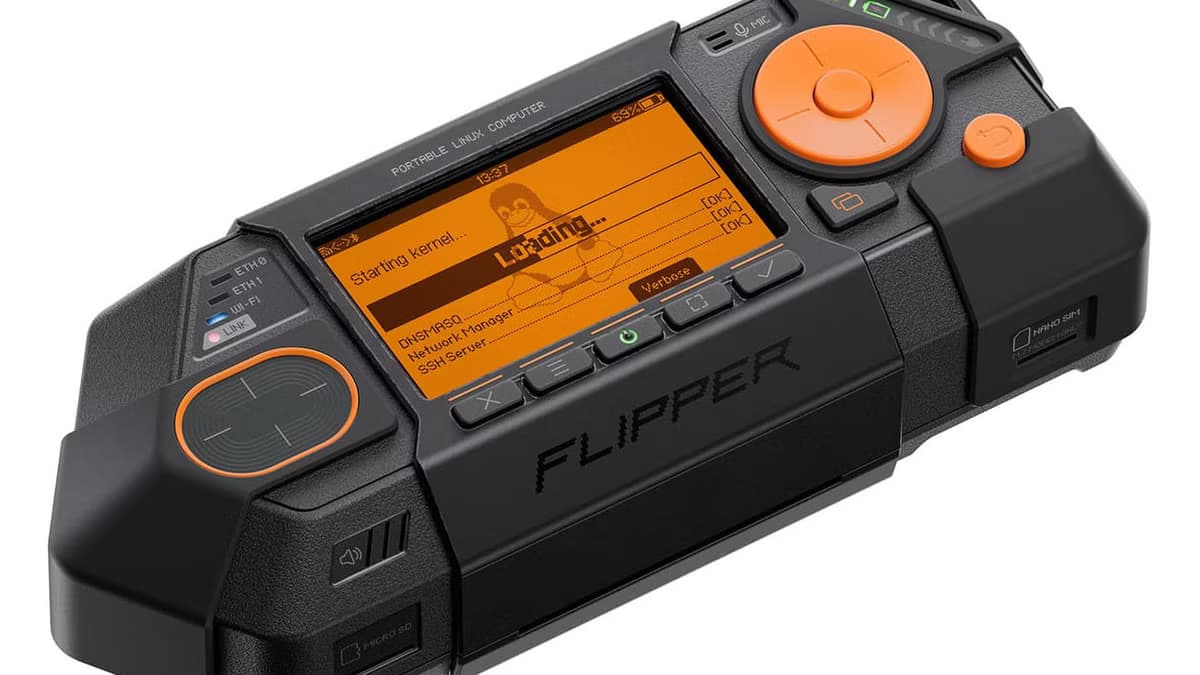
The Flipper Zero made a name for itself as the Swiss Army knife of radio signals. It can clone access cards, mess with infrared devices, and yes, change channels on public TVs. Now Flipper Devices has announced its sibling: the Flipper One, a modular Linux device aimed at network analysis rather than radio hacking.
The announcement came on May 21, 2026. But there's a catch. Flipper One isn't ready for release. The company has opened a developer portal and is asking the community for help building it out.
What Is Flipper One?
Flipper One is a modular Linux cyberdeck. That means it can run a full Linux distribution. Connect a monitor and peripherals, and you've got a complete desktop experience in a handheld form factor.
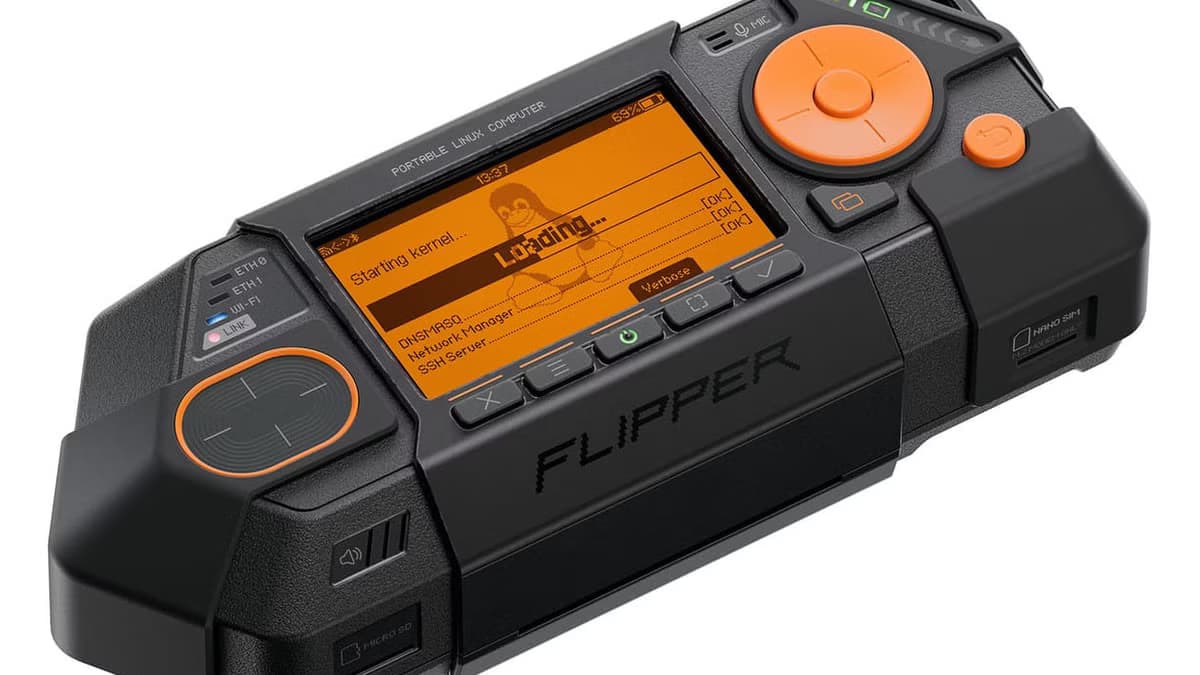
The hardware focuses on networking. It includes Gigabit Ethernet, USB Ethernet, and Wi-Fi 6E. The M.2 expansion slot is the real selling point. You can add a 5G modem, an SSD, or various other modules depending on your needs.
Flipper Devices describes it as an "open Linux platform you can build almost anything on." Their examples include a 5G-enabled IP network analyzer and an SDR-powered radio signal analyzer with local AI capabilities.
Flipper One vs Flipper Zero
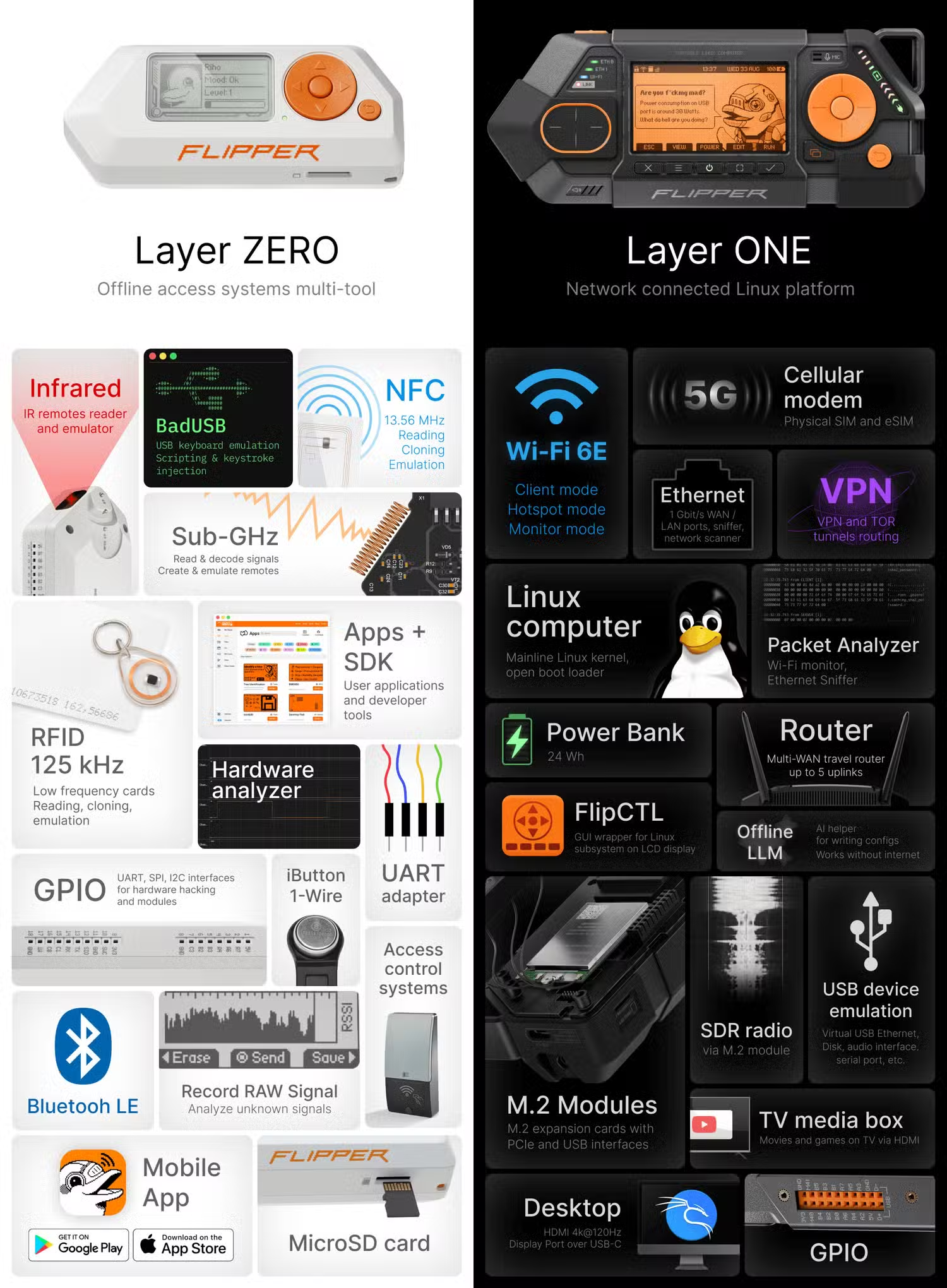
The company is clear about one thing: Flipper One does not replace Flipper Zero. The two devices serve different purposes.
Flipper Zero is an "offline access system multi-tool." It deals with physical signals like radio waves, NFC, and infrared. It's the device you use to interact with the physical world around you.
Flipper One is a networked device. It's built for tasks that require internet connectivity, processing power, and modularity. Think penetration testing, network analysis, and custom cybersecurity tools.
Why Flipper Needs Help
The announcement came with an unusual request. Flipper Devices wants the community to help finish the product. They've opened a developer portal where anyone can contribute to the project.
This approach makes sense given the device's ambitions. Building a flexible Linux platform that works across countless use cases requires input from people who will actually use it. Penetration testers, network engineers, and security researchers all have different needs.
The open development model also fits the hacker ethos that made Flipper Zero popular. That device thrived because its community built custom firmware, shared techniques, and pushed its capabilities beyond what the original developers imagined.
The Modular Advantage
The M.2 slot is what sets Flipper One apart from other portable Linux devices. M.2 is the same standard used in laptops for SSDs and wireless cards. It's well-documented, widely supported, and has a large ecosystem of compatible hardware.
- 5G modems for mobile network analysis
- SSDs for local storage and data capture
- SDR modules for software-defined radio
- Custom hardware for specialized applications
This modularity means the device can evolve. As new M.2 modules hit the market, Flipper One gains new capabilities without hardware redesigns.
Logicity's Take
What This Means for Security Professionals
Portable network analysis tools exist, but they usually involve compromises. Laptops are powerful but bulky. Raspberry Pi setups are compact but require assembly and configuration. Purpose-built devices like WiFi Pineapple focus on specific tasks.
Flipper One aims to combine the flexibility of a Linux laptop with the portability of a handheld device. If the execution matches the ambition, it could simplify kit bags for penetration testers and security auditors.
More on what's possible with Linux-based tools
No Release Date Yet
Flipper Devices hasn't announced when Flipper One will ship or what it will cost. Given that they're still recruiting developers, the device is likely months away from production at minimum.
The company's transparency about the device's unfinished state is refreshing. Rather than overpromising and underdelivering, they're setting expectations early: this is a work in progress, and they need help completing it.
Frequently Asked Questions
Does Flipper One replace Flipper Zero?
No. Flipper Devices says the two are meant to work alongside each other. Flipper Zero handles offline radio signals, while Flipper One focuses on networked tasks and runs full Linux.
What can you do with Flipper One?
It's designed for network analysis, penetration testing, and custom cybersecurity tools. The M.2 slot allows adding 5G modems, SSDs, or SDR modules for specialized applications.
When will Flipper One be available?
No release date has been announced. The company is still in the development phase and is actively recruiting community developers to help finish the project.
How can I contribute to Flipper One development?
Flipper Devices has opened a developer portal where anyone can contribute to the project. Check their official website for access details.
Need Help Implementing This?
Source: MakeUseOf
Huma Shazia
Senior AI & Tech Writer
Produced with AI assistance and reviewed by the Logicity editorial team. Learn more in our Editorial Policy.