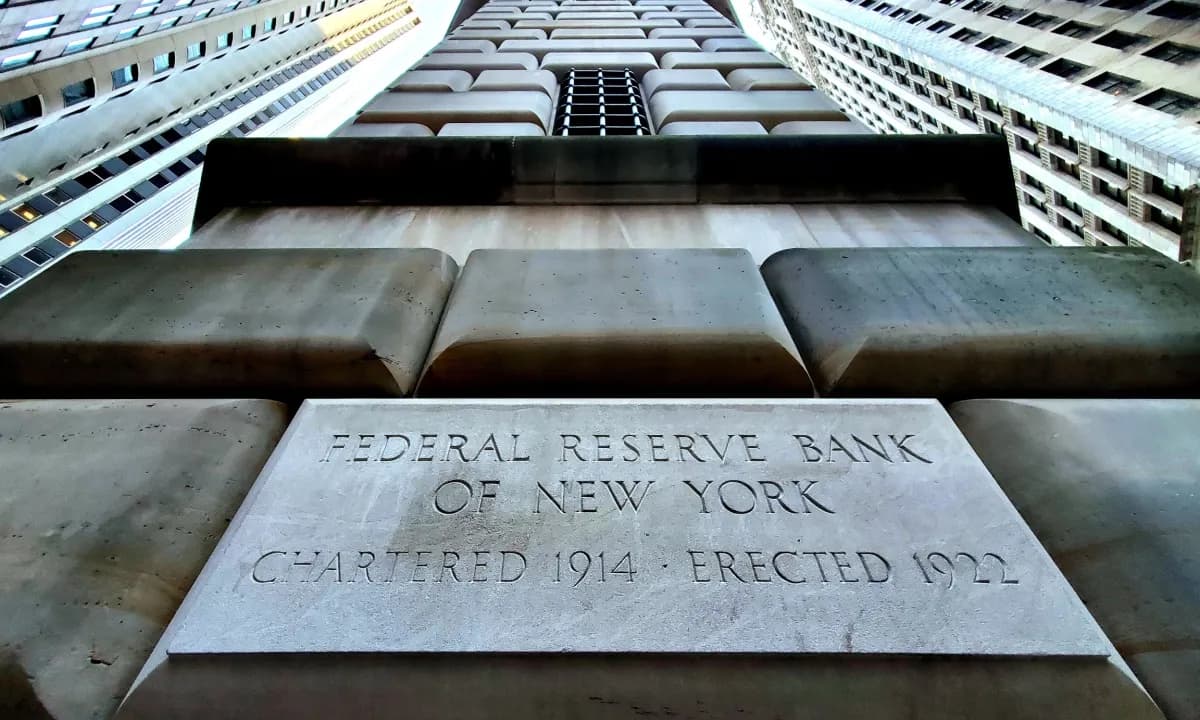
The Federal Reserve has proposed the first update to mutual bank capital rules in more than three decades. The proposed rulemaking, approved unanimously on July 31, would clarify which instruments count as regulatory capital and reduce procedural burdens that the Fed acknowledged have become "overly burdensome and complex" since 1993.
Mutual banks operate under a depositor-owned structure, distinct from the shareholder-owned model of commercial banks. This ownership model has historically limited their options for raising capital. The proposal aims to give these institutions more flexibility while preserving their community-focused structure.
What the proposal would change
Fed, regulators would be 'foolish' to raise bank capital requirements: Strategist
The Fed's proposal targets three main areas. First, it would clarify which financial instruments qualify as regulatory capital for mutual institutions. Second, it would reduce procedural requirements that have made capital-raising unnecessarily complex. Third, it would introduce comprehensive updates to align the rules with how mutual banks operate today.
Federal Reserve Board Vice Chair for Supervision Michelle W. Bowman framed the change as supporting institutional diversity in U.S. banking. "This proposal will allow mutual banks to continue to grow and more effectively serve communities across the country, while preserving their unique depositor-owned structure," she said.
The proposal introduces new instruments including mutual capital certificates and special deposits as potential capital sources.
Regulators flag conflict-of-interest concerns
Not everyone on the board is ready to sign off on the final rule. Governor Michael S. Barr approved issuing the proposal for comment but explicitly reserved judgment on the outcome.
“I reserve judgment on the final rule to determine if there are sufficient safeguards on potential conflicts of interest and sufficient accountability for both dividend waivers and conversions.”
— Michael S. Barr, Federal Reserve Board Governor
Barr's statement points to real tension in the proposal. The Fed's own board memo acknowledges that increased flexibility could create conflicts of interest and reduce accountability. These risks sit at the heart of the 60-day comment period now open.
Barr also raised questions about whether new instruments like mutual capital certificates would actually absorb losses during stressed conditions. This is a critical test for any regulatory capital. If these instruments fail to hold value when a bank is under pressure, they offer little real protection.
Comment period and what comes next
The Fed will accept public comments for 60 days after the proposal's publication in the Federal Register. Barr specifically invited feedback on how the changes might affect competition between banks with different charters and corporate structures.
This last point matters for fintech firms and neobanks competing with community institutions. If mutual banks gain easier access to capital, they could fund technology upgrades and product development more aggressively. The competitive landscape between traditional mutuals and digital-first challengers could shift.
Logicity's Take
The 33-year gap between rule updates tells its own story about regulatory inertia. Mutual banks have operated at a structural disadvantage in capital markets while their competitors evolved. Whether this proposal actually helps depends on how the new instruments perform under stress. Barr's skepticism is warranted. Fintech lenders and community banks watching this space should track the comment period closely. The final rule could reshape competitive dynamics in small-business and community lending.
Why institutional diversity matters
Bowman's comment about "institutional diversity" is not just regulatory language. The U.S. banking system's mix of ownership structures, from shareholder-owned giants to depositor-owned mutuals to credit unions, creates different risk profiles and lending priorities across the system. Mutual banks tend to focus on relationship lending and local communities in ways that larger institutions often do not.
The question now is whether updated capital rules can strengthen these institutions without introducing the accountability gaps that Barr warned about. The comment period will determine whether the Fed has struck that balance or needs to recalibrate before issuing a final rule.
Context on how capital is flowing to financial startups alongside traditional banking reform
Need Help Implementing This?
If you're tracking banking regulation changes or building compliance workflows, reach out to Logicity for coverage of fintech policy developments that affect your business.
Source: PYMNTS | / PYMNTS
Huma Shazia
Senior AI & Tech Writer
Produced with AI assistance and reviewed by the Logicity editorial team. Learn more in our Editorial Policy.