Safe Superintelligence, the AI lab founded by OpenAI co-founder Ilya Sutskever, pulled in a reported $5 billion from Nvidia. Commonwealth Fusion Systems followed with $1 billion for fusion energy. Together, these two deals accounted for $6 billion of the roughly $8.2 billion raised across the week's ten largest US startup rounds, reported by Crunchbase on July 31, 2026.

The list spans AI, energy, fintech, cybersecurity, and health testing. Six of the ten deals involved companies building infrastructure for AI or energy, a concentration that signals where the largest checks are flowing.
1. Safe Superintelligence: $5B from Nvidia
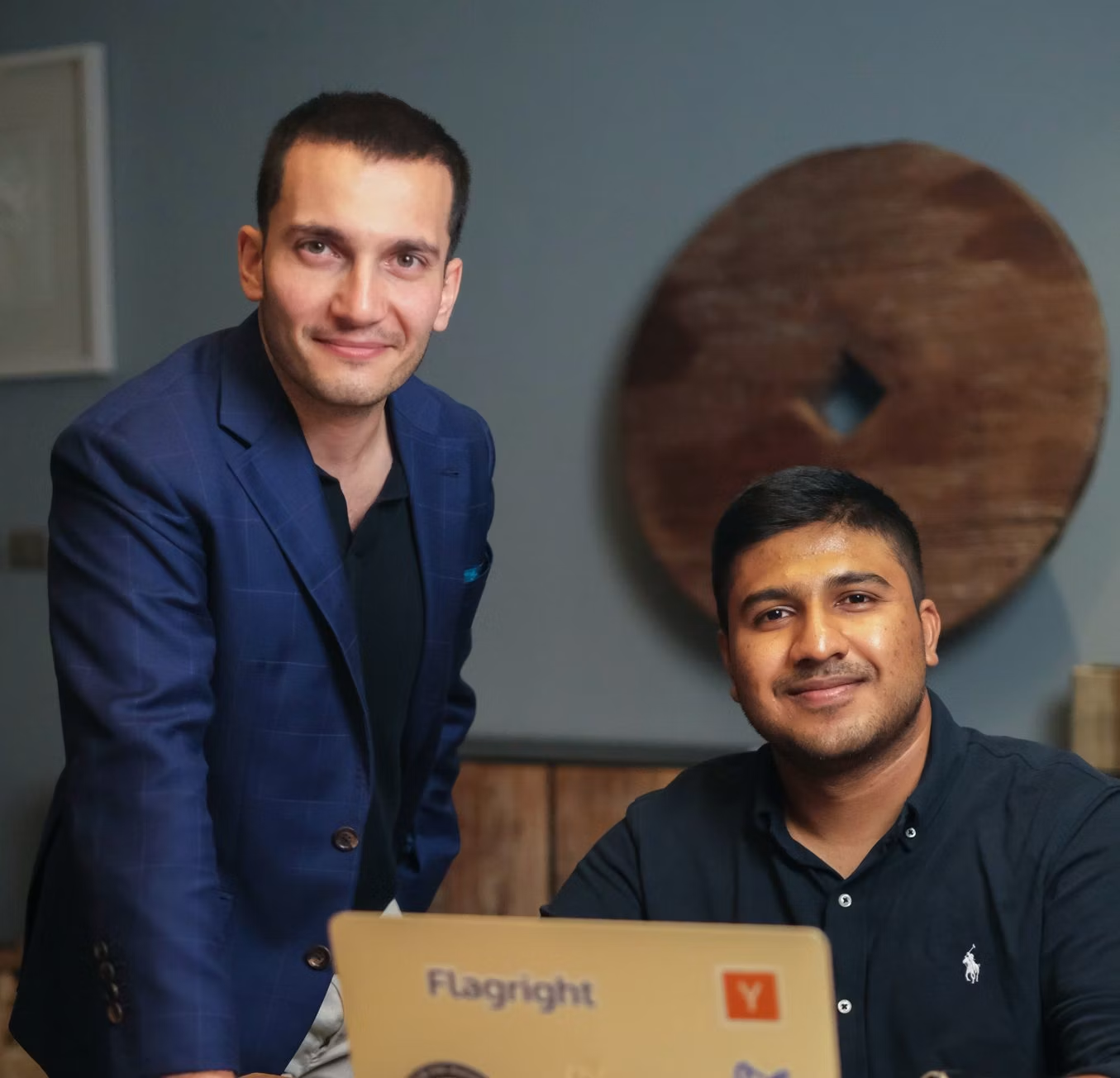
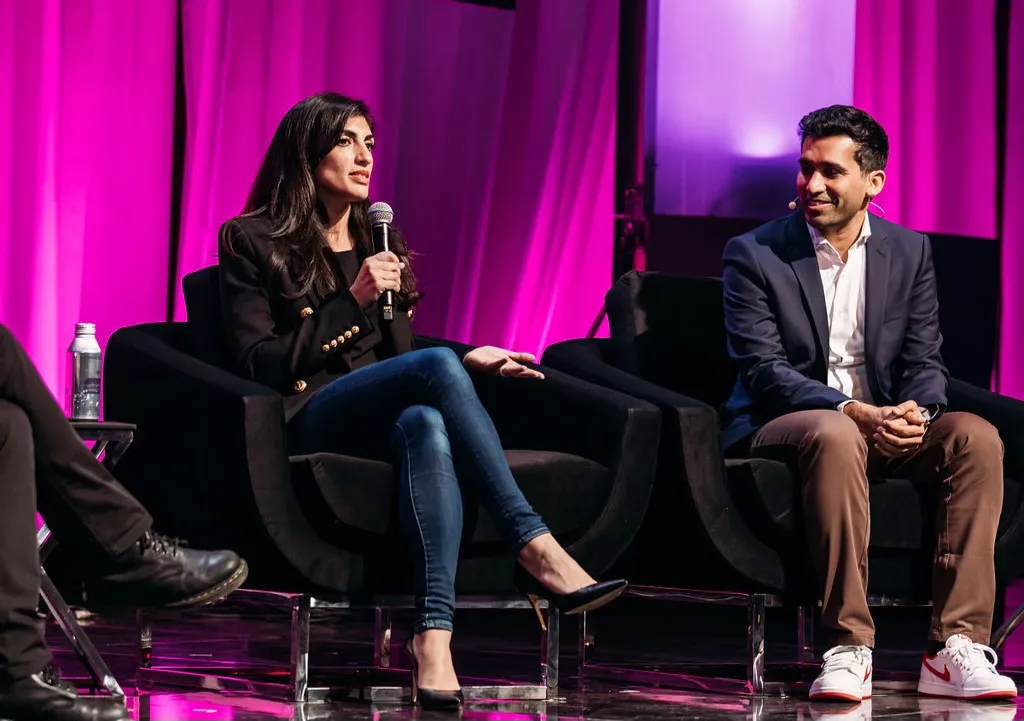
July 2026 | American investor meets Indian founders | Ben Wiggins x The Startup Club
Sutskever's startup announced a long-term partnership with Nvidia that reportedly includes a $5 billion investment from the chip giant. The money is earmarked for compute resources. Safe Superintelligence, based in Silicon Valley, has stayed deliberately quiet about its research agenda since Sutskever left OpenAI. This deal changes the capital math for foundational AI research: a single corporate backer now rivals traditional multi-investor mega-rounds.
2. Commonwealth Fusion Systems: $1B
The Massachusetts-based fusion startup raised $1 billion from unspecified investors, bringing its total funding to $4 billion. Commonwealth Fusion is building a grid-scale fusion power plant. Fusion has absorbed billions over the past decade with no commercial power yet delivered, but the scale of continued investment suggests backers see a path to breakeven physics within this funding cycle.
3. Antora Energy: $550M Series C
Antora Energy closed $550 million for its thermal battery technology, which stores energy as heat and supplies it to data centers. G2 Venture Partners and Eclipse co-led the round. The nine-year-old San Jose company is targeting the growing problem of powering AI infrastructure, where data centers face both capacity constraints and pressure to decarbonize.
4. Function: $450M growth round
Austin-based Function, which sells lab testing, imaging, and personal health data directly to consumers, secured $450 million from General Catalyst. The company sits in the direct-to-consumer health space, where venture interest has cooled since the 2021 peak. A round this size suggests Function has demonstrated retention or unit economics that most peers have not.
5. Antares: $370M Series C
Antares raised $370 million in equity plus $100 million in debt for its compact nuclear microreactors, designed for defense and space applications. Paradigm and Caffeinated Capital led the equity portion. The company is only three years old. Microreactor startups have proliferated as the US military and NASA seek alternatives to diesel generators and solar arrays in remote or hostile environments.
Context on where large pools of venture capital are forming in 2026
6. Simile: $200M+ at $2B valuation
Simile, a Palo Alto startup building AI tools for running simulations, raised over $200 million at a $2 billion post-money valuation. Greenoaks led. The company launched its product only five months ago. That velocity, from launch to $2 billion valuation in under half a year, is rare even by 2021 standards and suggests early enterprise traction or a competitive bidding war among investors.
7. ThreatLocker: $190M Series F
Orlando-based cybersecurity provider ThreatLocker closed $190 million led by Elephant. The company plans to use the capital to refine its platform and expand internationally. Cybersecurity remains one of the few enterprise software categories where late-stage funding has not dried up, in part because breach costs keep rising.
8. CAIS: $170M Series D
CAIS, which provides an alternative investment platform for independent financial advisors, raised $170 million from Vista Equity Partners at a valuation above $2 billion. The New York company is betting that independent advisors want access to private equity, hedge funds, and other alternatives without going through a wirehouse. That bet is paying off as wealth shifts to RIAs.
9. PEX: $160M equity and debt
PEX raised $160 million in combined equity and debt, led by Bluff Point Associates. The company offers AI-enabled prepaid and charge cards for businesses, along with expense-tracking tools. The spend-management category, dominated by Brex and Ramp, continues to attract capital as startups carve out niches by vertical or company size.
10. Eliyan: $145M Series C at $1B valuation
Eliyan completed its Series C at $145 million, reaching a $1 billion valuation. Seligman Ventures led. The five-year-old Santa Clara company develops connectivity technology for AI infrastructure. As AI clusters scale, the interconnects between chips become bottlenecks. Eliyan is one of several startups racing to fix that.
Logicity's Take
Two patterns stand out. First, Nvidia's $5B check to Safe Superintelligence is not a traditional VC round; it is a compute-for-equity arrangement where the chip supplier becomes the capital provider. That model could reshape how foundational AI labs fund themselves. Second, energy infrastructure, whether fusion, thermal storage, or nuclear, took three of the top five spots. For founders outside AI, the clearest signal here is that capital is pooling around anything that powers or connects AI workloads.
What these rounds reveal about capital allocation
The top ten list is not a random sample. It reflects what institutional investors are willing to write the largest checks for right now: foundational AI, energy for data centers, and infrastructure that keeps the AI supply chain running. Fintech and cybersecurity appear but at smaller scale.
For founders, the implication is tactical. If your startup touches AI compute, power, or interconnects, the capital is there. If it does not, you are competing for a smaller share of attention. That does not mean other categories are dead. It means the bar for a mega-round is higher.
A smaller AI infrastructure deal from the same week, showing the full range of round sizes
Need Help Implementing This?
Looking to benchmark your fundraise against this week's rounds or refine your pitch for infrastructure-focused investors? Reach out to Logicity's advisory team for a strategy session.
Source: Crunchbase News / Joanna Glasner
Huma Shazia
Senior AI & Tech Writer
Produced with AI assistance and reviewed by the Logicity editorial team. Learn more in our Editorial Policy.