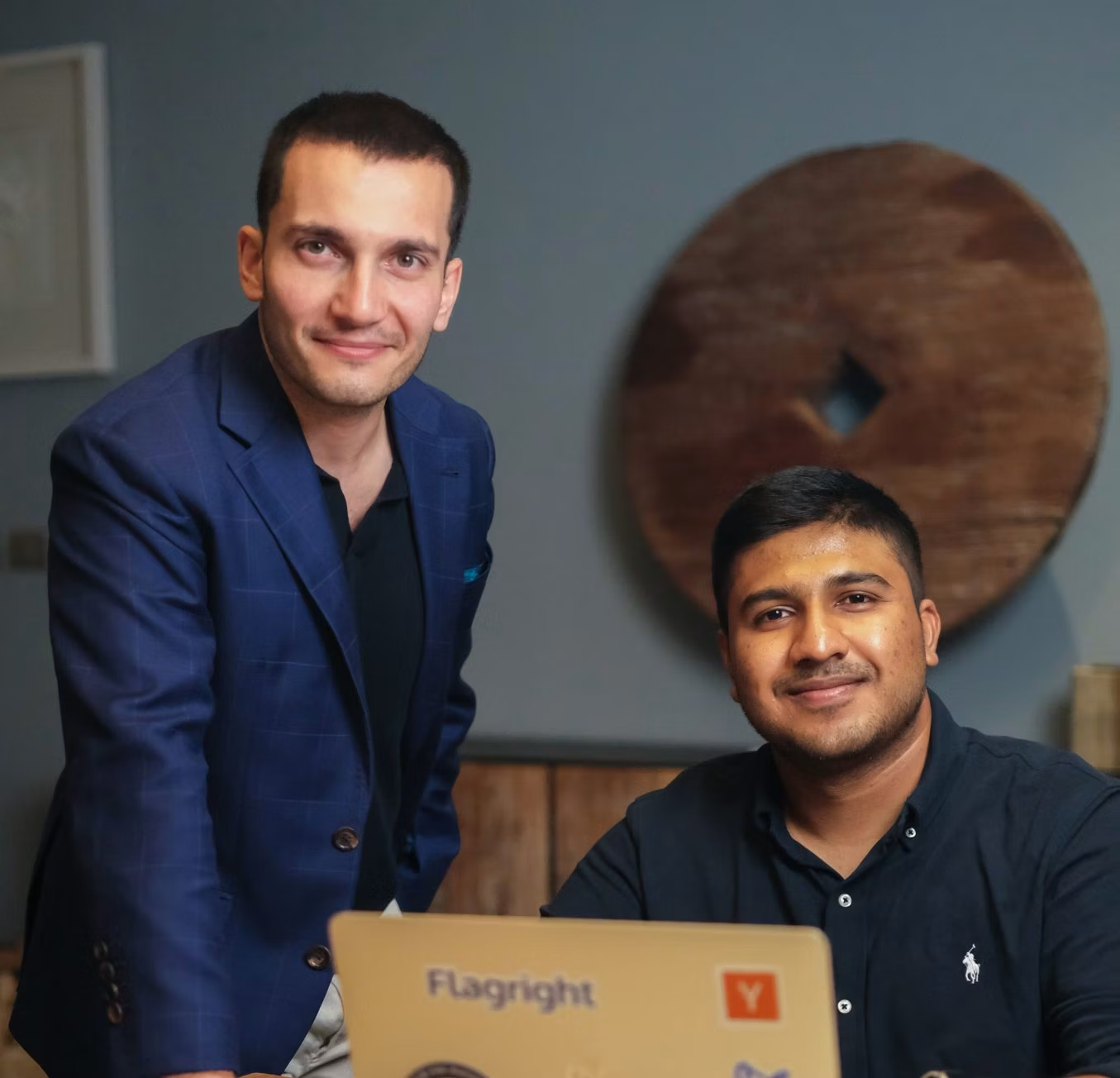
Smallest.ai has raised $13 million in Series A funding to build voice AI agents that sound indistinguishable from humans. The round, led by Seligman Ventures with Sierra Ventures and 3one4 Capital participating, brings the startup's total funding past $21 million.
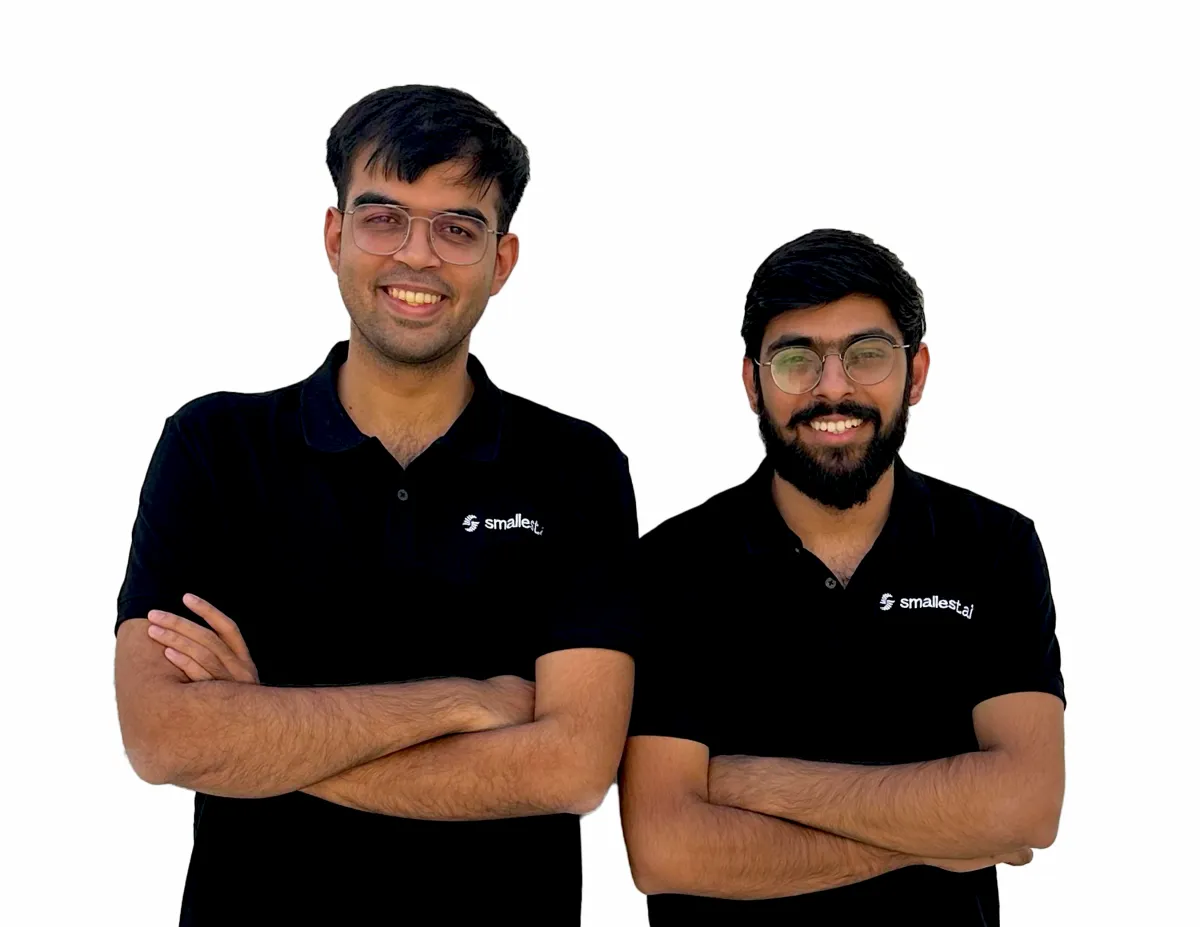
The pitch is simple: current voice agents feel robotic because large language models process entire prompts before responding. Humans don't work that way. We listen, think, and interrupt simultaneously. Smallest.ai built a model that does the same.
Why LLM latency kills voice conversations
"The way an LLM works is you give it an entire prompt, and then it starts thinking," founder and CEO Sudarshan Kamath told TechCrunch. That pause is tolerable in a chat window. In a voice call, it's jarring. A half-second gap makes humans instinctively think: this is a machine.
Smallest.ai's model processes audio in real time, generating responses while the caller is still speaking. When a topic exceeds the model's training, the system hands off to a larger foundational model, placing the caller on a brief hold to "research" the issue. The framing mimics what a real support agent would do.
Kamath believes this two-model architecture will become standard: a lightweight voice model for real-time interaction, and a heavier LLM called only when needed for complex reasoning.
Enterprise customers already onboard
RingCentral and Truecaller are among Smallest.ai's current customers. Kamath sees every customer support company as a potential buyer, including newer AI-native players like Sierra and Decagon.
His argument to those startups: voice is a distraction from their core product. Building a model that handles diverse accents, dozens of languages, and noisy environments is a specialty. Better to buy than build.
Competitive landscape
ElevenLabs is the best-funded name in voice AI, but it spreads across dubbing, podcasting, and content creation. Cartesia competes on speed. Regional players like Sarvam target local languages in markets like India.
Smallest.ai is narrower by design. It focuses exclusively on real-time conversational agents for enterprise support. No dubbing. No podcasts. Just calls.
“We want our models to break the Turing test. You should speak to our model and not know it's AI or human. That's the sole focus of the company.”
— Sudarshan Kamath, CEO of Smallest.ai
Logicity's Take
The bet here is that voice AI's ceiling is latency, not intelligence. If Kamath is right, customer support startups will outsource voice the way they outsource payments. The risk: ElevenLabs or a well-funded incumbent decides conversational agents are worth owning and builds a competing model. At $21M total raised, Smallest.ai has runway to prove the thesis, but not margin for error.
What this means for founders
If you're building a product with voice, you now have a clearer buy-vs-build decision. General-purpose voice APIs are widely available. Real-time, low-latency agents optimized for customer conversations are rarer.
The question is whether "indistinguishable from human" actually moves conversion rates and satisfaction scores, or whether customers just want their problem solved fast. Smallest.ai is betting on the former. We'll see.
Another AI startup funding round targeting a specific enterprise vertical
Need Help Implementing This?
Looking to integrate voice AI into your product or evaluate vendors for customer support? Reach out to the Logicity team for guidance on architecture and vendor selection.
Source: Venture Capital News | TechCrunch / Marina Temkin
Huma Shazia
Senior AI & Tech Writer
Produced with AI assistance and reviewed by the Logicity editorial team. Learn more in our Editorial Policy.