Key Takeaways
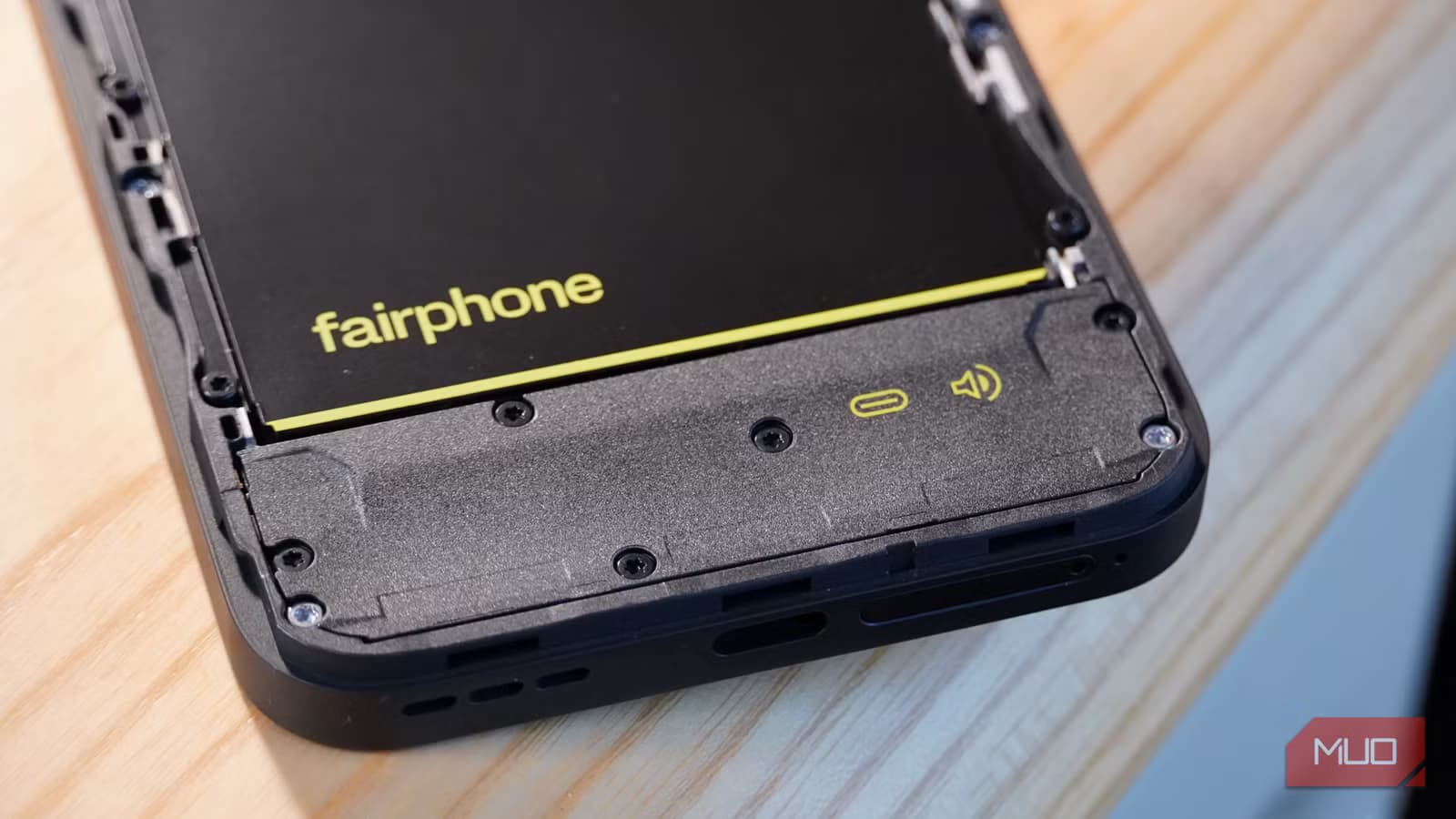
- EU Battery Regulation 2023/1542 mandates user-replaceable smartphone batteries by February 2027
- Manufacturers must provide spare parts for 7 years and cannot use parts-pairing software to block repairs
- Phones with 1,000-cycle battery durability and IP67 rating may qualify for an exemption
The EU's Battery Regulation is forcing smartphone manufacturers to redesign their devices with user-replaceable batteries by February 2027. After a decade of sealed glass backs, proprietary adhesives, and obscure screw heads, European regulators have decided enough is enough. The rule applies to every phone sold in the 27-member bloc, and since Europe accounts for roughly 25 percent of global smartphone sales, manufacturers are not building separate production lines for different regions. The regulation will reshape phone design worldwide.
Phone makers did not ask for this. Apple, Samsung, and Google have spent years engineering devices that are nearly impossible to open without specialized equipment. Water resistance, thinner profiles, and wireless charging coils all served as convenient justifications. But the real driver was control: keeping repairs in-house and pushing consumers toward upgrades rather than fixes.
What the EU Battery Regulation actually requires
Regulation 2023/1542, which came into force in February 2024, establishes that batteries must be "readily removable and replaceable" by the end user without specialized tools. If a manufacturer requires a specific screwdriver head, they must include it in the box or provide one free on request. Adhesive bonds that require heat treatment or solvents to break are banned outright.
A companion regulation targets spare parts availability. Manufacturers must ship critical components within 5-10 working days and keep them in stock for seven years after a model stops selling. This directly attacks the planned obsolescence cycle that has defined the smartphone industry since the iPhone launched in 2007.
Starting June 2025, every smartphone sold in the EU must carry a standardized energy label, similar to the efficiency ratings on washing machines. US devices will not display these labels, but they will run identical hardware, so checking European specs will reveal the same data.
The 1,000-cycle exemption loophole
Here is where the regulation gets messy. A separate rule, the EU Ecodesign Regulation 2023/1670, creates an exemption. If a smartphone battery retains 80 percent capacity after 1,000 full charge cycles and the device carries at least IP67 water and dust resistance, it can sidestep the user-replaceable mandate.
Skeptics on Reddit and Hacker News have already flagged the obvious incentive structure. Manufacturers could engineer batteries to hit the 1,000-cycle threshold while ensuring their devices meet IP67 standards, allowing them to maintain sealed designs. Whether regulators will tighten this loophole before February 2027 remains unclear.
Why this matters beyond Europe
Global supply chains do not bend easily. Apple is not going to manufacture two versions of the iPhone 18: one with a replaceable battery for Berlin and another glued shut for Boston. The cost of maintaining parallel production lines would dwarf any savings from keeping US devices unrepairable. Instead, the EU's 450 million consumers are setting the standard for everyone.
The regulation also bans "parts pairing," the software locks that prevent third-party components from functioning. If you have ever replaced an iPhone screen and received a warning about an "unverified display," you have encountered parts pairing. Under the new rules, that practice becomes illegal for devices sold in the EU.
What "user-replaceable" does not mean
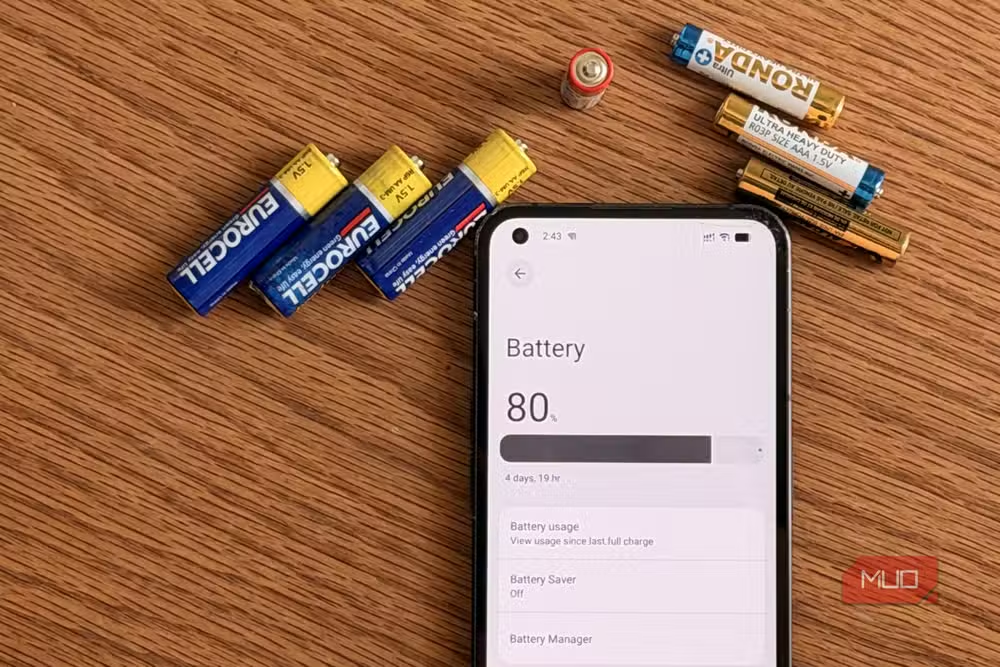
Do not expect to swap batteries like AA cells. The regulation does not mandate hot-swappable designs where you can pop out a depleted battery and slot in a fresh one without powering down. It requires that an average person, using basic tools (provided by the manufacturer), can remove and replace the battery without destroying the device.
Fairphone has been building phones this way for years. Their devices prove the concept works without sacrificing performance or water resistance. The Fairphone 6, for instance, ships with a user-accessible battery and still carries an IP55 rating. The technology exists. The question was always whether the major manufacturers would adopt it voluntarily. Now they have no choice.
More hidden capabilities in your current smartphone
The seven-year parts mandate
Beyond batteries, the regulation requires manufacturers to keep screens, charging ports, and other critical components available for seven years after a model is discontinued. This is a direct assault on the industry's memory-holing strategy, where parts become unobtainable 18 months after launch.
iFixit has celebrated the regulation as a watershed moment for right-to-repair advocates. The organization spent years documenting how major manufacturers designed products to be disposable. Now, at least in Europe, the law is on their side.
What happens next
The February 2027 deadline gives manufacturers roughly 18 months to redesign their devices. Some will likely push the 1,000-cycle exemption route, banking on battery chemistry improvements to meet the durability threshold. Others may embrace modularity as a marketing advantage, especially if consumer sentiment shifts toward repairability.
The real test will be enforcement. EU regulations only matter if violations carry consequences. Whether the European Commission has the resources and will to police compliance across every smartphone model sold in the bloc remains an open question.
Frequently Asked Questions
When do smartphones need to have replaceable batteries?
The EU mandate takes effect in February 2027. All smartphones sold in the EU after that date must have user-replaceable batteries unless they qualify for the durability exemption.
Will the EU battery law affect phones sold in the US?
Indirectly, yes. Manufacturers are unlikely to produce separate hardware for different regions, so phones sold globally will likely adopt the same replaceable battery designs required in Europe.
What is the 1,000-cycle battery exemption?
If a phone battery retains 80% capacity after 1,000 full charge cycles and the device has IP67 water resistance, manufacturers can keep sealed battery designs under EU Ecodesign Regulation 2023/1670.
How long must manufacturers provide spare parts?
Seven years after a smartphone model stops selling. Critical parts must be shipped within 5-10 working days of a request.
Does the law ban parts pairing software?
Yes. Software that prevents third-party components from functioning is prohibited for devices sold in the EU.
Logicity's Take
The 1,000-cycle exemption is the clause to watch. Battery manufacturers have been inching toward that durability target for years, and IP67 is already standard on flagship devices. If Apple and Samsung can hit both marks, they could maintain sealed designs while technically complying with the regulation. The EU's intent was clear, but the loophole is wide enough to drive a flagship phone through. Expect the next 18 months to be a race to the exemption, not to modularity.
Need Help Implementing This?
If you are a device manufacturer or repair business preparing for the EU's battery regulations, Logicity can connect you with compliance specialists and right-to-repair policy experts. Contact our editorial team for introductions.
Source: MakeUseOf
Huma Shazia
Senior AI & Tech Writer
Produced with AI assistance and reviewed by the Logicity editorial team. Learn more in our Editorial Policy.