
Key Takeaways

- A critical cPanel flaw (CVE-2026-41940) has been exploited to compromise at least 44,000 servers
- The Sorry ransomware uses ChaCha20 encryption with RSA-2048 key protection, making decryption without the private key impossible
- All cPanel and WHM users must install emergency security updates immediately
A newly disclosed cPanel vulnerability is being mass-exploited to breach web servers and deploy ransomware. The flaw, tracked as CVE-2026-41940, allows attackers to bypass authentication and gain access to hosting control panels. From there, they encrypt website data and demand ransom payments.
cPanel and WHM released an emergency patch this week. But the damage has already spread. Internet security watchdog Shadowserver reports that at least 44,000 IP addresses running cPanel have been compromised in ongoing attacks.
How the Attack Works
WHM and cPanel are Linux-based web hosting control panels used for server and website management. WHM provides server-level control. cPanel gives administrators access to website backends, webmail, and databases. Together, they power a significant chunk of the web hosting industry.
The authentication bypass flaw lets attackers access these control panels without valid credentials. Once inside, they have the keys to the kingdom. They can access files, databases, and email systems. In this campaign, they're using that access to deploy ransomware.
According to BleepingComputer, exploitation began as a zero-day. Attackers were hitting servers as early as late February. That's months before the flaw was publicly disclosed and patched.
The Sorry Ransomware
The attackers are deploying a Go-based Linux encryptor for the "Sorry" ransomware. The malware appends the ".sorry" extension to all encrypted files.

The encryption is serious. Sorry ransomware uses the ChaCha20 stream cipher to lock files. The encryption key itself is protected using an embedded RSA-2048 public key. Without the corresponding private key, decryption is impossible.
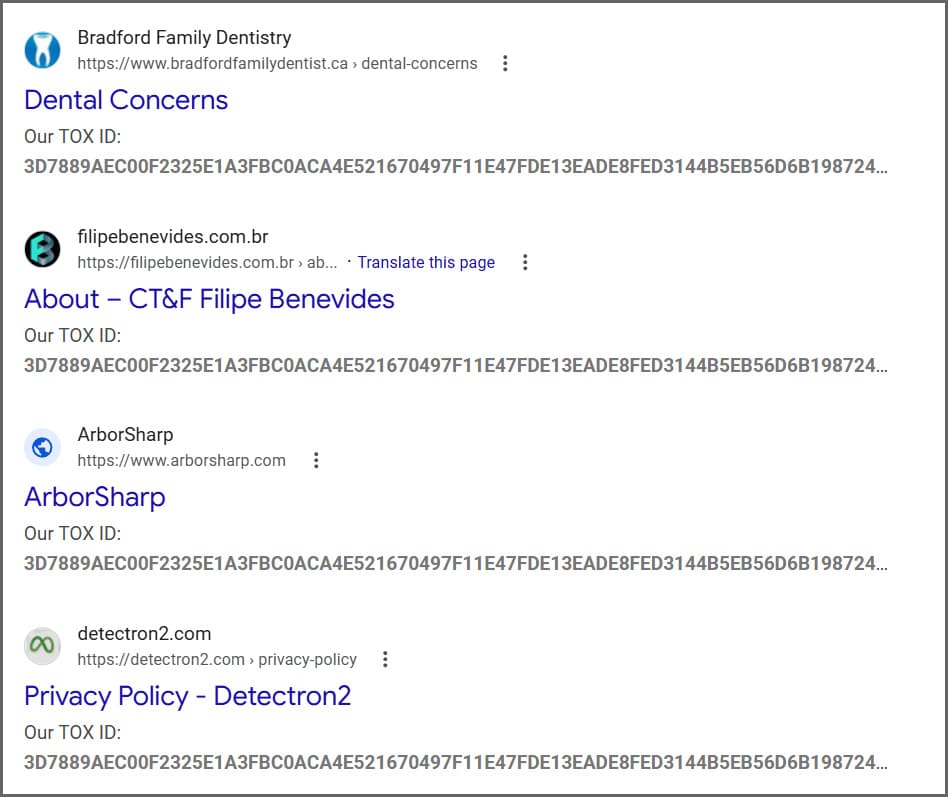
In each folder, the malware drops a ransom note named README.md. The note instructs victims to contact the threat actor via Tox, an encrypted messaging platform, to negotiate payment. The same Tox ID appears in all ransom notes, confirming this is a coordinated campaign rather than isolated attacks.
Scale of the Attack
The damage is already visible. Hundreds of compromised websites are indexed in Google search results, their pages replaced with ransom notes or error messages.
Reports have flooded forums like BleepingComputer, with victims sharing encrypted file samples and ransom note contents. The attacks started Thursday and have continued since.
Not the First 'Sorry' Ransomware
A 2018 ransomware campaign also used the .sorry file extension. That attack used a HiddenTear-based encryptor. This current campaign is unrelated. It uses a completely different, more sophisticated encryptor built in Go.
What You Should Do Now
If you run cPanel or WHM, install the emergency security update immediately. The patch addresses CVE-2026-41940 and closes the authentication bypass.
- Check your cPanel/WHM version and apply all available security updates
- Review server logs for suspicious access patterns, especially from late February onward
- Verify backup integrity. If backups are clean and stored offline, recovery is possible without paying ransom
- Monitor for .sorry file extensions or README.md ransom notes appearing in directories
- Consider restricting cPanel access to specific IP addresses or VPN connections
For servers already compromised, isolate them from the network to prevent lateral movement. Contact a security professional before attempting recovery.
Related security topic on default configuration risks
Logicity's Take
Frequently Asked Questions
What is CVE-2026-41940?
CVE-2026-41940 is a critical authentication bypass vulnerability in cPanel and WHM that allows attackers to access hosting control panels without valid credentials. An emergency patch was released this week.
Can files encrypted by Sorry ransomware be decrypted?
No, not without the attacker's private RSA-2048 key. The ransomware uses ChaCha20 encryption with RSA-2048 key protection, making brute-force decryption impossible with current technology.
How do I know if my cPanel server is compromised?
Look for files with the .sorry extension and README.md ransom notes in your directories. Review access logs for unauthorized logins, especially since late February when exploitation began.
Is this related to the 2018 Sorry ransomware?
No. The 2018 campaign used a HiddenTear-based encryptor. This current campaign uses a different Go-based Linux encryptor and is unrelated despite sharing the same file extension.
How many servers have been affected?
Shadowserver reports at least 44,000 IP addresses running cPanel have been compromised. Hundreds of affected websites are already visible in Google search results.
Need Help Implementing This?
Source: BleepingComputer
Manaal Khan
Tech & Innovation Writer
Produced with AI assistance and reviewed by the Logicity editorial team. Learn more in our Editorial Policy.