Key Takeaways
- Computex 2026 saw a marked shift from consumer gadgets to B2B AI infrastructure and data center tech
- Data center hardware booths drew crowds comparable to or larger than consumer brands like ROG and ASRock
- The show filled a void as Asia's first major trade show dedicated to enterprise AI and data center technology
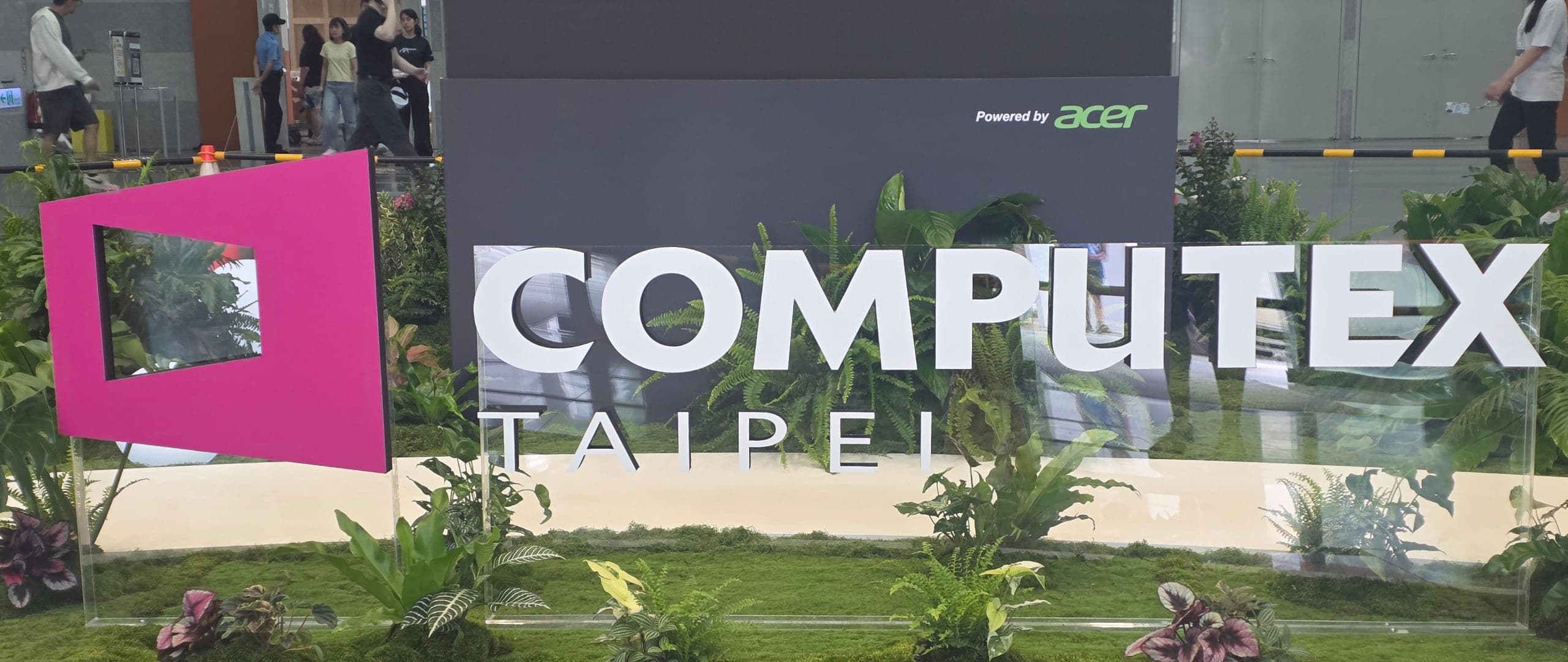
Computex 2026 closed its doors June 5th after four days that looked nothing like the consumer-gadget fest the show has been for decades. Tom's Hardware editors on the ground in Taipei noticed something unusual: data center hardware booths were packed, sometimes busier than the flashy consumer brands, and the entire event felt like it had pivoted to serve enterprise buyers hunting for AI infrastructure.
Paul Alcorn, Tom's Hardware Editor-in-Chief, described day four as "yet another hectic affair" with meetings running from early morning into the afternoon. But the crowds were the real story. "This Computex has certainly had more attendees than I ever recall on the second day, and today was no different," Alcorn wrote. The aisles were crammed, booths jammed, making it hard to shoot photos.
The bigger shift was who showed up and what they were selling. "I also noticed that this Computex has far more business-to-business (B2B) focused companies in attendance," Alcorn said. "In the past, we typically saw strictly consumer products and the myriad of companies that feed into that ecosystem. This year was definitely an explosion of AI and data center technology."
Data center booths drew ROG-level crowds
The big showcases dedicated to data center hardware were "absolutely packed, often just as busy as the ROG and ASRock booths of the world, if not busier," Alcorn observed. That's a notable comparison. ROG (ASUS's gaming brand) and ASRock historically draw some of the largest crowds at Computex, full of enthusiasts checking out the latest motherboards and graphics cards.
Alcorn's theory: "Others have noted that there really isn't an Asia-based trade show for data center tech, and it seems that Computex has now become that destination at an incredibly fast rate." The show appears to be filling a regional gap, offering Asian suppliers and buyers a venue to do deals on the server racks, cooling systems, and networking gear that power AI workloads.
The show hosted 1,500 exhibitors from 33 countries. TAITRA Chairman James Huang summed up the vibe in his closing remarks: "The creation of AI is akin to Michelangelo's 'Creation of Adam'—it is the spark of intelligence brought to life by human innovation." The rhetoric matched the scale. Analysts at the Computex Forum 2026 declared, "We are transitioning from the age of 'smart' devices to the era of 'embodied' AI, where industrial robotics finally bridge the digital and physical worlds."
Consumer hardware still showed up
Tom's Hardware Staff Writer Joe Shields squeezed in consumer coverage despite the B2B tilt. After two to three hours of sleep, he visited the Grand Hyatt Hotel near Taipei 101, where Hyte showed the Y50 case, a cheaper version of the popular Y50. At the Gigabyte booth, Shields saw the X870E Infinity Next motherboard in person: "It's absolutely stunning with the 3D-printed metal heatsinks and that lava-rock-like pattern."
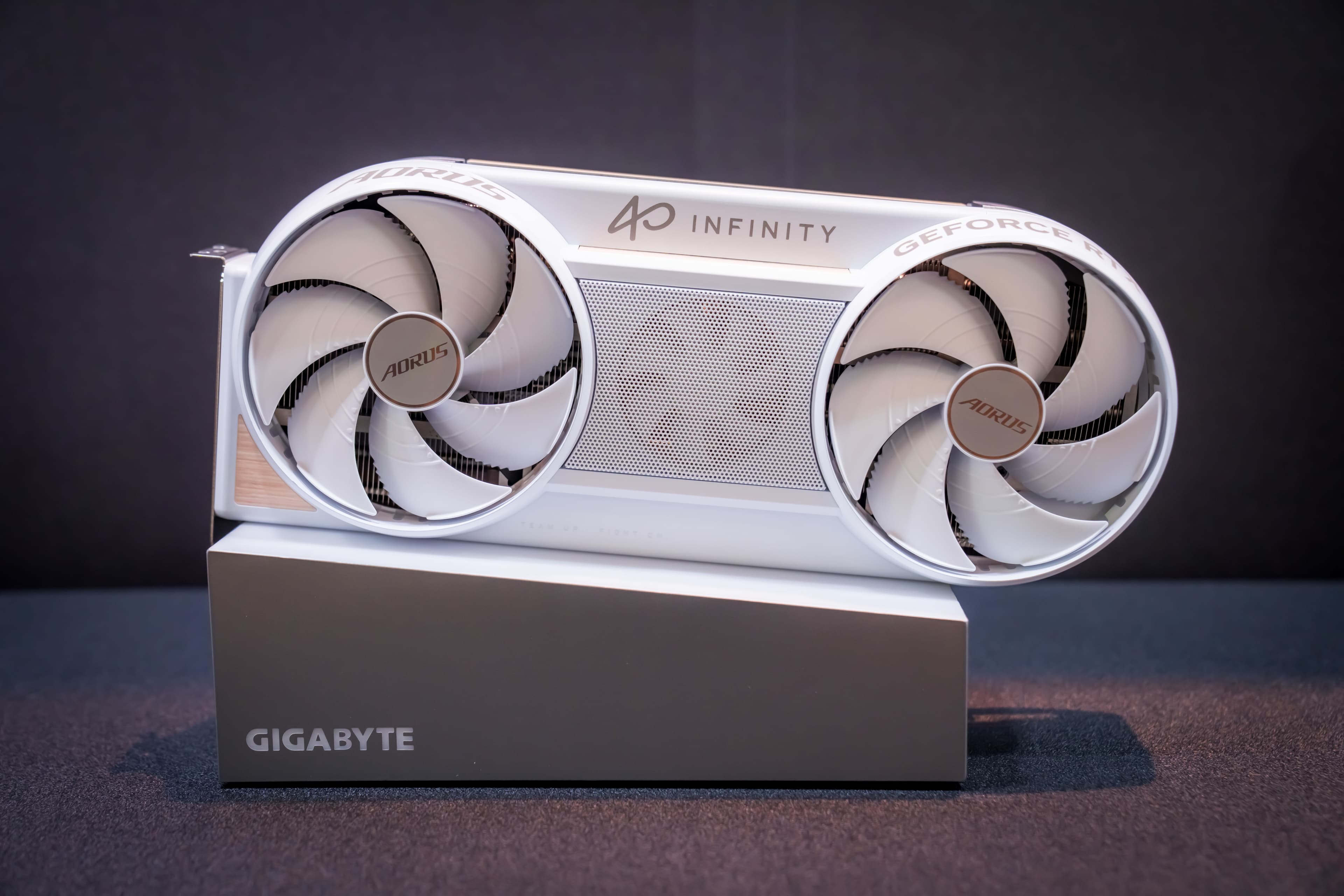
Be quiet! debuted the Light Base 803 chassis and the Dark Power Pro 14 IO power supply, which includes software monitoring that calculates the cost of running your PC. Those are the kinds of prosumer touches that still draw DIY builders to Computex, even if they're no longer the main event.
What the shift means for the show
The global chip market is projected to hit $1.29 trillion in 2026, driven largely by AI infrastructure demand. Computex appears to be riding that wave, morphing from a consumer electronics showcase into a hybrid event where enterprise buyers and suppliers can close deals on the hardware underpinning generative AI, industrial robotics, and cloud expansion.
Reddit's r/hardware and Hacker News threads reacted with mixed feelings. Enthusiasts debated the handheld gaming wars, comparing Intel's new Arc G3 chips to existing solutions. But there was also skepticism about the rapid AI infrastructure buildout. Some users compared the pace to the dot-com bubble, questioning whether small businesses really need "AI-in-a-box" data governance tools or if vendors are overselling.
Logicity's Take
Frequently Asked Questions
Why did Computex 2026 focus more on data center hardware?
There's no major Asia-based trade show dedicated to data center and AI infrastructure. Computex filled that gap quickly as enterprise buyers and suppliers needed a regional venue to do business around the hardware that powers AI workloads.
Did Computex 2026 still showcase consumer products?
Yes. Brands like Hyte, Gigabyte, and Be quiet! showed new cases, motherboards, and power supplies for DIY PC builders. But the overall show energy shifted toward enterprise and B2B exhibitors.
What were the biggest trends at Computex 2026?
AI infrastructure, data center cooling and networking, industrial robotics, and the shift from consumer-facing gadgets to enterprise-scale hardware. Analysts described it as the move from 'smart' devices to 'embodied' AI.
How many exhibitors attended Computex 2026?
The show hosted 1,500 exhibitors from 33 countries, with noticeably larger crowds around data center booths compared to previous years.
Is Computex becoming a B2B-only event?
Not exclusively, but the balance is shifting. Consumer hardware still appeared, but the energy and booth traffic favored enterprise buyers hunting for AI and data center technology.
Another Computex 2026 reveal focused on next-gen memory cooling for AI data centers
Announced at Computex 2026 as part of the AI infrastructure push
Consumer hardware from Computex 2026 that DIY builders are tracking
Need Help Implementing This?
Source: Latest from Tom's Hardware
Manaal Khan
Tech & Innovation Writer
Produced with AI assistance and reviewed by the Logicity editorial team. Learn more in our Editorial Policy.