Key Takeaways
- Clawdmeter is an open source ESP32 device that displays Claude Code token usage on a small desktop screen
- The project was built in days by a developer with no embedded hardware experience, using Claude itself as a guide
- The gadget reflects a growing 'tokenmaxxing' trend where engineers track AI token consumption as a productivity metric
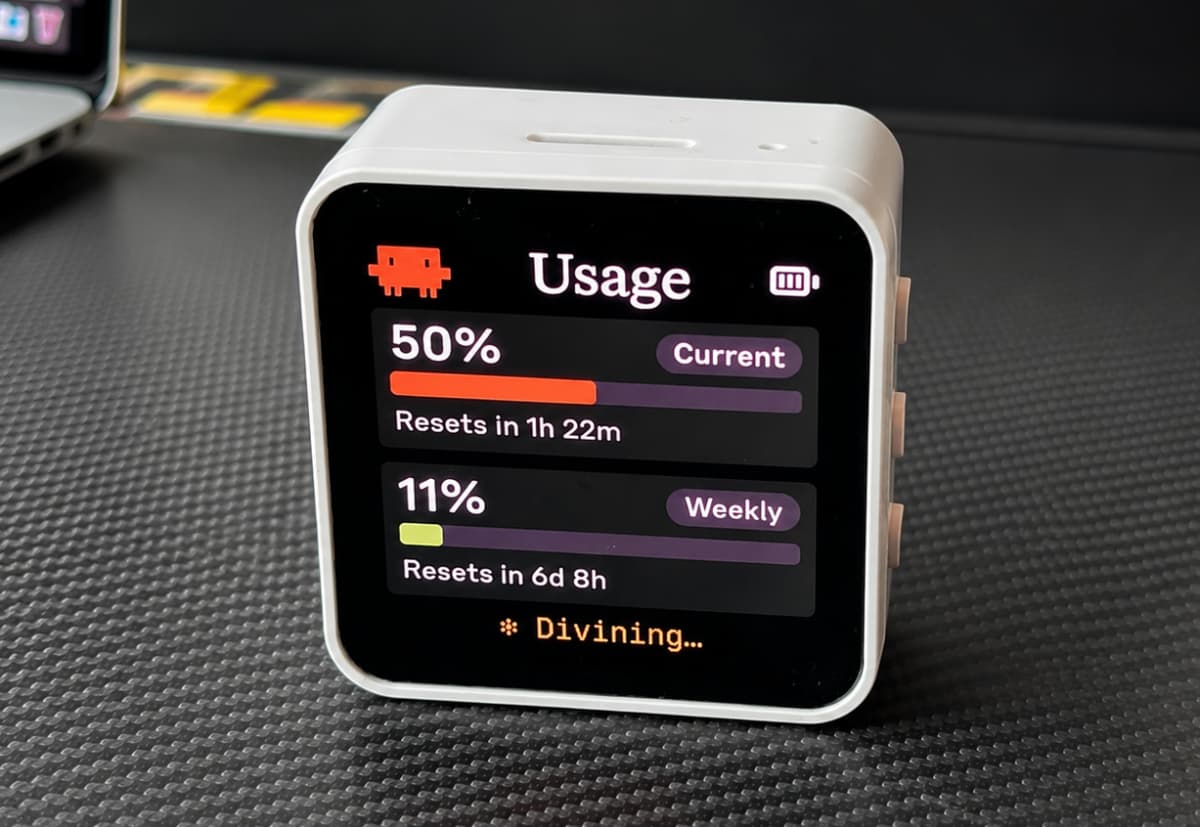
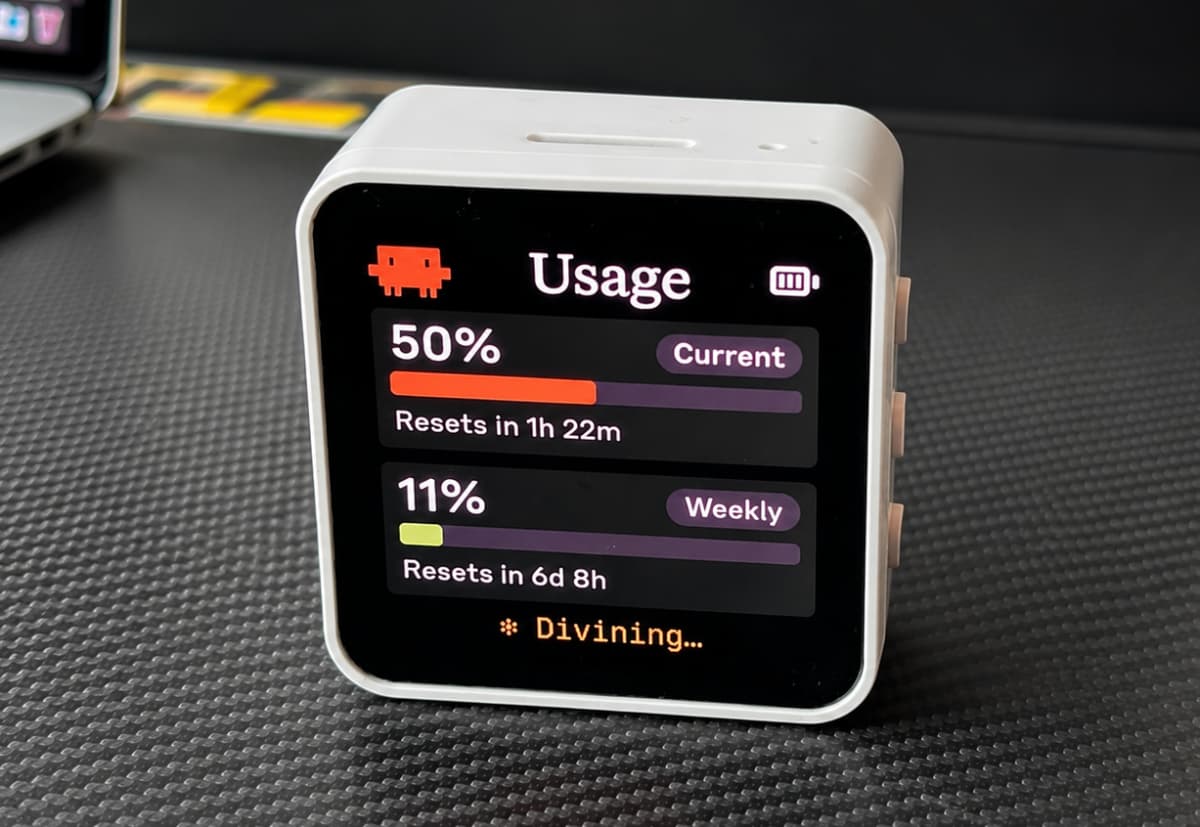
Silicon Valley's obsession with AI productivity now has its own hardware accessory. Clawdmeter, a new open source project, brings Claude Code usage statistics to a tiny desktop display. The device pairs with your laptop over Bluetooth and shows token consumption alongside pixel-art animations of Anthropic's Clawd mascot.
Yes, you can check Claude Code usage in the terminal or through various apps. But those methods lack the dopamine hit of watching a dancing pixel sprite react to your coding sessions.
What Is Tokenmaxxing?
The Clawdmeter arrives during what some are calling the 'tokenmaxxing' era. This informal trend sees software engineers at tech companies maximizing AI token consumption at work. The thinking: more tokens used equals more AI-assisted productivity. Whether that math checks out is debatable, but the enthusiasm is real.
The project has sparked predictable jokes on Reddit. One user suggested Anthropic should mail the devices out for free. Another proposed adding a button to top up tokens directly from the gadget. That second idea sounds convenient until you picture the credit card bill.
Built in Days, No Embedded Experience Required
Hermann Haraldsson, a software developer based in Reykjavik, Iceland, created the project. He had wanted to experiment with embedded devices but never found the time. He also had no prior embedded development experience.
“I'm not an embedded developer or anything like that. But Claude was able to walk me through the project in just a few days. It's really democratized access to programming, so that anyone can now do what developers used to do. I think that's really positive, actually.”
— Hermann Haraldsson, Clawdmeter creator
Most of his build time went into design work. He focused on getting the font, colors, and animations right. The technical implementation, guided by Claude, came together quickly.
How to Build Your Own Clawdmeter
The project uses a small lithium-ion battery-powered display. Haraldsson recommends the Waveshare ESP32-S3-Touch-AMOLED-2.16, which connects to your laptop via Bluetooth.
When powered on, the device plays pixel-art Clawd animations on its splash screen. The animations get more active as your usage rate increases. Press the middle button to cycle through different animation styles.
“I like it when I'm working, and I see it going crazy. It's like a little dopamine loop.”
— Hermann Haraldsson
Pressing the middle button again displays your session and weekly Claude utilization data in simple charts. Another press takes you to the Bluetooth screen, showing connection status and a reset option. Tapping the screen returns you to the splash screen.
What This Says About Claude's Developer Adoption
The Clawdmeter is a fun side project, but it signals something larger. Anthropic's Claude has clearly infiltrated the developer community to the point where people build hardware accessories for it. When engineers start creating physical dashboards for a tool, that tool has achieved a certain cultural status.
The project is fully open source, so anyone can build their own or modify the design. Given the low barrier to entry and the community response, expect variations and improvements to appear soon.
Logicity's Take
Frequently Asked Questions
What hardware do I need to build a Clawdmeter?
The project uses a Waveshare ESP32-S3-Touch-AMOLED-2.16 display, which is a small lithium-ion battery-powered screen that connects via Bluetooth.
Do I need programming experience to build one?
The creator had no embedded development experience and built the project in a few days using Claude as a guide. The code is open source and available online.
What is tokenmaxxing?
Tokenmaxxing is an informal trend where software engineers maximize AI token consumption at work as a measure of AI-assisted productivity.
Does the Clawdmeter work with other AI tools besides Claude Code?
The current version is designed specifically for Claude Code usage tracking. Modifications for other tools would require changes to the code.
More maker projects for your desk setup
Another hardware project pushing laptop capabilities
Need Help Implementing This?
Source: TechCrunch / Sarah Perez
Huma Shazia
Senior AI & Tech Writer
Produced with AI assistance and reviewed by the Logicity editorial team. Learn more in our Editorial Policy.