Key Takeaways
- China's highest court upheld injunction barring Infineon from selling disputed GaN products in mainland China
- Innoscience controls 30% of global GaN market; Infineon holds 10%
- Both companies supply Nvidia's 800V AI rack power systems, creating supply chain complexity
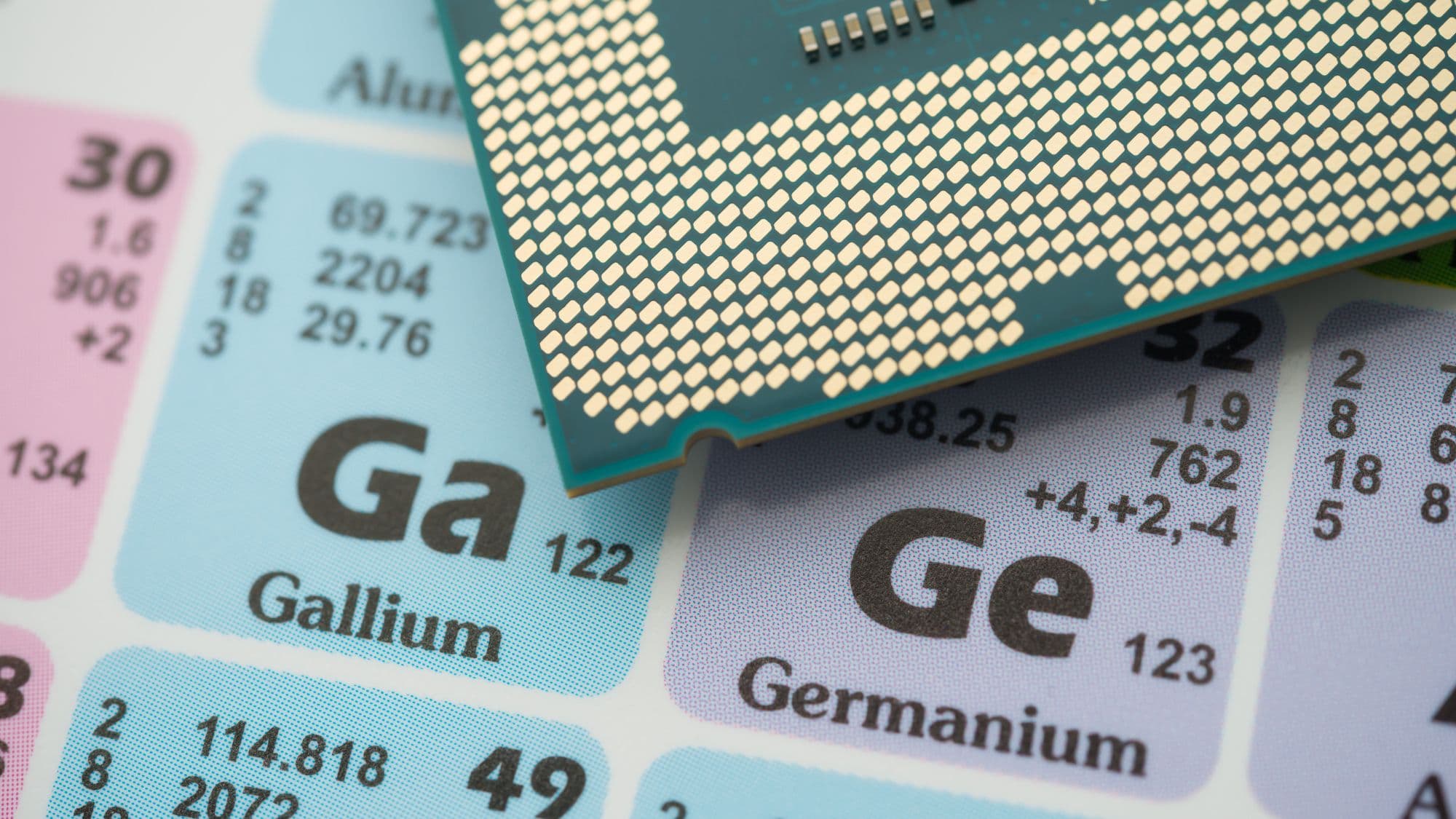
China's Supreme People's Court on Friday upheld an injunction barring Infineon from selling certain gallium nitride power chips in mainland China. The ruling hands market leader Innoscience a decisive win in a patent dispute that has now produced conflicting judgments across three continents.
The court affirmed a May 27 decision from the Suzhou Intermediate People's Court, which found Infineon infringed two Innoscience patents. Infineon must stop selling, offering, and importing the disputed products. It also owes 10 million yuan, roughly $1.48 million, in damages.
This is not a minor footnote for Infineon. Mainland China, Hong Kong, and Taiwan together accounted for 38% of the German chipmaker's fiscal 2025 revenue. Losing access to a significant product line in that market stings.
A patent war with no clear winner
The ruling caps a year of litigation that has handed each side a win, depending on which courtroom you stand in. Innoscience won in China. Infineon won in the United States and Germany.
In May, the U.S. International Trade Commission affirmed that Innoscience infringed an Infineon patent, ordering import and sales bans on the Chinese company's products. That ruling is pending a 60-day presidential review. Innoscience disputes the impact, claiming the ITC determination cleared its redesigned products and that U.S. shipments continue.
In Germany, the Munich District Court found Innoscience infringed Infineon patents earlier this year. More patent and utility-model trials are scheduled for this month.
"This decision once again highlights the robustness of Infineon's intellectual property," said Johannes Schoiswohl, senior vice president and head of Infineon's GaN Systems business line, in a May statement on the ITC ruling. He did not comment on the Chinese judgment.
Why GaN matters for AI data centers
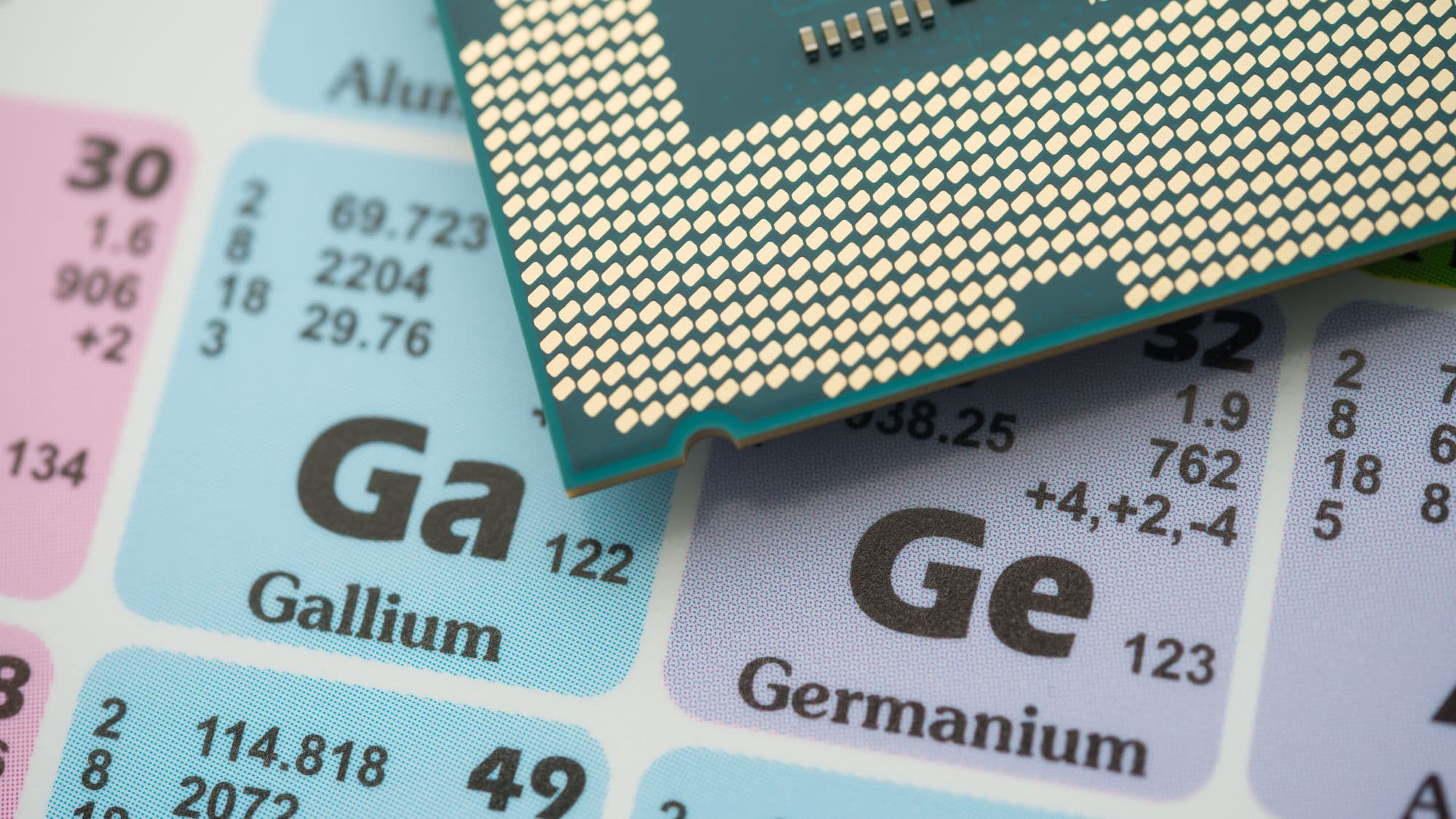
GaN, or gallium nitride, is the semiconductor material enabling Nvidia's shift from 54V rack distribution to an 800V DC architecture. As AI racks push past 200kW toward a megawatt, higher voltages cut current and copper costs. GaN's faster switching shrinks the power stages between the rack and the GPU.
Both Infineon and Innoscience appear on Nvidia's approved supplier list for this transition, alongside Texas Instruments, Navitas, and onsemi. The patent war between two key suppliers creates supply chain risk for anyone building next-generation AI infrastructure.
Innoscience led the global GaN power device market in 2024 with 29.9% share, according to TrendForce data. Infineon ranked fourth at 10.3%. But Infineon counters with 300mm GaN-on-silicon manufacturing and around 450 GaN patent families, compared to Innoscience's 8-inch fabs in Suzhou and Zhuhai.
Stock market reaction
Investors responded quickly. Innoscience's Hong Kong-listed shares rose 16.6% on Monday. Shanghai-listed compound semiconductor makers Silan Microelectronics and Sanan Optoelectronics each hit their 10% daily limit. Power chip maker China Resources Microelectronics climbed about 13%.
The rally reflects a broader bet: that Chinese semiconductor companies will capture more domestic share as foreign competitors face legal and regulatory headwinds.
The balkanization problem
Discussion on r/hardware and Hacker News has focused on what this means for the industry. Engineers and procurement teams worry that cross-border bans will force data center operators and EV manufacturers to duplicate engineering efforts. Certifying two different sets of components for different global markets slows innovation and increases costs.
One Hacker News commenter put it bluntly: "If I'm building an AI rack that ships to both the US and China, I now need two different power delivery designs. That's insane."
The patent war between Infineon and Innoscience is a microcosm of a larger fracturing. As semiconductor manufacturing becomes a matter of national security for both the US and China, companies building on top of these components face increasing complexity.
Another major semiconductor acquisition reshaping AI infrastructure
What happens next
Infineon has limited options in China. The Supreme People's Court is the final word. The company may need to redesign products to avoid the disputed patents, or simply exit that product segment in the Chinese market.
Innoscience, meanwhile, faces its own constraints in the US and Germany. The company claims its redesigned products are unaffected by the ITC ruling, but that assertion will face scrutiny during the presidential review period.
For Nvidia and other hyperscalers, the safest move is to qualify multiple suppliers in each jurisdiction. That redundancy costs money and time, but it beats a supply disruption when your customer is waiting for AI capacity.
Related tension between US tech exports and geopolitical restrictions
Frequently Asked Questions
What products are affected by the Infineon ban in China?
The ban covers certain gallium nitride (GaN) power chips used in high-efficiency power delivery systems, including those for AI data center racks and electric vehicles.
Can Infineon appeal the Chinese court ruling?
No. The Supreme People's Court is China's highest court. This ruling is final and cannot be appealed.
Does Innoscience still sell in the United States?
Innoscience claims its redesigned products are unaffected by the ITC ruling and that US shipments continue. The ruling is pending a 60-day presidential review period.
Why is GaN important for AI data centers?
GaN enables higher voltage power delivery (800V vs 54V), which reduces current, cuts copper costs, and shrinks power conversion stages. This is critical as AI racks exceed 200kW.
Who are the other major GaN power chip suppliers?
Besides Infineon and Innoscience, Nvidia's approved supplier list includes Texas Instruments, Navitas, and onsemi.


Logicity's Take
This is not about who has the better GaN technology. It is about which legal system each company can leverage. Innoscience wins at home, Infineon wins abroad. The real losers are global OEMs forced to maintain two supply chains. Expect hyperscalers to push dual-source mandates harder than ever, and watch for GaN startups outside both jurisdictions to pitch themselves as neutral suppliers.
Need Help Implementing This?
Navigating semiconductor supply chain risks for your AI infrastructure? Logicity's consulting partners can help you assess vendor exposure and build resilient sourcing strategies. Contact us at consulting@logicity.in.
Source: Latest from Tom's Hardware
Manaal Khan
Tech & Innovation Writer
Produced with AI assistance and reviewed by the Logicity editorial team. Learn more in our Editorial Policy.