Key Takeaways

- Over 100 cybersecurity executives signed a letter demanding the Trump administration lift export controls on Anthropic's latest AI models
- Anthropic took Fable 5 and Mythos 5 offline after a Commerce Department directive citing security concerns
- Signatories argue China's AI models are only months behind, making the restrictions counterproductive for U.S. cyber defense
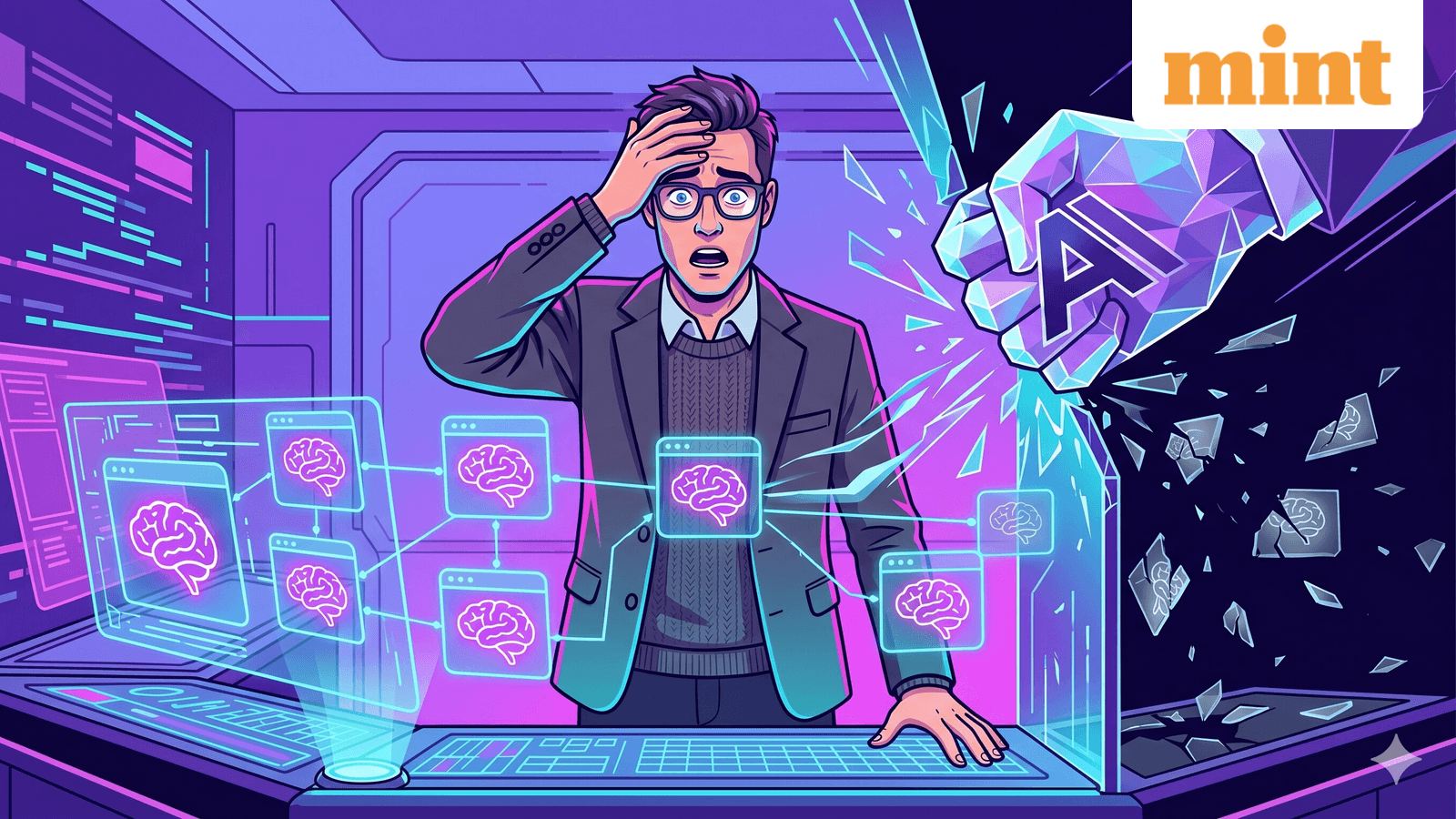
More than 100 cybersecurity executives, including leaders from Adobe and Nvidia, have signed an open letter asking the Trump administration to reverse export controls on Anthropic's most advanced AI models. The letter argues that blocking access to Fable 5 and Mythos 5 weakens American cyber defenses while doing little to slow foreign adversaries who are rapidly catching up.
Anthropic confirmed Friday that it pulled both models offline to comply with a Commerce Department directive. The San Francisco company said it does not believe the government's actions were warranted by the security concern that triggered them.
Why did the government restrict these Anthropic models?
Anthropic had already flagged that its Mythos 5 model could surpass human cybersecurity experts at finding and exploiting software vulnerabilities. The company limited access to select customers and held discussions with the White House about the model's capabilities before the export ban.
The directive arrived 10 days after President Trump signed an executive order creating a framework for vetting the national security risks of advanced AI systems. Under that order, developers could voluntarily delay public releases for up to a month while federal agencies assessed risks. Commerce's move against Anthropic, however, went further by mandating compliance.
What does the open letter actually say?
The signatories acknowledge that Mythos models are "quite good" at discovering flaws in software and weaponizing exploits. But they push back on the premise that these capabilities are unique. Many of the letter's authors say they already use other foundation and open-source models for security audits and training.
The letter calls the restrictions dangerous at a moment when China's AI models are "only months behind the best American models." It goes further, suggesting China's government likely has access to private capabilities beyond what has been made public. The signatories asked Commerce to commit to "an open, scientific and transparent process" for future AI risk assessments.
Anthropic's ongoing fight with the Pentagon
The export ban is just one front in a broader conflict between Anthropic and the Trump administration. After a contract dispute, Defense Secretary Pete Hegseth tried to declare Anthropic a supply chain risk. That move, unprecedented against a U.S. company, is now being challenged in two federal courts.
At the core of the dispute: Anthropic wanted assurances that the Pentagon would not use its technology in fully autonomous weapons or for surveilling American citizens. Hegseth's position is that the company must permit any use the Pentagon deems lawful. Neither side has budged.
How are security researchers reacting?
Online, the debate is split. On Hacker News, engineers questioned whether the "jailbreak" vulnerability cited by Commerce was a legitimate security concern or a pretext for protectionism. Many argued that AI models are inherently dual-use technologies that cannot be effectively gated.
Reddit's r/technology community expressed skepticism about the feasibility of restricting AI to domestic users. Given cloud infrastructure and the global distribution of AI talent, commenters argued, geographic limits on model access are nearly impossible to enforce.
What happens next?
The Commerce Department has not responded to requests for comment. Anthropic's federal court challenges against Hegseth's supply-chain designation are pending. Meanwhile, Fable 5 remains available in a limited version, while Mythos 5 stays offline.
The letter's signatories are asking for more than a reversal. They want a seat at the table when future risk assessments are made, rather than learning about restrictions after they take effect. Whether the administration will engage is unclear. Trump's executive order made participation voluntary for developers, but the Commerce directive shows the government is willing to act unilaterally when it perceives a threat.
Frequently Asked Questions
What are Anthropic's Fable 5 and Mythos 5 models?
They are Anthropic's most advanced AI models. Fable 5 is a publicly available version with limited capabilities, while Mythos 5 is more powerful and was restricted to select customers due to its ability to find and exploit software vulnerabilities.
Why did the U.S. government ban these AI models?
The Commerce Department issued a directive citing concerns that the models could be accessed by foreign nationals and used to discover or weaponize cybersecurity exploits. Anthropic could not immediately verify the citizenship of its global user base.
Who signed the open letter opposing the restrictions?
More than 100 cybersecurity executives and experts, including leaders from Adobe and Nvidia, signed the letter asking the Trump administration to lift the export controls.
What is the dispute between Anthropic and the Pentagon?
Anthropic sought assurances that the Pentagon would not use its AI in fully autonomous weapons or to surveil Americans. Defense Secretary Hegseth rejected those limits, and the Pentagon attempted to declare Anthropic a supply chain risk. Anthropic is challenging this in federal court.
Are other AI models capable of the same cybersecurity exploits?
According to the open letter, yes. Signatories state that other foundation models and open-source tools are regularly used for security audits and can perform similar tasks, meaning Anthropic's models are not uniquely dangerous.
Logicity's Take
This fight exposes a fundamental tension in U.S. AI policy: the government wants to control dual-use technology, but the tools that can be weaponized are often the same ones defenders need most. Export controls work for physical goods with traceable supply chains. For AI models distributed via cloud APIs, they are nearly impossible to enforce without crippling domestic access. The real question is whether Washington can build a risk-assessment process fast enough to keep pace with model releases, or if every major capability jump will trigger another reactive ban.
Need Help Implementing This?
If your organization is navigating AI compliance, export controls, or cybersecurity policy, Logicity can connect you with experts who understand both the technical and regulatory landscape. Reach out to our editorial team for recommendations.
Source: mint
Huma Shazia
Senior AI & Tech Writer
Produced with AI assistance and reviewed by the Logicity editorial team. Learn more in our Editorial Policy.