Key Takeaways
- ShinyHunters stole data from 5,995,277 Carnival customers through a social engineering attack on April 10, 2026
- Exposed data includes names, dates of birth, email addresses, genders, and Holland America loyalty program details
- The FBI advises victims not to pay ransom demands from the ShinyHunters extortion gang
What Happened
Carnival Corporation, the world's largest cruise operator, confirmed this week that hackers stole personal data from 5,995,277 customers. The company began sending breach notification letters on Wednesday, nearly seven weeks after the April 10, 2026 attack.
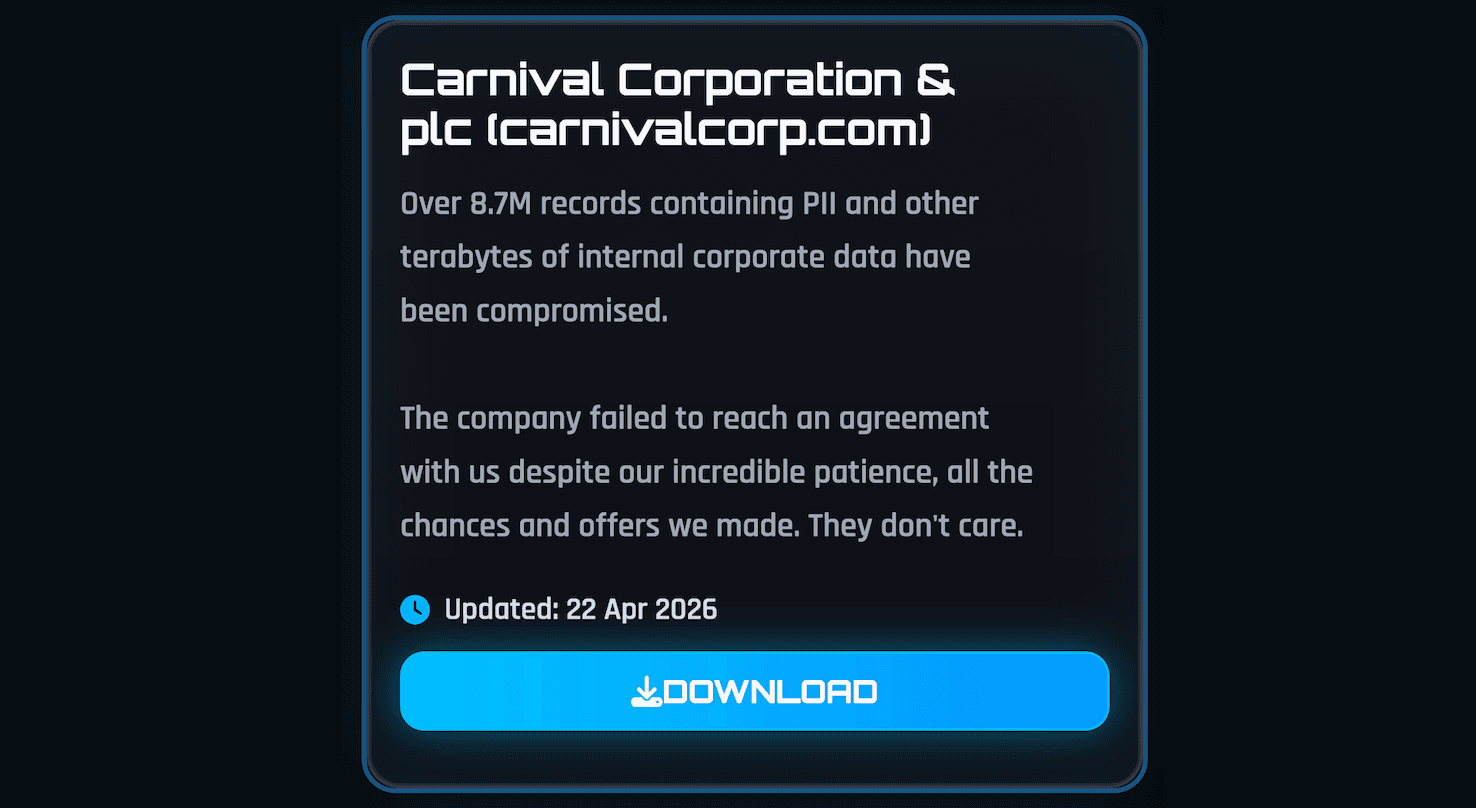
The ShinyHunters extortion gang claimed responsibility for the breach in April. The group says it stole documents containing over 8.7 million records with personally identifiable information, plus terabytes of internal corporate data.
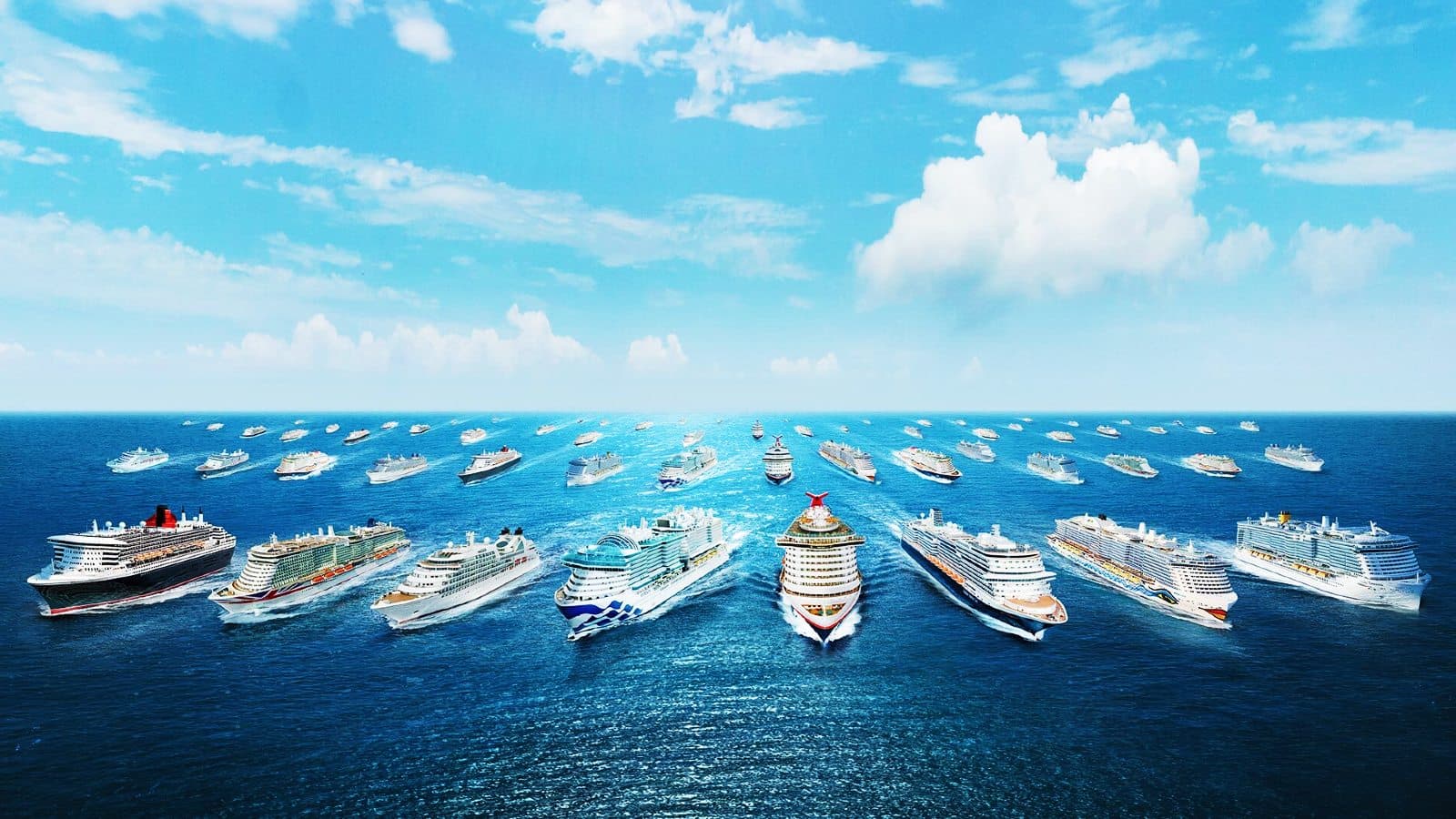
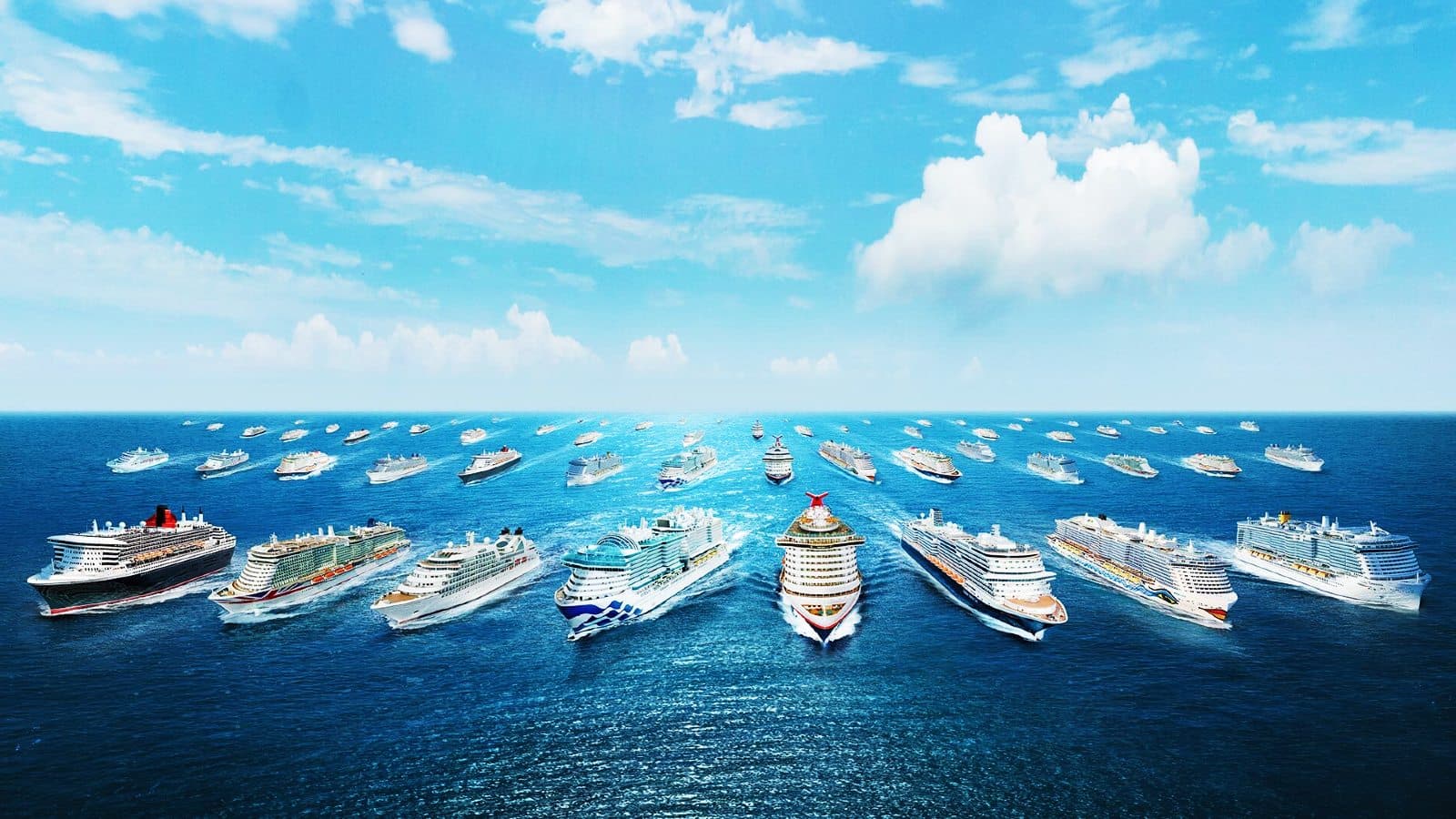
Carnival operates nine cruise brands including Carnival Cruise Line, Princess Cruises, Holland America Line, and Cunard. The company runs a fleet of over 90 ships, served 13.5 million guests in 2024, and reported $26 billion in revenue last year. That scale makes it a high-value target for cybercriminals.
How the Attack Worked
The attackers used social engineering to trick a Carnival employee into granting access. In the breach notification letters, Carnival described the method:
“An unauthorized actor used social engineering to deceive an employee to gain access to a limited portion of the Company's IT system.”
— Carnival Corporation data breach notification letter
Carnival's IT security team spotted the unauthorized activity on April 14, four days after the initial compromise. The company says it blocked the attackers and brought in third-party security experts. By April 22, investigators confirmed the hackers had copied personal information.
What Data Was Stolen
Carnival has not publicly detailed exactly what information the hackers took. A company spokesperson did not respond to BleepingComputer's questions about the stolen data.
Have I Been Pwned, the data breach notification service, analyzed the leaked data. According to their review, the exposed information includes:
- Names
- Dates of birth
- Email addresses
- Genders
- Geographic locations
- Loyalty program details
The data appears connected to the Mariner Society loyalty program run by Holland America, one of Carnival's cruise brands. Have I Been Pwned noted that the records included "names, dates of birth, genders and data relating to status within the loyalty program."
Who Is ShinyHunters
ShinyHunters is an extortion gang that has breached hundreds of companies worldwide over the past year. The group has targeted Salesforce customers specifically, claiming to have stolen billions of records in campaigns they called Salesloft Drift and Salesforce Aura.
The gang's tactics follow a consistent pattern: breach corporate systems, exfiltrate data, and demand payment to prevent public release. When companies refuse to pay, ShinyHunters publishes the stolen data on their leak site.
Two weeks ago, the FBI issued specific guidance for ShinyHunters victims: do not pay the ransom. The bureau has previously warned that paying does not guarantee attackers will delete the stolen data or refrain from selling it.
What Customers Should Do
If you're a Carnival customer or Holland America Mariner Society member, assume your data may be compromised. Here's what to do:
- Check Have I Been Pwned (haveibeenpwned.com) to see if your email appears in the breach
- Watch for phishing attempts using your personal details (scammers now know your name, birthdate, and cruise loyalty status)
- Review Carnival's breach notification letter for details on any identity monitoring services offered
- Consider a credit freeze if you're concerned about identity theft
Community discussion on cybersecurity forums has focused on frustration with typical breach remedies. The standard offer of two years of identity monitoring does little to address permanently exposed information like names and birthdates.
Logicity's Take
The Bigger Picture
Carnival's breach is the latest example of hospitality and travel companies falling to social engineering attacks. These companies hold valuable personal data, operate complex global IT systems, and employ hundreds of thousands of people. Any one of those employees can become the entry point.
ShinyHunters' focus on Salesforce-connected targets suggests the gang looks for companies using popular enterprise software. Once they identify a target, they only need one successful phishing attempt to start extracting data.
For Carnival's 6 million affected customers, the damage is done. Their names, birthdates, and loyalty program details are now in criminal hands, likely to be used in targeted scams for years to come.
Frequently Asked Questions
How many people were affected by the Carnival data breach?
Carnival is notifying 5,995,277 customers about the breach. ShinyHunters claims to have stolen over 8.7 million records total.
What information was stolen in the Carnival breach?
According to Have I Been Pwned's analysis, the breach exposed names, dates of birth, email addresses, genders, geographic locations, and loyalty program details from the Holland America Mariner Society.
When did the Carnival data breach happen?
The attack occurred on April 10, 2026. Carnival detected unauthorized activity on April 14 and confirmed data theft on April 22. Customer notifications began on May 28.
Should I pay a ransom if ShinyHunters contacts me?
No. The FBI specifically advises ShinyHunters victims not to pay ransom demands. Payment does not guarantee your data will be deleted or protected.
How can I check if my data was in the Carnival breach?
Visit haveibeenpwned.com and enter your email address. The service has loaded the Carnival breach data and will show if your information appears in the leak.
Need Help Implementing This?
Source: BleepingComputer
Manaal Khan
Tech & Innovation Writer
Produced with AI assistance and reviewed by the Logicity editorial team. Learn more in our Editorial Policy.