Key Takeaways
Introducing ChatGPT Work, powered by Codex and GPT-5.6
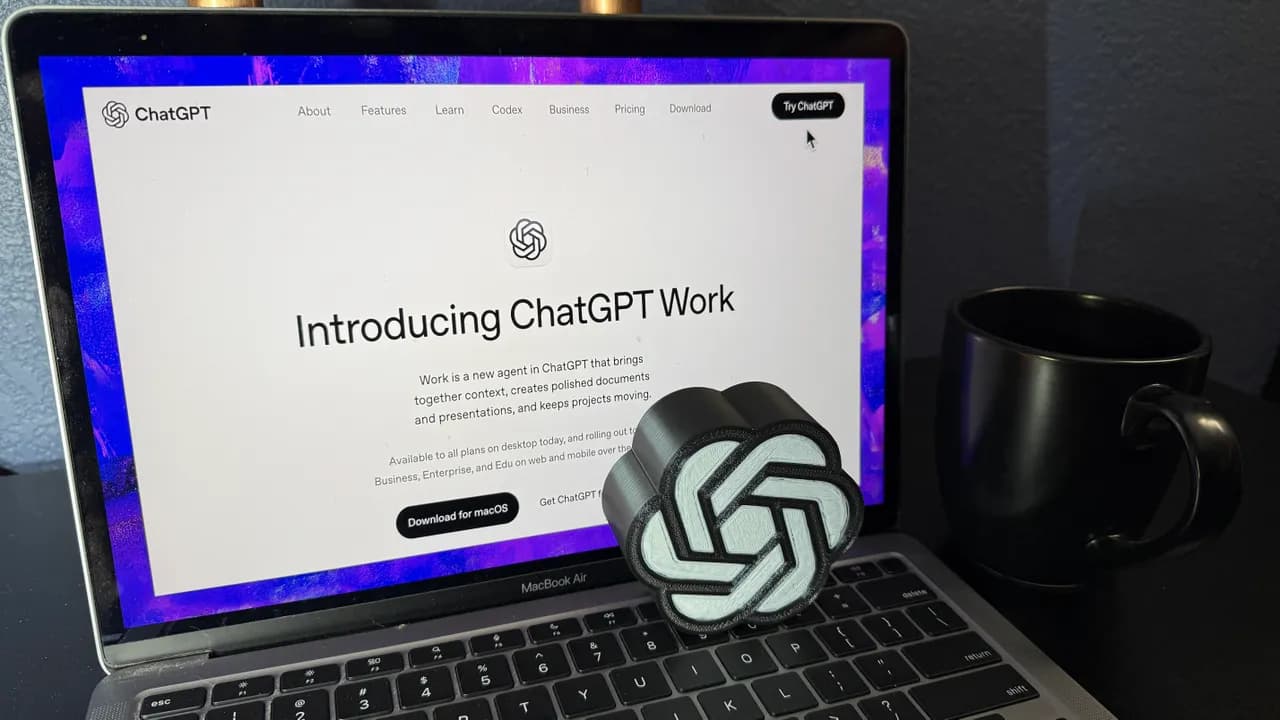
- OpenAI removed the in-app screenshot and 'Work With' features from ChatGPT Desktop
- The app is now essentially Codex with a ChatGPT label, pushing users toward $100/month Pro plans
- Browser-based ChatGPT remains more functional for most productivity use cases
OpenAI has merged its ChatGPT Desktop app with Codex, stripping out popular productivity features in the process. The in-app screenshot tool and the 'Work With' integration are both gone. What remains is a Codex-first experience that nudges users toward more expensive subscription tiers.
David Gewirtz at ZDNet discovered the changes while attempting to compare the new ChatGPT Work with Anthropic's Claude Cowork. Instead of a straightforward review, he found himself documenting what OpenAI removed from an app he'd relied on daily.
What features did OpenAI remove?
Two standout features made ChatGPT Desktop worth using over the browser version. The first was an in-app screenshot tool. You could capture any part of your screen and drop it directly into the chat, no third-party screenshot app required. For troubleshooting system issues or explaining visual problems to ChatGPT, this saved real time.
The second was 'Work With', a feature that let ChatGPT see the contents of your current window in apps like Notion, Notes, and TextEdit. Tap the button, type your prompt, and ChatGPT had full context of whatever you were looking at. Both features are now gone.
Disclosure
Some links in this post are affiliate links — Logicity earns a commission if you sign up, at no extra cost to you. We only link products we have used or actively recommend.
Why did OpenAI gut the desktop app?
Follow the money. OpenAI's pricing tiers tell the story. Chat-only users sit on the free plan, the $8/month Go plan, or the $20/month Plus plan. None of these are particularly lucrative.
Codex users and ChatGPT Work users need tokens. Lots of them. Agentic AI workflows burn through compute quickly, which means these users must upgrade to at least the $100/month Pro plan to get meaningful work done. OpenAI's new app design funnels everyone toward that tier.
The updated app doesn't hide this. When you launch it after upgrading, a splash screen actively encourages you to use the Codex icon instead of the ChatGPT one. The About screen still says 'ChatGPT', but the experience is Codex with a different label.
Is the browser version still better?
For most users, yes. The browser version of ChatGPT retains features the desktop app never had, like creating and editing custom GPTs. It also doesn't have the awkward hybrid identity problem the desktop app now suffers from.
The desktop app's original appeal was convenience. When you have 100 browser tabs open, a dedicated app for ChatGPT made sense. But if that app removes the features that made it useful, the convenience argument falls apart. You're better off adding one more tab.
Windows users aren't safe either
A Windows version of the restructured ChatGPT Desktop app is coming. OpenAI hasn't announced a timeline, but Windows users should expect the same trade-offs: fewer everyday productivity features, more pressure to subscribe to higher-tier plans for agentic capabilities.
What does this mean for power users?
If you relied on ChatGPT Desktop for quick visual context sharing, you need alternatives. For screenshot workflows, dedicated tools like CleanShot X or the built-in macOS screenshot utility still work. You'll just need an extra step to paste images into the chat.
For the 'Work With' functionality, there's no direct replacement yet. You could copy text from your app and paste it into the prompt, but that's manual labor the feature was designed to eliminate. Anthropic's Claude desktop app doesn't replicate this feature either, so there's a gap in the market.
Logicity's Take
OpenAI is making a classic platform pivot: strip out free-tier conveniences to push users toward revenue-generating features. It's logical from a business perspective, especially with data center costs mounting. But it's a gamble. Power users who adopted ChatGPT Desktop specifically for its productivity features now have less reason to stay in the OpenAI ecosystem. Anthropic's Claude, Google's Gemini, and even [Perplexity](https://logicity.in/r/perplexity) are all competing for the same workflow. OpenAI is betting that Codex and Work justify the higher price. If those tools don't deliver immediate value, the goodwill erosion could be significant.
Frequently Asked Questions
Did OpenAI remove the ChatGPT Desktop app entirely?
No. The app still exists, but it's been merged with Codex. Several productivity features, including in-app screenshots and 'Work With' integration, have been removed.
What is ChatGPT Work?
ChatGPT Work is OpenAI's new agentic AI product designed for workplace productivity. It uses autonomous agents to complete tasks but requires a Pro-tier subscription or higher for meaningful use.
Is the browser version of ChatGPT still the same?
Yes. The browser version retains all its previous features, including the ability to create and edit custom GPTs. For most users, it's now more capable than the desktop app.
How much does ChatGPT Pro cost?
ChatGPT Pro costs $100 per month. This tier is required for heavy use of Codex and ChatGPT Work due to the token consumption of agentic workflows.
Will the Windows ChatGPT app have the same changes?
OpenAI has confirmed a Windows version of the restructured app is coming. It's expected to have the same Codex-first design as the Mac version.
For context on where AI investment dollars are flowing right now
Need Help Implementing This?
If you're evaluating AI productivity tools for your team, Logicity can help you navigate the options and build workflows that don't depend on a single vendor. Get in touch.
Source: Latest news
OpenAI details ChatGPT Work use cases for data science teams
The new article provides specific use case details for data science teams using ChatGPT Work, including concrete workflow examples (turning dashboards, metric definitions, exports, and experiment notes into analysis assets with charts, caveats, and source links). It also confirms the Codex-to-ChatGPT Work transition with a note about a recorded webinar that was originally for Codex workflows.
Huma Shazia
Senior AI & Tech Writer
Produced with AI assistance and reviewed by the Logicity editorial team. Learn more in our Editorial Policy.




