Key Takeaways
- Mid-range Samsung Galaxy A37 and A57 impressed GSMArena with selfie video quality despite costing one-fifth of flagship prices
- The test compares 12MP sensors in budget phones against 50MP sensors in vivo X300 Ultra and Oppo Find X9 Ultra
- Viewers can vote on unlabeled clips before GSMArena reveals which phone shot which video
The Setup: €430 vs €2,000
GSMArena noticed something unusual while reviewing the Samsung Galaxy A37 and Galaxy A57. The selfie videos from these mid-range phones looked surprisingly good. Good enough to challenge flagships costing four or five times as much.
So they designed a blind test. Five phones, five selfie video clips, random order, no labels. Viewers vote on which looks best before learning the price tags.
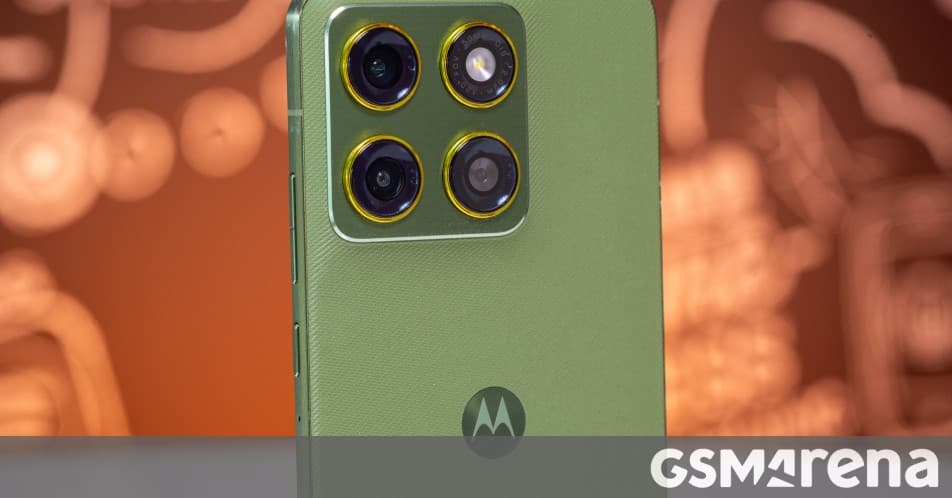
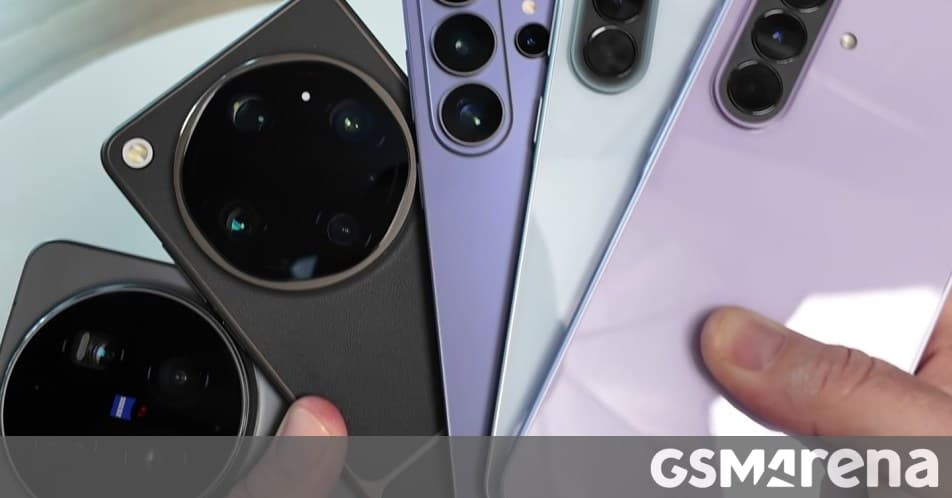
The contenders split into two camps. In the flagship corner: the vivo X300 Ultra (€2,000 MSRP), the Oppo Find X9 Ultra, and the Samsung Galaxy S26 Ultra. In the budget corner: the Samsung Galaxy A37 (€430 MSRP, street price already lower) and Galaxy A57.
Specs on Paper Favor the Flagships
On specifications alone, this looks like a mismatch. The vivo X300 Ultra and Oppo Find X9 Ultra pack 50MP front sensors. The Samsung Galaxy S26 Ultra uses an optimized 12MP sensor. All three run on the Snapdragon 8 Elite Gen 5, giving them flagship-class image processing.
The Galaxy A37 and A57 also use 12MP front sensors but lack autofocus. They run on mid-tier chips without the computational photography muscle of their expensive siblings.
Yet GSMArena claims the selfie videos from these budget phones impressed them during testing. That's the question the blind test aims to answer: do viewers notice the hardware gap when watching the actual footage?
How the Test Works
GSMArena shot selfie video samples on all five phones under the same conditions. They uploaded the clips to TikTok, Instagram, and YouTube, labeling them Phone 1 through Phone 5 in random order.
For viewers who want to avoid streaming compression artifacts, GSMArena offers a high-quality video download. They also published still frames from each clip.
The reveal comes later. GSMArena will share voting results and match each clip to its source phone after collecting enough responses.
Why This Matters for Phone Buyers
Smartphone camera tests usually focus on rear cameras. Portrait mode, night photography, zoom capability. Selfie cameras get less attention despite being essential for video calls, content creation, and social media.
If budget phones can match or approach flagship selfie video quality, it changes the value calculation for many buyers. Not everyone needs the best rear camera system. But almost everyone uses the front camera regularly.
The test also highlights how much software processing has closed the hardware gap. A 12MP sensor from 2026 with good algorithms may outperform a 50MP sensor with mediocre processing. Megapixel counts stopped being reliable quality indicators years ago.
| Phone | Front Camera | Price | Processor |
|---|---|---|---|
| vivo X300 Ultra | 50MP | €2,000 | Snapdragon 8 Elite Gen 5 |
| Oppo Find X9 Ultra | 50MP | Flagship tier | Snapdragon 8 Elite Gen 5 |
| Samsung Galaxy S26 Ultra | 12MP (optimized) | Lower than rivals | Snapdragon 8 Elite Gen 5 |
| Samsung Galaxy A37 | 12MP (no AF) | €430 | Mid-range |
| Samsung Galaxy A57 | 12MP (no AF) | Mid-range | Mid-range |
What to Watch For
When evaluating the clips, look for specific quality markers. Skin tone accuracy matters more than sharpness in selfie video. Dynamic range shows whether the phone handles mixed lighting. Stabilization determines if the footage looks smooth or jittery.
- Skin tone accuracy: Natural colors vs oversaturated or washed out
- Dynamic range: Detail in shadows and highlights simultaneously
- Noise handling: Grain in lower light areas
- Stabilization: Smoothness during movement
- Focus consistency: Sharp face throughout the clip
The lack of autofocus on the A37 and A57 may show up during movement. Fixed focus works fine at typical arm's length but struggles if the subject moves closer or farther.
Logicity's Take
The Bigger Picture
This test fits a pattern. Every year, the gap between flagship and mid-range smartphones shrinks. Last year's premium features become this year's mid-tier standard. Processing power that once required top chips now runs on efficient mid-range silicon.
For phone makers, this creates a problem. Convincing buyers to spend €1,500+ extra for marginal improvements gets harder. For buyers, it's good news. Capable phones cost less than ever.
Related smartphone privacy and feature analysis
Frequently Asked Questions
Where can I participate in GSMArena's selfie video blind test?
The test clips are available on GSMArena's TikTok, Instagram, and YouTube channels. You can also download a high-quality video from their website to avoid streaming compression.
Which phones are included in the blind test?
Five phones: vivo X300 Ultra, Oppo Find X9 Ultra, Samsung Galaxy S26 Ultra, Samsung Galaxy A37, and Samsung Galaxy A57.
When will GSMArena reveal which phone shot which video?
GSMArena will share results and reveal the phone-to-clip mapping after collecting votes. No specific date was announced.
Why does a 12MP sensor sometimes beat a 50MP sensor in photos?
Image processing software matters as much as hardware. A lower resolution sensor with excellent algorithms can produce better results than a high-resolution sensor with mediocre processing. Pixel size, noise handling, and color science all affect quality beyond megapixel count.
What's the price difference between the cheapest and most expensive phones tested?
The Samsung Galaxy A37 costs €430 MSRP while the vivo X300 Ultra costs €2,000, a difference of €1,570 or roughly 4.6x.
Need Help Implementing This?
Source: GSMArena.com / GSMArena team
Huma Shazia
Senior AI & Tech Writer
Produced with AI assistance and reviewed by the Logicity editorial team. Learn more in our Editorial Policy.