Key Takeaways
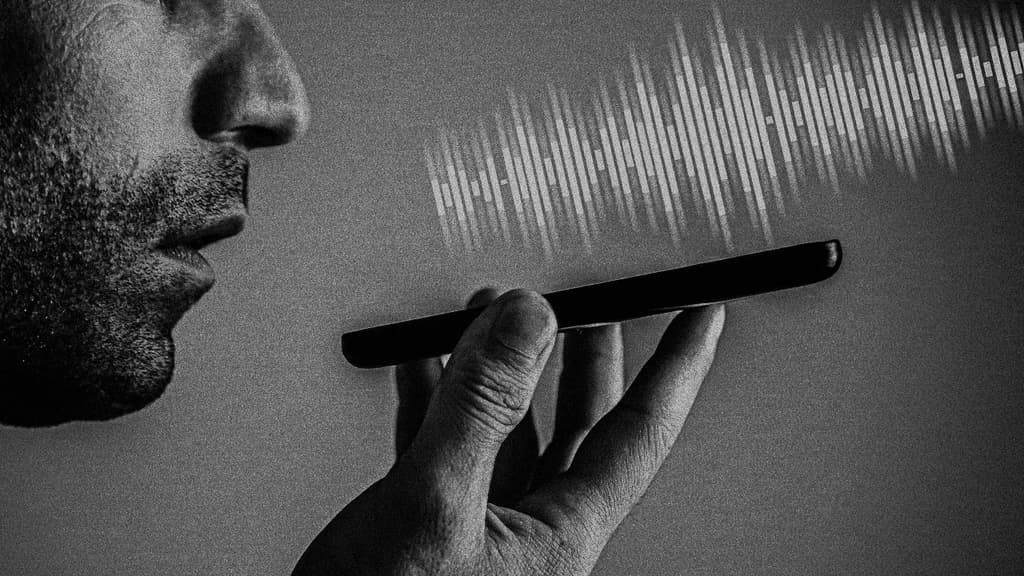
- iPhone call recording only shows a persistent visual indicator to the person initiating the recording
- The person being recorded hears an audio alert but sees nothing on screen and cannot stop the recording
- Apple has not changed this behavior through iOS 26.4, despite the company's stated privacy focus
When Apple shipped iOS 18.1 in fall 2024, it included a feature that seemed to contradict the company's privacy-first reputation: native call recording built directly into the Phone app. The feature lets any iPhone user record a phone call without using third-party apps or speakerphone workarounds.
The problem isn't that call recording exists. It's how Apple designed the notification system around it.
What Happens When Someone Records Your Call
When an iPhone user starts recording a call, both parties hear an audio alert. They hear another alert when the recording ends. Apple likely designed this to satisfy consent laws, which vary by state between single-party and all-party requirements.
But the visual experience is completely different for each party. The person who starts the recording sees a persistent on-screen indicator showing the recording is active. They can stop it whenever they choose.
The person being recorded sees nothing. No icon. No banner. No way to stop the recording even if they wanted to.
If you miss that initial audio alert, perhaps because you're fumbling with AirPods or in a noisy environment, you have no way to know the call is being recorded. And if you hang up before the other person ends the recording, you won't hear the ending alert either.
No Opt-Out Option
Apple's implementation offers no way for iPhone users to prevent their calls from being recorded. There's no setting to block incoming recordings, no way to receive a persistent notification, and no control to stop a recording once it starts.
This is a departure from how Apple typically handles privacy-sensitive features. The company usually gives users granular control over what apps and people can access. Location sharing, photo access, and microphone permissions all come with detailed settings and persistent indicators.
Call recording gets none of that treatment for the person being recorded.
Still Unchanged in iOS 26.4
The feature shipped in iOS 18.1 roughly a year and a half ago. Apple has released multiple iOS updates since then. The behavior remains identical in iOS 26.4.
Apple has not publicly addressed why the notification system is asymmetric, or whether changes are planned. The company has not responded to criticism that the audio-only notification is insufficient for the privacy standards it claims to uphold.
Logicity's Take
What You Can Do
Until Apple changes the feature, your options are limited. You can ask callers directly if they're recording. You can pay close attention at the start of calls for the audio notification. And you can assume that any iPhone call might be recorded without your ongoing awareness.
For business calls where confidentiality matters, consider using alternative communication methods that give you more control, or establish recording policies with the people you call regularly.
Another look at how tech companies handle emerging privacy and security challenges
Frequently Asked Questions
How do I know if someone is recording my iPhone call?
You will hear an audio alert when the recording starts and ends. However, there is no visual indicator on your screen, and if you miss the audio notification, you have no other way to know.
Can I stop someone from recording my iPhone call?
No. Apple's implementation only gives recording controls to the person who initiated the recording. The person being recorded cannot stop or block it.
Can I opt out of having my iPhone calls recorded?
No. There is currently no setting in iOS that prevents others from recording your calls or gives you a persistent notification when recording is active.
Is iPhone call recording legal?
It depends on your state. Some states require only one party to consent to recording, while others require all parties. The audio notification is likely Apple's attempt to address consent requirements, but laws vary.
Need Help Implementing This?
Source: Fast Company / Michael Grothaus
Manaal Khan
Tech & Innovation Writer
Produced with AI assistance and reviewed by the Logicity editorial team. Learn more in our Editorial Policy.