Key Takeaways
Hero MotoCorp EV Strategy | Ather Energy | GoGoRo | Value Buy
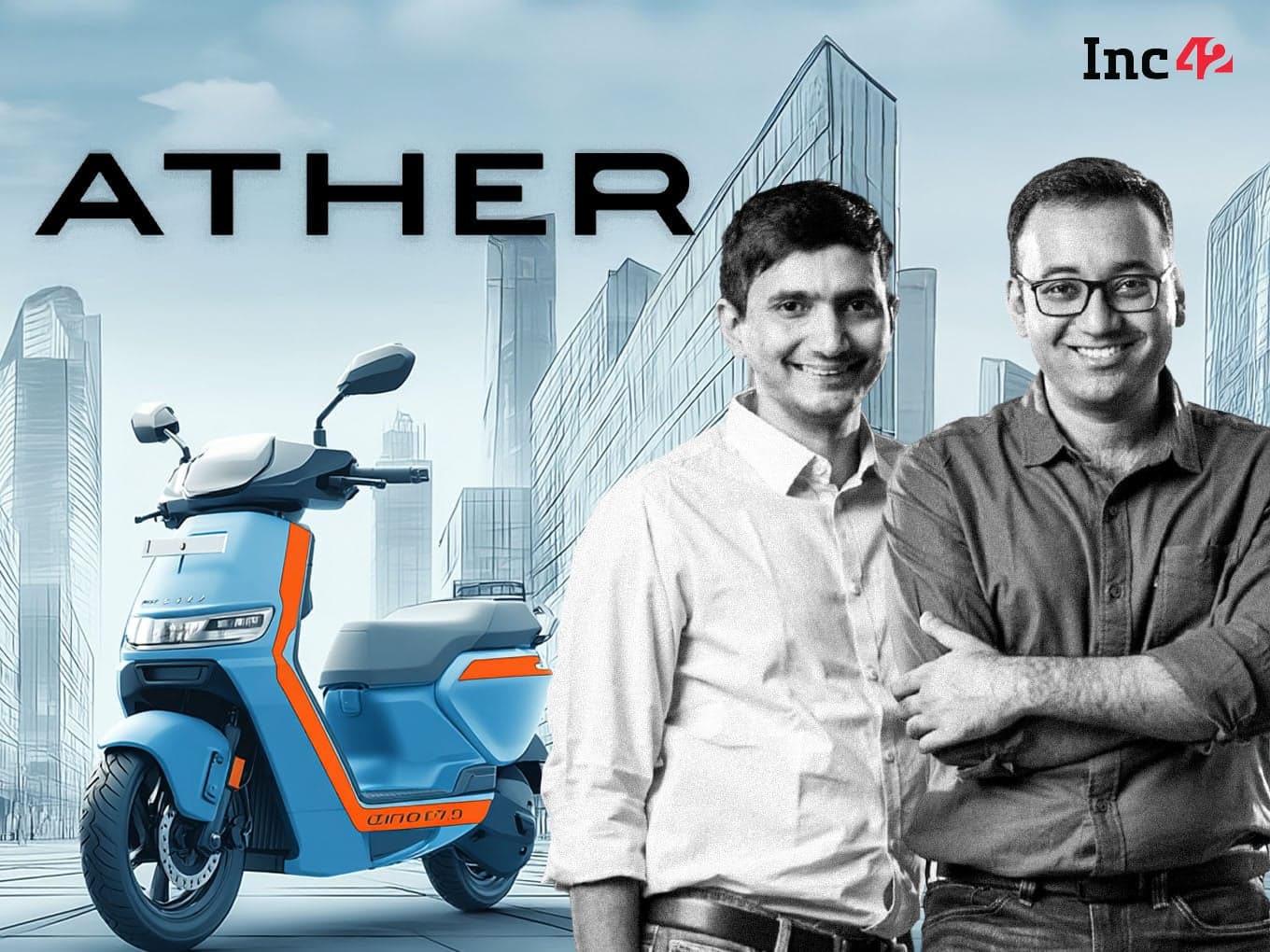
- Ather Energy approved a ₹1,200 Cr raise through equity shares at ₹1,230 and convertible warrants at ₹1,260
- Hero MotoCorp commits ₹960 Cr, increasing its stake from 29.48% to 30.68% on full conversion
- NIIF's India-Japan Fund invests ₹200 Cr while co-founders Tarun Mehta and Swapnil Jain add ₹20 Cr each
Ather Energy's board has approved a ₹1,200 crore fundraise through a preferential issue combining equity shares and convertible warrants. Hero MotoCorp, already Ather's largest shareholder, will pour in ₹960 crore of the total, roughly 80% of the raise. The electric two-wheeler maker's stock closed 7% higher at ₹1,298 on the BSE following the announcement.
How is the ₹1,200 Cr split?
The structure breaks into two parts. Equity shares will be allotted at ₹1,230 apiece. Separately, 79.36 lakh convertible warrants will be issued at ₹1,260 each, with each warrant convertible into one equity share.
Hero MotoCorp's ₹959.99 crore buys 76.19 lakh warrants. Co-founders Tarun Mehta and Swapnil Jain will subscribe to 1.59 lakh warrants each, investing ₹20 crore apiece. The India-Japan Fund, managed by the National Investment and Infrastructure Fund (NIIF), will acquire 16.26 lakh equity shares for about ₹200 crore.
Warrant holders pay 25% of the issue price upfront. The remaining 75% is due when they convert to equity, which must happen within 18 months of allotment.
What happens to ownership stakes?
Assuming full conversion, Hero MotoCorp's stake rises from 29.48% to 30.68%. NIIF's holding edges up from 5.75% to 6.02%. The founders' combined stake actually shrinks slightly, from 4.93% each to 4.85%, as dilution from the overall raise outpaces their ₹40 crore injection.
This is a familiar dynamic for founders in high-growth companies. They maintain skin in the game while ceding percentage ownership to larger capital partners. For Ather, keeping Hero MotoCorp invested and expanding its stake signals continued commitment from India's largest two-wheeler manufacturer.
Where will the money go?
Last month, Ather announced ambitions to raise up to ₹2,500 crore. This ₹1,200 crore tranche targets expansion, R&D, new product development, and manufacturing capacity. The company has been scaling its retail footprint while competitors like Ola Electric and TVS iQube expand aggressively.
Manufacturing capacity is the constraint. India's EV two-wheeler market grew rapidly over the past two years, but supply chain bottlenecks and production limits have capped how quickly any single player can grab market share. Fresh capital lets Ather build ahead of demand rather than chase it.
Why does Hero MotoCorp keep doubling down?
Hero MotoCorp sells more internal combustion two-wheelers than anyone else in India. Its EV strategy, however, relies heavily on Ather. Rather than build electric capabilities from scratch, Hero chose to invest and partner. Each additional investment deepens that bet.
At 30.68%, Hero remains below the 33% threshold that would require a formal open offer under SEBI takeover regulations. The company gets strategic alignment without triggering mandatory acquisition rules. It's a calculated position.
Hero's board committee approved the fresh investment a day before Ather's announcement, suggesting coordinated timing. The preferential allotment still requires Ather shareholder approval via an extraordinary general meeting.
What does NIIF's involvement signal?
NIIF manages sovereign and quasi-sovereign money. Its India-Japan Fund specifically targets opportunities where Japanese capital and Indian growth intersect. Japan's Suzuki, Honda, and Yamaha all have skin in India's two-wheeler market. A Japanese-backed fund investing in an Indian EV player suggests strategic interest beyond pure financial returns.
NIIF's ₹200 crore is modest relative to Hero's commitment, but institutional investors of this profile don't participate casually. It validates Ather's trajectory at a moment when the company is navigating post-IPO execution.
Logicity's Take
For fintech and finance teams watching the EV capital stack, Ather's structure offers a template. The 25/75 warrant payment split manages cash flow for investors while giving Ather committed capital. Hero's sub-33% stake avoids open offer triggers, preserving flexibility. This is clean financial engineering, not just a fundraise. Comparable EV plays like Ola Electric raised at higher valuations during their private rounds but have seen public market scrutiny on unit economics. Ather's ₹1,230 share price implies a valuation around ₹14,000-15,000 crore, roughly in line with its IPO pricing. No froth, no discount. Investors watching India's EV transition should track whether the ₹2,500 crore target closes in subsequent tranches.
What's next for Ather?
The extraordinary general meeting will determine whether shareholders approve the preferential issue. Given Hero's existing stake and the founders' participation, approval is likely a formality. The real test comes in execution: can Ather deploy ₹1,200 crore into manufacturing and R&D fast enough to maintain its premium positioning against Ola, TVS, and Bajaj?
Ather built its brand on product quality and charging infrastructure. Both require capital. The EV two-wheeler market is no longer a niche. It's a fight for the future of Indian mobility, and this fundraise is Ather's entry ticket to the next round.
Frequently Asked Questions
How much is Hero MotoCorp investing in Ather Energy?
Hero MotoCorp is investing ₹959.99 crore to subscribe to 76.19 lakh convertible warrants at ₹1,260 each.
What will Ather Energy's valuation be after this fundraise?
Based on the ₹1,230 equity share price, Ather's implied valuation is approximately ₹14,000-15,000 crore, consistent with its IPO pricing.
What stake will Hero MotoCorp hold after full warrant conversion?
Hero MotoCorp's stake will increase from 29.48% to 30.68% assuming all warrants convert to equity.
When must the convertible warrants be converted?
Warrant holders have 18 months from allotment to convert their warrants into equity shares.
Why are the co-founders' stakes decreasing despite investing?
Dilution from the overall ₹1,200 crore raise outpaces their ₹40 crore combined investment, reducing their percentage ownership from 4.93% to 4.85% each.
Another recent Indian startup raise with strategic expansion plans
Need Help Implementing This?
Tracking capital raises, ownership structures, and EV market dynamics? Logicity covers the deals that matter to fintech and finance teams. Subscribe to our newsletter for weekly funding roundups and strategic analysis.
Source: Inc42 Media / Shrishti Bisht
Manaal Khan
Tech & Innovation Writer
Produced with AI assistance and reviewed by the Logicity editorial team. Learn more in our Editorial Policy.