Key Takeaways
- Oak raised $60M in seed funding from Accel, CRV, and Greylock to build identity management for AI agents
- The startup's AI connector framework removes unused permissions in real-time rather than during periodic reviews
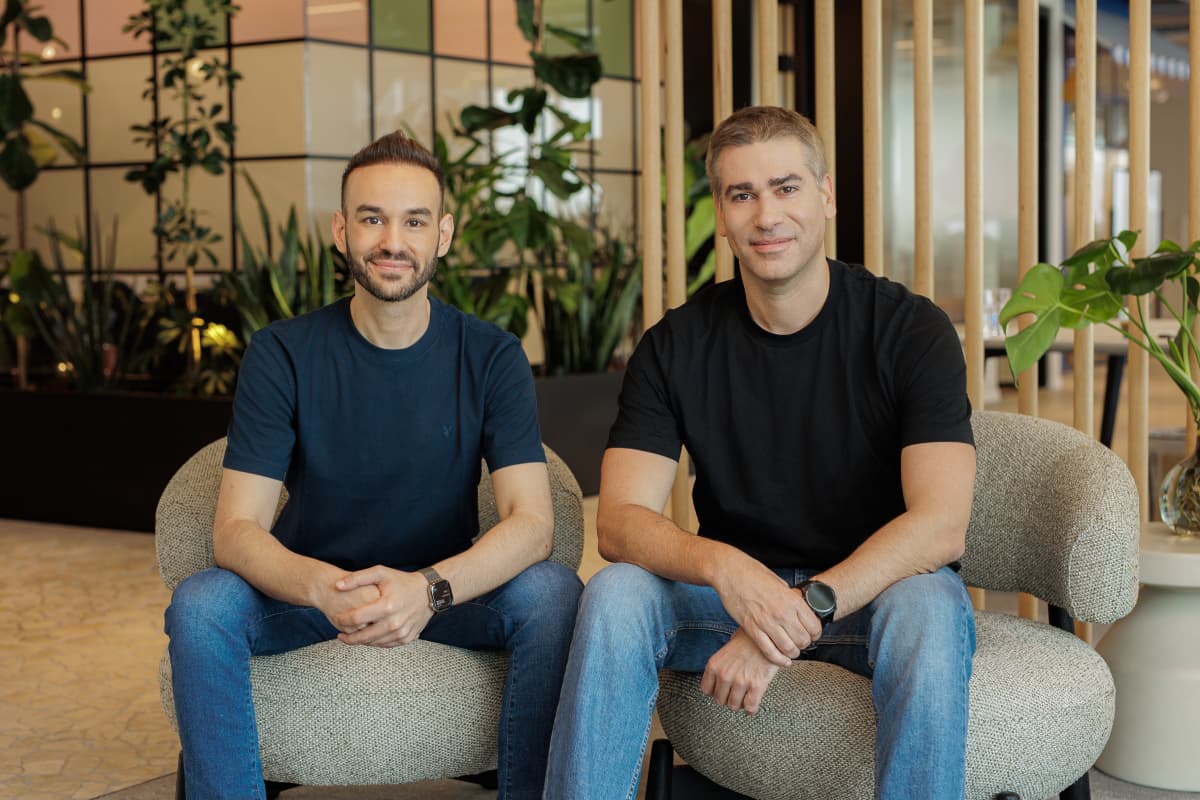
- Founded by Shai Morag, who sold Ermetic to Tenable for $265M in 2023
Oak, an Israeli cybersecurity startup, emerged from stealth today with $60 million in seed funding and a product already deployed at enterprise clients. The company builds identity management infrastructure designed for a world where AI agents work alongside humans, a problem that legacy tools weren't built to handle.
The round was co-led by Accel, CRV, and Greylock Partners, with participation from AlphaDrive Ventures, Hetz Ventures, and angel investors. For a seed round, $60 million is unusually large. It reflects both the founders' track records and investors' conviction that identity management is due for a generational shift.
Why existing identity tools can't handle AI agents
Traditional identity and access management systems were designed for humans logging into cloud applications. They assumed a relatively static set of users, periodic access reviews, and manual provisioning. AI agents break every one of those assumptions.
Agents create accounts, request permissions, and access data autonomously. They spin up and shut down faster than quarterly audits can track. And they multiply. A single workflow automation might spawn dozens of agent identities, each needing appropriate permissions.
Oak's co-founder Tal Marom spent months interviewing 100 CISOs and IAM leaders before building the product. The consistent finding: existing processes are too manual and operations-based rather than risk-based. "There's no trigger when an employee logs in from an unusual location," said Shai Morag, Oak's CEO. The same gaps apply to agents, but at machine speed.
What Oak actually does
Oak describes itself as a "unified control plane" for identity across an organization. The core technical claim is an AI connector framework that maps access to actual application usage, then removes permissions that aren't being used, in real time.
This matters because outdated credentials are among the most common security vulnerabilities. Attackers don't need to find zero-days when old service accounts with excessive permissions sit around for months. Oak's approach aims to eliminate that attack surface continuously, not just during scheduled reviews.
The company didn't name clients, but said its product is generally available and already deployed in enterprise environments. That's notable for a company emerging from stealth. Most stealth-mode announcements come with a beta or waitlist. Oak apparently used its stealth period to ship.
Morag's track record explains the round size
Shai Morag is a former Israeli army major who spent over two decades in cybersecurity. He's had three exits, including selling Secdo to Palo Alto Networks in 2018. Most recently, he founded Ermetic, a cloud identity and security startup that Tenable acquired for $265 million in 2023.
Accel had led Ermetic's Series A when it was pre-revenue. After the Tenable acquisition, the firm gave Morag an informal standing offer to back whatever he built next. "I knew he had it in him to build another company, but this time even bigger and even better," said Accel partner Andrei Brasoveanu.
After Tenable CEO Amit Yoran became ill and passed away, Morag left and told his wife he'd retire. That lasted until he co-founded Oak with Marom, who had been a product team lead at Tenable and previously held similar roles at Salesforce and in the Israeli military.
Disclosure
Some links in this post are affiliate links — Logicity earns a commission if you sign up, at no extra cost to you. We only link products we have used or actively recommend.
The race to scale before competitors catch up
Oak enters a crowded market. Established players like Okta, CyberArk, and SailPoint have been selling identity management to enterprises for years. They're not standing still on AI, and they have the distribution advantages that come with existing customer relationships.
Both Brasoveanu and Morag expect competitors to use AI as a catalyst for change in a space where vendor lock-in runs deep. That makes speed critical. Oak has 50 employees and is actively hiring, particularly in the U.S., where most of its staff will soon be based.
"Our vision is to be born as a giant," Morag told TechCrunch. He's told his wife this will be his last company. "I will go big or go home."
Logicity's Take
The $60M seed is a bet on timing as much as technology. Every enterprise CRM from Salesforce to [HubSpot](https://logicity.in/r/hubspot) to [Zoho CRM](https://logicity.in/r/zoho-crm) is adding AI agents. Every automation platform from [Zapier](https://logicity.in/r/zapier) to [Make](https://logicity.in/r/make) is connecting them. The identity layer beneath all of this remains stuck in the periodic-audit era. Oak's real test isn't building the product, it's whether enterprises will rip out incumbent vendors to adopt it. Morag's previous exits suggest he knows how to sell into that complexity.
Shows why AI agent security and identity controls are becoming urgent enterprise concerns
What this means for founders building with AI
If you're deploying AI agents in your product or operations, identity management is now a board-level concern. The agents you build or deploy will need identities, permissions, and audit trails. Your enterprise customers will ask how you manage them.
Oak's emergence signals that VCs see this as a large, imminent market. It also means the tooling is immature. Startups building agent-heavy products should expect identity infrastructure to change significantly over the next two years. Building abstractions that can adapt will matter more than betting on any single vendor.
Frequently Asked Questions
How much funding did Oak raise?
Oak raised $60 million in seed funding, co-led by Accel, CRV, and Greylock Partners. AlphaDrive Ventures, Hetz Ventures, and angel investors also participated.
What problem does Oak solve?
Oak builds identity management for environments where AI agents work alongside humans. It maps access to actual usage and removes unused permissions in real time, rather than waiting for periodic audits.
Who founded Oak?
Shai Morag, who previously sold Ermetic to Tenable for $265 million, and Tal Marom, a former product team lead at Tenable and Salesforce.
Is Oak's product available now?
Yes. Oak said its product is generally available and already deployed by enterprise clients, though it didn't name specific customers.
Who are Oak's competitors?
Established identity management vendors like Okta, CyberArk, and SailPoint. All are adding AI capabilities to their existing platforms.
Need Help Implementing This?
If you're building AI agents into your product and need help thinking through identity architecture, reach out to Logicity's advisory network. We connect founders with security and infrastructure experts who've deployed at scale.
Source: Enterprise News | TechCrunch / Anna Heim
Huma Shazia
Senior AI & Tech Writer
Produced with AI assistance and reviewed by the Logicity editorial team. Learn more in our Editorial Policy.