Key Takeaways
- Job security, not pay, is the primary benefit unions deliver to tech workers facing at-will employment
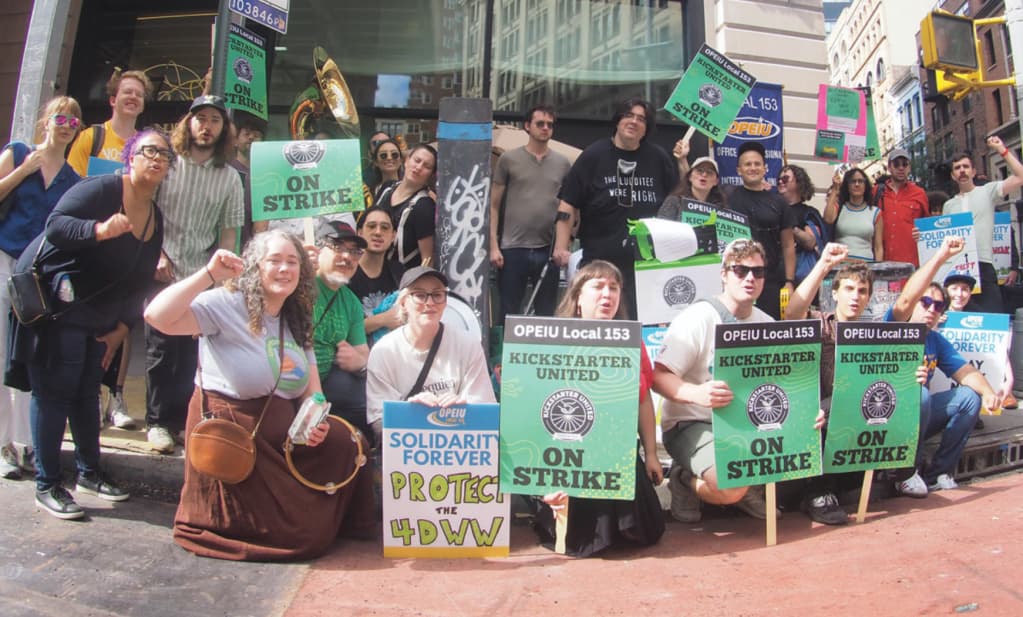
- Kickstarter United negotiated four months severance and a four-day work week for 59 employees
- Union contracts may limit the rapid team restructuring that tech companies rely on
Tech workers considering unionization face a paradox: the best time to organize was 20 years ago, when engineers held real leverage. The second-best time is now, when they don't. Mass layoffs, AI displacement fears, and weakened federal labor protections have made organizing both more urgent and more difficult. Here's what unions can actually deliver for tech professionals, what they can't, and how to start one.
What unions actually deliver for tech workers
The single biggest benefit isn't pay. It's protection against arbitrary termination. In the US, nonunion "at-will" workers can be fired at any time without a stated reason. Unionized workers negotiate protections written into their contracts.
"That fear of the company letting you go for anything at any time... with a union they just can't do that," says Zak Thompson, a senior software engineer at Kickstarter and union steward at Kickstarter United. Since the union formed, employees speak up more freely. "I've been shocked at the willingness of my co-workers to speak up against what they see as poor or controversial business decisions," Thompson says.

Kickstarter United, formed in 2020, hasn't prevented layoffs. But it negotiated better terms: four months of severance pay and four to six months of continued health insurance. Management had initially proposed two to three weeks per year of work. The contract also includes a four-day work week, AI protections, a minimum pay floor, and standards for raises, promotions, and time off for the company's 59 employees.
The AI question: input versus displacement
Unions give workers a voice in how AI tools get deployed. Max Belasco, a business systems analyst at UCLA School of Law and co-chair of the UCLA chapter of UPTE-CWA Local 9119, says nobody he's spoken to opposes new technology.

"But when new technology is being implemented, we want to know: what's the five-year vision, the 10-year vision? Are we implementing this in a way that betters staffing, increases efficiency, or eases the lives of people already working? Or are we trying to take away jobs, automate people out of their pension or paycheck?" Belasco says.
This is the core tension. Without collective bargaining, individual engineers have no formal mechanism to shape how AI tools affect their roles. With it, they have a seat at the table. Whether companies will honor that seat is another question.
The flexibility tradeoff
Critics argue that traditional union contracts impose uniform terms across an entire bargaining unit, limiting the flexibility that tech work requires. Liya Palagashvili, senior research fellow and director of the Labor Policy Project at the Mercatus Center at George Mason University, points to a real constraint: tech firms need to move fast, adjusting teams, products, and roles constantly.
“Collective bargaining agreements can make those adjustments much more difficult, whether by making them slower, costlier, or inconsistent with the contract.”
— Liya Palagashvili, Mercatus Center at George Mason University
A survey of 1,900 tech professionals by the career site Blind found specific concerns: unions are "not meritocratic," "prevent innovation," and "hold back earnings of top performers." These objections reflect a culture that prizes individual negotiating power and rapid career mobility.

Thompson pushes back. Kickstarter United's contract doesn't micromanage work rules. The fear that unions freeze every process in bureaucracy doesn't match his experience. But it's fair to say that different union cultures and different company contexts will produce different outcomes.
The labor market context
Tech workers are less inclined to leave their jobs in the current market. Wages haven't been increasing as fast as they once were, and landing another job takes longer. "Tech moved from a very tight labor market in 2022 (1.85% unemployment rate) to a noticeably weaker one in 2024-2026 (3.49%)," Palagashvili notes. That's still better than the national unemployment rate of 4.36% through May of this year, but the shift matters.
The federal labor board that historically protected workers' right to organize has been weakened. Companies that once feared the National Labor Relations Board are openly defying it. This changes the calculus. Organizing now carries more risk than it did five years ago, even as the reasons to organize have multiplied.

How organizing actually works
Forming a union starts with conversations. You need to identify colleagues who share concerns about job security, AI deployment, or working conditions. Labor experts recommend building a core committee representing different teams and roles before going public.
The formal process involves either voluntary recognition by the employer or an NLRB election. Most tech companies won't voluntarily recognize a union. That means you need to gather signed authorization cards from at least 30% of the proposed bargaining unit to trigger an election. To win, you need a majority of those who vote.
Expect resistance. Two Kickstarter employees were fired during the organizing campaign. The firings became a galvanizing event. But not every organizing effort survives that kind of pressure. Companies hire consultants who specialize in discouraging unionization. They hold mandatory meetings. They make promises about addressing concerns without a union. Some of those promises are kept. Most aren't.
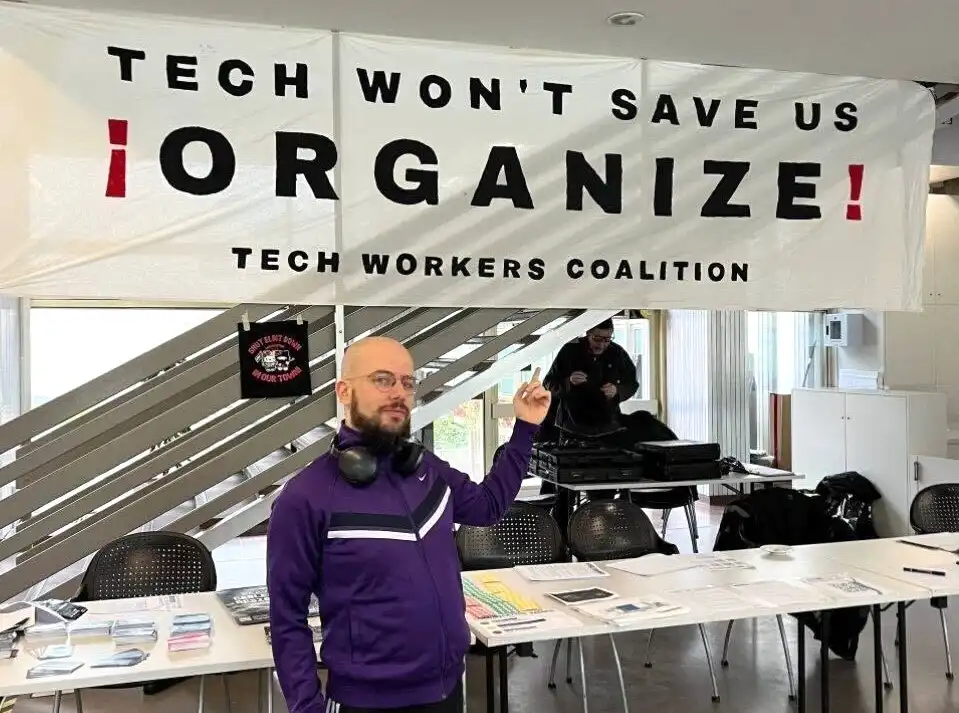
Resources exist. The Communications Workers of America has organized tech workers at multiple companies. The Tech Workers Coalition provides education and support. The Alphabet Workers Union, though not a traditional collective bargaining unit, offers a model for solidarity-focused organizing within a major tech firm.
The honest calculation
Unionizing won't solve everything. It won't guarantee job security in a company that's fundamentally failing. It won't stop AI from changing what software engineering looks like. It won't turn a toxic culture into a healthy one overnight.
What it can do: give workers a formal voice in decisions that affect them, establish due process before termination, and create a structure for negotiating severance, benefits, and working conditions. Whether that's worth the effort depends on your specific workplace, your risk tolerance, and how much you trust your employer to treat you fairly without a contract requiring it.
Frequently Asked Questions
Can tech workers legally form unions?
Yes. The National Labor Relations Act protects most private-sector workers' right to organize, including software engineers, designers, and other tech professionals. Contractors and managers may be excluded from bargaining units.
What happened to tech workers who tried to unionize at Kickstarter?
Two employees were fired during the organizing campaign. The union still formed in 2020 and later negotiated a contract including four months severance, a four-day work week, and AI protections for 59 employees.
Do unions prevent tech companies from using AI?
No. Union contracts typically don't ban new technology. They can require disclosure about how AI will be deployed and give workers input on implementation decisions that affect staffing and job roles.
How many tech workers do you need to form a union?
You need signed authorization cards from at least 30% of the proposed bargaining unit to trigger an NLRB election. To win recognition, you need a majority of those who vote in the election.
What's the current tech unemployment rate?
Tech unemployment reached 3.49% in 2024-2026, up from 1.85% in 2022, though still below the national rate of 4.36% through May 2026.
Logicity's Take
For IT leaders, the rise of tech unionization signals a structural shift in how workers view their relationship with employers. The old bargain, where high salaries and equity compensated for at-will employment, is breaking down as layoffs normalize and AI anxiety spreads. CIOs should expect organizing conversations to increase, particularly after any significant reduction in force. The smarter response isn't union-avoidance consulting. It's building genuine input channels for how AI tools get deployed before employees feel they need a contract to have a voice.
AI safety concerns parallel the AI deployment anxieties driving tech unionization
Need Help Implementing This?
Whether you're exploring workforce analytics tools or building better internal communication channels, reach out to Logicity's consulting team for vendor-neutral guidance on enterprise IT decisions.
Source: Computerworld
Huma Shazia
Senior AI & Tech Writer
Produced with AI assistance and reviewed by the Logicity editorial team. Learn more in our Editorial Policy.