Key Takeaways
- Tim Cook will transition to executive chairman in September 2026 after 15 years as CEO
- Apple Intelligence launched in 2024 to underwhelming reviews, leaving the AI gap unfilled
- Ternus must decode AI for mainstream users before competitors like Google and OpenAI lock in the market
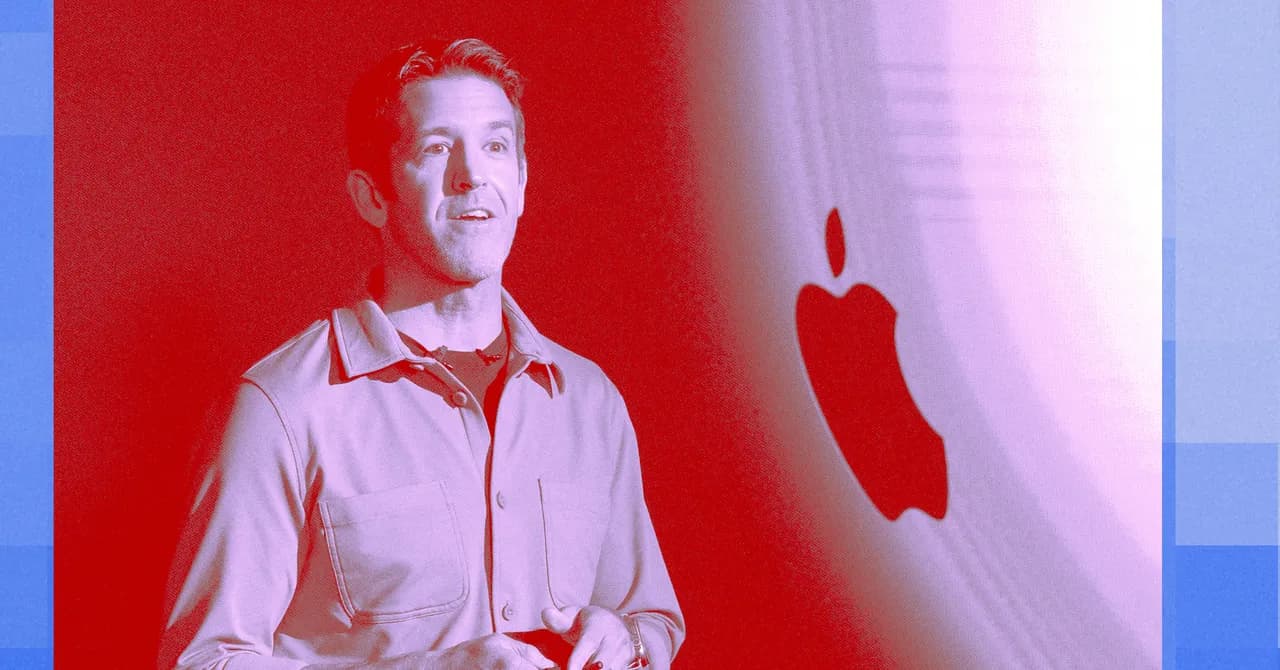
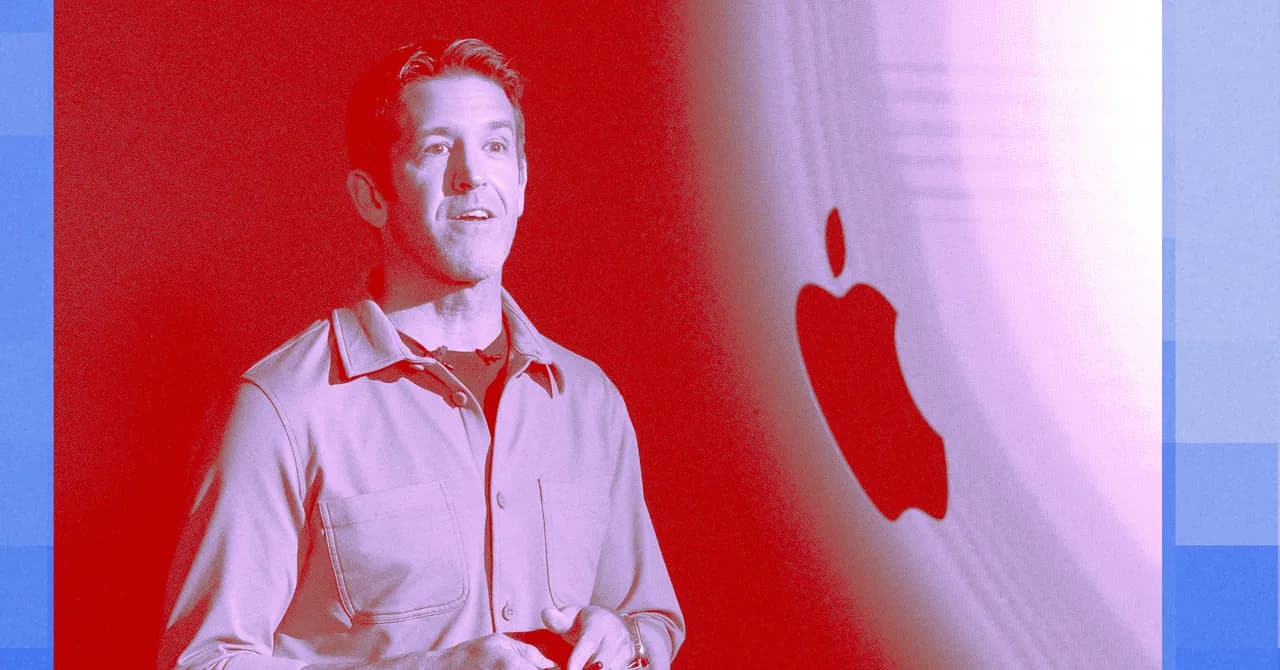
Tim Cook announced this week that he will vacate the CEO role in September 2026 and become Apple's executive chairman. His successor: John Ternus, the 25-year Apple veteran who currently runs hardware engineering.
Cook leaves behind a $4 trillion company and a product lineup that dominates consumer tech. But he also leaves one significant gap: AI. Apple Intelligence, launched with fanfare in 2024, landed with a thud. The feature set was incomplete and underwhelming compared to what Google, Microsoft, and OpenAI were shipping.
That gap is now Ternus's problem to solve.
The AI challenge Apple can't avoid
Steven Levy at Wired frames the situation bluntly: this isn't optional for Ternus. AI is clearly the future. Millions of people use it daily. But even more remain suspicious of it. Powerful new AI agent tools like Claude Code and OpenClaw are too risky or too technical for most people to adopt.
Apple has solved this exact problem before. The company didn't invent the MP3 player, the smartphone, or the tablet. It took troublesome technologies and made them so delightful and intuitive that they seemed obvious in retrospect. The iPod. The iPhone. The iPad.
AI needs the same treatment. If Apple doesn't decode it for the masses, someone else will.
“There will be a lot of pressure on Ternus to produce success out of the gates, especially on the AI front.”
— Dan Ives, Managing Director at Wedbush Securities
Who is John Ternus?
Ternus joined Apple in 2001 and has spent most of his career out of the public eye. He only recently started doing press interviews when it became clear he was the top candidate to replace Cook.
His background is pure hardware. He oversaw Apple's transition to custom Apple Silicon chips, which transformed Mac performance and power efficiency. He runs the Input Design Lab and gets deep into technical details. Levy recalls spending a day with Ternus a decade ago, watching him discuss quantum dots, cadmium's environmental impact, and the subtleties of white light calibration.
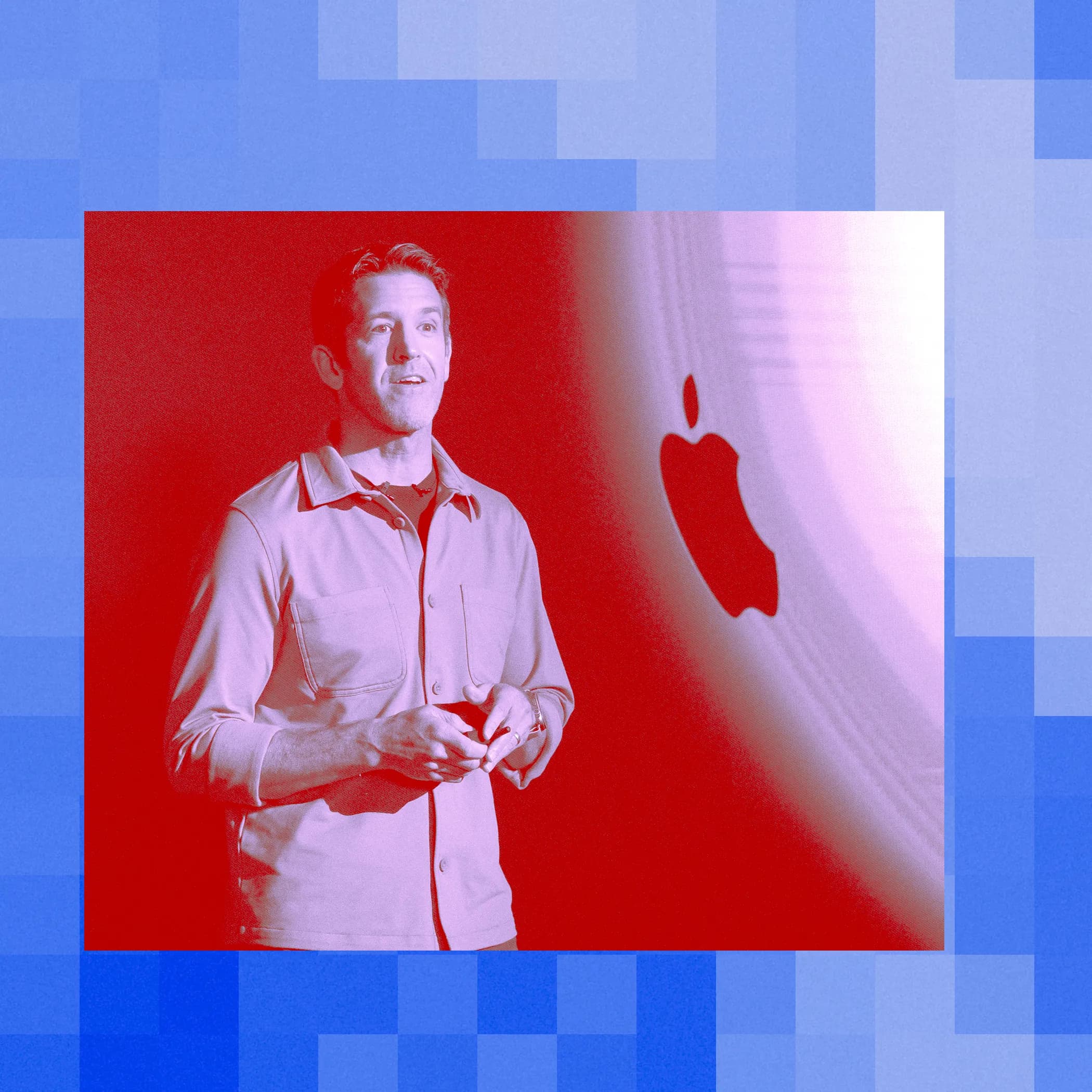
People see Ternus as a methodical operator like Cook rather than a visionary like Steve Jobs. But that perception might stem from his low-key demeanor rather than a lack of vision. In his current role, he's not expected to give sweeping keynotes about the future. That changes in September 2026.
“We never think about shipping a technology. We always think about 'how can we leverage technology to ship amazing products.”
— John Ternus, Incoming Apple CEO
Apple's AI spending tells part of the story
Apple isn't ignoring AI investment. The company spent $34.55 billion on R&D in 2025, a record driven largely by AI development. Q4 2025 alone saw $10.9 billion in R&D spending, the first quarter to cross $10 billion.
Apple also announced a $600 billion commitment to US investment over four years, much of it earmarked for AI infrastructure and R&D. The money is flowing. The question is whether it produces a product people actually want to use.
What success looks like
The benchmark isn't technical sophistication. Apple rarely leads in raw research. The iPhone wasn't the first smartphone. The iPad wasn't the first tablet. Apple wins by making technology accessible and delightful.
For AI, that means a product that ordinary people can use without understanding prompts, tokens, or model architectures. It might involve a new device. It might not. But it needs to feel as natural as tapping an app icon or swiping through photos.
Ternus acknowledged in recent interviews that AI represents "an immense kind of inflection point." But he framed it as one of many leaps Apple has navigated. Each hit product, from the Apple II to the iPhone, built on what came before.
The competition isn't waiting
Google has Gemini embedded across its ecosystem. Microsoft has Copilot in Windows and Office. OpenAI has ChatGPT with 200+ million weekly users. Anthropic's Claude is gaining ground in enterprise and developer workflows.
Each of these companies is racing to make AI more intuitive. If one of them cracks mainstream adoption before Apple, Ternus will be playing catch-up on the most important technology shift since mobile.
Cook built an extraordinary operational machine and navigated Apple through the post-Jobs era. But the AI box remains unchecked. Ternus has roughly 18 months from taking the job to show whether he can check it.
Logicity's Take
Frequently Asked Questions
When does John Ternus become Apple CEO?
John Ternus officially becomes Apple CEO on September 1, 2026, when Tim Cook transitions to executive chairman.
What happened to Apple Intelligence?
Apple Intelligence launched in 2024 but was widely considered underwhelming and incomplete compared to AI offerings from Google, Microsoft, and OpenAI.
How long was Tim Cook Apple's CEO?
Tim Cook served as Apple CEO for 15 years, from 2011 to 2026, succeeding Steve Jobs.
What is John Ternus's background at Apple?
Ternus joined Apple in 2001 and serves as senior vice president of hardware engineering. He oversaw the transition from Intel to Apple Silicon chips.
How much is Apple investing in AI?
Apple spent $34.55 billion on R&D in 2025 and announced a $600 billion US investment commitment over four years, with significant portions dedicated to AI infrastructure.
Need Help Implementing This?
Source: Feed: Artificial Intelligence Latest / Steven Levy
MacBook Neo Success and CEO Transition Details
The new article introduces the MacBook Neo, a successful $599 budget laptop that signals a shift in Apple's product strategy under Ternus. It also provides a specific date for his CEO transition (September 1) and highlights his increased public-facing role, including a major interview on Good Morning America.
Manaal Khan
Tech & Innovation Writer
Produced with AI assistance and reviewed by the Logicity editorial team. Learn more in our Editorial Policy.