Key Takeaways
- OpenClaw's self-hosted architecture means enterprises own all security responsibilities, and researchers have found tens of thousands of exposed instances
- Enterprise alternatives like Zapier, Claude Code, and n8n offer similar agentic capabilities with managed credentials and audit logging
- The right choice depends on your stack: Microsoft shops should consider Power Automate, AWS users can leverage Bedrock Agents, and teams needing data residency should evaluate n8n
Why OpenClaw Became a Problem for Enterprises
OpenClaw caught on fast in 2026. It runs on your own machine, it's open source, and you control it from Slack or WhatsApp. For individual developers building personal tooling, it's a capable AI agent with a compelling value proposition: text it from your phone, and it handles tasks on your laptop without you opening another window.
But the enterprise buyer reads the same feature list differently. Self-hosted means you own the security. Messaging-app control means credentials live on your agent. The community marketplace, ClawHub, lets anyone publish 'skills' that extend what the agent can do. Those skills have a path to code execution on your systems.
Security researchers have flagged tens of thousands of exposed OpenClaw instances running wide open on the internet. They've also found malicious skills on the public marketplace. The default permission model hands the agent broad access to your systems. Each tradeoff is fine on a hobby laptop. None are fine on a machine that touches customer data.
Logicity's Take
The 6 Best OpenClaw Alternatives
1. Zapier: Full-Stack AI Orchestration
Zapier covers the most ground out of the box. It offers an agentic automation layer with real app coverage, managed credentials, and audit logging. For teams that need to connect AI workflows across their entire business stack without building infrastructure, Zapier provides end-to-end orchestration.
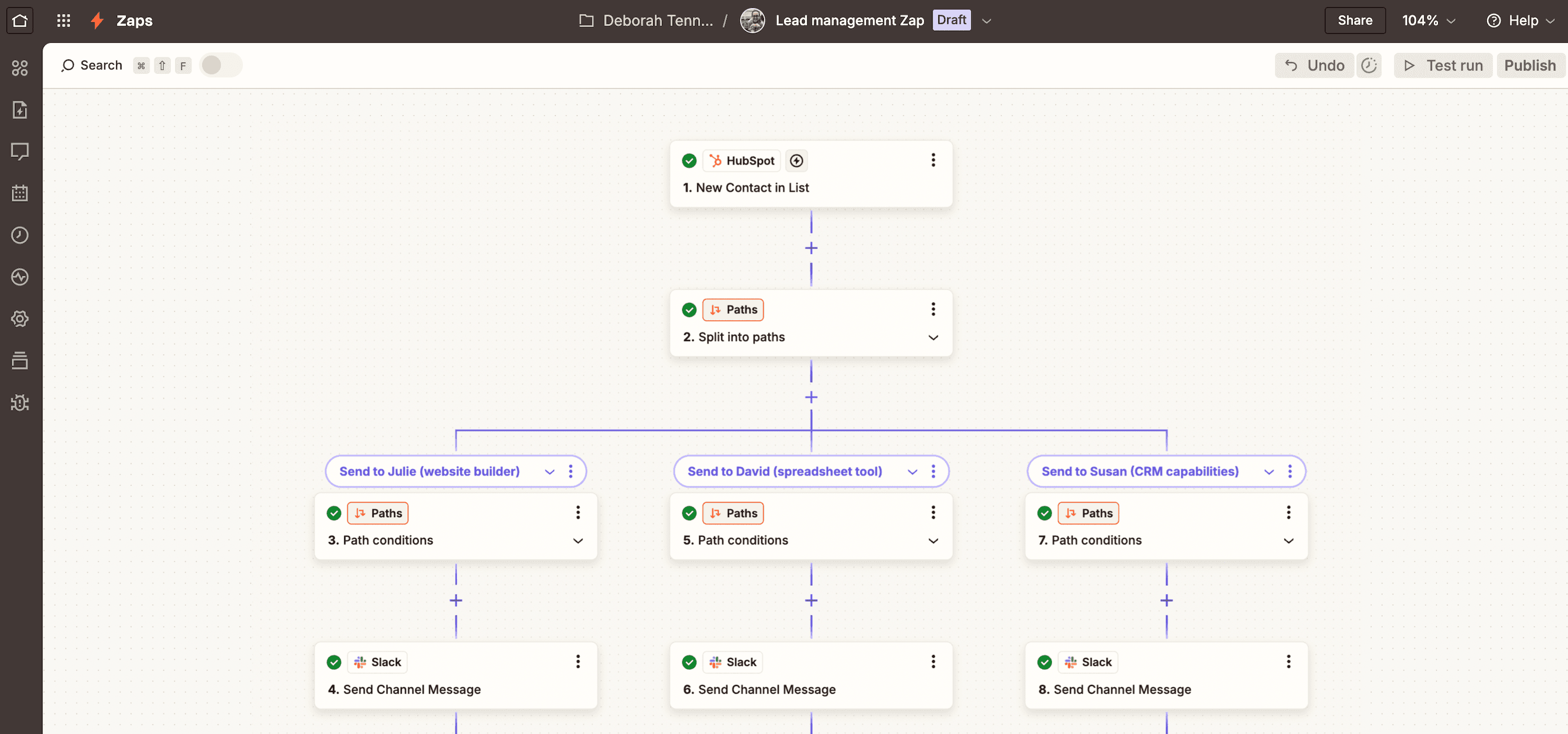
The key difference from OpenClaw: Zapier handles credential management and maintains audit trails. You're not inheriting the security responsibility that comes with self-hosting an AI agent.
2. Claude Code and Cowork: Agentic Desktop and Coding
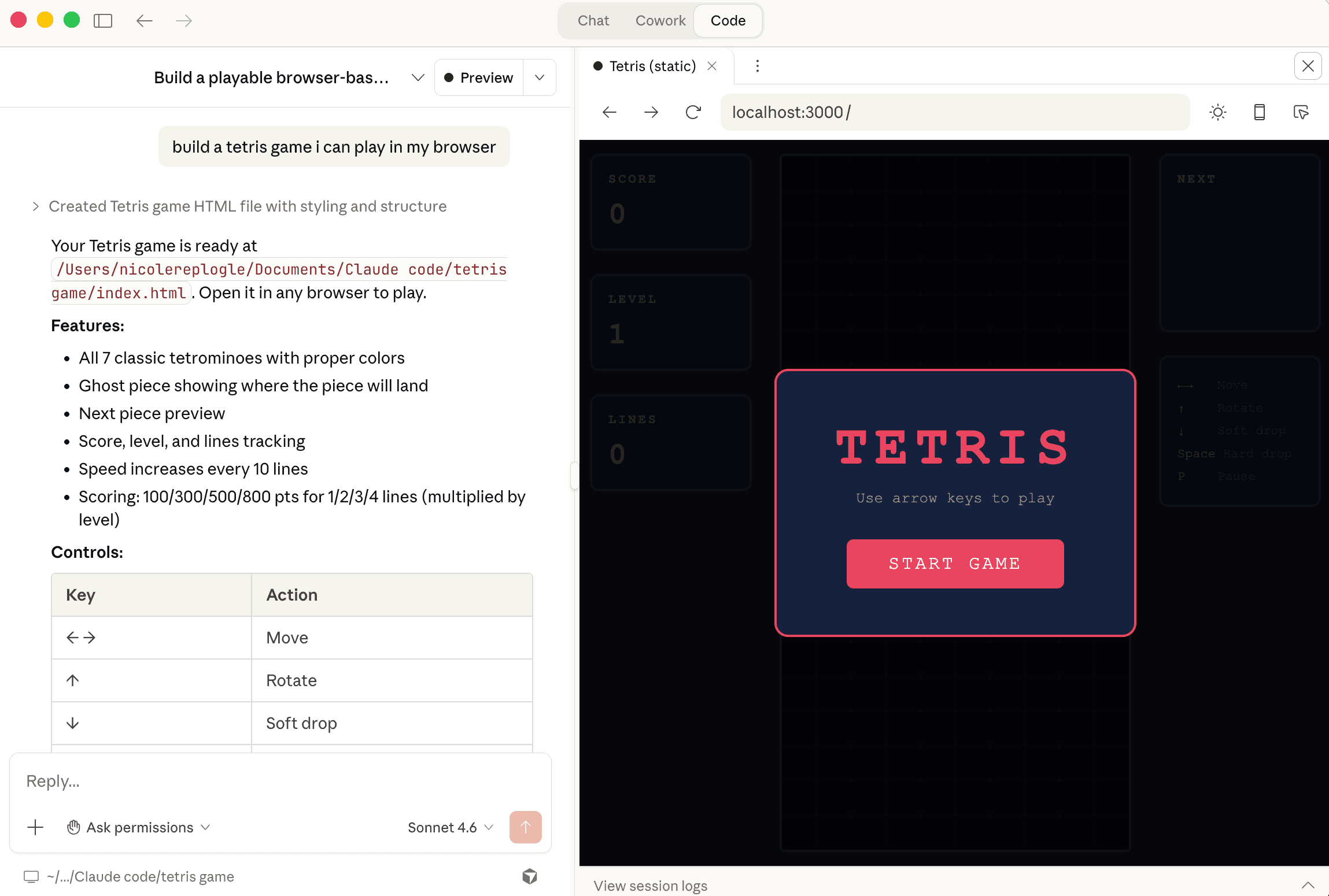
For developers who want agentic capabilities focused on desktop and coding work, Claude Code and Cowork from Anthropic offer a managed alternative. These tools provide the AI assistant experience without the exposed-instance risks that come with running your own OpenClaw server.
3. n8n: Self-Hosted With Data Residency
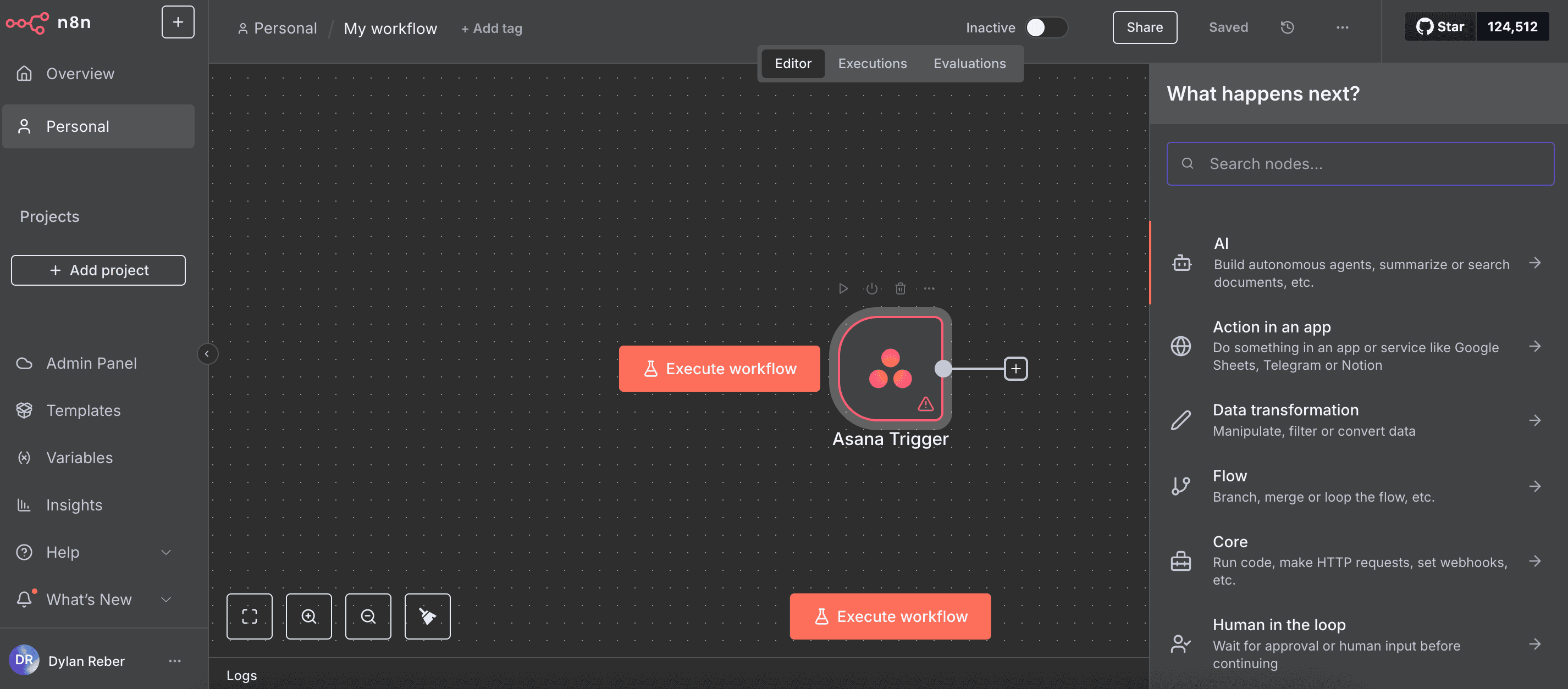
Technical teams that need data residency but still want self-hosting should look at n8n. It's built for automation but gives you control over where data lives. Unlike OpenClaw's broad default permissions, n8n lets you define precise access controls.
The tradeoff: you still own infrastructure responsibility. But n8n's architecture is designed with enterprise deployment in mind, which OpenClaw's wasn't.
Deep comparison of two leading enterprise automation platforms
4. Cursor: AI Inside Your IDE
For software development teams, Cursor offers AI-assisted coding inside an IDE rather than through a separate agent. This approach keeps the AI context within your development environment instead of running as a separate process with messaging-app triggers.
5. AWS Bedrock Agents: Enterprise Cloud Framework
Teams already running on AWS can build custom AI agents using Bedrock Agents. The advantage: your agents run within your existing cloud security perimeter, with AWS's IAM controls, logging, and compliance certifications already in place.
This is the right choice for organizations that need to build custom agent behaviors but don't want to handle the security infrastructure that OpenClaw's self-hosted model requires.
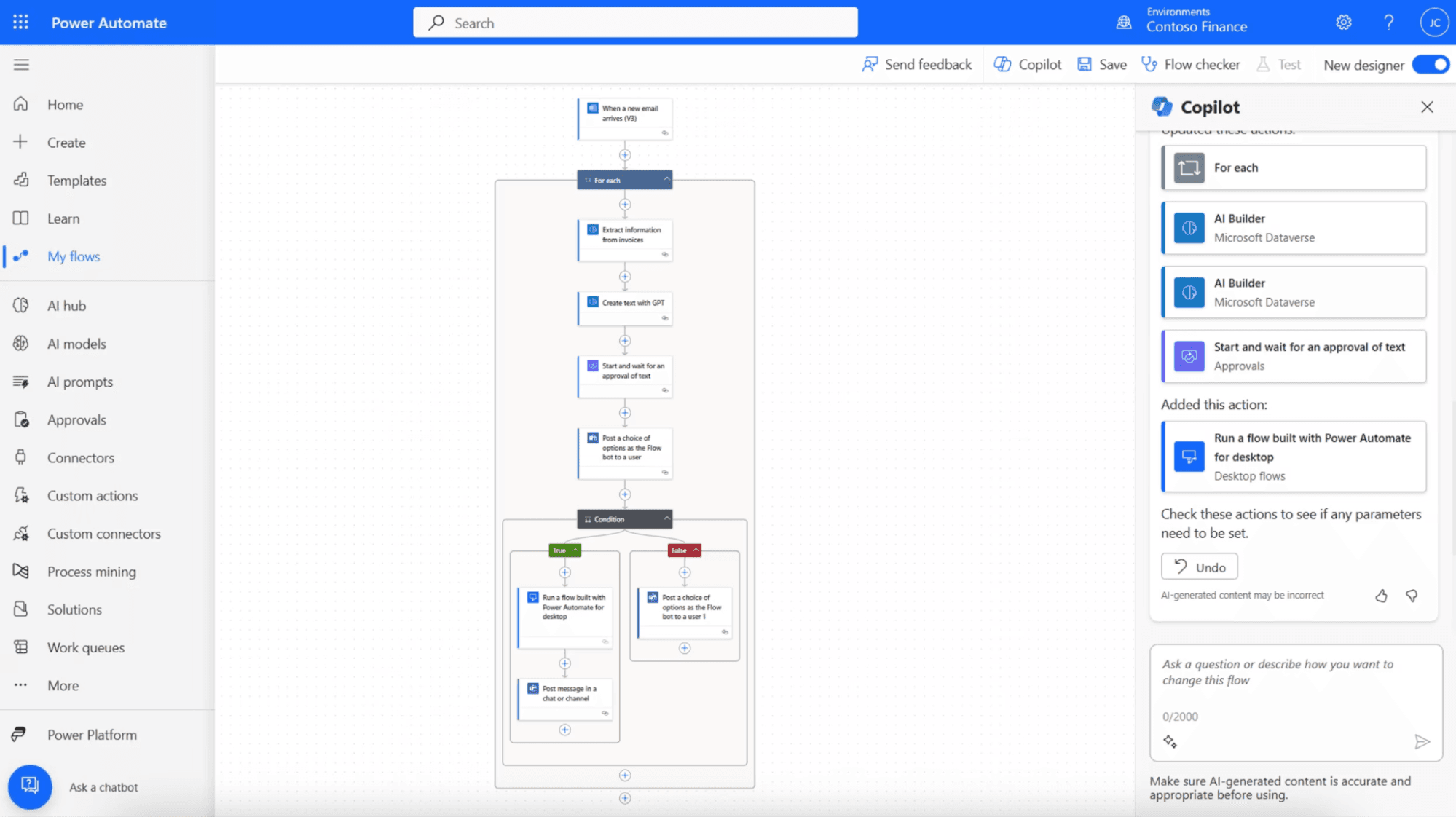
6. Microsoft Power Automate: RPA for Microsoft Shops
If your organization runs on Microsoft 365, Power Automate offers RPA and process automation that integrates natively with your existing stack. It's not as flexible as OpenClaw's open architecture, but it's also not exposing your systems through an unreviewed skill marketplace.
How to Choose the Right Alternative
The right OpenClaw alternative depends on your existing infrastructure and specific needs:
- Need broad app coverage with minimal setup? Start with Zapier.
- Developers wanting agentic coding? Claude Code or Cursor.
- Data residency requirements with self-hosting capability? n8n.
- Already on AWS? Bedrock Agents keeps you in your existing security perimeter.
- Microsoft shop? Power Automate integrates with what you already have.
The common thread: all six alternatives offer managed credentials, audit logging, and security models designed for enterprise use. OpenClaw's open architecture is its strength for individual developers and its weakness for teams with compliance requirements.
The Bottom Line
OpenClaw proved that agentic AI assistants work. You can text an AI from your phone and have it execute tasks on your computer. That's a real capability that's here to stay. But the rest of the category has caught up with enterprise-ready implementations.
You no longer have to choose between OpenClaw's agent capabilities and the governance requirements your security team demands. The alternatives exist. The question is which one fits your stack.
Frequently Asked Questions
Is OpenClaw safe for enterprise use?
OpenClaw has significant enterprise security concerns. Researchers have found tens of thousands of exposed instances and malicious skills on its public marketplace. The default permission model gives the agent broad system access. For teams with compliance requirements, customer data, or audit obligations, managed alternatives are safer.
What's the main advantage of OpenClaw over alternatives?
OpenClaw is open source, runs locally, and can be controlled from messaging apps like Slack and WhatsApp. This makes it flexible and free for individual developers. The tradeoff is that you own all security responsibilities.
Can I self-host an enterprise-grade OpenClaw alternative?
Yes. n8n is designed for self-hosted deployment with enterprise data residency requirements. AWS Bedrock Agents also runs in your own cloud infrastructure with your existing security controls.
Which OpenClaw alternative is best for software development teams?
Cursor offers AI-assisted development inside an IDE, while Claude Code provides agentic coding capabilities. Both are better suited for development workflows than general-purpose automation tools like Zapier or Power Automate.
How do OpenClaw alternatives handle credential management?
Unlike OpenClaw, where credentials live on your self-hosted agent, alternatives like Zapier and Power Automate provide managed credential storage with enterprise security controls and audit logging built in.
Need Help Implementing This?
Source: The Zapier Blog
Manaal Khan
Tech & Innovation Writer
Produced with AI assistance and reviewed by the Logicity editorial team. Learn more in our Editorial Policy.