Key Takeaways
- Samsung MX head TM Roh warned of a potential first-ever net loss on smartphones in 2026
- LPDDR5x memory prices have roughly doubled due to AI data center demand
- Samsung's semiconductor division earned an estimated $38 billion in Q1 2026, seven times last year
Samsung has never lost money on smartphones. Not during economic downturns. Not during pandemic supply chain chaos. That streak may end in 2026.
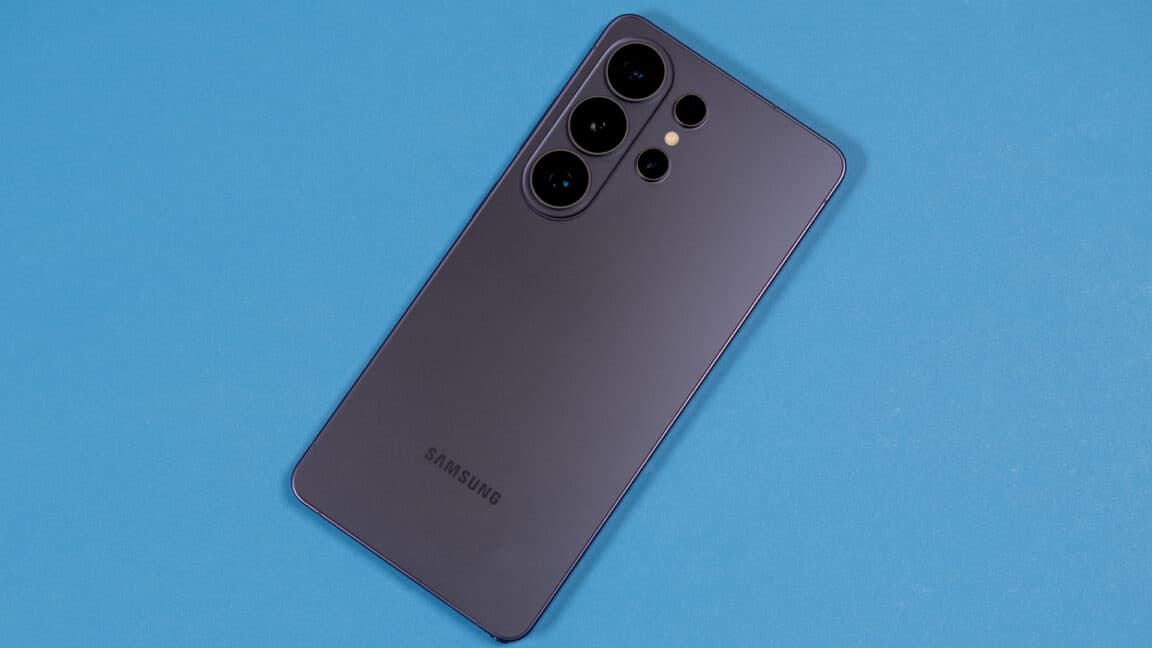
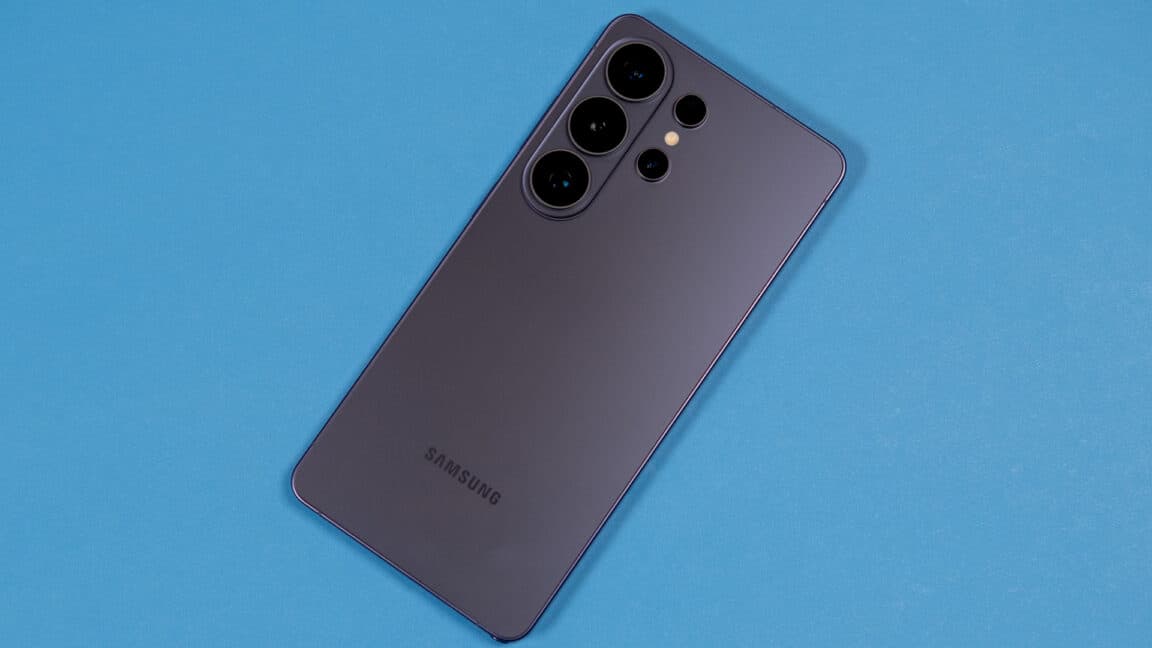
According to Money Today, Samsung MX (mobile experience) head TM Roh has warned company leadership that the smartphone division could post its first net loss in history. The reason has nothing to do with weak sales. Galaxy S26 demand is strong. The problem is that building phones has become much more expensive.
AI Is Eating the Memory Market
The smartphone industry is caught in a squeeze. LPDDR5x memory, the same fast RAM used in flagship phones, is now critical for AI systems. Nvidia's upcoming Vera AI CPU will use up to 1.5 TB of LPDDR5x memory. A single rack-scale AI server with 36 Vera CPUs consumes enough RAM to build 4,600 Galaxy S26 Ultra phones.
That demand has roughly doubled the cost of memory and storage for phone makers. According to Counterpoint Research, RAM now accounts for more than a third of the cost of building a budget phone. Even for premium devices, memory represents over 20% of manufacturing costs.
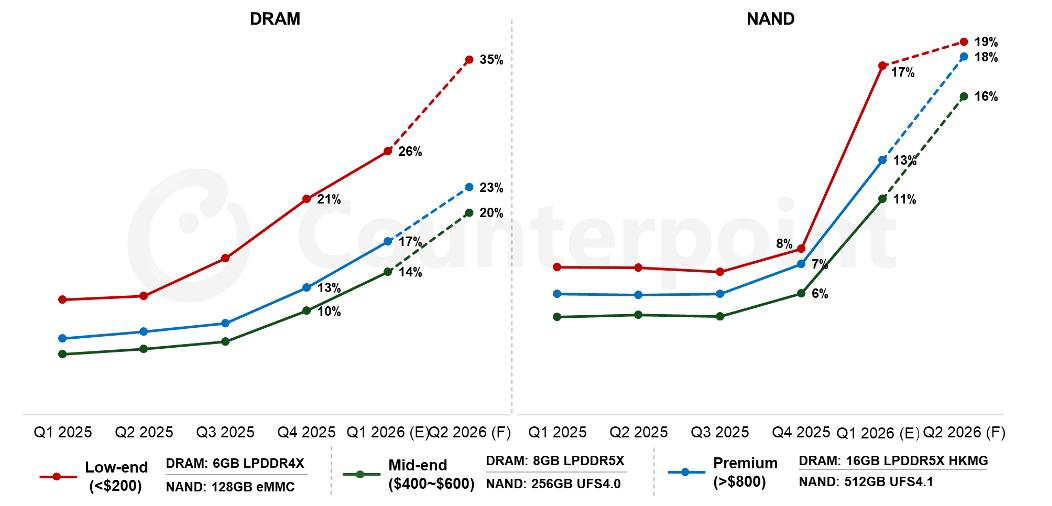
Until recently, the application processor and display were the most expensive phone components. The AI boom has upended that formula entirely.
Samsung's Uncomfortable Position
Here's the irony: Samsung is making a fortune selling the chips that are hurting its phone business.
Samsung Semiconductor smashed records in Q1 2026, earning an estimated $38 billion (57.2 trillion Korean won) in profit. That's more than seven times the division's net from Q1 2025. The company is one of three major suppliers, alongside Micron and SK Hynix, benefiting from the memory shortage.
“The mobile division is facing its most significant financial crossroad since its inception.”
— Internal memo, via Money Today
Samsung, Micron, and SK Hynix are all accelerating plans to expand memory production. Samsung has started winding down LPDDR4 production to boost LPDDR5 supply. But Nikkei Asia projects these efforts won't be enough. Even with best-case improvements, DRAM production in 2027 could fall 40% short of expected demand.
What This Means for Phone Prices
TM Roh has signaled that price increases are likely. "Price increases are inevitable to sustain the quality and innovation consumers expect from the Galaxy brand," he said, according to reports.
The smartphone market is mature. People upgrade every two or three years. Manufacturers like Samsung can't easily offset higher costs by selling more units. The math leaves two options: raise prices or accept thinner margins.
For context, Samsung's mobile division saw a 53% year-over-year drop in profit in Q1 2026, even as the semiconductor arm posted record numbers. The company is effectively competing against itself for resources.
The Only Wild Card
The shortage could ease if AI demand slows. But that seems unlikely. Most major tech companies are committed to expanding AI compute capacity. Microsoft, Google, Amazon, and Meta are all building out massive AI infrastructure. Nvidia's new Rubin GPUs and Vera CPUs will only increase demand for high-bandwidth memory.
Unless something fundamental shifts in the AI market, phone makers will keep competing for scraps at the memory buffet.

Logicity's Take
Frequently Asked Questions
Why is Samsung's smartphone business losing money in 2026?
AI data centers are consuming the global supply of LPDDR5x memory, which has roughly doubled component costs for smartphones. Even with strong Galaxy S26 sales, Samsung's mobile division may not turn a profit.
How much does memory cost in a smartphone now?
According to Counterpoint Research, memory now accounts for over 33% of budget phone costs and more than 20% for premium devices, up significantly from previous years.
Is Samsung making money overall despite smartphone losses?
Yes. Samsung Semiconductor earned an estimated $38 billion in Q1 2026, more than seven times its profit from Q1 2025. The chip division is benefiting from the same memory shortage hurting the phone division.
Will smartphone prices increase because of the memory shortage?
Samsung MX head TM Roh has indicated price increases are "inevitable" to maintain quality and innovation in Galaxy devices.
When will the memory shortage end?
Analysts at Nikkei Asia project that even with accelerated production, DRAM supply in 2027 could fall 40% short of demand. The shortage may persist as long as AI infrastructure buildout continues.
Understand the AI systems driving this memory demand
Need Help Implementing This?
Source: Ars Technica
Huma Shazia
Senior AI & Tech Writer
Produced with AI assistance and reviewed by the Logicity editorial team. Learn more in our Editorial Policy.