Key Takeaways
- Pixel Watch 4 is $40 off through April 26th, with the 41mm at $310 and 45mm at $360
- The watch delivers 45 hours of battery life on the 45mm model and features a 3,000-nit display
- Repairability improvements mean you can replace the glass or battery without buying a new watch
The Deal
Google is running a spring sale through Sunday, April 26th. The Pixel Watch 4 is available at Amazon, Best Buy, and the Google Store for $40 off. The 41mm Wi-Fi model costs $309.99, down from $350. The 45mm version costs $359.99, down from $400.
This is one of the better prices the Pixel Watch 4 has seen since its release. The sale also includes other Google devices like the Pixel 10 Pro and Pixel Buds Pro 2, though the watch discount stands out for anyone in the market for an Android wearable.
What Makes the Pixel Watch 4 Worth Considering
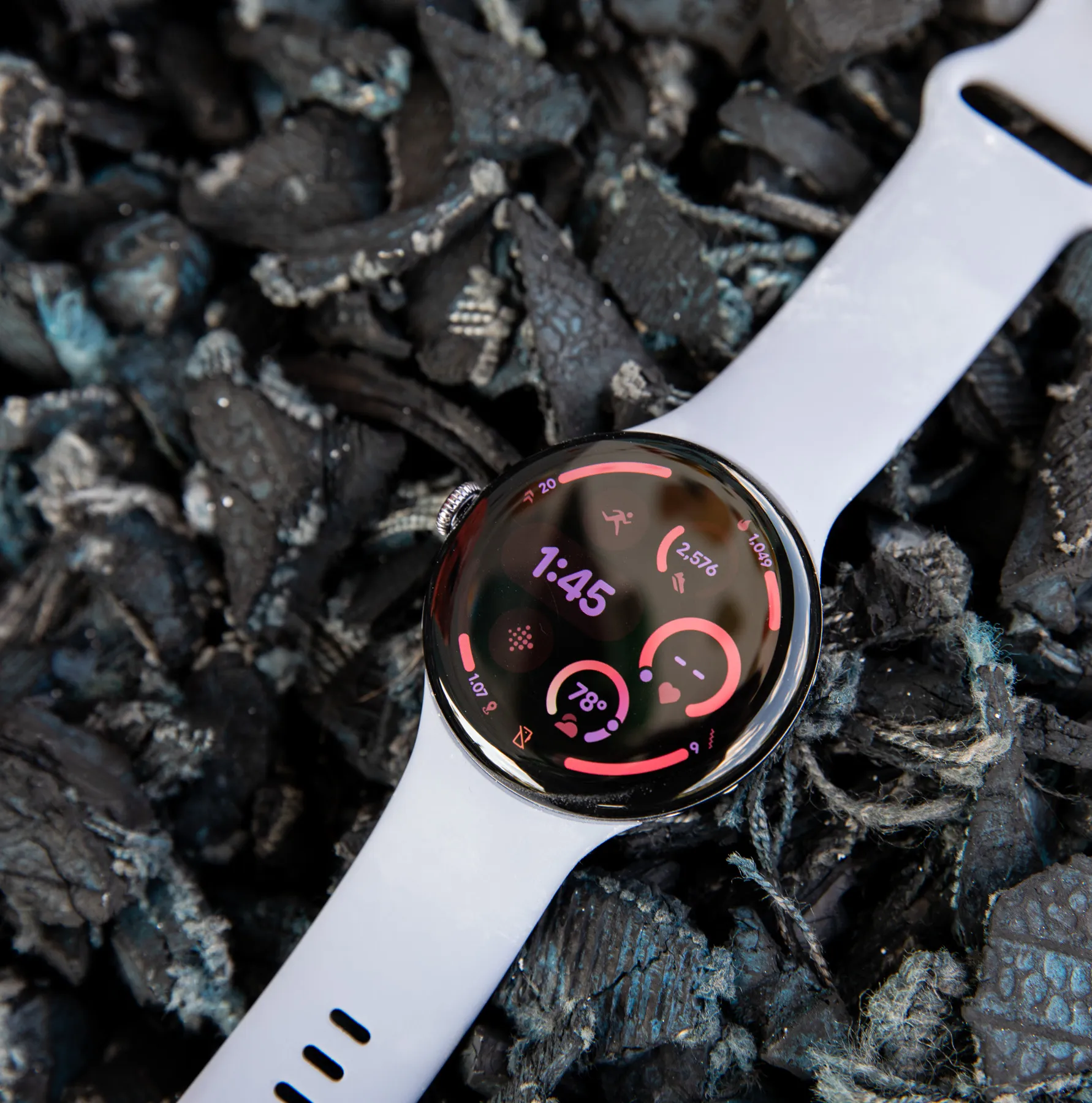
The Pixel Watch 4 is, by most accounts, the best Android smartwatch available. It works best if you own a Pixel phone, but the performance and feature set make it a solid choice for any Android user.
The display is a domed AMOLED panel that peaks at 3,000 nits. That brightness matters outdoors. You can actually read the screen in direct sunlight.
Health tracking covers the basics: blood oxygen levels, heart rate monitoring, and automatic recording of cardio activities lasting at least 15 minutes. The watch also includes emergency satellite SOS for situations where cellular service is unavailable. Dual-frequency GPS provides more accurate location tracking in cities and dense forests where signals bounce off buildings and trees.
Google Integration and Gemini Access
The watch connects to Google's services. Google Maps, Google Wallet, and Google Assistant all work from your wrist. Gemini is accessible through a raise-to-talk gesture. Lift your wrist, speak, and the AI responds.
A new speaker improves audio for calls and voice responses. The bigger battery and more efficient processor in the 45mm model pushed battery life to 45 hours in testing by The Verge.
Repairability: A Rare Win
Most smartwatches are disposable. Break the screen or wear out the battery, and you buy a new watch. The Pixel Watch 4 changes that. Google made much of the watch repairable. A cracked display or degraded battery no longer means replacing the entire device.
This is a design philosophy more wearable manufacturers should adopt. It extends the useful life of the device and keeps electronic waste out of landfills.
Logicity's Take
Should You Buy It?
If you use an Android phone and want a smartwatch, the Pixel Watch 4 is the default recommendation. Pixel phone owners get the tightest integration. Samsung Galaxy users might prefer the Galaxy Watch for similar reasons, but pure specs favor the Pixel Watch 4.
The sale ends April 26th. Prices are identical at Amazon, Best Buy, and the Google Store. Pick whichever retailer you prefer.
Another way to get more value from your existing devices
Frequently Asked Questions
How long does the Pixel Watch 4 battery last?
The 45mm model lasts up to 45 hours on a single charge. The 41mm model has a smaller battery and will last less.
Does the Pixel Watch 4 work with Samsung phones?
Yes. It works with any Android phone, though some features integrate more deeply with Pixel devices.
Can you replace the Pixel Watch 4 battery?
Yes. Google designed the Pixel Watch 4 with repairability in mind. The battery and glass can be replaced without buying a new watch.
How long does the Pixel Watch 4 sale last?
The spring sale runs through Sunday, April 26th, 2026.
Need Help Implementing This?
Manaal Khan
Tech & Innovation Writer
Produced with AI assistance and reviewed by the Logicity editorial team. Learn more in our Editorial Policy.