Key Takeaways
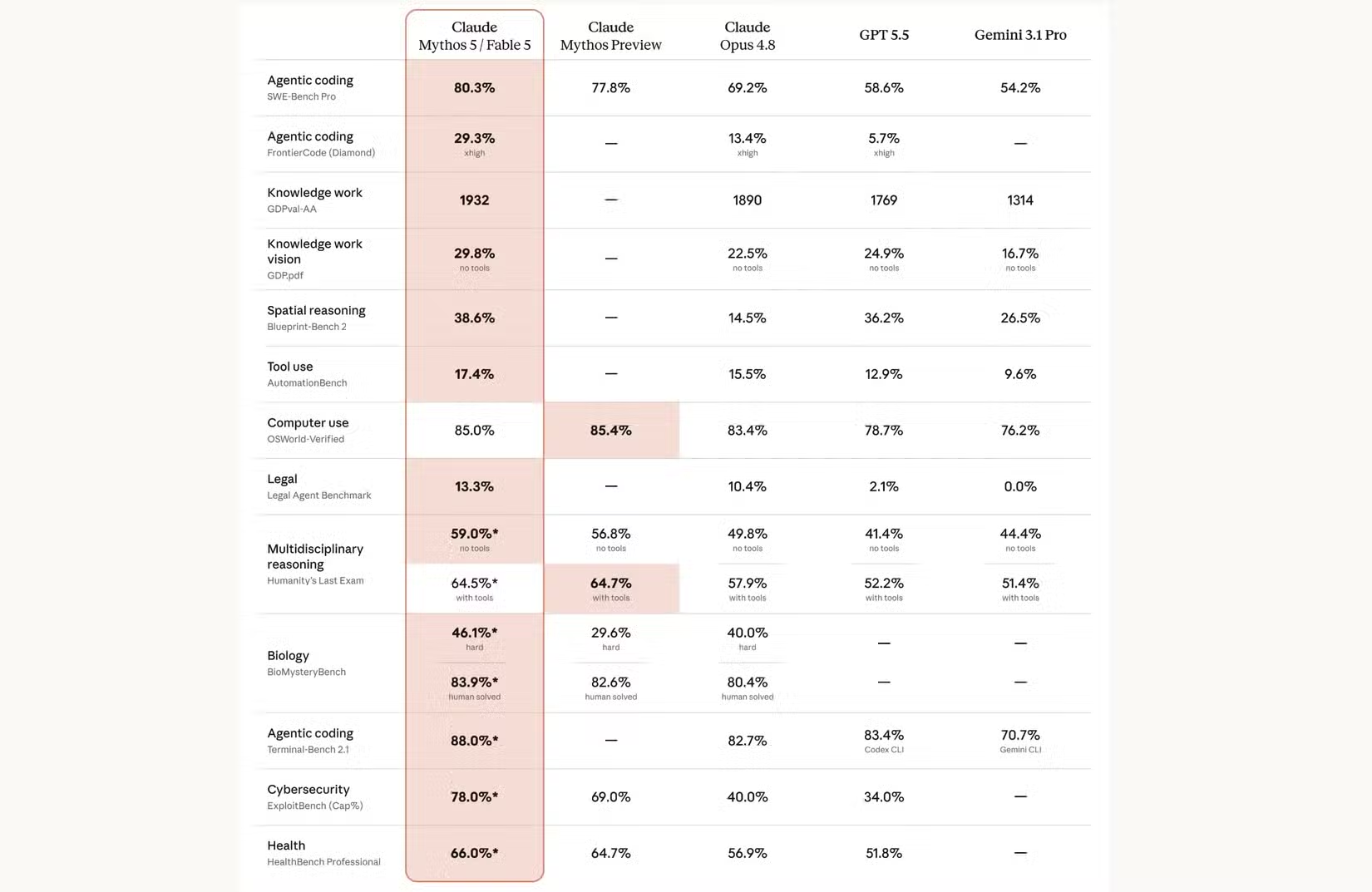
- Fable 5 scores 91/100 on the Senior Engineer benchmark, crushing GPT-5.5 (62) and Claude Opus 4.8 (63)
- The model has a 1 million token context window and can handle multi-day autonomous tasks
- Paid Claude subscribers can access Fable 5 until June 22 before it moves to credit-based pricing
Anthropic dropped a new model yesterday with little fanfare but big implications. Fable 5 is the company's first publicly available "Mythos-level" AI. It's designed for long-running, complex tasks like multi-day code debugging and autonomous research. The window to try it is short. Paid subscribers have until June 22 before Anthropic switches to a restricted credit-based system.
The Mythos tier represents Anthropic's most capable AI. Until now, the company kept it behind closed doors, testing it primarily for cybersecurity applications. Fable 5 appears to be a consumer-facing version of that technology, though Anthropic has built in safety measures that limit what it can do.
What Makes Fable 5 Different
The numbers tell the story. Fable 5 scored 91 out of 100 on the "Senior Engineer" benchmark. For context, Claude Opus 4.8 scored 63. GPT-5.5 scored 62. This isn't incremental improvement. It's a step change.
The model also ships with a 1 million token context window. That's enough to ingest entire codebases, research papers, or documentation sets in a single session. Output limits hit 128,000 tokens, which supports generating comprehensive reports or complex software architectures in one go.
"Fable 5 represents a fundamental shift," said Dario Amodei, CEO of Anthropic. "We aren't just looking at text completion anymore; we're looking at autonomous reasoning agents that can hold the wheel for days."
“We aren't just looking at text completion anymore; we're looking at autonomous reasoning agents that can hold the wheel for days.”
— Dario Amodei, CEO of Anthropic
The Safety Classifier System
Anthropic didn't release Fable 5 without guardrails. The company built an automated classifier that monitors queries in real time. If the system detects something sensitive, particularly in cybersecurity or biology domains, it reroutes the request to Claude Opus 4.8 instead.
This fallback system has sparked debate. On r/MachineLearning and HackerNews, developers are split. Some see it as proof that Anthropic has built something genuinely dangerous. Others argue it shows the model isn't reliable enough for high-stakes work.
The unrestricted Mythos version remains available only to vetted partners. What consumers get is powerful, but filtered.
How to Access Fable 5
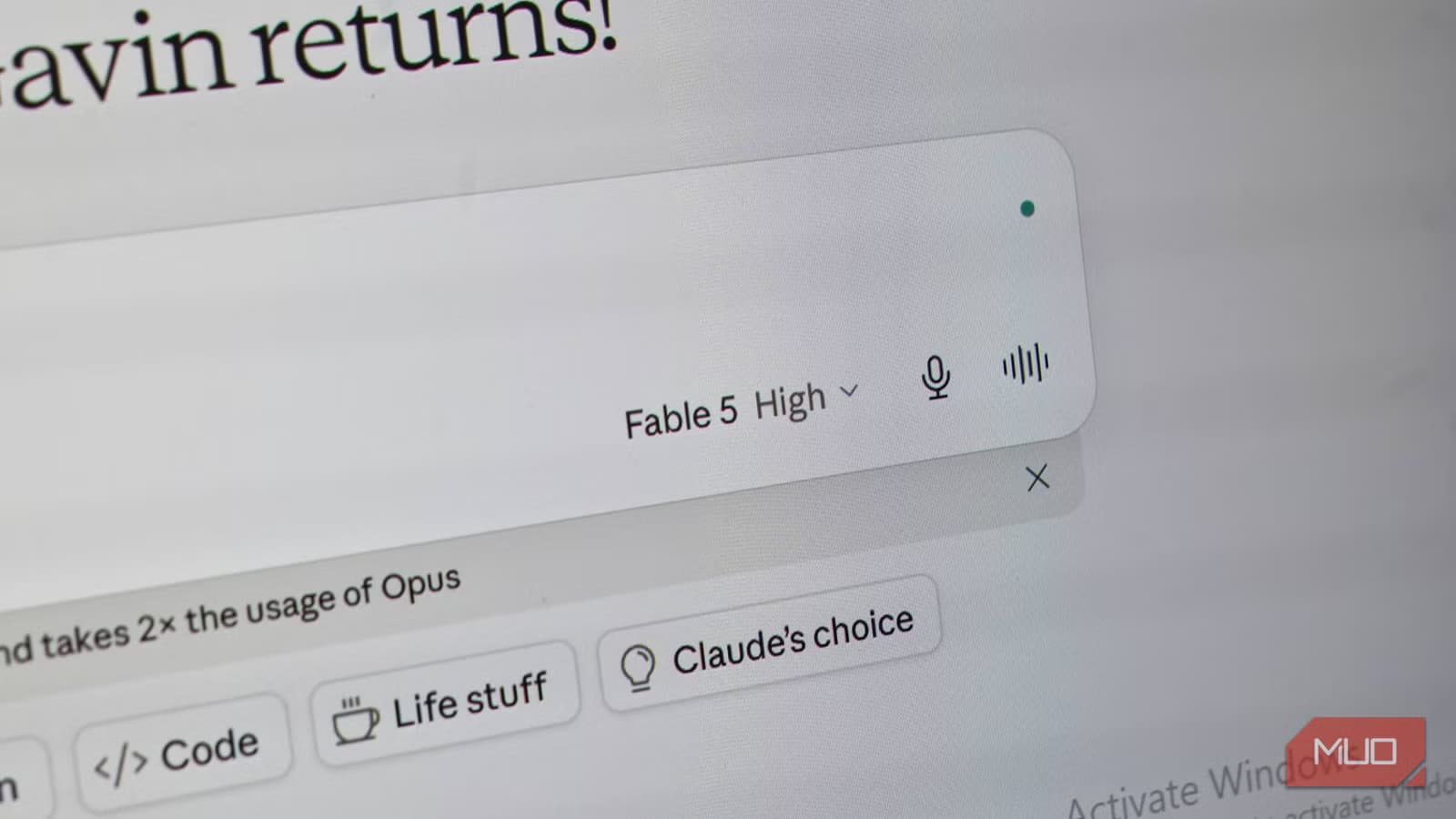
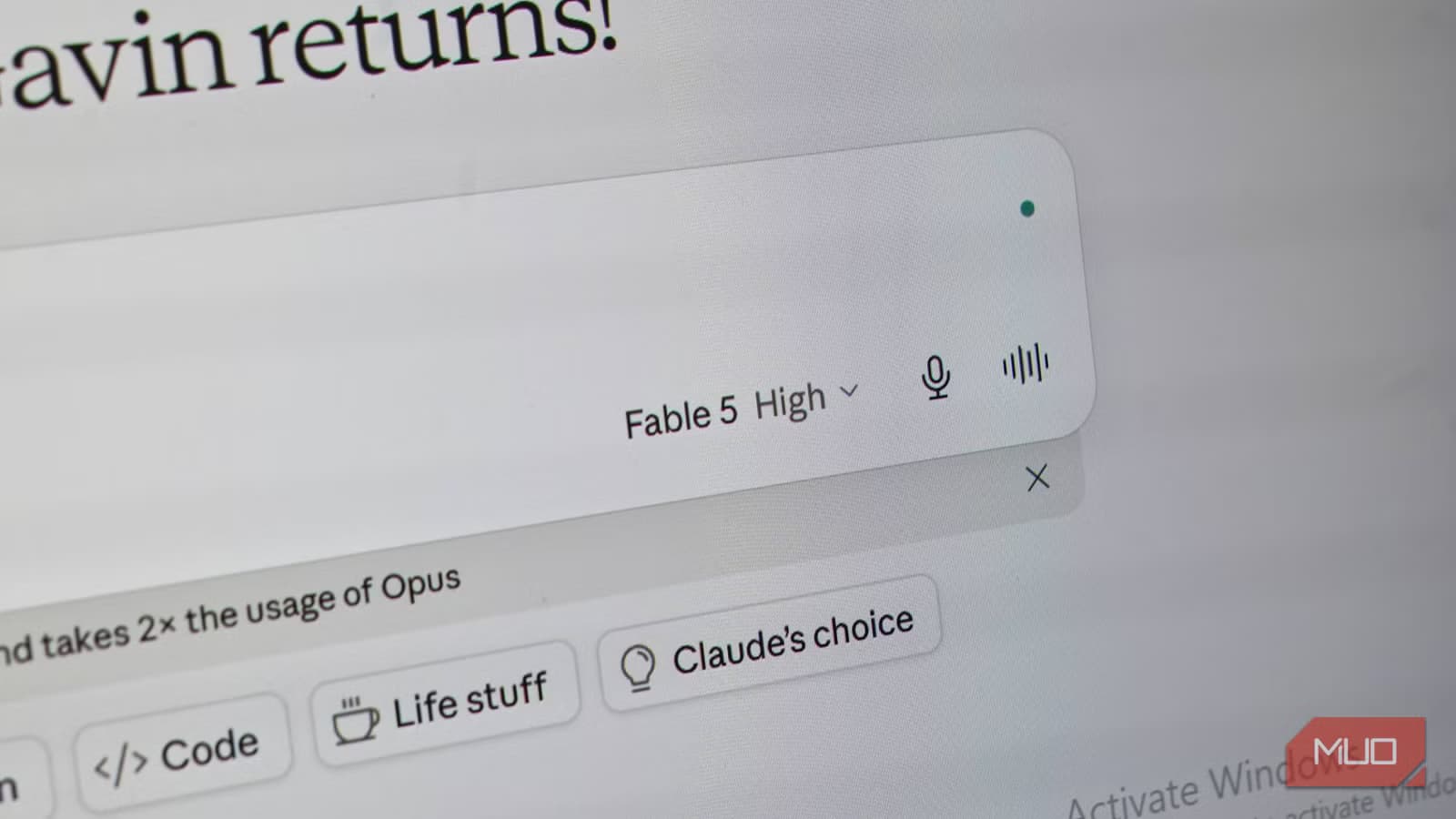
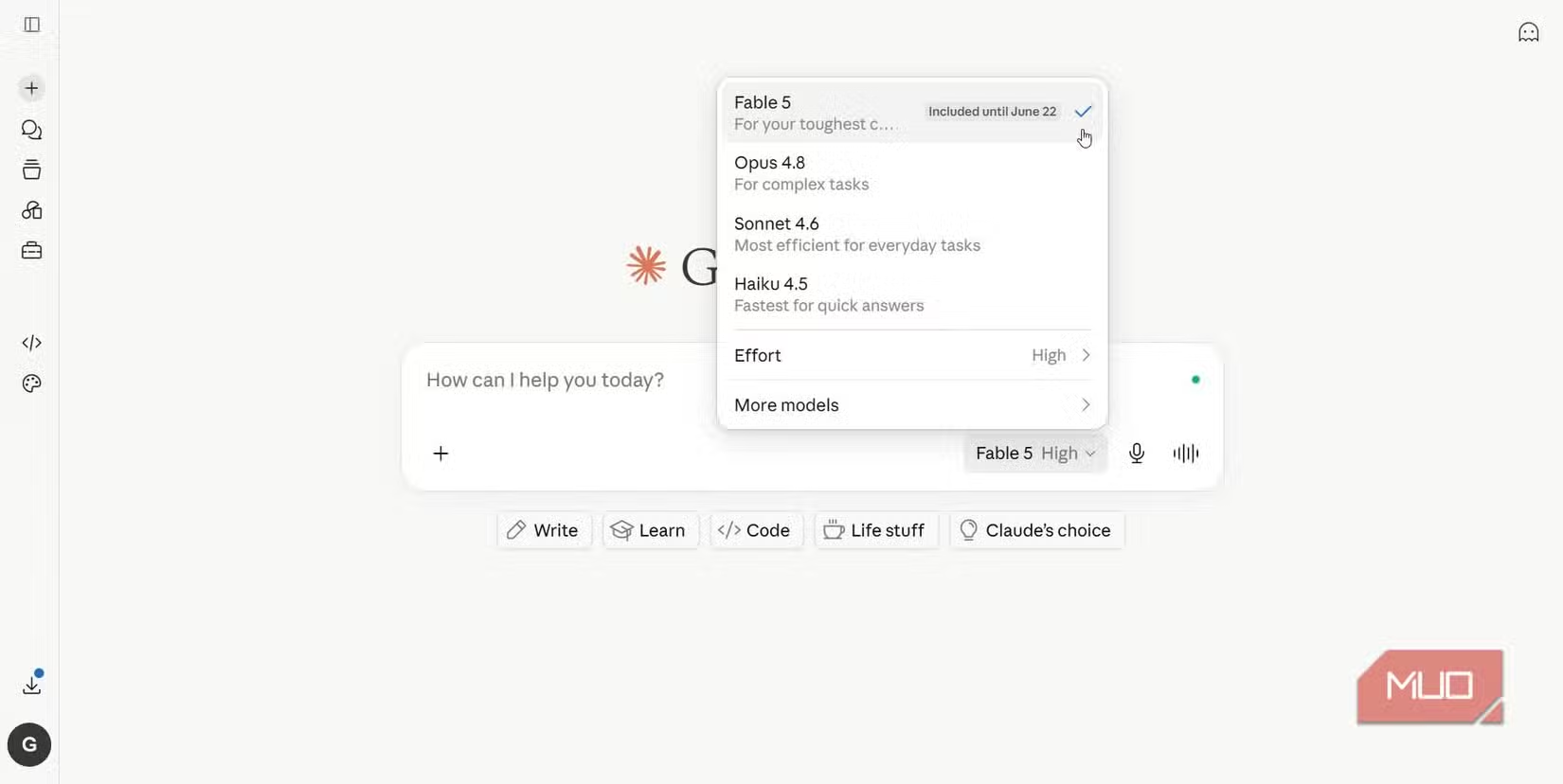
You need a paid Claude subscription. Free users won't see the option. Once you're logged in, Fable 5 appears in the model selector alongside existing options like Opus and Sonnet.
The access window runs from June 9 through June 22. After that, Anthropic moves to a credit-based system. The company hasn't announced pricing for post-trial access, but the source article warns to expect high costs and significant token burn.
What Fable 5 Is Built For
Anthropic tuned this model for two primary domains: cybersecurity and biology. The cybersecurity focus makes sense given Mythos's origins as an internal security testing tool. The model can apparently spot bugs and vulnerabilities in codebases that span multiple repositories.
The biology focus is newer. Anthropic hasn't shared specifics, but the combination suggests Fable 5 is designed for professional researchers and developers who need AI that can work autonomously over extended periods.
Early demos show the model debugging complex, multi-repo codebases over 48-hour periods. That's not a typo. Fable 5 is designed to work on problems for days, not minutes.
Before testing Fable 5, review Claude's privacy controls
Should You Try It?
If you already pay for Claude, yes. There's no additional cost during the trial window. The worst case is you burn through some usage limits and learn what Mythos-level AI actually feels like.
If you're considering a Claude subscription specifically for Fable 5, the calculus is trickier. You get 10 days of access before moving to unknown credit-based pricing. That's a short window to evaluate whether the model fits your workflow.
Power users on forums are rushing to test during the free window, worried that post-trial costs will make heavy usage impractical. If you're in that camp, time matters.

Logicity's Take
Frequently Asked Questions
Is Fable 5 free to use?
Fable 5 requires a paid Claude subscription. During the June 9-22 window, there's no additional charge beyond your subscription fee. After June 22, it moves to a credit-based system with pricing not yet announced.
What's the difference between Fable 5 and Claude Opus?
Fable 5 scored 91/100 on the Senior Engineer benchmark versus 63 for Opus 4.8. It also has a 1 million token context window compared to Opus's smaller limit, and is designed for multi-day autonomous tasks.
Why does Fable 5 sometimes fall back to a weaker model?
Anthropic built a safety classifier that reroutes sensitive queries, particularly in cybersecurity and biology, to Claude Opus 4.8. This is designed to prevent misuse of the model's most advanced capabilities.
How long can I access Fable 5?
The open access window runs June 9 through June 22, 2026. After that, access moves to a credit-based system with pricing to be announced.
Need Help Implementing This?
Source: MakeUseOf
Additional Context and Enterprise Capabilities
The new article introduces the 'Mythos 5' model, which is being released specifically for Project Glasswing members for sensitive cybersecurity and biology applications. It also provides a concrete use case involving Stripe, which used Fable 5 to migrate a 50-million-line Ruby codebase in a single day.
Manaal Khan
Tech & Innovation Writer
Produced with AI assistance and reviewed by the Logicity editorial team. Learn more in our Editorial Policy.