Key Takeaways
- Anthropic filed a confidential Form S-1 with the SEC, though pricing and share count remain undisclosed
- The company's valuation approaches $965 billion after its latest funding round, making this potentially one of the largest tech IPOs ever
- Going public would let Anthropic employees cash out equity while the company secures capital for compute-intensive AI development
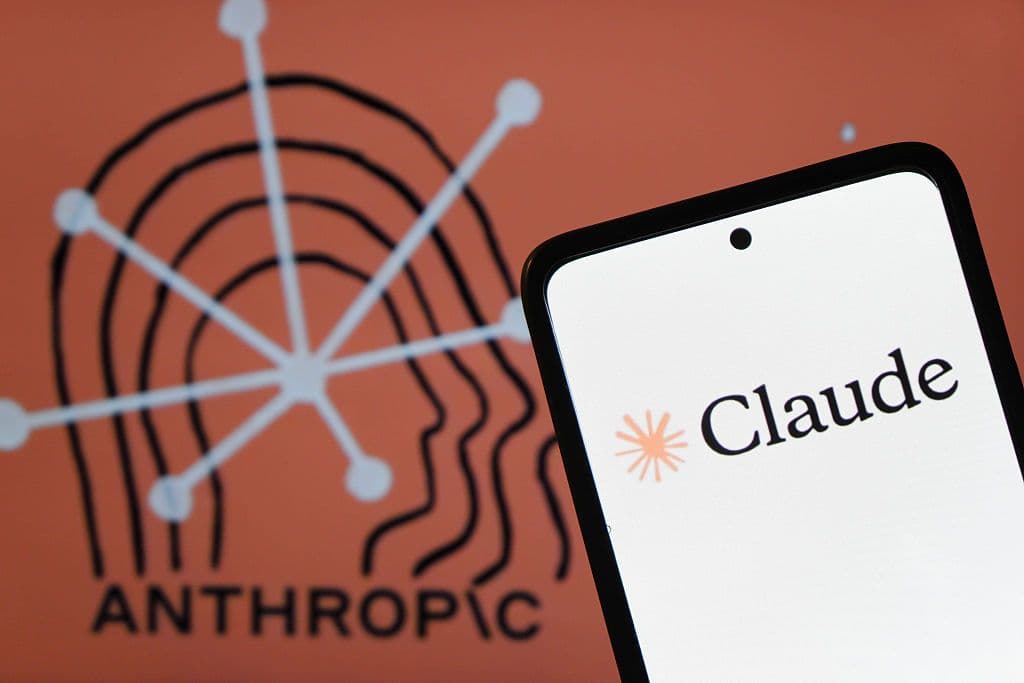
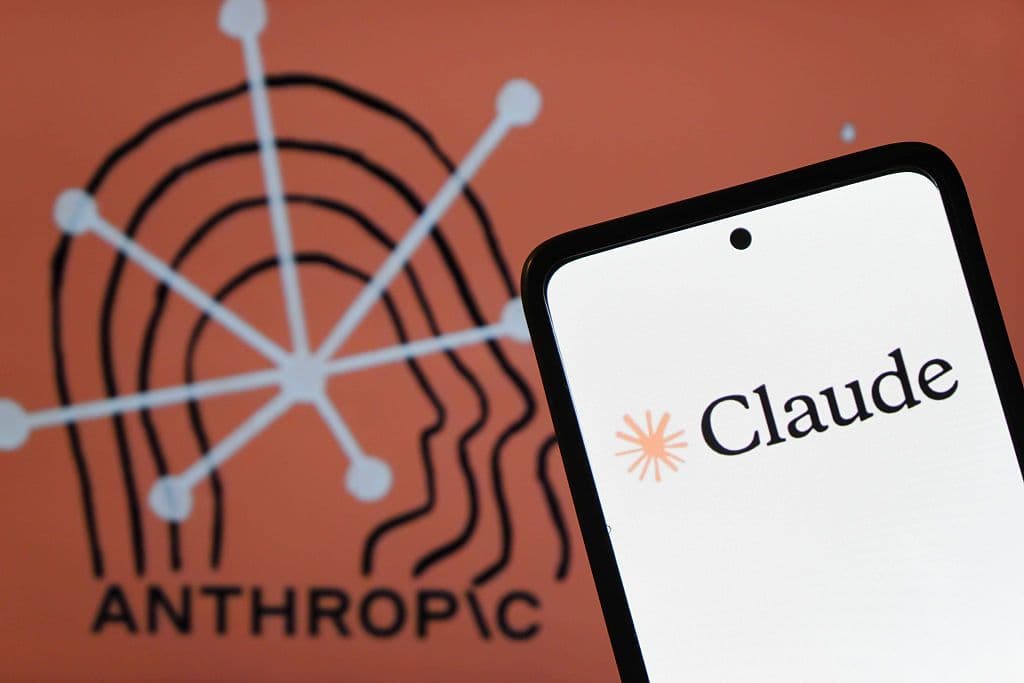
Anthropic, the company behind Claude, has confidentially filed to go public. The announcement, made via blog post, confirms a Form S-1 submission to the SEC but offers no details on pricing or share count.
The filing sets up what could become the most consequential IPO race in tech history. SpaceX (which now owns xAI) and OpenAI are both making parallel moves to raise capital from retail and institutional investors. All three companies are hungry for the massive funds required to build and operate frontier AI systems.
“The decision to go public is about securing the long-term capital required to build safe, frontier-level intelligence that benefits all of humanity, not just the early stakeholders.”
— Dario Amodei, CEO of Anthropic
The Numbers Behind the Filing
Anthropic's most recent funding round valued the company at approximately $965 billion. That figure makes it one of the most valuable private companies ever to pursue a public listing. The company's annualized revenue run rate sits at $47 billion, driven largely by enterprise adoption of Claude Code.
Just last week, Anthropic surpassed OpenAI to become the most valuable AI startup. If the IPO proceeds at or near current valuation levels, it will rank among the largest public offerings in history.
Why Go Public Now?
Beyond raising capital from a broader investor base, going public would allow Anthropic employees to sell equity earned during their tenure. For AI researchers and engineers who joined early, this represents a significant liquidity event.
The company, founded by former OpenAI employees including CEO Dario Amodei, has shifted its focus toward enterprise customers. Claude Code has become a core product for business users. Anthropic also developed Mythos, a model it has not released widely but has deployed with partners to find and fix security vulnerabilities.
The Guardrails Conflict
Anthropic has distinguished itself from competitors by advocating caution around AI deployment. This stance created friction with the current administration.
Earlier this year, the Trump administration pressured Anthropic to remove safety guardrails from its models. When Anthropic refused, the Pentagon classified the company as a supply chain risk. Amodei has since visited the White House to discuss Mythos, though the relationship remains tense.
This regulatory uncertainty adds complexity to the IPO. Public investors will need to weigh Anthropic's technical capabilities against potential government contract exclusions.
Community Reaction: Optimism and Concern
Discussion on Hacker News and Reddit has split predictably. Some see the IPO as necessary for capital-intensive R&D at the frontier of AI development. Others worry that public market pressures will force Anthropic to prioritize quarterly growth over its stated commitment to AI safety and constitutional AI principles.
The tension is real. Public companies face earnings expectations that can conflict with long-term research bets. Whether Anthropic can maintain its safety-first posture under shareholder scrutiny remains an open question.
What Happens Next
The confidential filing means Anthropic can receive SEC feedback before making documents public. The company has not disclosed a timeline for when it might begin trading.
If Anthropic, SpaceX, and OpenAI all go public in close succession, the combined offerings could reshape tech investing. For employees at all three companies, the wealth creation could rival the early internet era.
Logicity's Take
Frequently Asked Questions
When will Anthropic go public?
Anthropic has filed confidentially with the SEC but has not announced a timeline, share price, or number of shares for its IPO.
How much is Anthropic worth?
Anthropic's latest funding round valued the company at approximately $965 billion, making it the most valuable AI startup.
Why did the Pentagon call Anthropic a supply chain risk?
When the Trump administration asked Anthropic to remove safety guardrails from its AI models and the company refused, the Pentagon designated it a supply chain risk.
How does Anthropic make money?
Anthropic generates revenue primarily through enterprise products, especially Claude Code. Its annualized revenue run rate is $47 billion.
Who founded Anthropic?
Anthropic was founded by former OpenAI employees, including CEO Dario Amodei.
Need Help Implementing This?
Source: Latest from Tom's Hardware
Financial Context and Competitive Landscape
The new article provides specific financial and operational details absent from the original, including Anthropic's $47 billion annualized revenue, confirmation of recent losses due to cloud and staffing costs, and clarifying the IPO timing is subject to market conditions. It also contextualizes the race by providing specific dates and valuations for the competing SpaceX IPO, which was only mentioned generically in the initial report.
The Catalyst: Claude Code and Opus 4.5
The new article provides critical context on the internal catalyst for the IPO, identifying the November launch of Claude Opus 4.5 and the subsequent transformation of Claude Code into a full-featured desktop environment as the defining momentum shift. It explains how these technical improvements—specifically enabling end-to-end software building and better agent workflows—solidified Anthropic's market position, a detail missing from the original report.
Manaal Khan
Tech & Innovation Writer
Produced with AI assistance and reviewed by the Logicity editorial team. Learn more in our Editorial Policy.