Key Takeaways
- Zapier leads for no-code teams needing AI-safe automation across 9,000+ apps
- Fivetran and Airbyte dominate managed vs. open-source ELT pipelines
- Microsoft and AWS shops should default to Azure Data Factory and AWS Glue respectively
The average enterprise now manages over 300% more data than five years ago, spread across dozens of disconnected systems. Data integration tools solve this by pulling information from multiple sources into a single, queryable destination. But the category has fragmented: some tools optimize for managed connectors, others for open source flexibility, and a growing number for safe AI integration. Here's how the eight leading platforms compare for RevOps and operations teams in 2026.
Disclosure
Some links in this post are affiliate links — Logicity earns a commission if you sign up, at no extra cost to you. We only link products we have used or actively recommend.
What makes a data integration tool worth buying?
Four criteria separate useful platforms from expensive shelf-ware. First, connector breadth: can the tool pull from your CRM, warehouse, spreadsheets, and cloud storage without custom code? Second, performance under load. A tool that chokes on large datasets creates pipeline bottlenecks that slow reporting and decision-making. Third, transformation and data quality features, including deduplication, format normalization, and outlier detection. Fourth, governance and security compliance, especially for teams handling PII or operating under GDPR or SOC 2 requirements.
Zapier: best for AI-safe automation
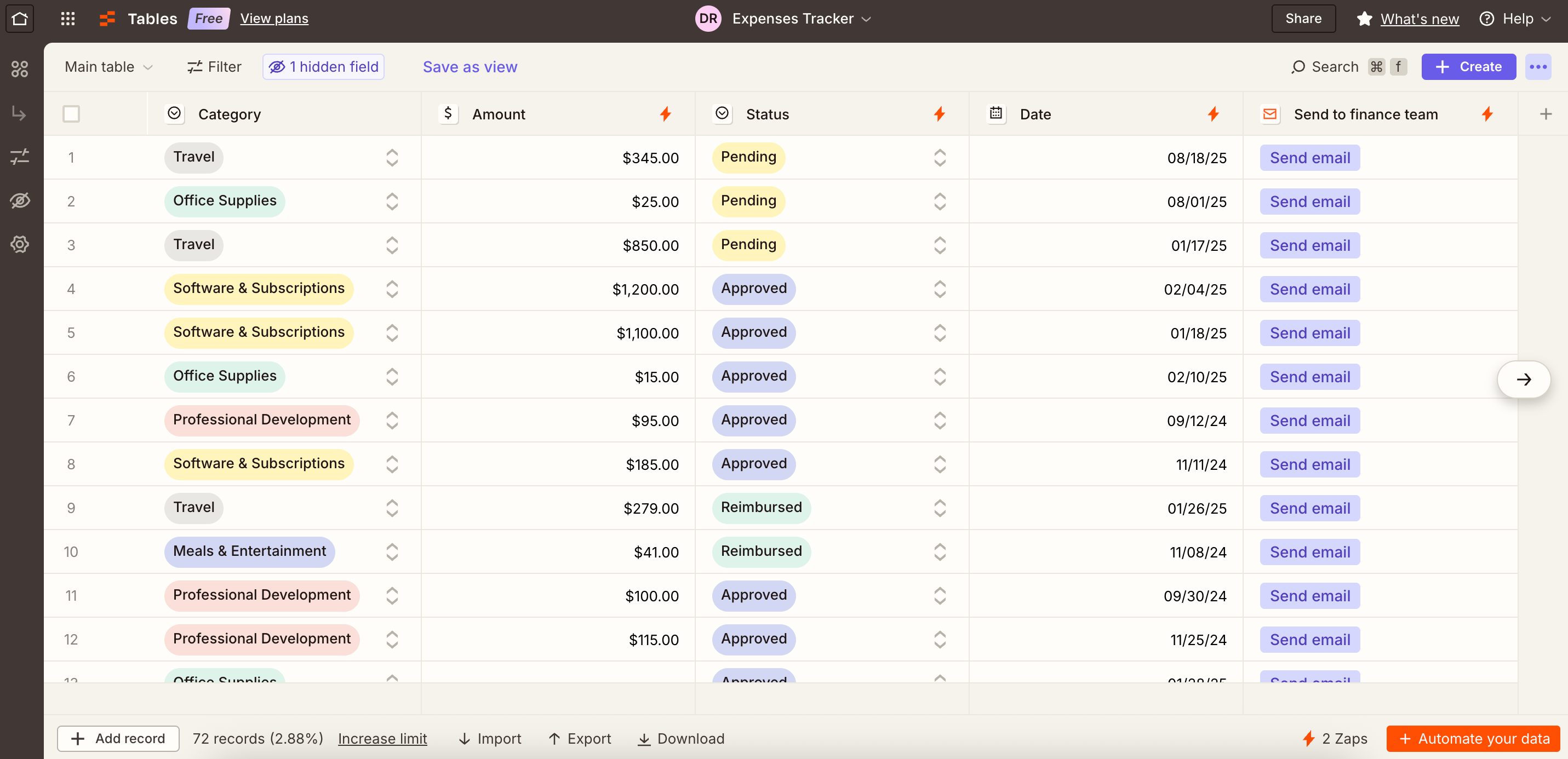
Zapier connects to over 9,000 apps, making it the widest connector library on this list. Its strength for RevOps teams is no-code workflow building: you can route leads from HubSpot to Airtable, trigger Slack alerts on deal changes, or push form submissions from Typeform into a data warehouse, all without writing code. The 2026 pitch is AI integration. Zapier now lets you pipe data into and out of AI models within a governed, auditable workflow, reducing the risk of sensitive data leaking into uncontrolled prompts.
The trade-off: Zapier is not a traditional ETL tool. It lacks the deep transformation capabilities of Fivetran or Informatica. If your use case is syncing app-to-app with light transformations, it's ideal. If you need heavy data cleansing or warehousing at scale, look elsewhere. Pricing starts at $19.99/month after a free tier.
Informatica: best for data quality and governance
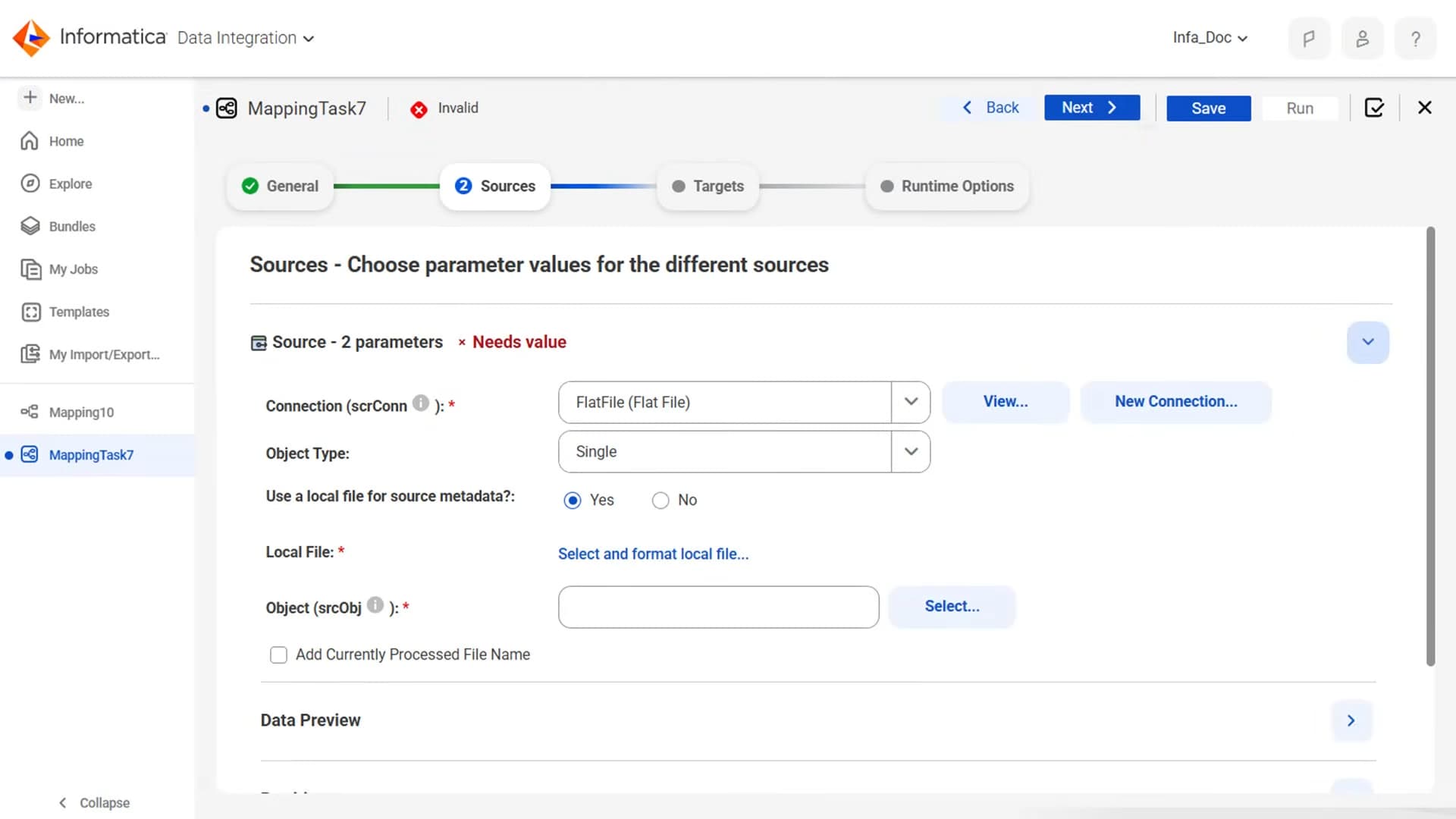
Informatica remains the enterprise default for organizations where data quality is non-negotiable. Its automated data profiling scans incoming datasets for missing values, duplicates, and format inconsistencies before they reach your warehouse. For industries like healthcare or finance, where a single bad record can cascade into compliance violations, this is the selling point.
The downside is complexity. Informatica requires more setup time and often a dedicated data engineering resource. Pricing is by request, which typically means six-figure annual contracts for mid-size deployments.
Fivetran: best for fully managed connectors
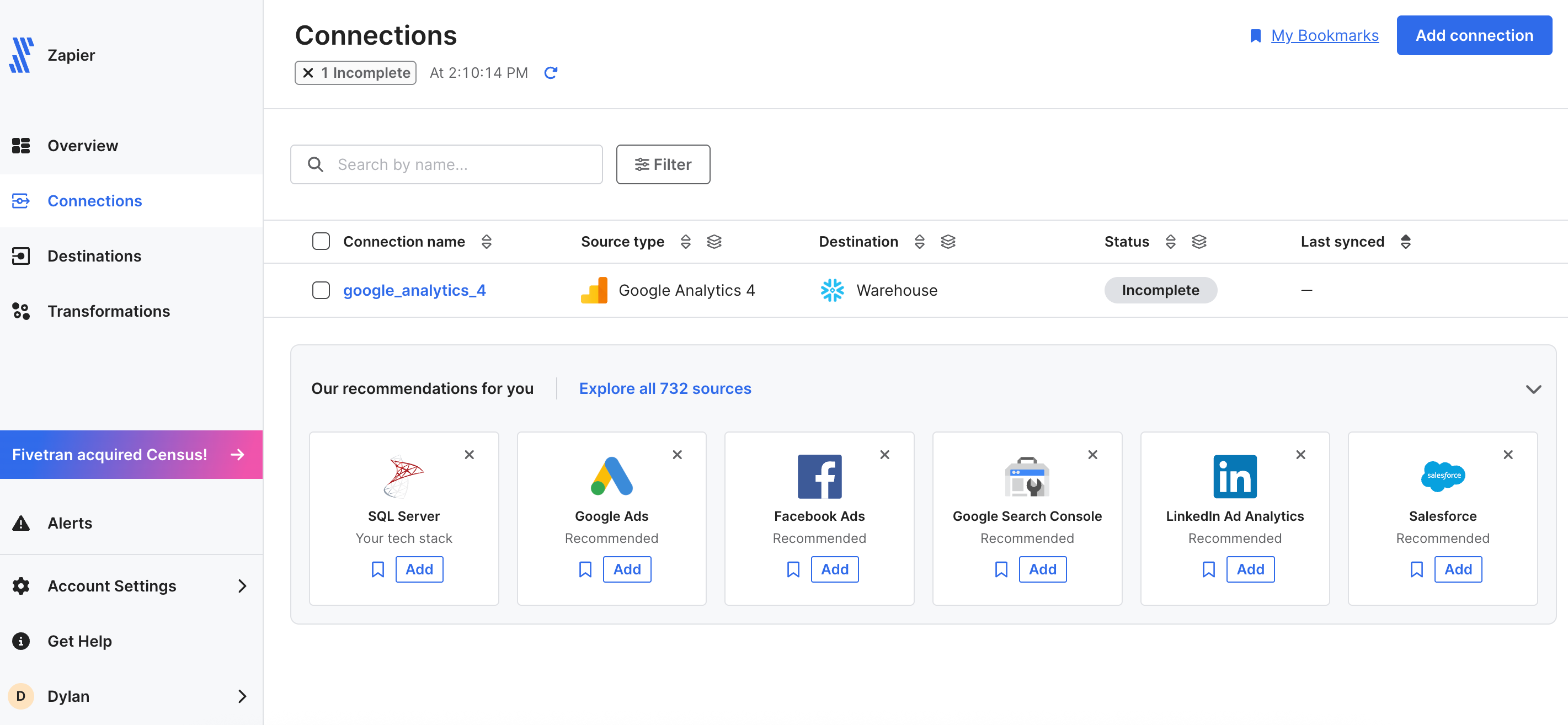
Fivetran's pitch is simple: pre-built, fully managed connectors that require zero maintenance. You select a source, like Salesforce or Google Analytics, authenticate, and Fivetran handles schema changes, API versioning, and incremental syncs automatically. The platform also supports reverse ETL, pushing transformed data back into operational tools so sales reps see enriched records inside their CRM.
Pricing scales with data volume, which can get expensive for high-throughput pipelines. A free tier exists for small workloads.
Airbyte: best for open source extensibility
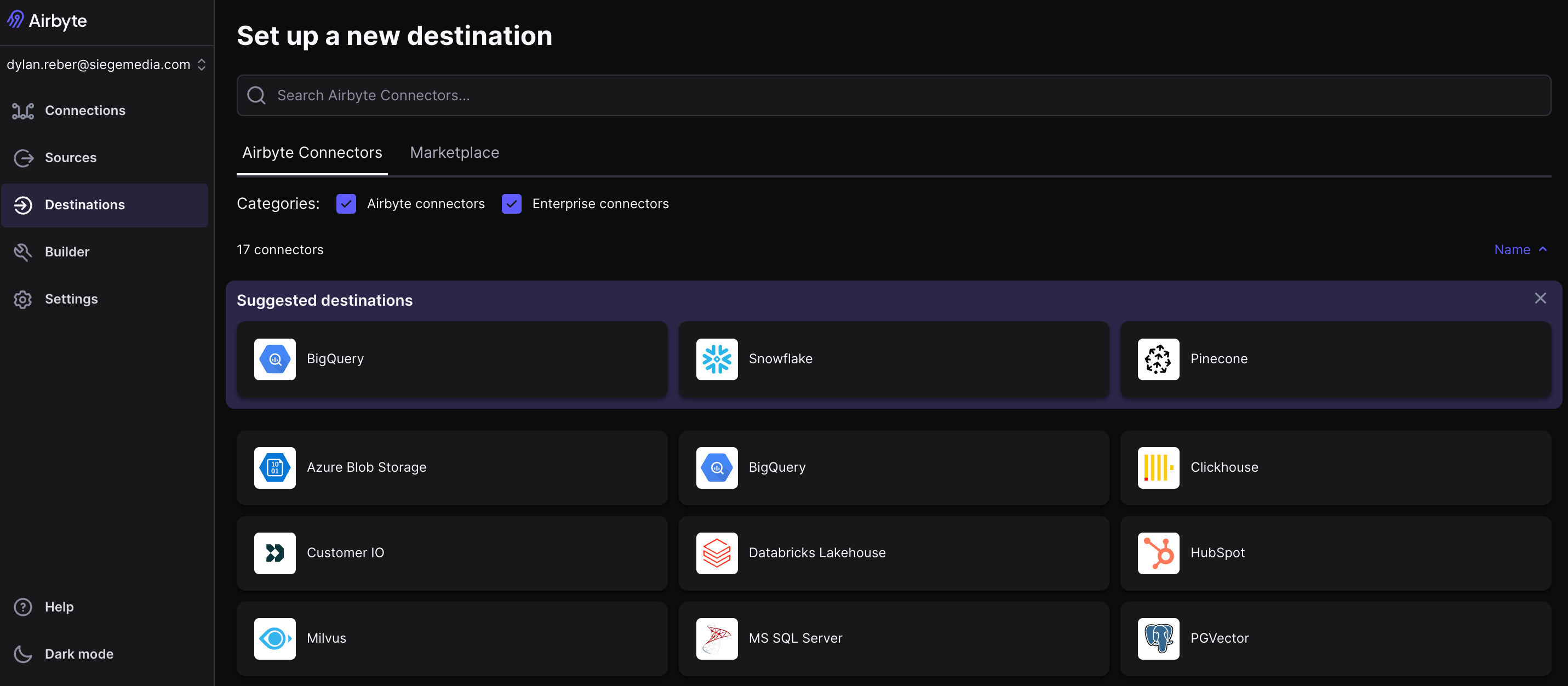
Airbyte offers over 600 pre-built connectors, but its real draw is extensibility. Because it's open source, engineering teams can build custom connectors for proprietary systems or niche SaaS tools that commercial platforms don't support. Self-hosting is free; a cloud-managed option charges by usage.
The catch: open source means you own maintenance. If your team lacks DevOps capacity, the operational overhead of self-hosting can outweigh the cost savings.
Azure Data Factory: best for Microsoft shops
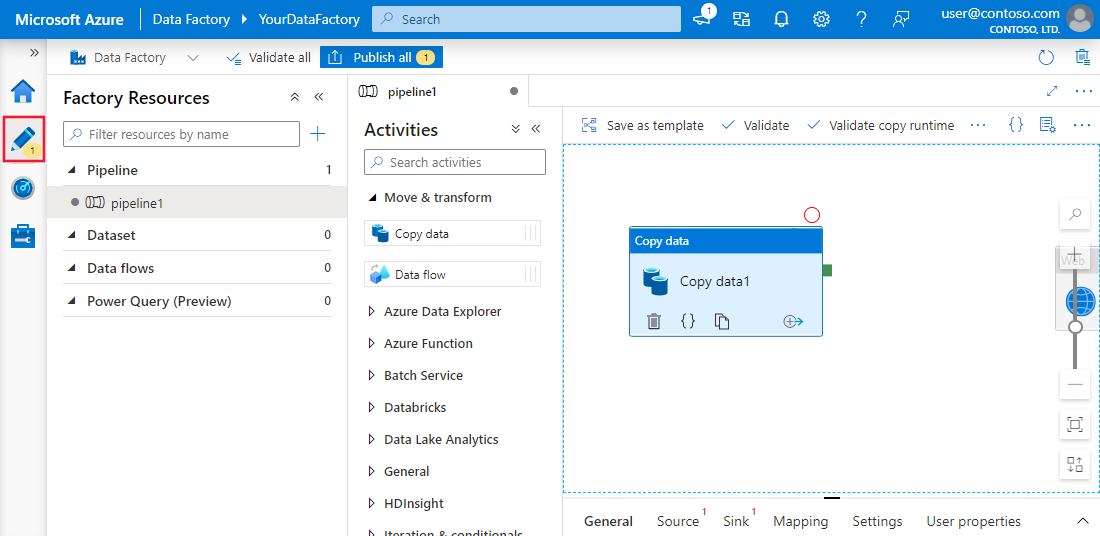
If your stack already runs on Azure, Data Factory integrates natively with Synapse, Power BI, and Azure SQL. The visual pipeline builder lets ops teams orchestrate data flows without deep SQL knowledge, though complex transformations still benefit from engineering support. Pricing is consumption-based, tied to pipeline runs and data movement.
AWS Glue: best for AWS integration
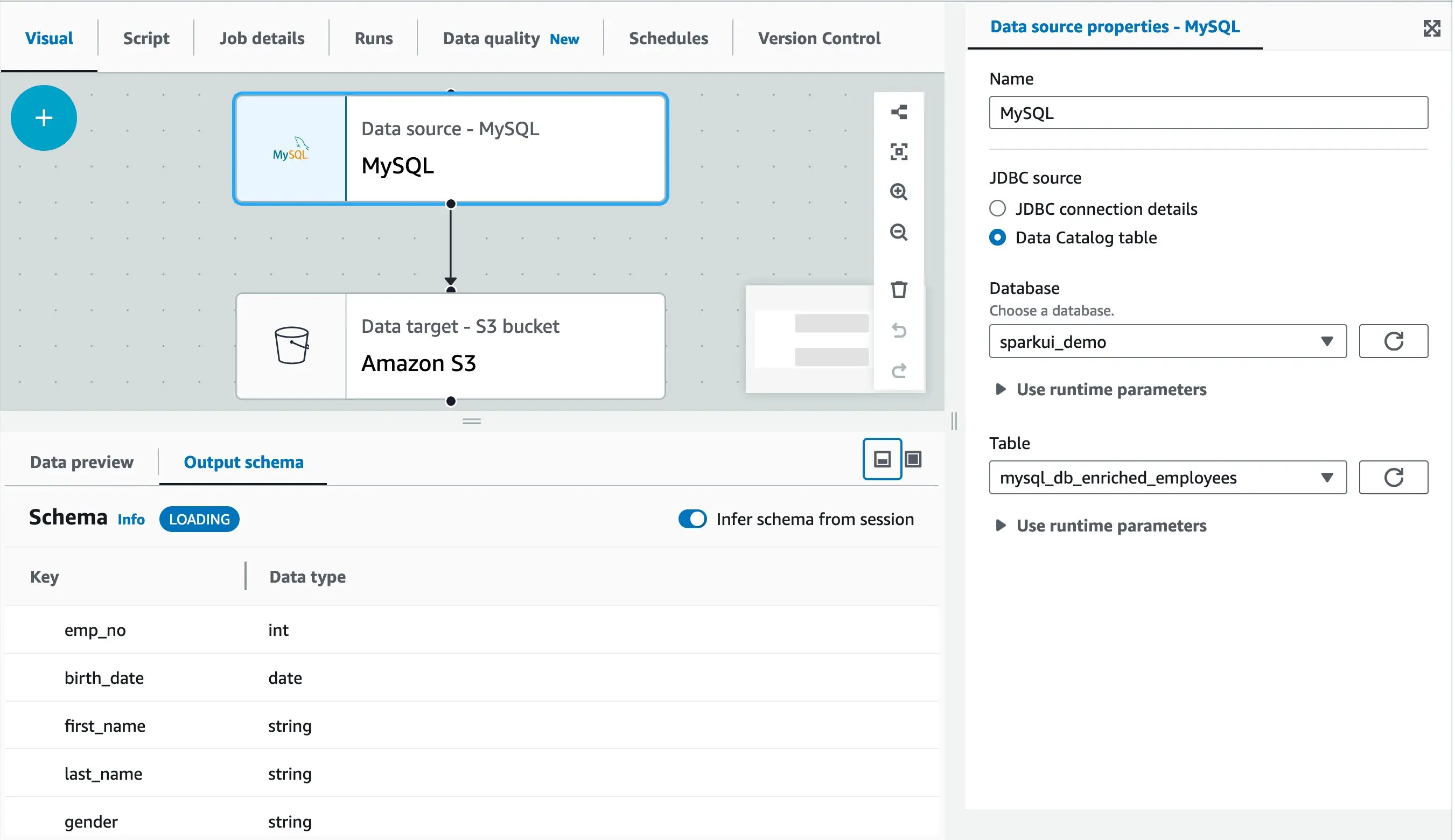
AWS Glue is the mirror image of Azure Data Factory for Amazon shops. It auto-scales based on workload, so you don't provision infrastructure. Glue's crawler automatically discovers schemas in S3 buckets, RDS instances, and Redshift, building a metadata catalog that simplifies querying. Pricing is per Data Processing Unit-hour, which can spike during large batch jobs.
Boomi: best for low-code integration
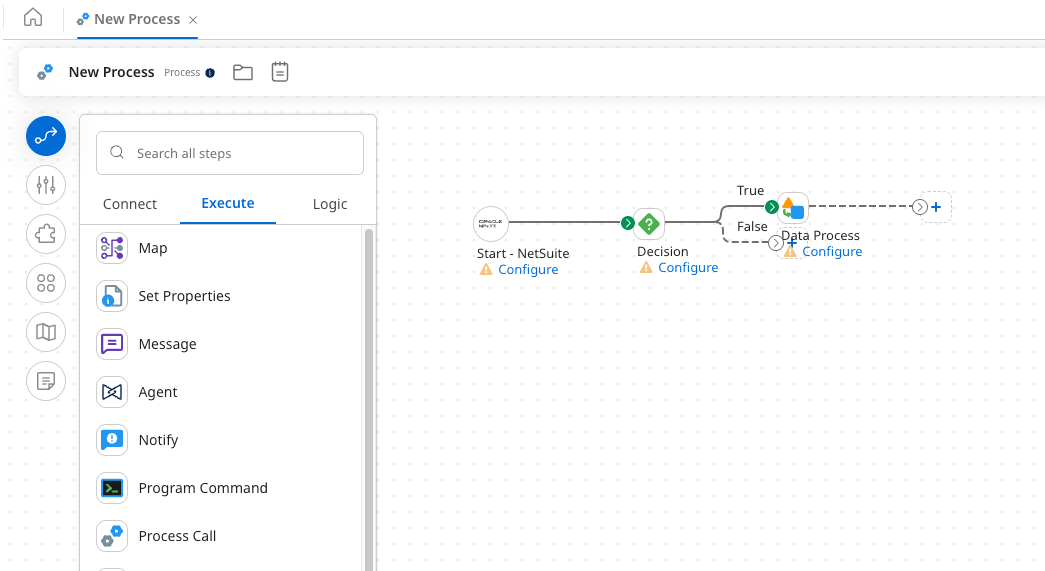
Boomi targets mid-market companies that want enterprise-grade integration without hiring a data engineering team. Its drag-and-drop builder lets RevOps managers map fields between systems visually. Boomi also handles API management and B2B EDI, making it a fit for companies with complex partner data exchanges. Pricing is by request.
Estuary: best for inventory and relational databases
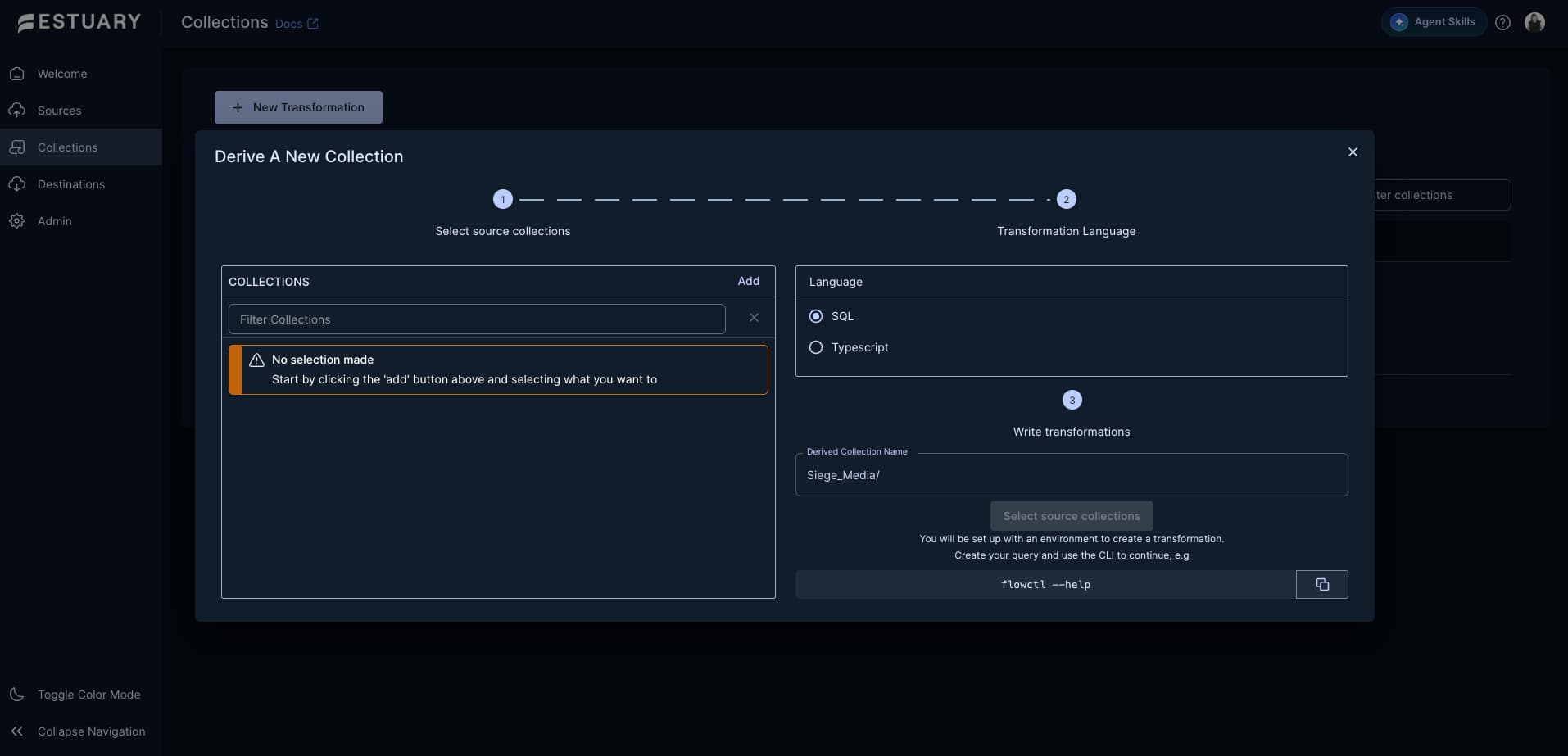
Estuary specializes in real-time data streaming, particularly for inventory systems where latency matters. If your warehouse management software needs sub-second updates to reflect stock changes across relational databases, Estuary handles that better than batch-oriented tools. A free tier exists; paid plans scale with usage.
Quick comparison: pricing and use cases
| Tool | Best For | Pricing |
|---|---|---|
| Zapier | No-code, AI-safe automation | Free tier; from $19.99/mo |
| Informatica | Data quality & governance | By request |
| Fivetran | Managed connectors | Free tier; usage-based |
| Airbyte | Open source extensibility | Free self-host; usage-based cloud |
| Azure Data Factory | Microsoft ecosystem | Consumption-based |
| AWS Glue | AWS ecosystem | DPU-hour pricing |
| Boomi | Low-code, mid-market | By request |
| Estuary | Real-time inventory sync | Free tier; usage-based |
Logicity's Take
For most RevOps teams, the decision tree is straightforward. If you're already deep in Azure or AWS, use the native tool. If you want managed connectors with minimal maintenance, Fivetran is the default. If budget is tight and you have engineering capacity, Airbyte's open source model saves money. Zapier wins for teams that need to connect SaaS apps quickly without touching a warehouse at all. The real question is whether your use case is app-to-app sync (Zapier, Boomi) or warehouse-centric ETL (Fivetran, Airbyte, Glue). Pick the wrong category and you'll overpay for features you don't use.
Frequently Asked Questions
What is the difference between ETL and ELT?
ETL (Extract, Transform, Load) transforms data before loading it into a warehouse. ELT loads raw data first, then transforms it inside the warehouse. Modern cloud warehouses favor ELT because compute is cheap and schemas change often.
Can I use Zapier as a data warehouse?
No. Zapier syncs data between apps but doesn't store it long-term. For warehousing, pair Zapier with a tool like BigQuery, Snowflake, or Redshift.
Is Airbyte really free?
The open source version is free to self-host. Airbyte Cloud charges based on data volume and sync frequency.
Which tool is best for small teams without engineers?
Zapier or Boomi. Both offer visual, no-code builders that ops managers can configure without writing SQL or Python.
How do I choose between Fivetran and Airbyte?
Fivetran if you want zero maintenance and can pay for it. Airbyte if you have DevOps capacity and want to control costs or need custom connectors.
Databricks' valuation surge signals where enterprise data investment is heading
Need Help Implementing This?
Choosing a data integration tool is only step one. If you need help mapping your stack, evaluating connectors, or building your first pipelines, reach out to Logicity's consulting partners for a free 30-minute architecture review.
Source: The Zapier Blog
Huma Shazia
Senior AI & Tech Writer
Produced with AI assistance and reviewed by the Logicity editorial team. Learn more in our Editorial Policy.