Key Takeaways
- AI governance spans the full lifecycle from procurement to retirement, so most organizations need multiple tools
- Only 12% of organizations describe their AI governance maturity as high, despite 76% appointing Chief AI Officers
- Runtime enforcement and real-time observability are replacing annual audits as the governance standard
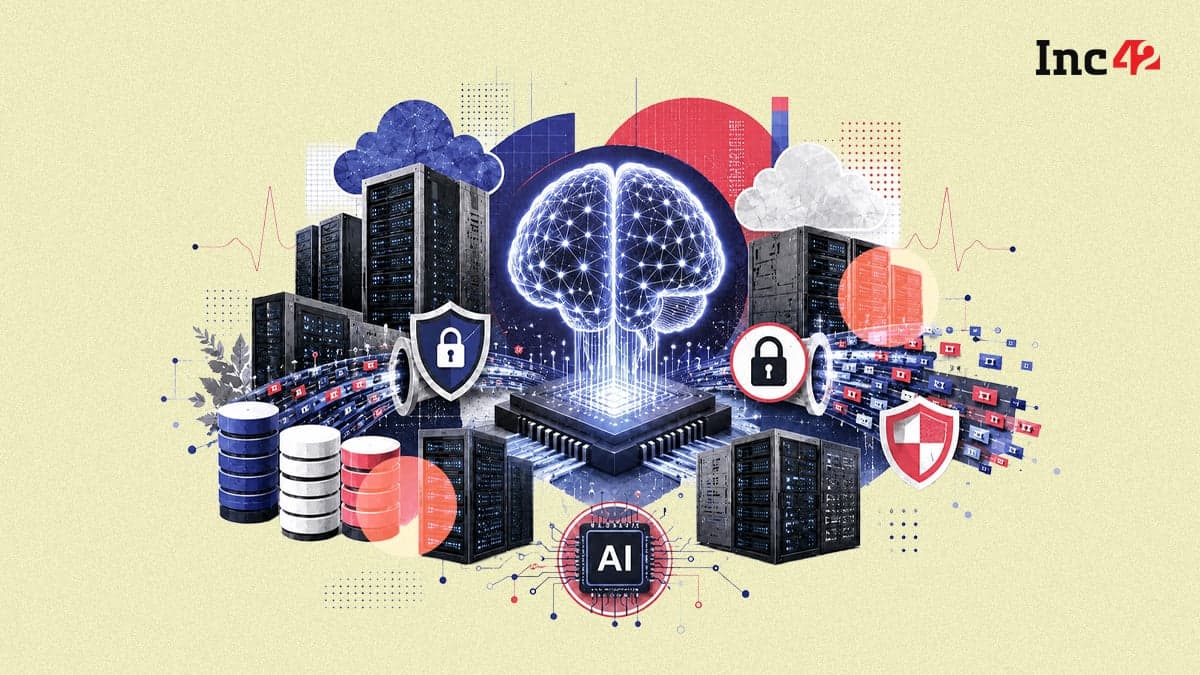
AI governance used to mean a policy document gathering dust in a compliance folder. In 2026, it means runtime guardrails, real-time drift detection, and automated evidence collection for regulators who are actually paying attention.
The shift happened fast. The EU AI Act moved from framework to enforcement. Autonomous 'agentic' AI systems started making decisions without human approval. And AI-related incidents, including data breaches and bias claims, jumped 55% year-over-year in 2025.
Organizations responded. Some 76% of enterprises have appointed a Chief AI Officer by mid-2026. Annual spending on dedicated AI governance platforms hit a projected $492 million. But here's the uncomfortable truth: only 12% of organizations describe their governance maturity as 'high.'
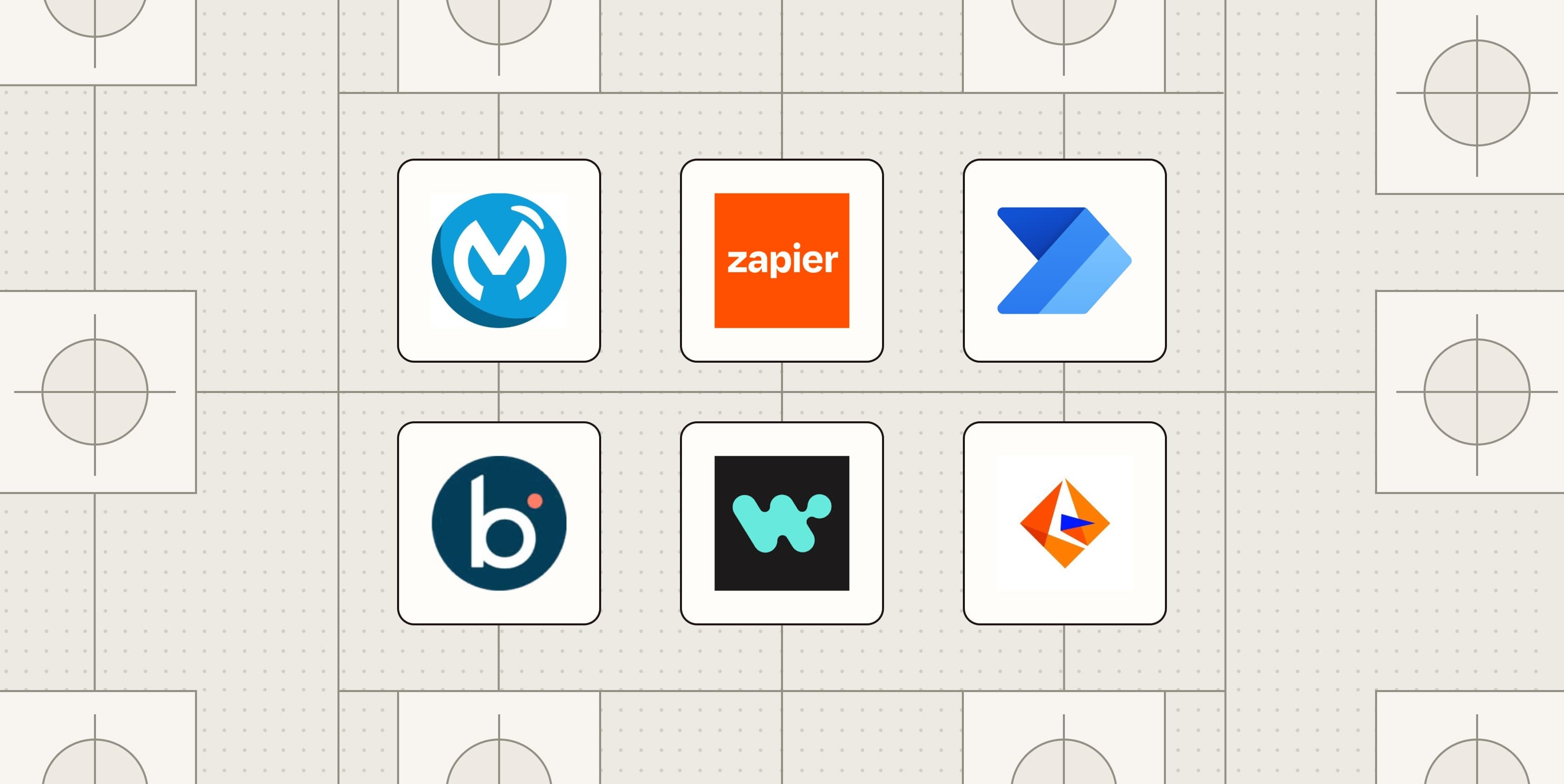
The gap between having a governance title and having actual governance is where tools come in. After researching and testing the major platforms, here are six worth considering, each built for a different slice of the governance problem.
What AI Governance Actually Means Now
Ask three different people what AI governance means and you'll get three different answers. A data scientist focuses on data leakage and unsafe tool use. A CISO cares about data lineage and ownership. A compliance officer sees legal and privacy requirements sitting on top of everything else.
They're all right. AI governance isn't a single product category. It's a discipline spanning the entire AI lifecycle, from the decision to build or buy a tool to the day it gets retired.
“Governance is no longer a compliance burden; it is the infrastructure of trust that allows AI to be deployed at scale.”
— Navrina Singh, CEO and Founder of Credo AI
Software in this space typically focuses on three areas: pre-deployment risk assessment, runtime monitoring and enforcement, and compliance documentation. Most organizations need tools from at least two of these categories.
The 6 Best AI Governance Tools
1. Zapier: Building Safely With AI
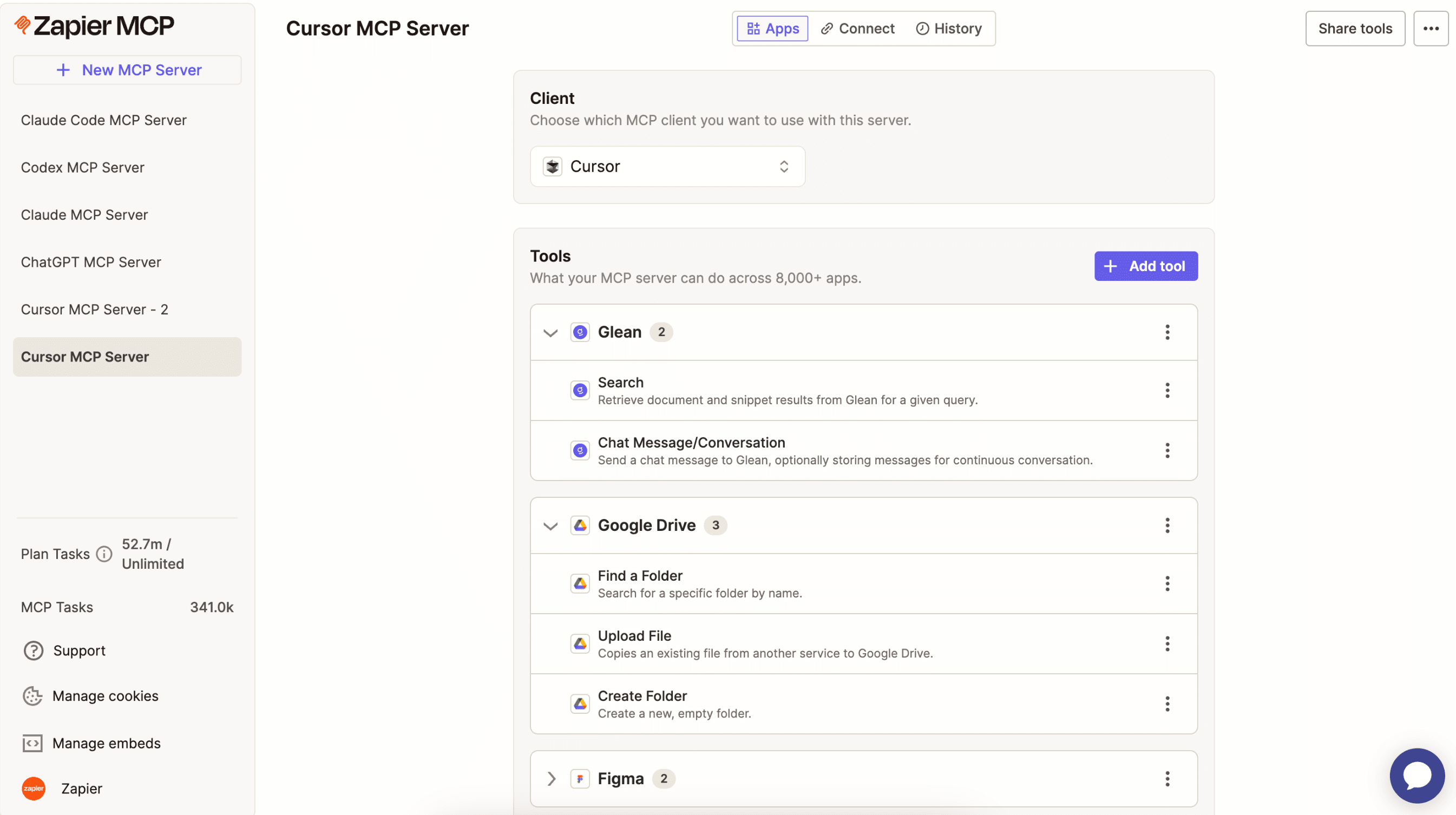
Zapier isn't a governance platform in the traditional sense. It's an automation tool that happens to bake safety into AI workflows. For teams connecting AI models to business processes, Zapier provides guardrails at the integration layer. You set conditions for when AI can act autonomously and when it needs human approval.
This matters because shadow AI, employees using unapproved tools, is one of the biggest governance headaches. Zapier lets you channel AI usage through sanctioned pipelines with audit trails.
Best for: Teams that want AI automation with built-in safety checks, not a separate governance layer.
2. Microsoft Purview: For Microsoft Shops
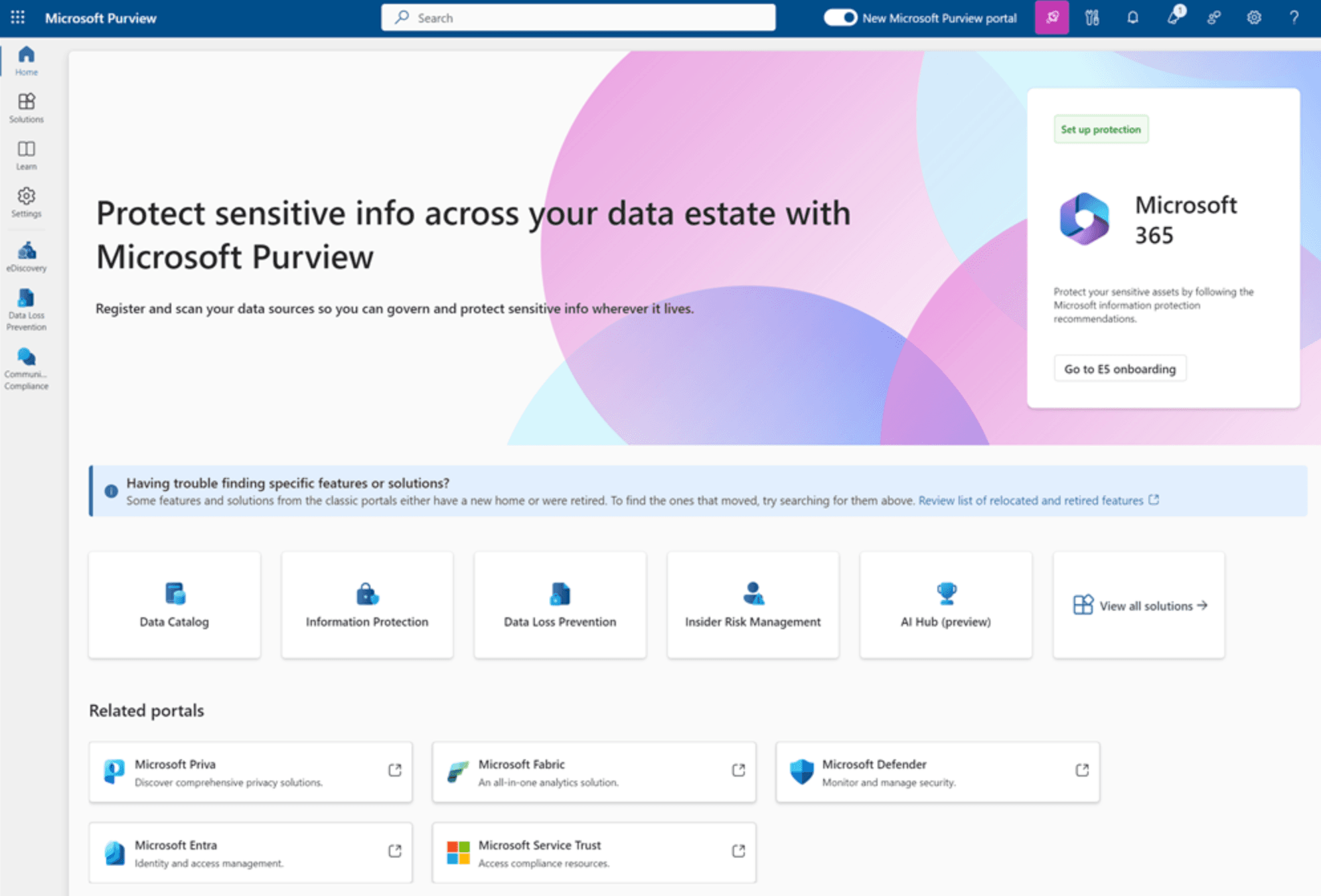
If your organization runs on Microsoft 365, Azure, and Copilot, Purview is the natural choice. It extends Microsoft's existing data governance framework to cover AI models, tracking data lineage, access controls, and usage patterns across the Microsoft ecosystem.
The integration is the selling point. Purview pulls data classification and sensitivity labels you've already set up. It monitors Copilot usage without requiring a separate agent install. For compliance teams already comfortable with Microsoft's admin consoles, the learning curve is minimal.
Best for: Enterprises already invested in Microsoft's security and compliance stack.
3. OneTrust: Enterprise-Level Governance
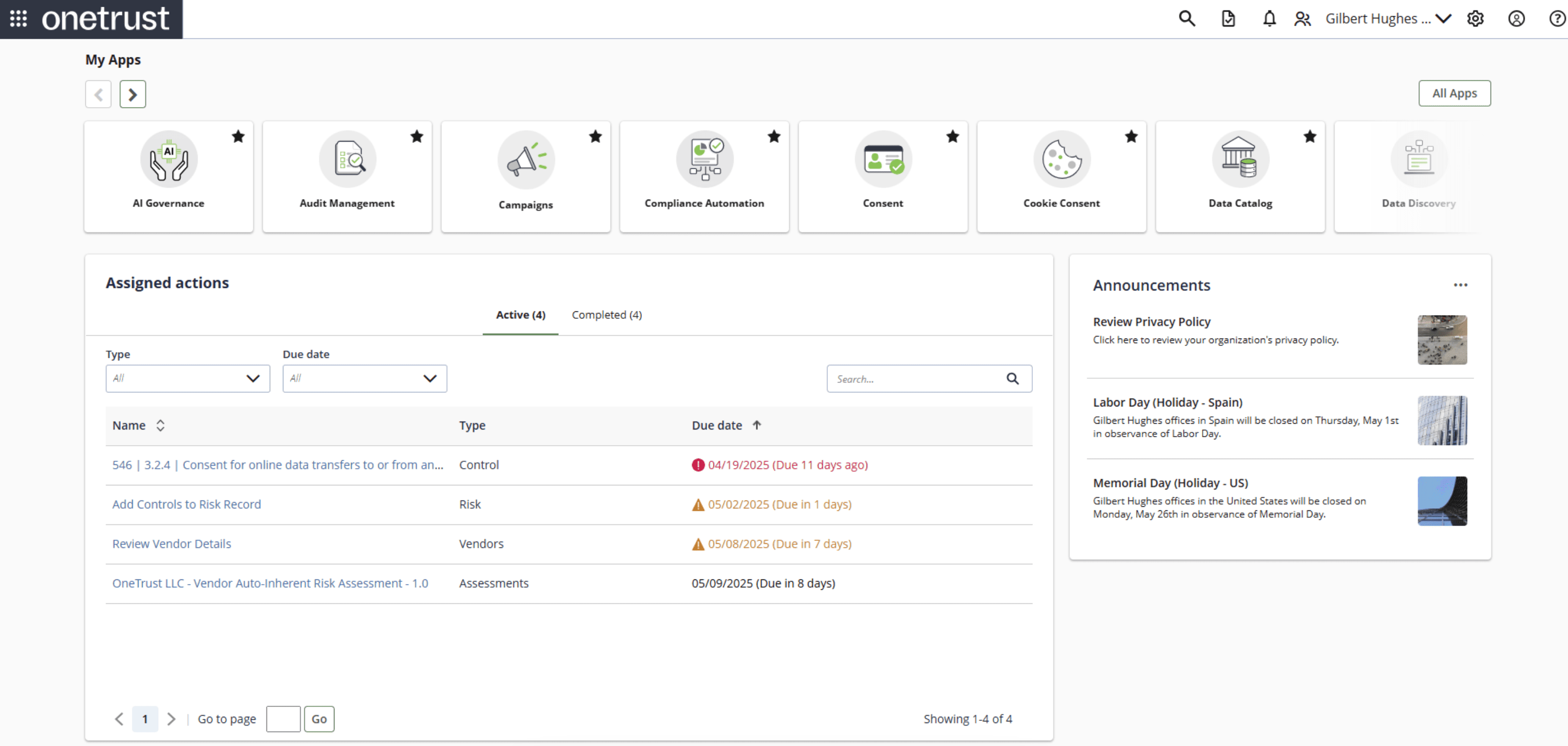
OneTrust built its reputation on privacy compliance. Its AI governance module extends that foundation to cover model risk assessments, bias audits, and regulatory mapping. The platform connects AI oversight to your existing privacy, security, and ESG programs.
The strength here is breadth. OneTrust maps AI systems against multiple regulatory frameworks simultaneously: EU AI Act, NIST AI RMF, ISO 42001. For multinationals juggling overlapping requirements, this cross-framework view saves significant manual effort.
Best for: Large enterprises needing to integrate AI governance with existing privacy and risk programs.
4. Credo AI: Regulation Management
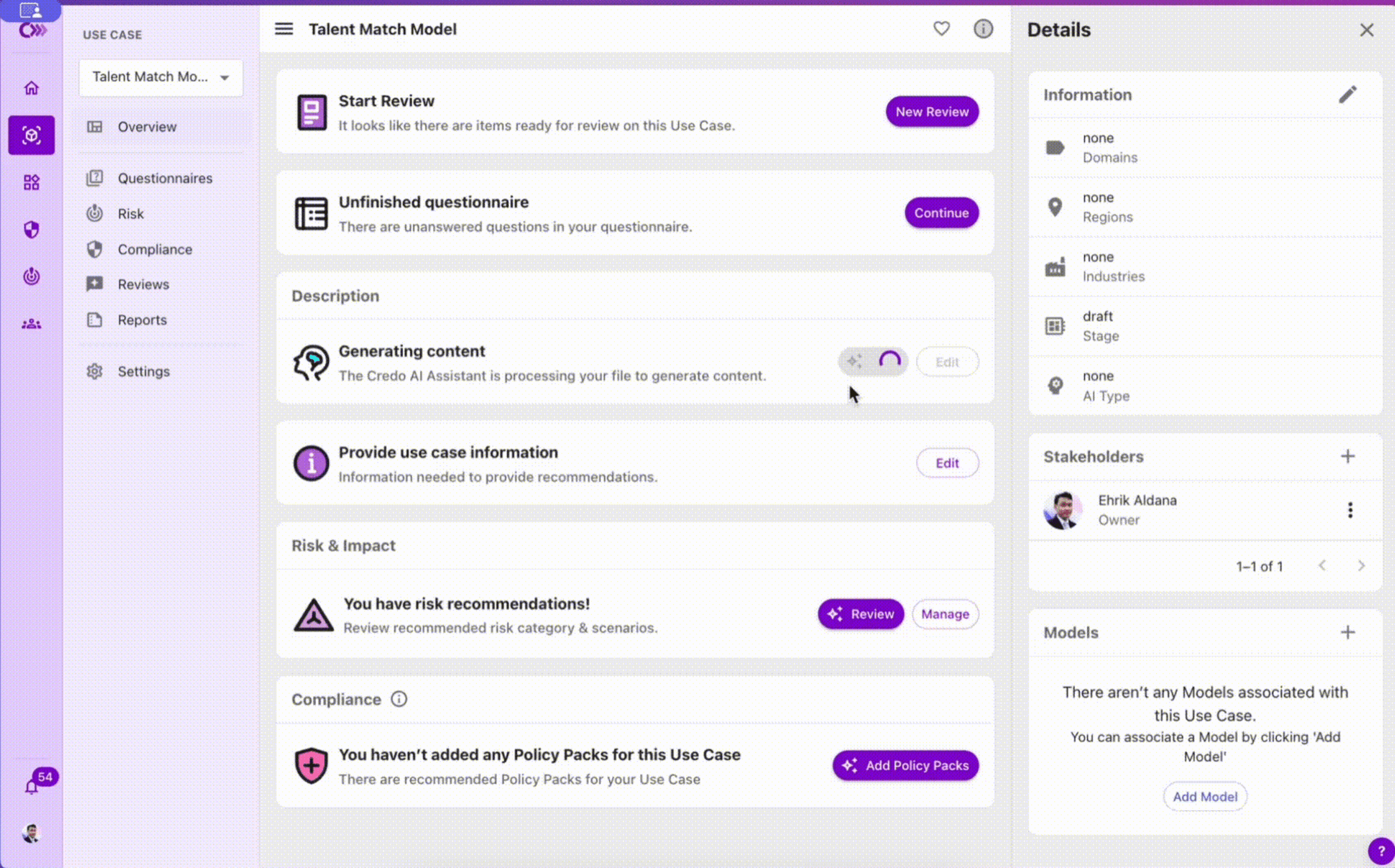
Credo AI focuses specifically on the regulatory side of governance. The platform automates evidence collection for audits, maps your AI systems against regulatory requirements, and generates the documentation regulators want to see.
The company has pushed ISO 42001 as the emerging standard for AI trust, arguing that manual annual audits can't keep pace with AI development cycles. Credo AI's approach emphasizes continuous, automated evidence gathering over point-in-time assessments.
Best for: Organizations facing direct regulatory scrutiny who need audit-ready documentation.
5. Fiddler: Real-Time Observability and Runtime Guardrails
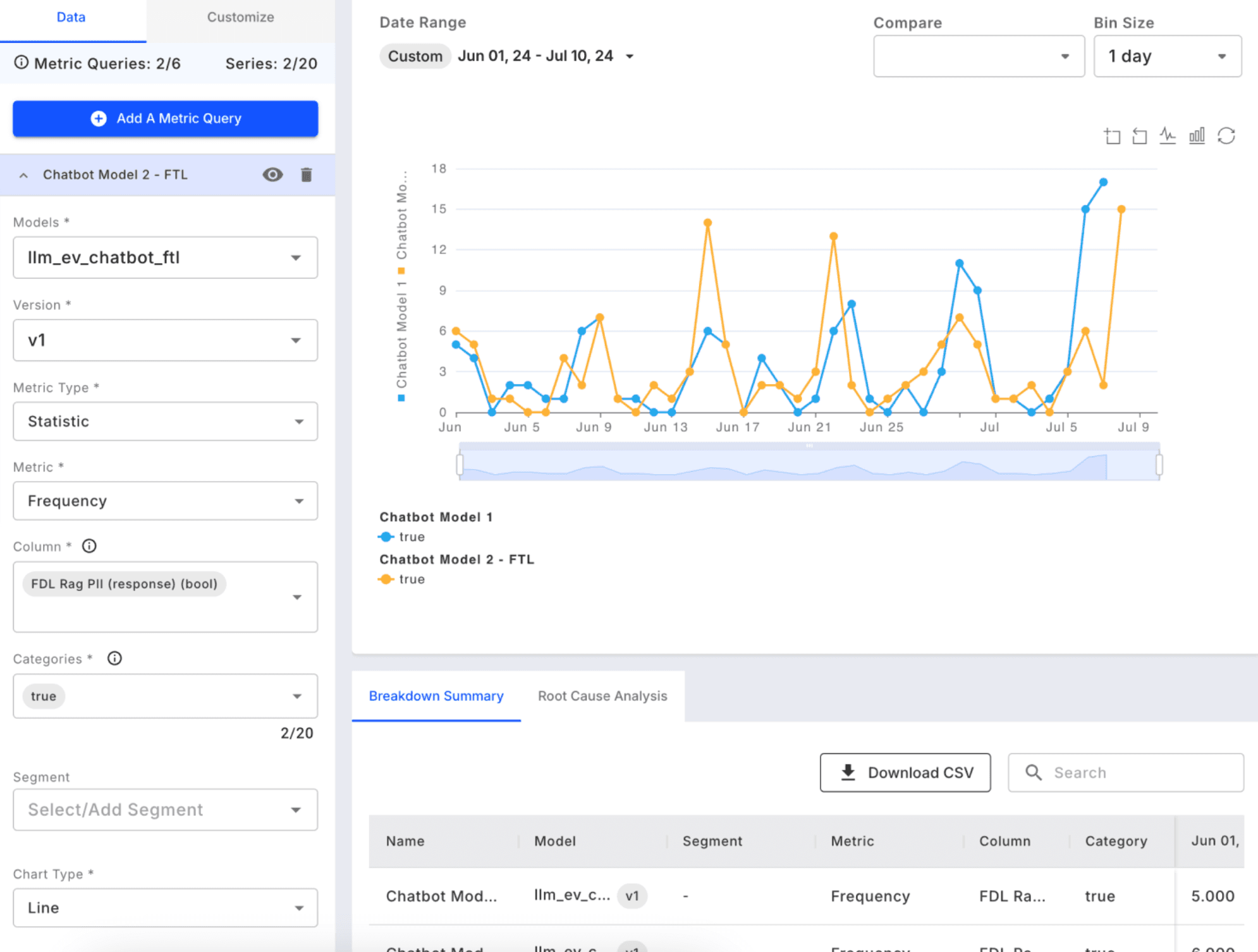
Fiddler tackles the post-deployment problem. Once your model is in production, what's actually happening? The platform provides real-time observability: drift detection, performance monitoring, and explainability tools that show why a model made a specific decision.
The runtime guardrails feature sets automatic interventions when models behave unexpectedly. If a model's outputs start drifting beyond acceptable parameters, Fiddler can flag, throttle, or halt the system before damage spreads.
Best for: ML teams who need to monitor production models and catch problems before users do.
6. ModelOp: For Regulated Industries
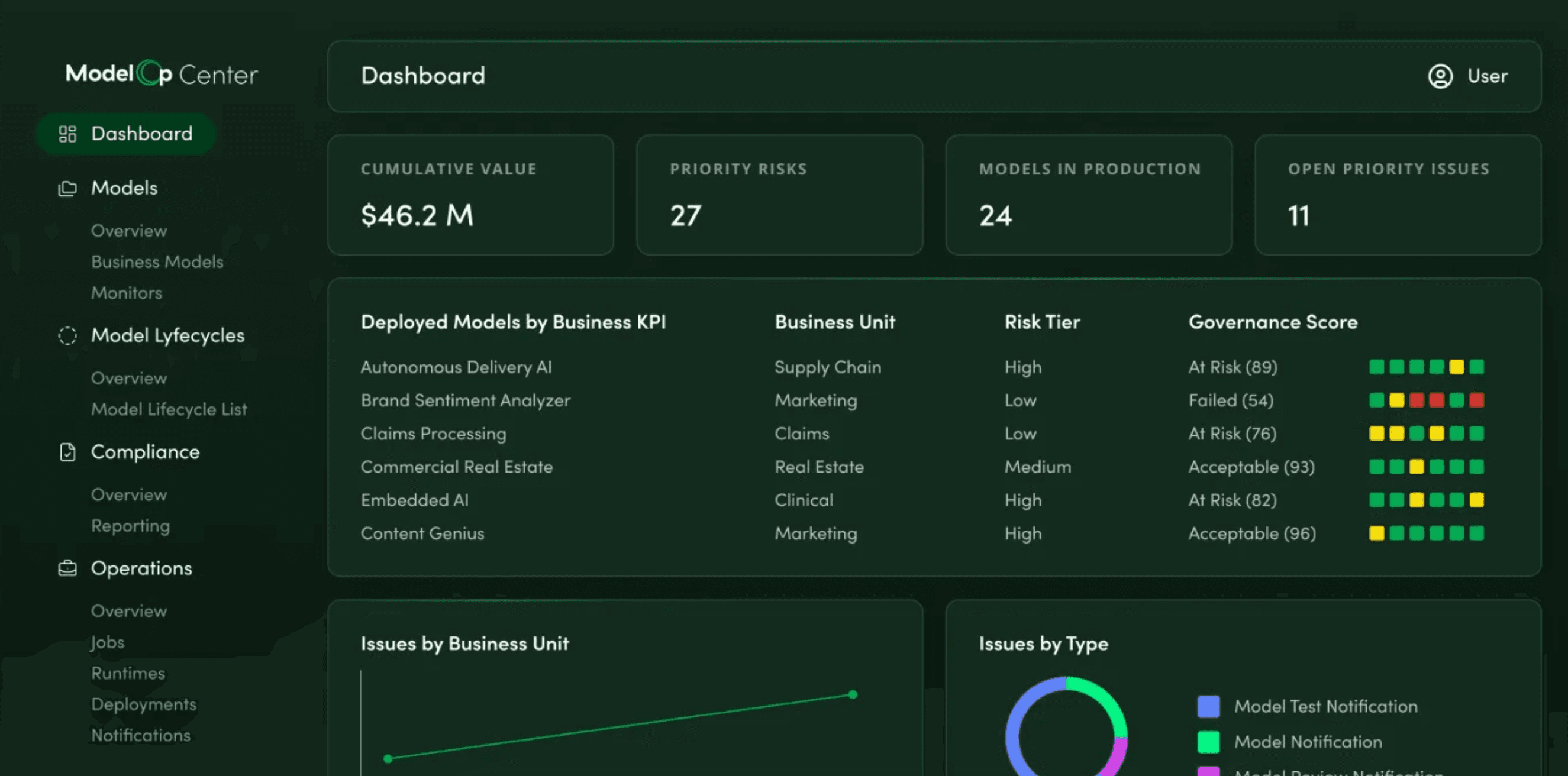
ModelOp targets the industries where AI governance isn't optional: financial services, healthcare, insurance. The platform treats AI models like any other regulated asset, with formal approval workflows, version control, and complete audit trails.
The design assumes you're dealing with regulators who want to see exactly who approved what, when, and why. ModelOp provides the paper trail, connecting model development to deployment to ongoing monitoring in a single governance record.
Best for: Financial services, healthcare, and other sectors with existing model risk management requirements.
How to Choose the Right Tool
| Tool | Primary Focus | Best For | Key Strength |
|---|---|---|---|
| Zapier | Safe AI automation | Teams building AI workflows | Integration-layer guardrails |
| Microsoft Purview | Data + AI governance | Microsoft-centric enterprises | Native ecosystem integration |
| OneTrust | Enterprise compliance | Multinationals with complex requirements | Cross-framework regulatory mapping |
| Credo AI | Regulation management | Organizations facing audits | Automated evidence collection |
| Fiddler | Runtime observability | ML teams in production | Real-time drift detection |
| ModelOp | Regulated industries | Financial services, healthcare | Formal approval workflows |
The honest answer is that most organizations will need more than one tool. A financial services company might use ModelOp for formal governance workflows and Fiddler for runtime monitoring. A Microsoft shop might run Purview alongside Credo AI for regulatory documentation.
Start with your biggest pain point. If you're worried about shadow AI, look at tools with usage visibility. If regulators are asking questions, prioritize documentation platforms. If production models are drifting, focus on observability.
The Skeptic's View
Not everyone is convinced these tools solve the core problems. In discussions on r/MachineLearning and HackerNews, engineers point out that governance platforms provide audit trails for regulators but don't necessarily fix the underlying technical challenges of model hallucination or emergent bias.
The criticism has merit. A governance tool can document that a model drifted. It can alert you when outputs look suspicious. But it can't prevent a large language model from confidently generating false information. The 'black box' problem remains unsolved.
The counterargument: governance tools aren't supposed to solve AI's fundamental limitations. They're supposed to make those limitations visible and manageable. A model that hallucinates with full audit trails is still better than one that hallucinates invisibly.
Logicity's Take
What's Next for AI Governance
The move toward 'agentic' AI, systems that act autonomously with minimal human oversight, will push governance requirements further. Static annual assessments are already giving way to continuous monitoring. As AI systems make more decisions independently, real-time intervention capabilities will become standard expectations.
Expect consolidation in the tool market. The current fragmentation, separate tools for documentation, monitoring, compliance mapping, won't last. Platforms that can credibly cover the full lifecycle will absorb or outcompete specialists.
Frequently Asked Questions
What is AI governance and why does it matter in 2026?
AI governance covers the policies, tools, and processes for managing AI systems responsibly. It matters now because the EU AI Act is being enforced, AI incidents rose 55% in 2025, and regulators are actively investigating non-compliant deployments.
Can one AI governance tool cover all my needs?
Usually not. Most organizations need tools from at least two categories: pre-deployment risk assessment, runtime monitoring, or compliance documentation. The specific combination depends on your industry and biggest risks.
What is the EU AI Act and how does it affect governance requirements?
The EU AI Act classifies AI systems by risk level and imposes requirements ranging from transparency notices to full conformity assessments. High-risk AI systems need documented risk management, data governance, and human oversight capabilities.
How do AI governance tools handle agentic AI systems?
Tools like Fiddler provide runtime guardrails that can automatically intervene when autonomous AI behaves unexpectedly. This shifts governance from periodic reviews to continuous monitoring with automatic safeguards.
What's the difference between AI observability and AI governance?
Observability focuses on monitoring what AI systems actually do in production, including drift, performance, and outputs. Governance is broader, covering policy, compliance, documentation, and oversight. Observability is one component of a complete governance program.
Need Help Implementing This?
Source: The Zapier Blog
Manaal Khan
Tech & Innovation Writer
Produced with AI assistance and reviewed by the Logicity editorial team. Learn more in our Editorial Policy.