Key Takeaways
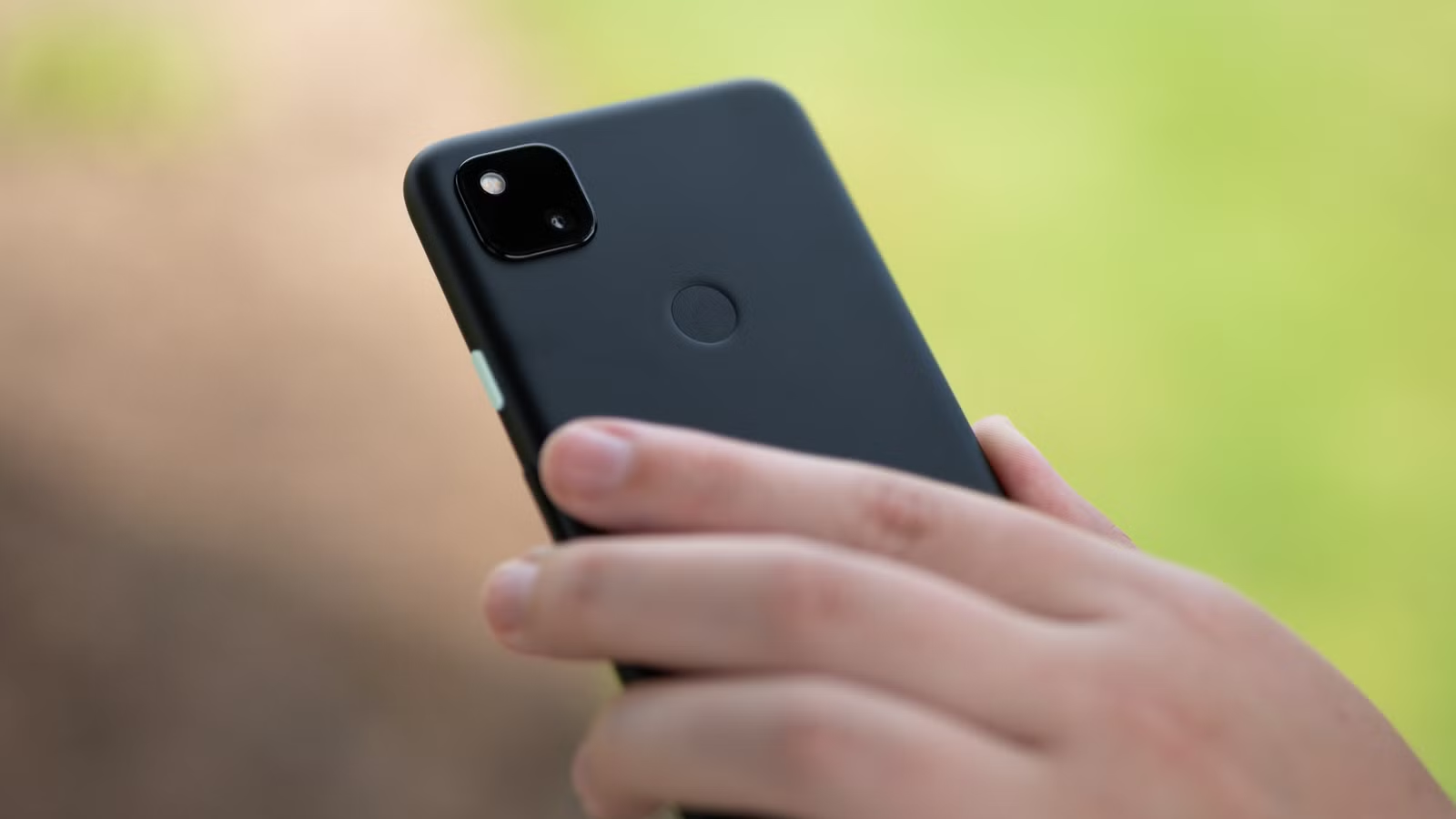
- Apple removed the headphone jack in 2016, claiming it took "courage." Most Android makers followed within two years.
- MicroSD card slots and removable batteries disappeared as manufacturers prioritized thin designs and cloud storage revenue.
- These removals benefit manufacturers more than users, pushing consumers toward wireless accessories and paid storage subscriptions.
Modern smartphones are more powerful and versatile than ever. You can easily go half a decade without upgrading, thanks to improved hardware performance and long-term software support. Phone cameras have matured to the point where most of us no longer need a dedicated shooter. You can even use your Android phone as a desktop computer powerful enough for real work.
But not all changes have been improvements. Several smartphone "innovations" over the past decade haven't enhanced the user experience. Some have actively reduced usability and versatility compared to what we had before. Here are five so-called upgrades that made our devices a little worse.
1. Removing the 3.5mm Headphone Jack
About a decade ago, Apple unveiled the iPhone 7. It was an iterative upgrade over the iPhone 6S, but it lacked one of the most important hardware features found on its predecessor: the headphone jack.
Apple claimed the move took "courage" and was necessary to accommodate larger batteries and thinner designs. The timing told a different story. Apple launched its first AirPods alongside the iPhone 7. It's hard to imagine AirPods becoming one of Apple's most successful product lines if the iPhone 7 had included a headphone jack.
Some Android brands initially mocked Apple for the decision. Then they followed suit. Within a couple of years, headphone jacks became rare on flagship Android phones. Now, if you want to use your favorite wired headphones, you need a dongle.
2. Killing the MicroSD Card Slot
Expandable storage used to be a selling point for Android phones. You could buy a 64GB phone, add a 256GB microSD card, and never worry about storage again. That option has largely disappeared from flagship devices.
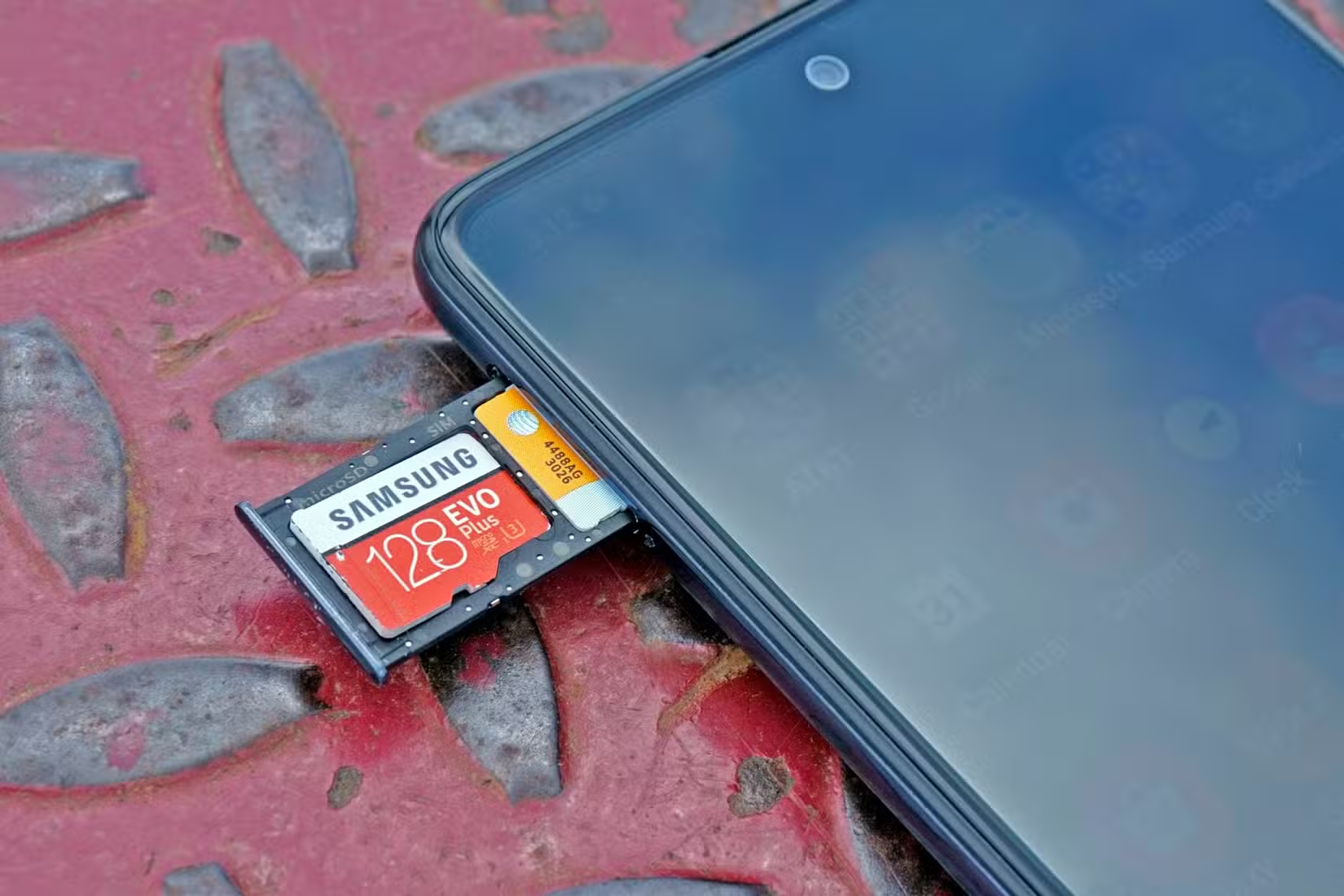
The official reasons include waterproofing, internal space constraints, and the slower speeds of external cards. The financial incentive is harder to ignore. Manufacturers charge significant premiums for storage upgrades. A phone with 512GB costs more than the same model with 128GB plus a microSD card. Cloud storage subscriptions add recurring revenue.
3. Eliminating Removable Batteries
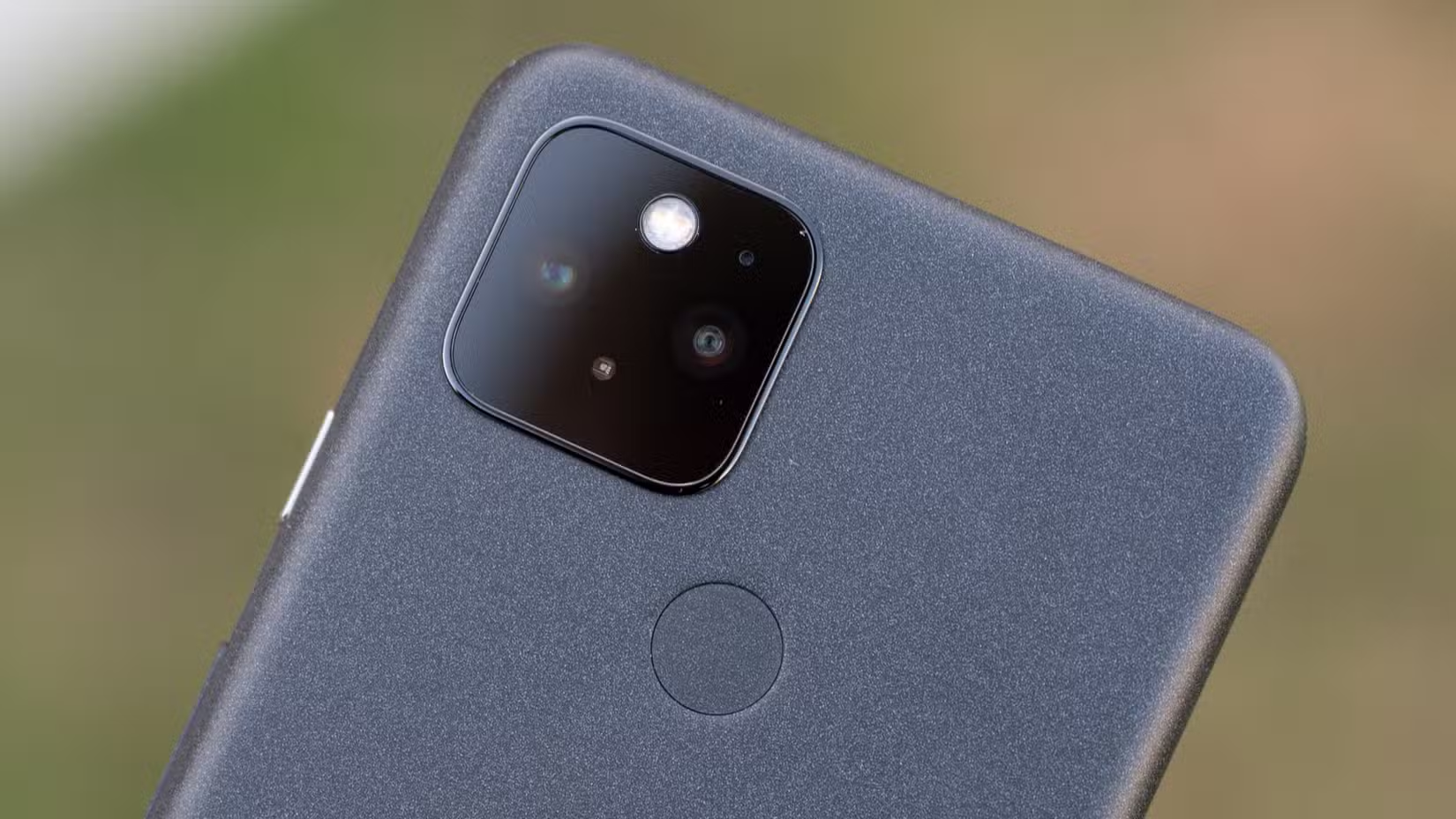
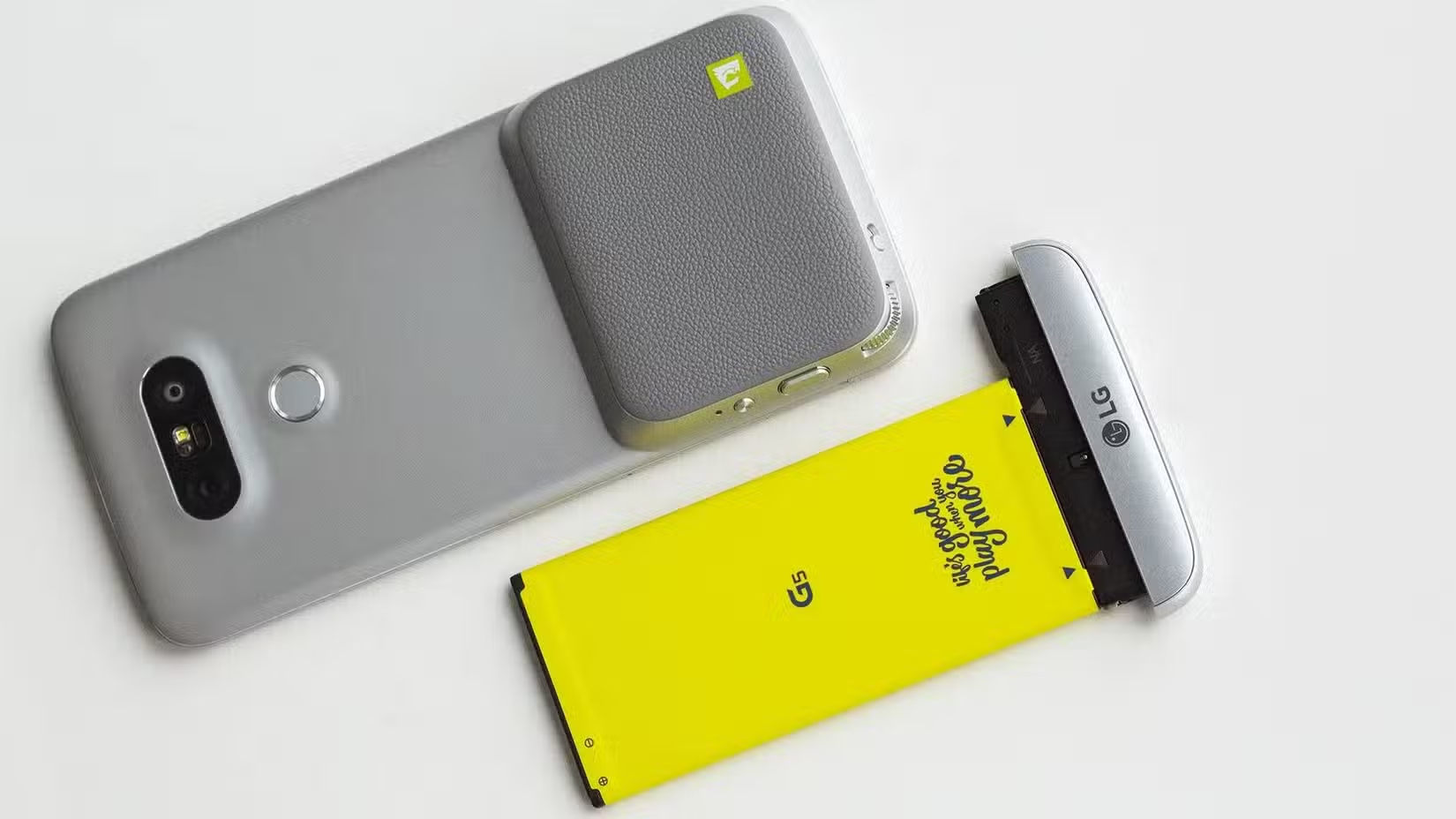
There was a time when your phone battery died and you simply swapped in a fresh one. No cables, no waiting. Removable batteries also meant easy replacement when the original degraded after a year or two of use.
Today, battery replacement requires professional service or significant technical skill. The shift to sealed designs enabled thinner phones and improved water resistance. It also created a situation where a worn battery often means a new phone, not a $30 replacement part.
4. Pushing eSIM Over Physical SIM Cards
eSIM technology lets you activate cellular service without inserting a physical card. That's convenient for some use cases. It's less convenient when you want to swap SIMs quickly while traveling, or when you need to move your number to a new device without carrier involvement.
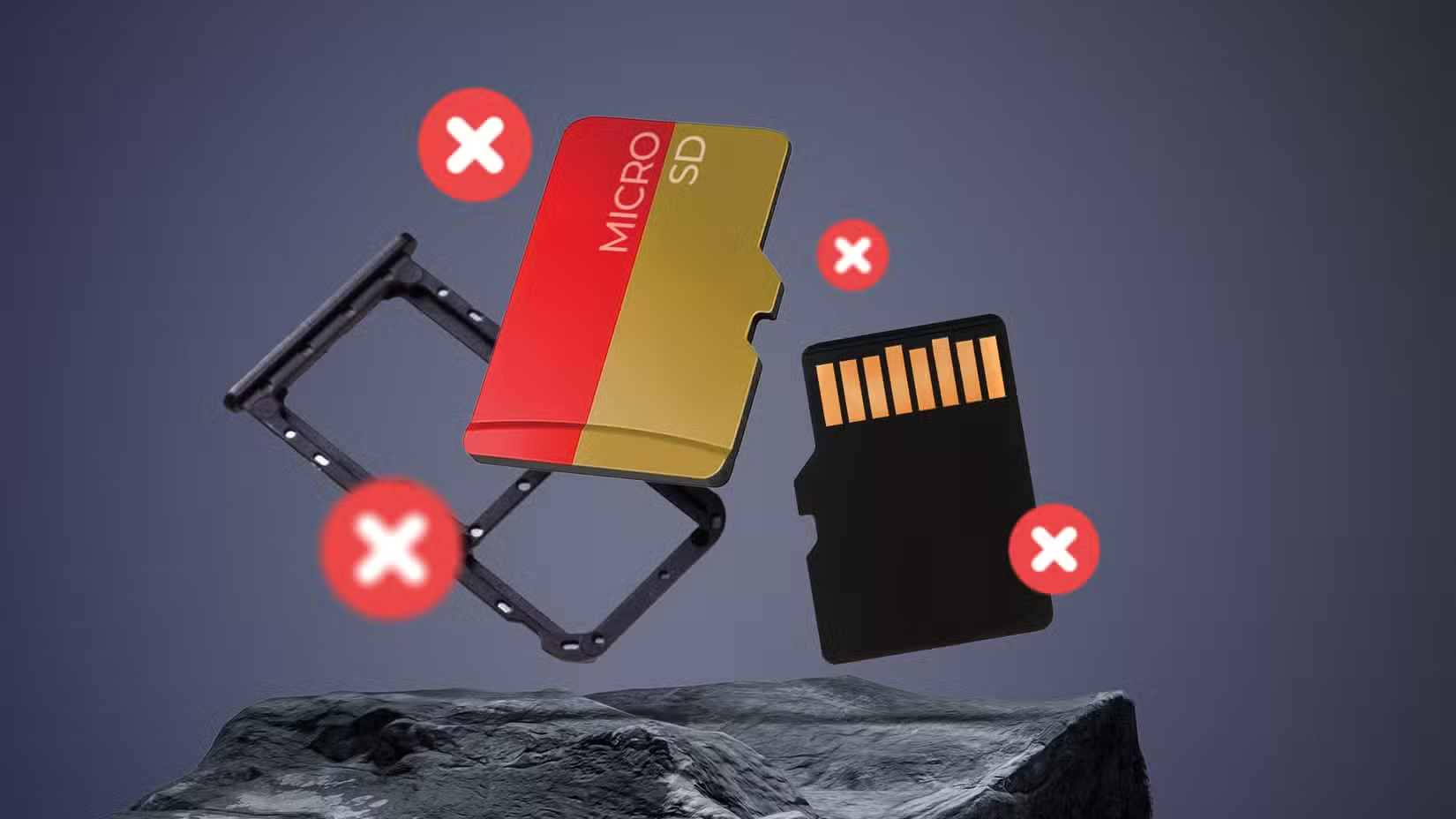
Physical SIM cards gave users direct control over their cellular service. eSIM shifts that control toward carriers. The iPhone 14 and later models sold in the US don't have physical SIM trays at all. Other manufacturers are watching to see if they can follow.
5. Removing the Charger From the Box
Apple started shipping iPhones without chargers in 2020, citing environmental benefits. Samsung mocked the decision. Then Samsung did the same thing. Most major manufacturers followed.
The environmental argument has some merit. Many people do have drawers full of old chargers. But the savings go to manufacturers, not consumers. And when fast-charging standards vary between brands and even between models from the same brand, using an old charger often means slower charging speeds than the phone supports.
Who Benefits From These Changes?
Each of these changes shares a pattern. Manufacturers frame removals as improvements. They cite courage, environmental responsibility, or technical necessity. Meanwhile, the changes create new revenue streams or reduce manufacturing costs.
- No headphone jack pushes users toward wireless earbuds (often from the same manufacturer).
- No microSD slot means paying for storage upgrades and cloud subscriptions.
- Sealed batteries encourage more frequent phone replacements.
- eSIM increases carrier lock-in.
- No charger in the box means separate accessory purchases.
These aren't inevitable consequences of technological progress. They're business decisions dressed up as innovation.

Logicity's Take
What You Can Do About It
Your options depend on which features matter most to you. Some mid-range phones still include headphone jacks and microSD slots. Samsung's Galaxy A series and several Sony Xperia models retain both. Fairphone builds devices with modular, user-replaceable components including batteries.
For those stuck with flagship-only needs, accessories fill some gaps. USB-C to 3.5mm dongles work, even if they're easy to lose. High-capacity wireless power banks offset non-removable batteries. These are workarounds, not solutions, but they help.
Another perspective on smartphone display technology trade-offs.
Make the most of your current iPhone's capabilities.
Frequently Asked Questions
Why did Apple remove the headphone jack?
Apple claimed it took "courage" and was necessary for thinner phones with bigger batteries. Critics note Apple launched AirPods at the same time, creating a new revenue stream that wouldn't exist if wired headphones still worked without dongles.
Which phones still have microSD card slots?
Some mid-range and budget phones retain microSD support. Samsung's Galaxy A series, several Sony Xperia models, and some Motorola devices still include expandable storage. Most flagships from Samsung, Apple, and Google no longer offer this feature.
Can I replace the battery in a sealed phone?
Yes, but it requires professional service or significant technical skill. Apple, Samsung, and other manufacturers offer official battery replacement services. Third-party repair shops can also do it, often at lower cost.
Is eSIM better than physical SIM?
eSIM is more convenient for activating service remotely but less flexible for swapping between devices or using local SIMs while traveling. Physical SIMs give users more direct control over their cellular service.
Why don't phones come with chargers anymore?
Manufacturers cite environmental benefits, noting many consumers have existing chargers. Critics point out the savings go to manufacturers while consumers often need to buy new chargers separately, especially for fast-charging compatibility.
Need Help Implementing This?
Source: How-To Geek
Manaal Khan
Tech & Innovation Writer
Produced with AI assistance and reviewed by the Logicity editorial team. Learn more in our Editorial Policy.