Key Takeaways
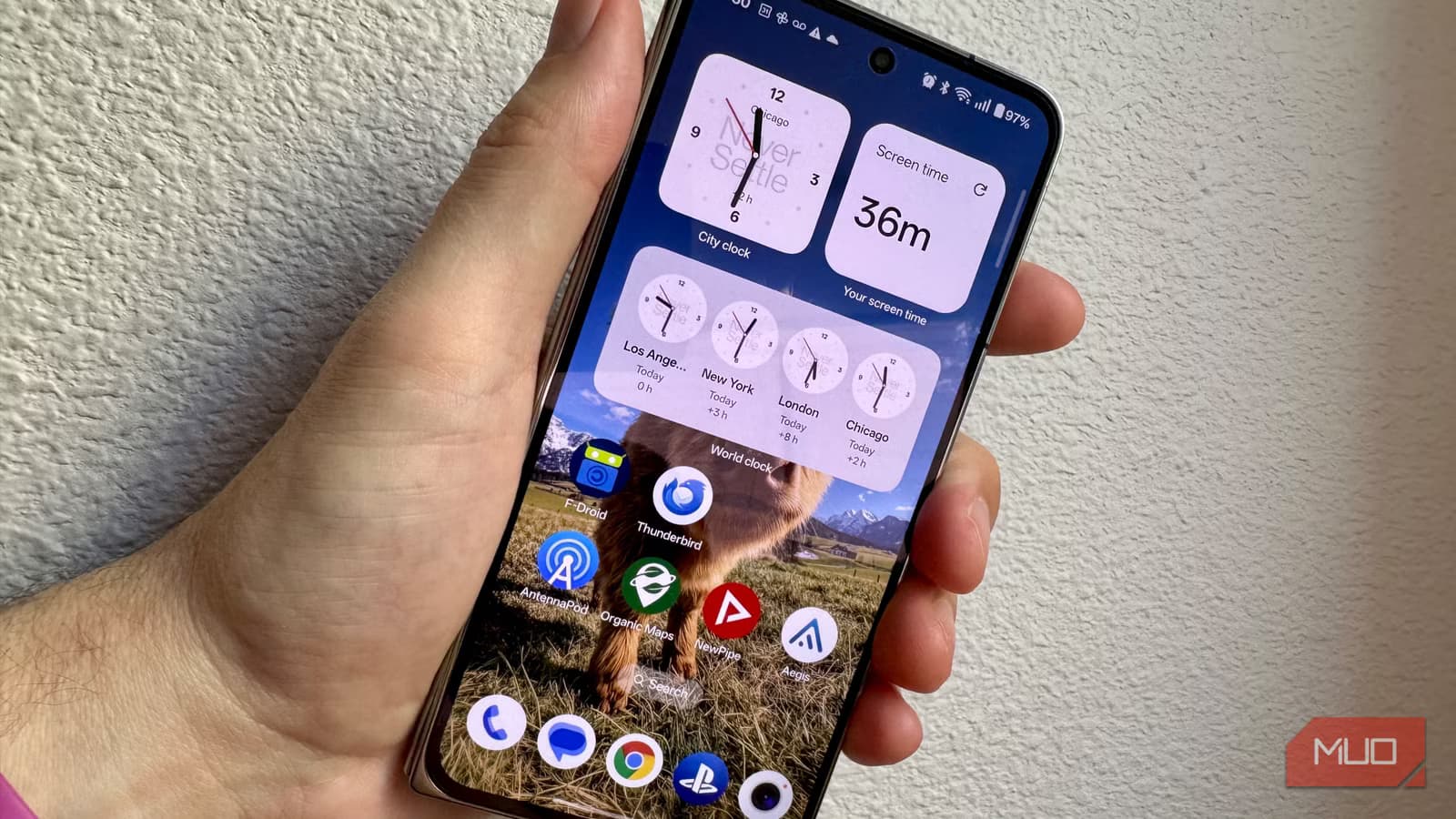
- NewPipe delivers YouTube Premium features (background play, downloads) for free with no Google account required
- AntennaPod provides ad-free podcast listening with full RSS support and zero algorithmic interference
- Organic Maps offers offline navigation without location tracking, though it lacks real-time traffic data
Swapping five mainstream Android apps for open-source alternatives removed every in-app ad and most tracking. The apps came from F-Droid, the repository hosting over 5,000 free and open-source Android applications, and in most cases offered features that Google and Spotify lock behind subscriptions.
The experiment started simple. After years of tolerating pre-roll ads on YouTube, subscription nudges on Spotify, and Google Maps logging every coffee shop visit, the question became: do open-source alternatives actually work as daily drivers? For most use cases, yes. Some do the job better than the originals.
NewPipe replaces YouTube without a Google account
The official YouTube app charges $14 per month for Premium features: ad-free playback, background audio, and video downloads. NewPipe delivers all three for free. It pulls video data directly from YouTube's website rather than the official API, which means no sign-in, no viewing history logged, and no algorithm pushing you toward endless autoplay.
Picture-in-picture works out of the box. Downloads save to local storage. The app also connects to SoundCloud, Bandcamp, and media.ccc.de, turning it into a multi-platform media client rather than just a YouTube wrapper.
The catch: existing YouTube subscriptions and playlists don't carry over. You start fresh. For users who've built years of curated channels, that's a real cost. For everyone else, it's an acceptable trade for zero ads and no account required.
NewPipe isn't on the Play Store. Install it through F-Droid or download the APK directly from the project's website.
AntennaPod handles podcasts without Spotify's algorithm
Spotify has been absorbing podcasts into its platform, which means more exclusives, more ads on the free tier, and an algorithm that decides what you should hear next. AntennaPod takes the opposite approach: subscribe to any RSS feed, download episodes, manage your queue manually. No algorithm interference.
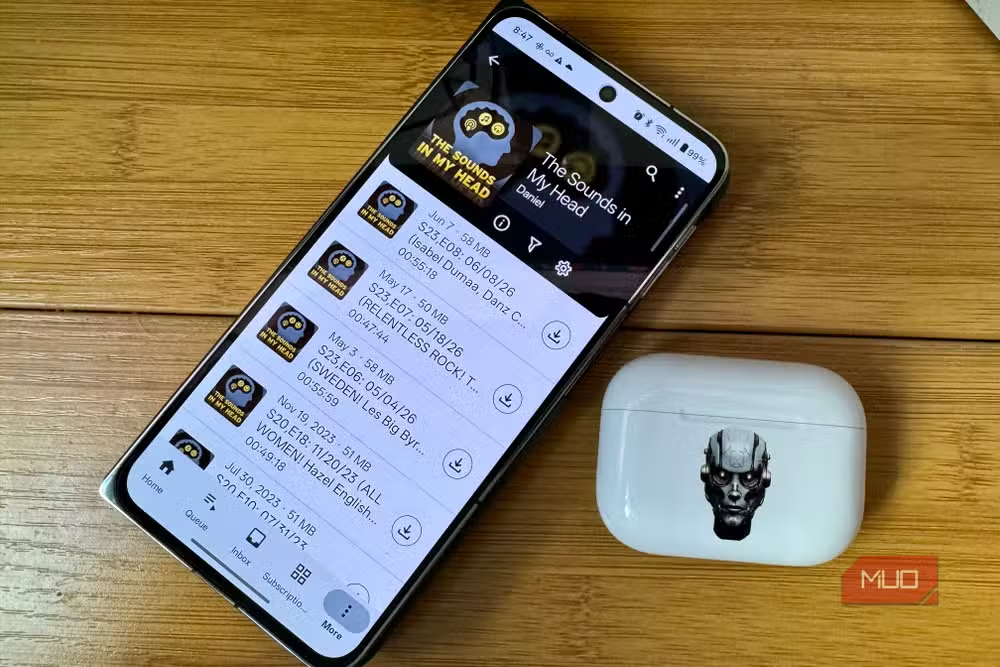
The app supports variable playback speed, chapter markers, sleep timers, and OPML import for migrating from other podcast apps. If a podcast includes publisher-inserted ads, those still play, but the revenue goes entirely to the creator. AntennaPod itself shows nothing.
Unlike NewPipe, AntennaPod is available on both F-Droid and the Play Store. Installation is straightforward. The app is built entirely by volunteers and has no subscription fees.
Organic Maps navigates offline without logging your location
Google Maps knows everywhere you go. That location data feeds Google's advertising infrastructure, which explains the sponsored pins, business placements, and constant prompts to review places. Organic Maps does one thing: gets you to your destination.
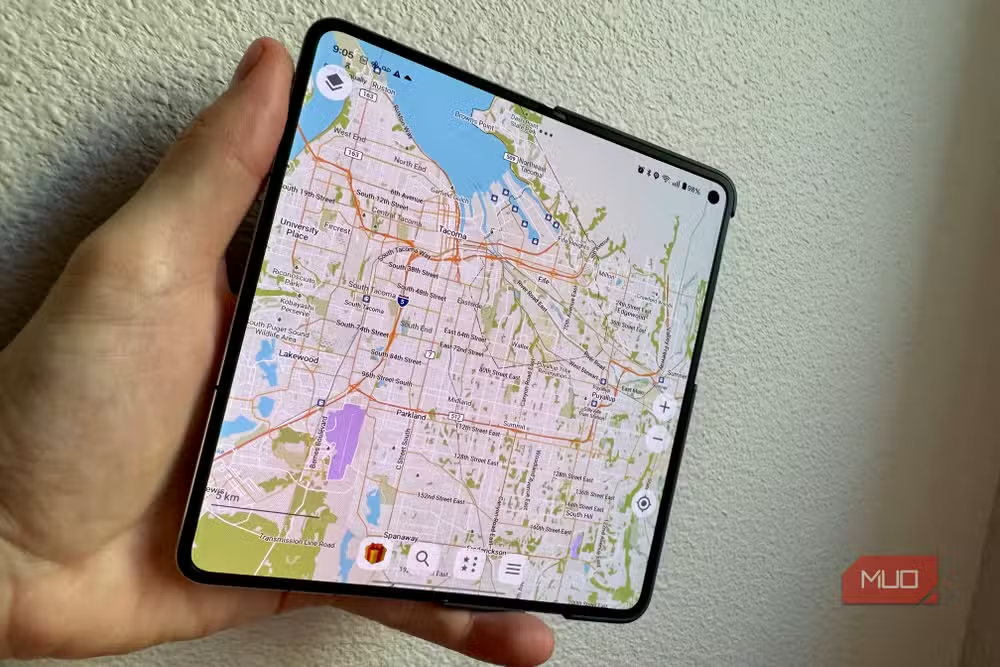
Built on OpenStreetMap data, Organic Maps lets you download entire regions for offline use. Navigation, voice prompts, turn-by-turn directions, and hiking trail contour lines all run locally. The Exodus Privacy Project has independently verified that the app contains zero trackers.
The trade-off is significant for commuters: no real-time traffic. Live traffic data requires mass location harvesting, exactly what Organic Maps refuses to do. For road trips, hiking, and general navigation without surveillance, it works well. For rush-hour routing, you'll miss Google's traffic layer.
What about authentication and email?
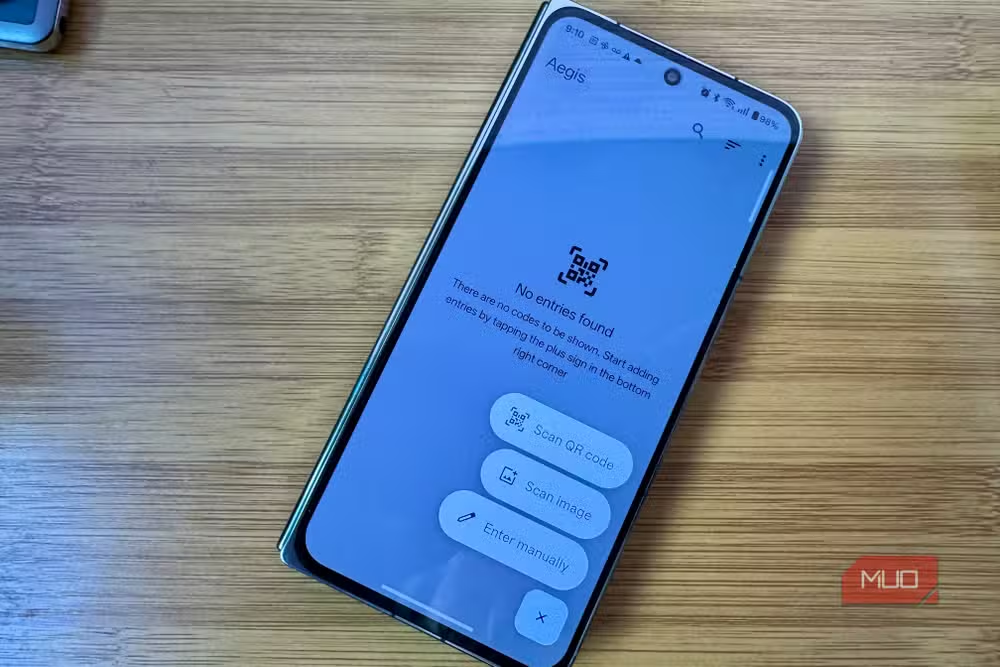
Two other apps round out the open-source switch. Aegis replaces Google Authenticator for two-factor authentication. It stores encrypted backups of your 2FA codes, something Google's app only added recently and with limitations.
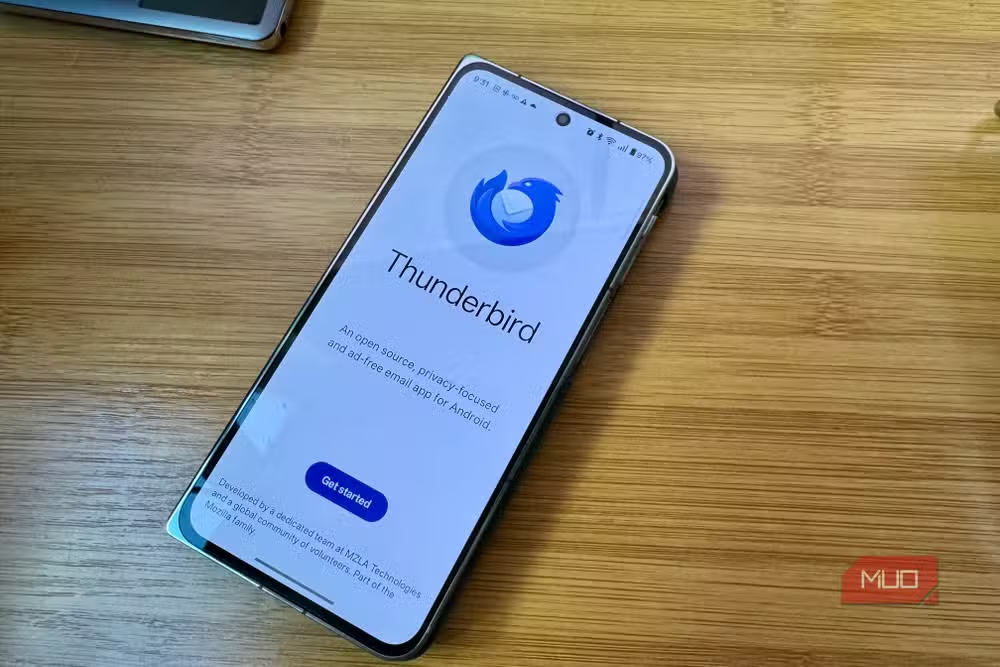
For email, Thunderbird's Android app handles multiple accounts with full privacy controls. No tracking, no ads, no upsells to premium tiers.
The real cost of going open-source
Open-source apps solve the ad and tracking problem. They don't solve every problem. NewPipe breaks when YouTube changes its website structure, requiring app updates. Organic Maps won't reroute you around a traffic jam. AntennaPod won't surface podcast recommendations based on your listening history, because there is no history.
For users who value privacy and hate ads more than they value algorithmic convenience, these trade-offs make sense. The apps work. They're maintained by active communities. And they prove that the features locked behind subscriptions, ad-free playback, offline maps, background audio, were never technically difficult. They were just monetized.
More open-source alternatives for your Android toolkit
Frequently Asked Questions
Is NewPipe legal to use?
NewPipe operates in a legal gray area. It doesn't violate any laws by accessing publicly available video data, but it does bypass YouTube's terms of service. Google could theoretically block it, though doing so would require constant cat-and-mouse updates.
Can I use F-Droid alongside the Play Store?
Yes. F-Droid installs as a separate app store on your Android device. Apps from both repositories can coexist. You may need to enable installation from unknown sources in your security settings.
Do open-source apps receive regular updates?
It depends on the project. NewPipe, AntennaPod, and Organic Maps all have active development communities with frequent updates. Smaller projects may lag. Check each app's GitHub repository for recent activity before committing.
Will these apps work on all Android phones?
Most open-source apps support Android 5.0 and later. NewPipe, AntennaPod, and Organic Maps work on the vast majority of Android devices sold in the past eight years.
Logicity's Take
The open-source Android ecosystem has matured past the 'hobbyist only' stage. NewPipe and AntennaPod now match or exceed their commercial counterparts in daily usability. The bigger story: these apps expose how much of what we pay for in subscriptions isn't engineering cost, it's artificial scarcity. Background playback doesn't cost YouTube anything to provide. They charge $14/month because they can.
Need Help Implementing This?
Want guidance on building a privacy-focused Android setup for your team or organization? Contact Logicity's consulting desk for recommendations tailored to enterprise security requirements.
Source: MakeUseOf
Huma Shazia
Senior AI & Tech Writer
Produced with AI assistance and reviewed by the Logicity editorial team. Learn more in our Editorial Policy.