Key Takeaways
- ESP32 development boards start at $5 and include built-in Wi-Fi and Bluetooth
- The ESP32 Marauder penetration testing tool can be built DIY or purchased for $100
- Budget ESP32 boards like the XIAO ESP32-C6 now support Wi-Fi 6 and Matter/Thread protocols
Almost every ESP32 device has Wi-Fi baked in. That connectivity is what makes the $5 microcontroller so useful for DIY projects. You can build anything from an internet radio to a penetration testing tool with basic electronics skills and a free weekend.
Here are five projects that use the ESP32's wireless capabilities. They range from straightforward builds that skip soldering entirely to more advanced security tools.
The Hardware You'll Need
Most of these projects work with any ESP32 board, but two stand out for value and features.
The Seeed Studio XIAO ESP32-C3 costs $5 from Seeed Studio or $10 from Amazon. It includes Wi-Fi and Bluetooth, plus a deep sleep mode that barely sips power when idle. The compact size makes it easy to embed in finished projects, and ESPHome integration means it plays well with Home Assistant.
The Seeed Studio XIAO ESP32-C6 is the newer option at $5 from Seeed Studio or $12 from Amazon. It adds Zigbee, Z-wave, Matter, and Thread support alongside Wi-Fi 6 connectivity. If you're building for a modern smart home setup, this is the better choice.
1. ESP32 Marauder: Wi-Fi and Bluetooth Penetration Testing
The ESP32 Marauder is a toolkit for testing the security of Wi-Fi and Bluetooth connections. You can buy a pre-built unit from the project author's website for $100, or build one yourself using various development kits for much less.
The ESP32 Marauder wiki's Getting Started page walks through the basics. For a hands-on approach, security YouTuber The Cyber Mentor has a guide that avoids soldering entirely. He uses breadboards and jumper wires to connect the components, which makes the build accessible to beginners.
Once you understand how the Marauder works, you can test your own network's vulnerabilities before someone else does.
2. Internet Radio Streamer
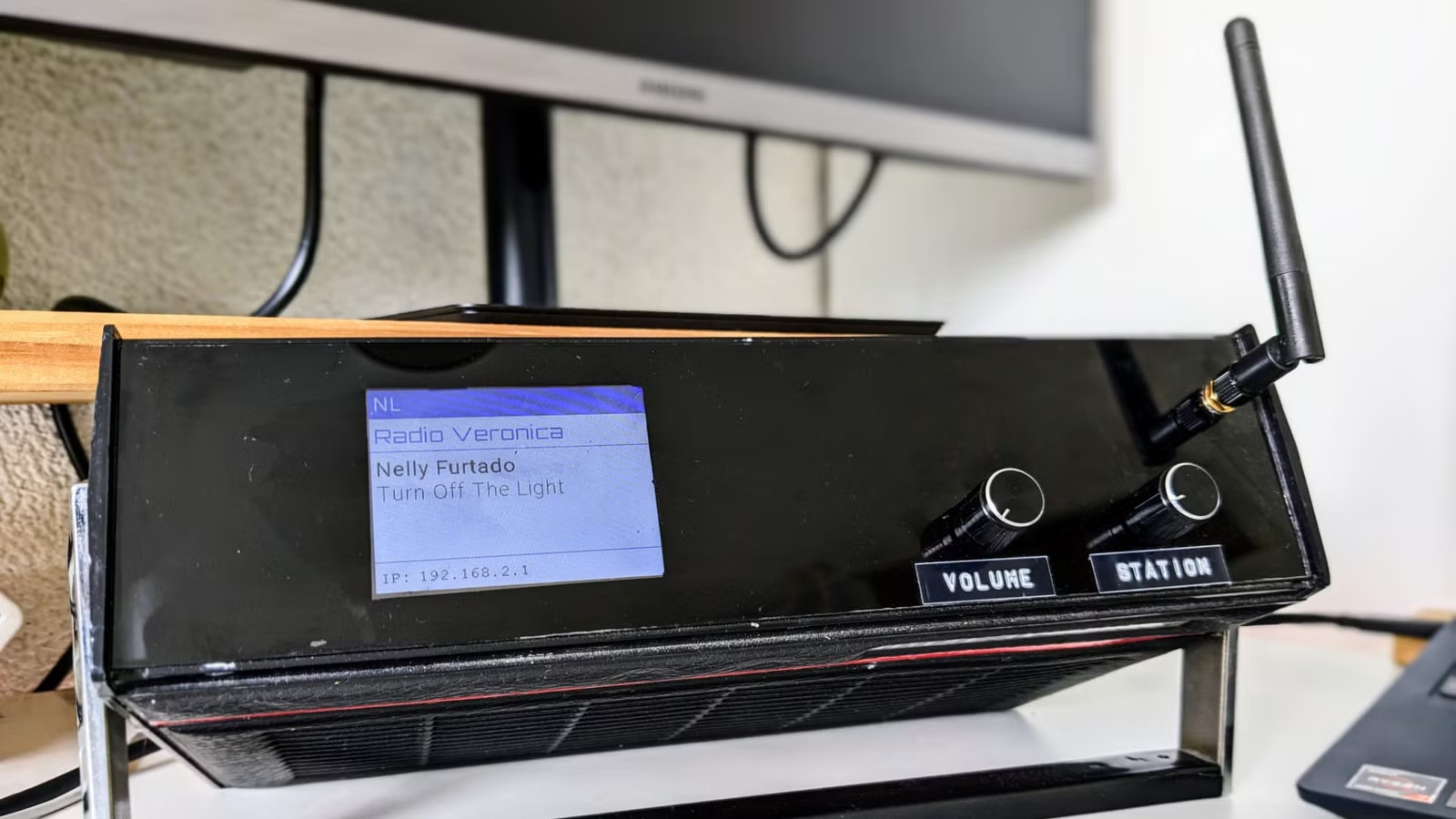
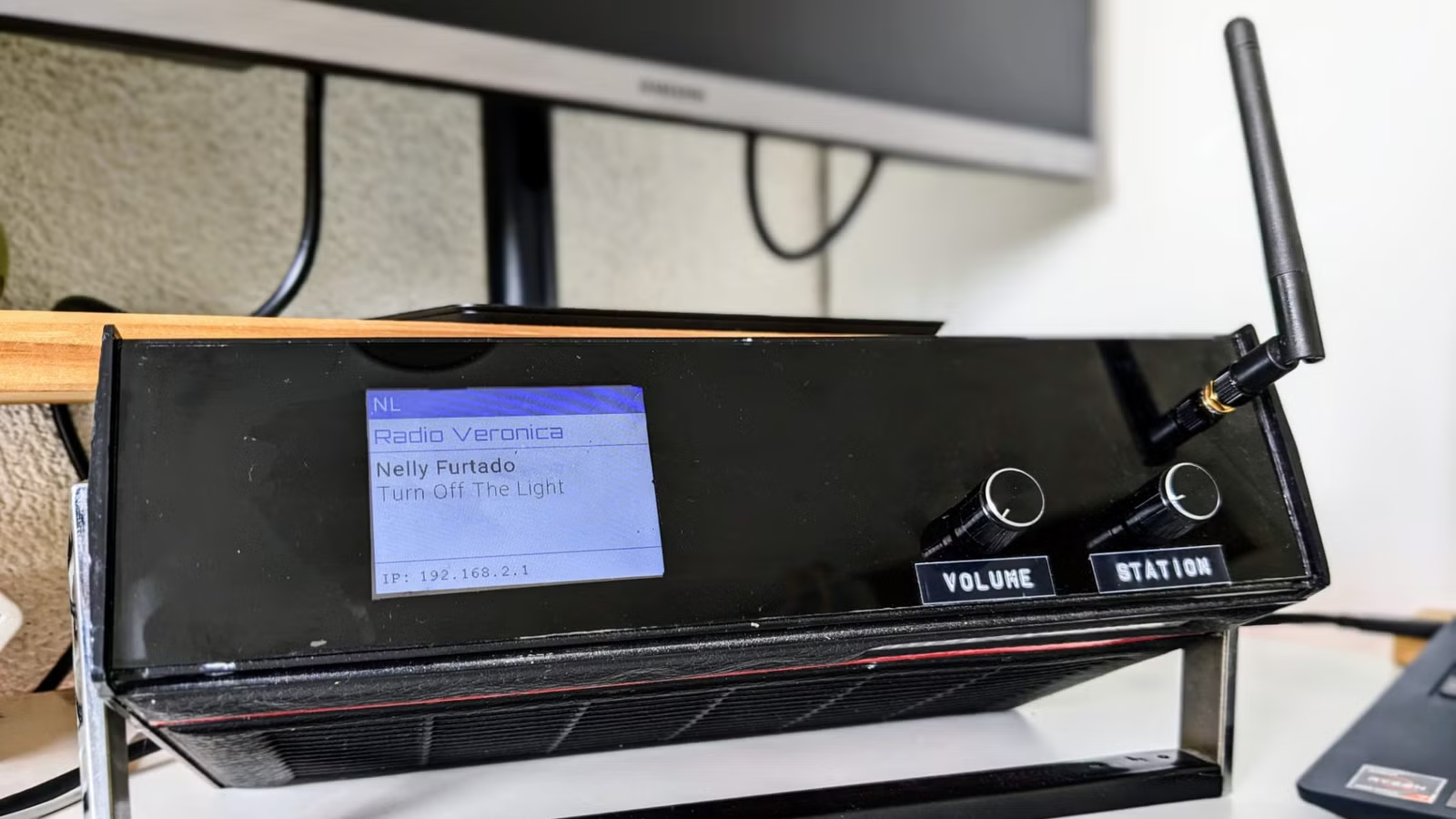
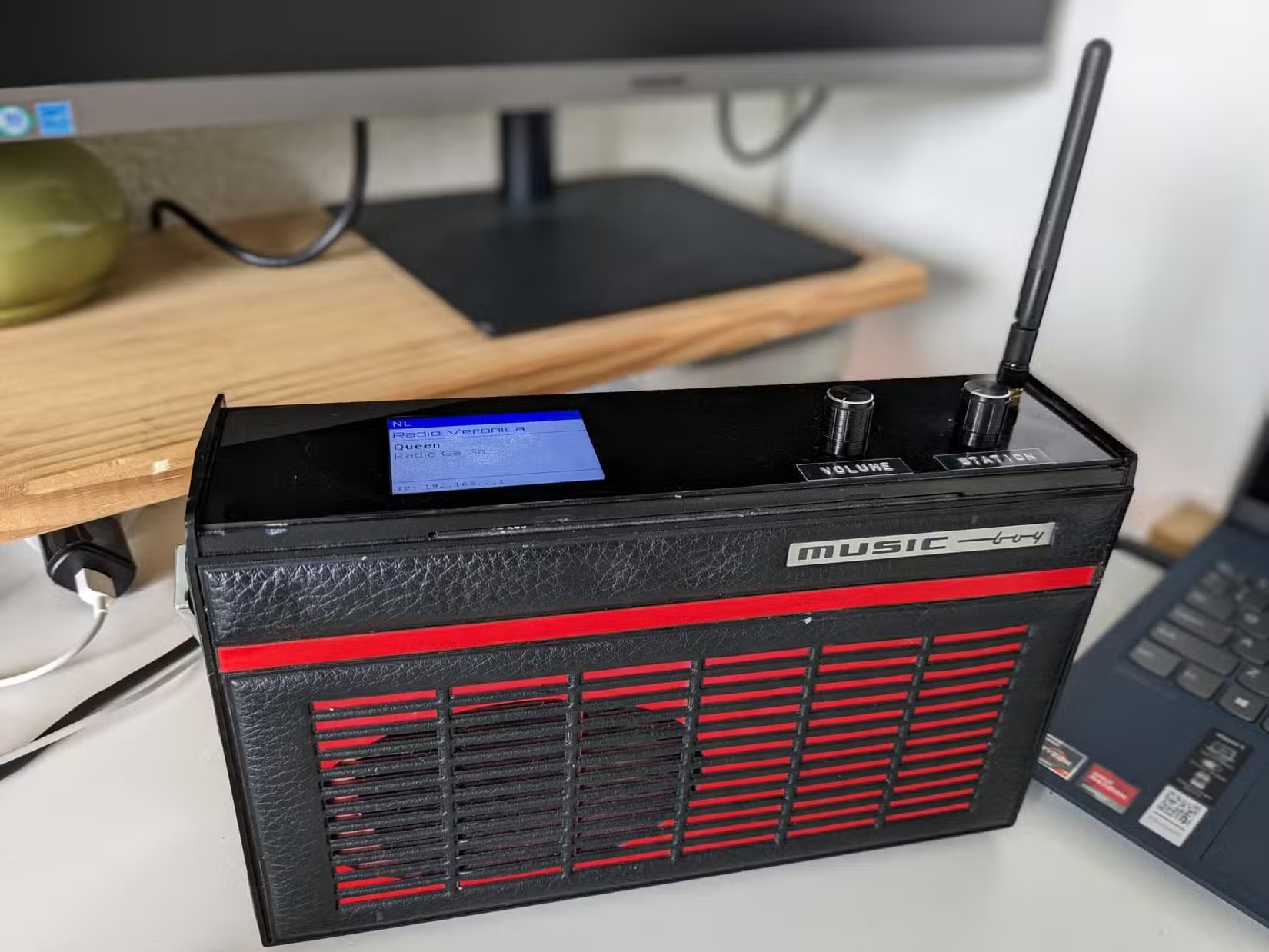
An ESP32 internet radio pulls audio streams over Wi-Fi and plays them through a connected speaker or DAC. Several open source projects on GitHub provide the firmware. You add a small display for station info, a rotary encoder for volume, and a speaker driver.
The total cost runs under $20 if you already have a spare speaker. The build is mostly plug-and-play with no soldering required if you use header pins.
3. Wi-Fi Range Extender
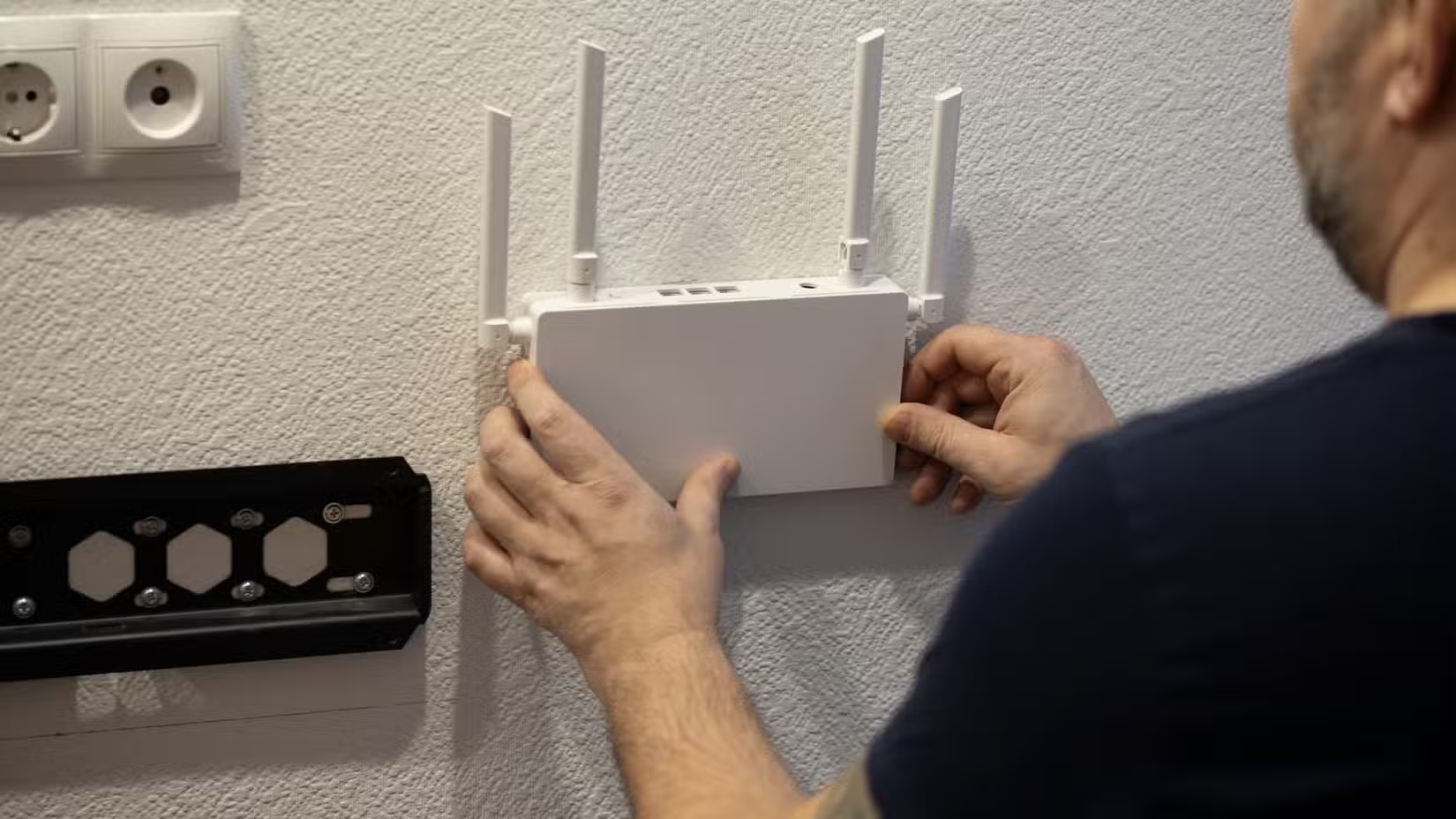
An ESP32 can act as a simple Wi-Fi repeater to extend your network into dead zones. It connects to your existing network as a client and rebroadcasts the signal. This won't match a commercial mesh system's performance, but it costs almost nothing and works for basic coverage gaps.
Firmware options like ESP-WIFI-MESH handle the repeater logic. You flash it, configure your network credentials, and place the board where it can bridge the gap between your router and the weak coverage area.
4. Presence Detection Beacon
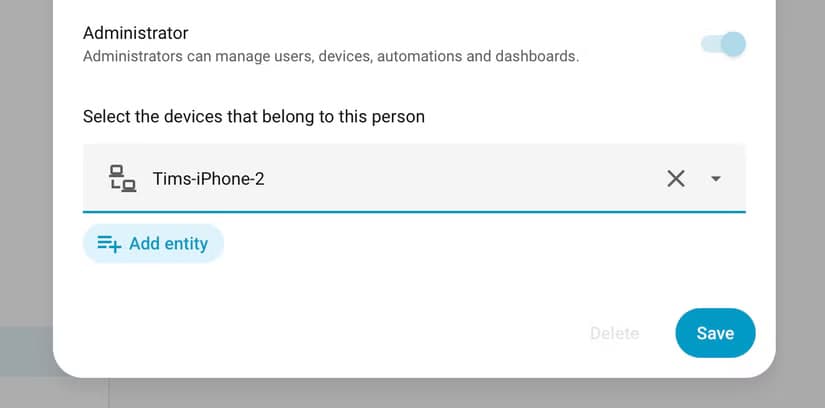
Home Assistant users can turn an ESP32 into a presence beacon that tracks when specific people are home. The board broadcasts a Bluetooth or Wi-Fi signal that Home Assistant picks up. When you leave with your phone, automations trigger accordingly.

ESPHome makes the setup straightforward. You flash the board, add it to Home Assistant, and assign it to a person entity. The deep sleep modes on boards like the XIAO ESP32-C3 mean a small battery can power the beacon for weeks.
5. Network Monitor and Logger
An ESP32 can passively monitor Wi-Fi traffic and log connection events. This is useful for tracking when devices connect to your network, spotting unauthorized access attempts, or just understanding your network's traffic patterns.
Combined with a small OLED display, you get a standalone network monitoring station that runs 24/7 on USB power.
Logicity's Take
Getting Started
If you're new to ESP32 development, start with the presence beacon or internet radio. Both have well-documented builds and forgiving learning curves. The penetration testing tools require more context about wireless security to use responsibly.
All five projects can be completed in a weekend with basic tools. A USB-C cable, a computer for flashing firmware, and the ESP32 board itself are the minimum requirements. Most builds benefit from a breadboard and some jumper wires for prototyping before you commit to a permanent setup.
Another DIY fix for everyday tech annoyances
Frequently Asked Questions
What is an ESP32 and why does it have Wi-Fi?
The ESP32 is a low-cost microcontroller with built-in Wi-Fi and Bluetooth. Espressif designed it for IoT applications where wireless connectivity is essential. Development boards cost as little as $5.
Is the ESP32 Marauder legal to use?
Yes, for testing your own networks and devices. Using it against networks you don't own or have permission to test is illegal in most jurisdictions. The tool is meant for security professionals and enthusiasts learning about wireless vulnerabilities.
Do I need to know how to solder for ESP32 projects?
No. Many builds use breadboards and jumper wires that require no soldering. Development boards with pre-attached headers can plug directly into prototyping setups.
Which ESP32 board should I buy for smart home projects?
The XIAO ESP32-C6 at $5-12 offers the best value for smart home builds. It supports Matter, Thread, Zigbee, and Wi-Fi 6, covering current and emerging smart home protocols.
Can an ESP32 really extend my Wi-Fi range?
Yes, though with limitations. An ESP32 repeater won't match commercial mesh systems for speed or stability. It works best for light use cases like extending coverage to a sensor or camera in a dead zone.
Need Help Implementing This?
Source: How-To Geek
Huma Shazia
Senior AI & Tech Writer
Produced with AI assistance and reviewed by the Logicity editorial team. Learn more in our Editorial Policy.