Key Takeaways
- Social media scams cost Americans $2.1 billion in 2025, up eightfold from 2020
- Investment scams made up over half of losses at $1.1 billion, often through fake 'success group' chats
- Facebook was the top platform for scam losses, followed by WhatsApp and Instagram
Social media has become the costliest fraud contact method in existence. The Federal Trade Commission released new data showing Americans lost $2.1 billion to social media scams in 2025. That's an eightfold increase since 2020.
Facebook topped the list as the platform where people lost the most money to scams. It beat out WhatsApp, Instagram, and even traditional text and email scams. The data shows every age group except those 80 and over lost more money to social media scams than any other contact method. For the 80-plus crowd, phone calls still ranked first, with social media second.
Here are the three biggest threats and four ways to protect yourself.
The 'Success Group' Investment Trap
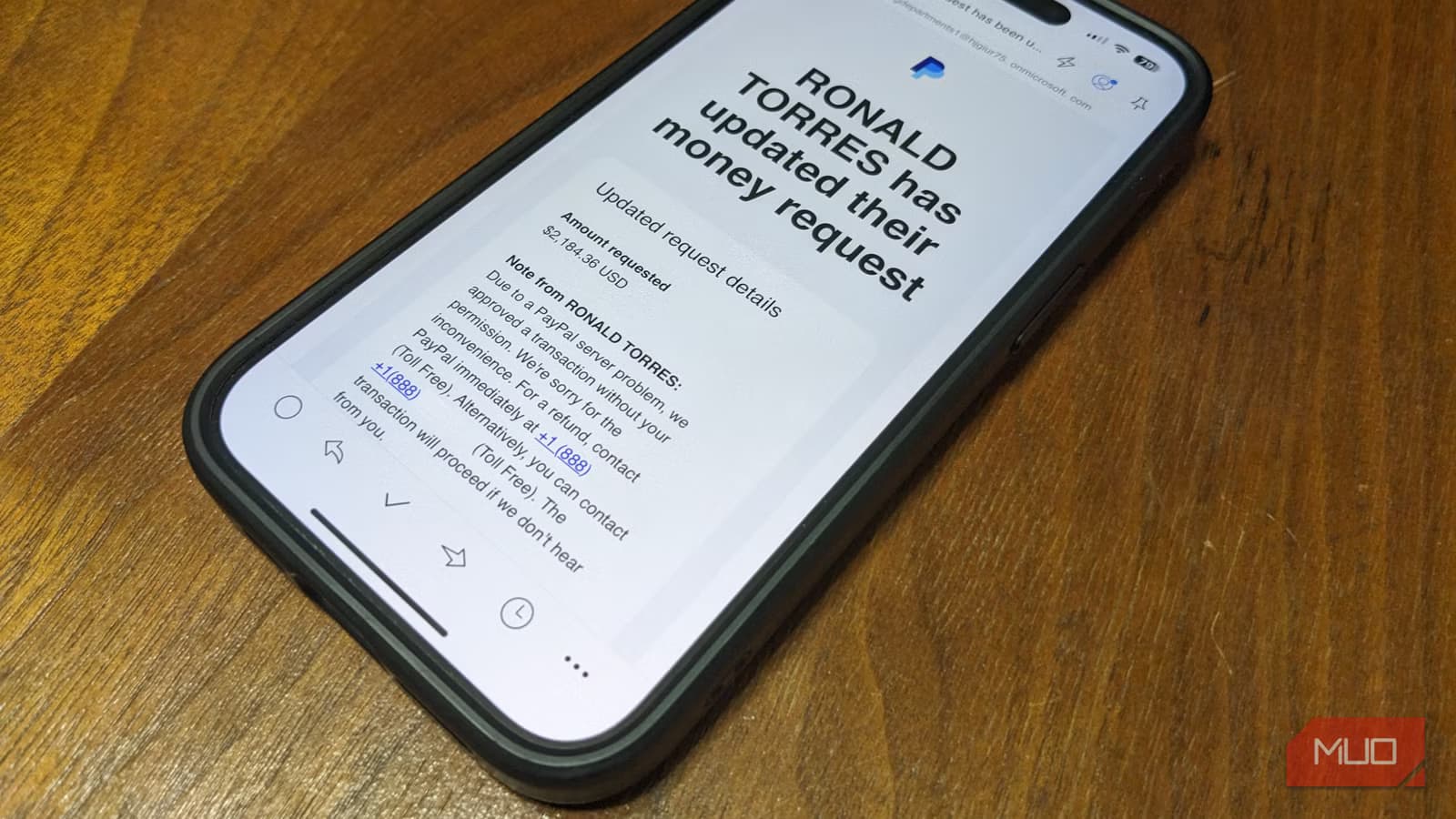
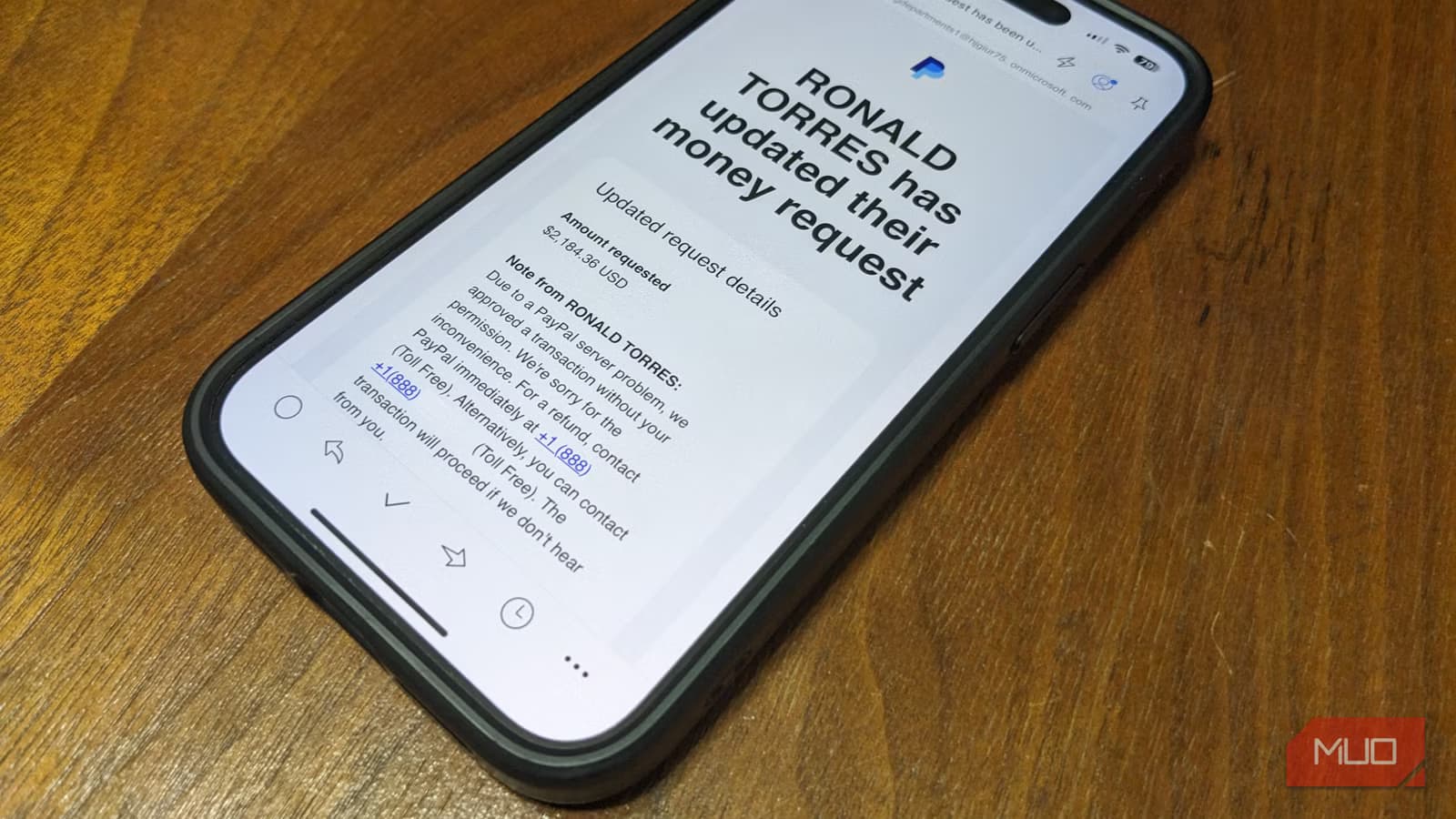
Investment scams accounted for over half of all social media fraud last year. That's $1.1 billion in losses. These scams typically start with a "friendly" advisor offering guaranteed returns through group chats for "successful investors" on Facebook or WhatsApp.

The tactic is simple but effective. Scammers add you to group chats filled with fake AI bots. These bots post enthusiastic messages about their investment gains, creating social pressure and fear of missing out. The testimonials are fabricated, but they feel real when you're surrounded by people celebrating their "success."
Impostor Shopping Ads
Shopping scams were the most reported type of fraud in 2025. More than 40% of victims said the scam started with an ad for something they actually wanted. The ad led to a fake website that looked identical to a legitimate brand.
Scammers impersonate well-known clothing brands, makeup companies, and even pet sellers. They create convincing replica websites with massive discounts. You pay, but the product never arrives. Or worse, you hand over payment details to criminals.
Romance Scams
Romance scams remain a persistent threat, particularly as AI tools make fake profiles more convincing. These scams often start with a friend request or direct message from someone attractive. The scammer builds a relationship over weeks or months before asking for money, usually for an emergency, travel, or investment opportunity.
4 Ways to Protect Yourself
1. Lock Down Your Privacy Settings
Scammers use your public information to tailor their approach. Review your privacy settings on Facebook, Instagram, and WhatsApp. Limit who can see your posts, friend list, and personal details. The less information available, the harder it is for scammers to craft a convincing pitch.
2. Verify Contacts With Video
Before engaging with anyone offering investment advice or romantic interest, request a video call. Scammers using AI-generated profiles or stock photos will refuse or make excuses. A live video chat is still the most reliable way to confirm someone is who they claim to be.
3. Check Links Before Clicking
Hover over any link before clicking to see the actual URL. Fake shopping sites often use slight misspellings or extra characters in their domain names. If an ad offers a deal that seems too good, search for the brand's official website directly instead of clicking the ad.
4. Never Pay Via Wire Transfer, Gift Cards, or Crypto
Legitimate businesses and individuals don't request payment through wire transfers, gift cards, or cryptocurrency. These payment methods are nearly impossible to trace or reverse. If someone asks for payment this way, it's a scam. Full stop.
AI tools are making scams harder to detect
Who's Most at Risk?
The FTC data challenges assumptions about who falls for scams. Every age group under 80 lost more money to social media scams than any other method. Younger users, often considered more tech-savvy, are just as vulnerable because they spend more time on these platforms.
Investment scams tend to target people with disposable income looking for growth opportunities. Shopping scams cast a wider net, catching anyone who sees an appealing ad. Romance scams require more patience from fraudsters but yield higher returns per victim.
Logicity's Take
Frequently Asked Questions
Which social media platform has the most scams?
Facebook leads for total money lost to scams, according to FTC data. WhatsApp and Instagram rank second and third.
What is the most common type of social media scam?
Shopping scams were the most reported type in 2025. Investment scams caused the most financial damage at $1.1 billion.
How can I tell if an investment opportunity is a scam?
Be suspicious of guaranteed returns, pressure to act quickly, and invitations to 'success' group chats. Verify any advisor through official regulatory databases.
What payment methods do scammers prefer?
Scammers request wire transfers, gift cards, and cryptocurrency because these payments are hard to trace and nearly impossible to reverse.
Are younger people less likely to fall for scams?
No. FTC data shows every age group under 80 lost more money to social media scams than any other contact method.
Need Help Implementing This?
Source: MakeUseOf
Huma Shazia
Senior AI & Tech Writer
Produced with AI assistance and reviewed by the Logicity editorial team. Learn more in our Editorial Policy.