Key Takeaways
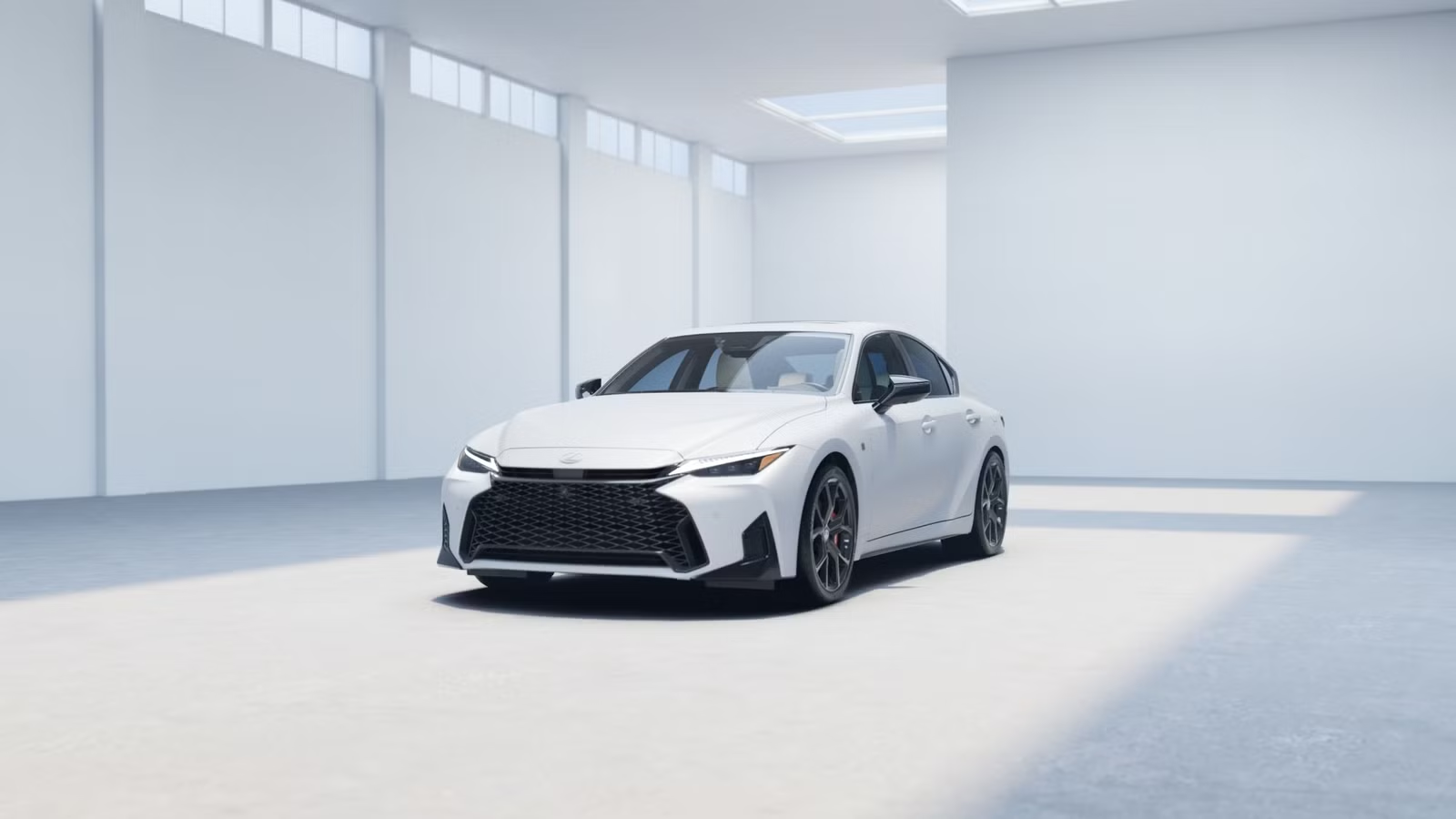
- Lexus builds reliability through conservative engineering and proven Toyota platforms
- Long-term ownership costs matter as much as sticker price for luxury buyers
- The brand's approach prioritizes tested hardware over cutting-edge technology
Reliability as Financial Security
For most American car buyers, a vehicle isn't a luxury. It's infrastructure. Long distances, limited public transport, and the practical demands of daily life mean a car needs to work without drama. That reality has pushed reliability near the top of the priority list, often above horsepower figures or infotainment features.
The economics have shifted too. New cars aren't cheap, and ownership periods have stretched longer. Buyers now think beyond the window sticker to repair costs, durability, and resale value. A solid reliability record has become a form of financial security, the difference between a car that just gets you around and one that quietly saves you money over years of ownership.
How Lexus Builds Its Reputation
Lexus has earned its dependability reputation by being deliberately boring under the skin. Instead of gambling on cutting-edge technology, the brand sticks with proven platforms and powertrains that have already logged years of real-world testing. It's not glamorous, but it works.
Much of this comes from Toyota's DNA. Lexus has access to hardware that's already known for holding up over time. The engineering philosophy favors iteration over innovation. When a component works well, it stays. When a platform proves itself, it gets refined rather than replaced.
This approach does have trade-offs. Lexus interiors and tech sometimes feel a step behind German competitors. The infotainment systems have historically lagged. But for buyers who prioritize ownership experience over spec-sheet bragging rights, the trade works in their favor.
The IS in Context
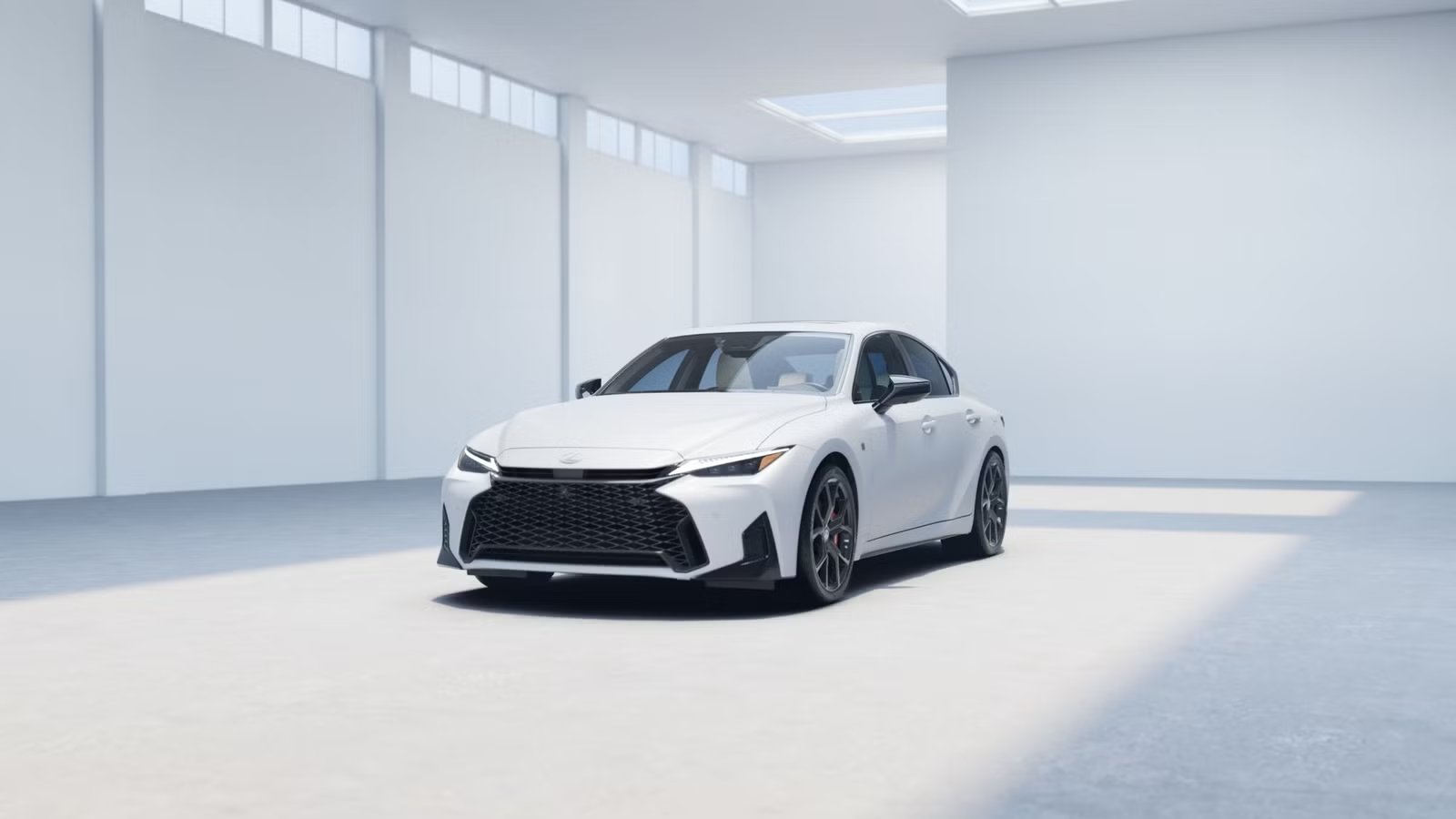
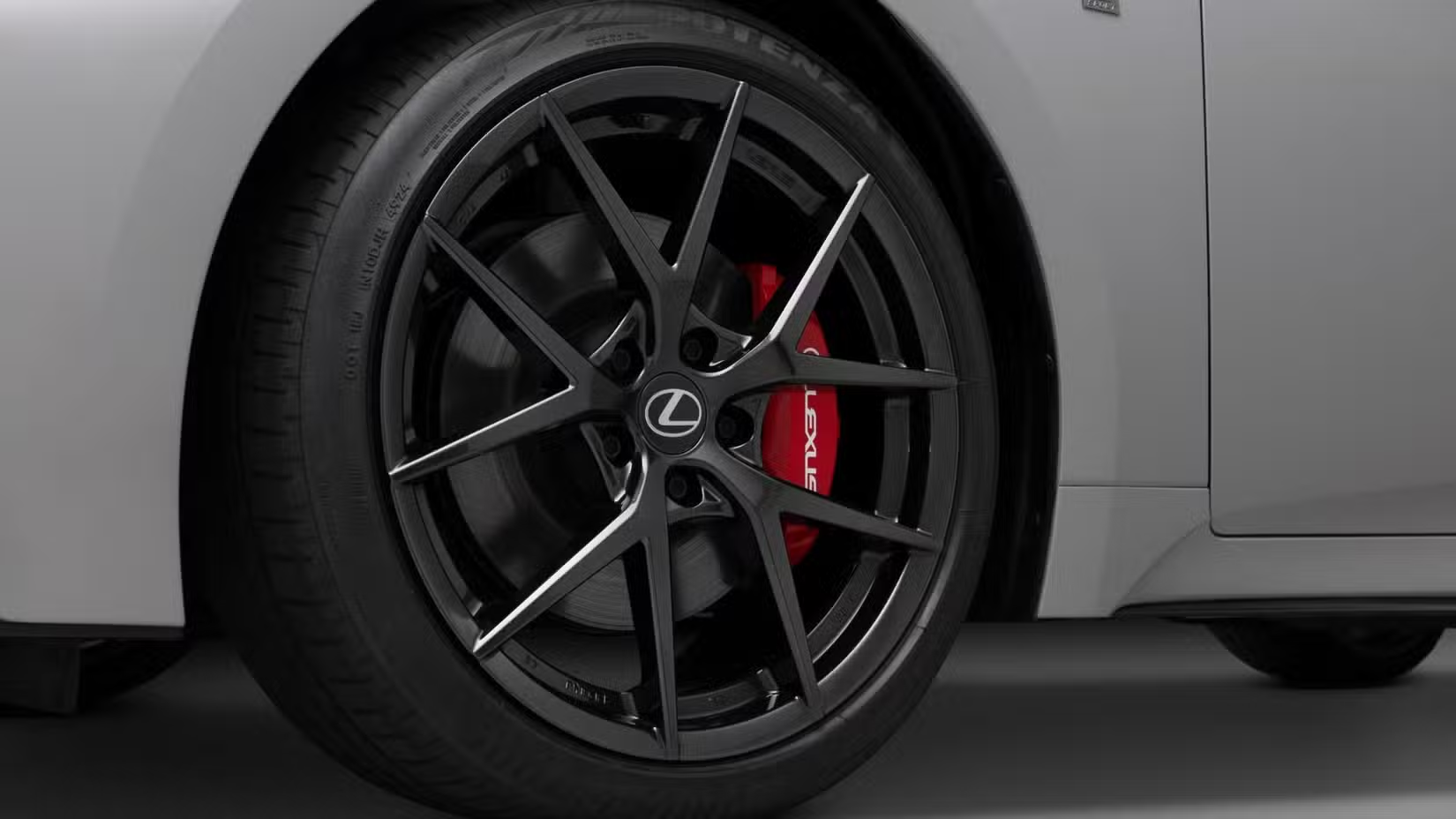
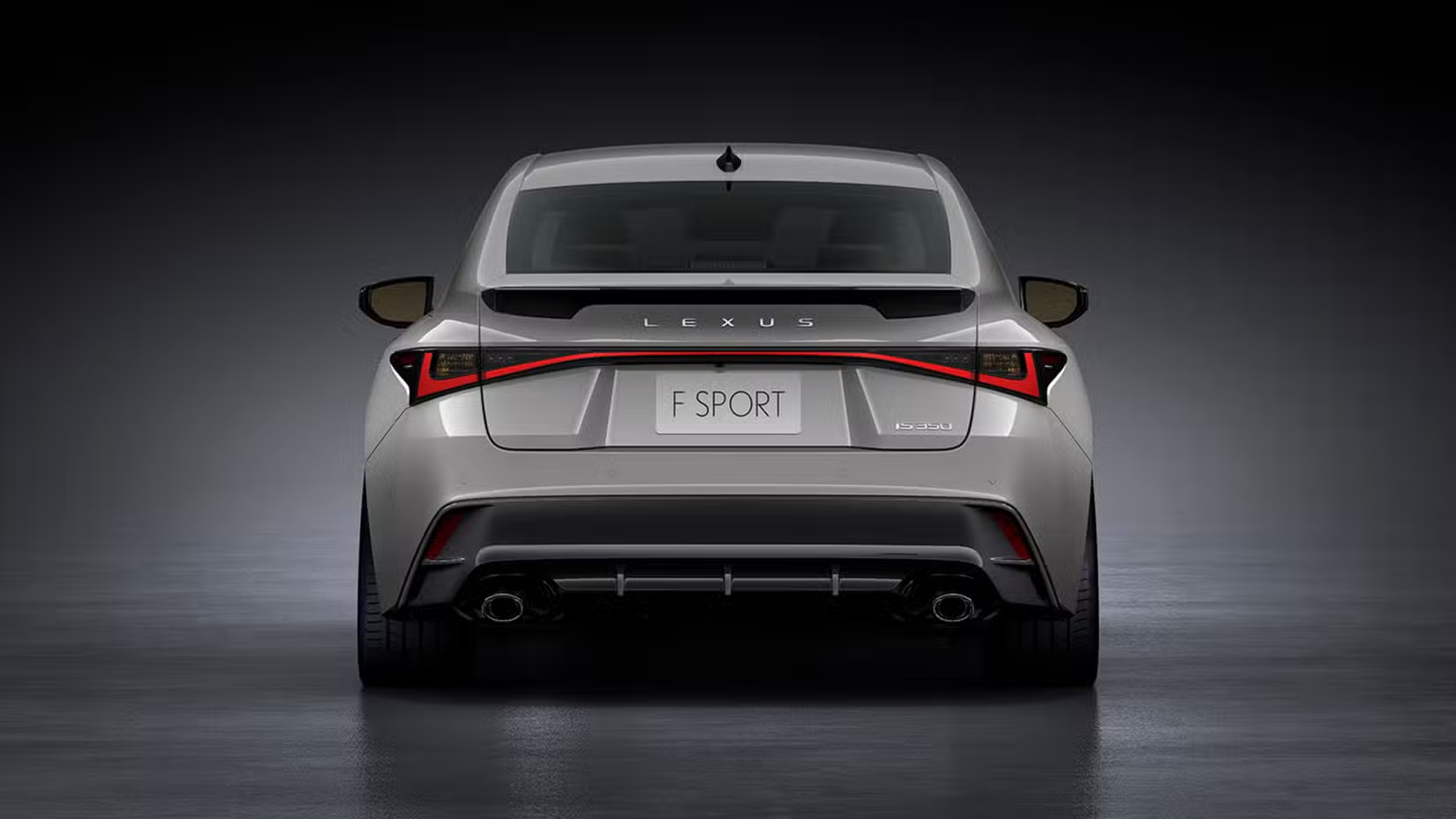
The Lexus IS competes against the BMW 3 Series, Mercedes C-Class, and Audi A4. On paper, these German sedans often edge ahead in performance metrics and interior tech. In J.D. Power's 2025 dependability rankings, however, the hierarchy looks different. BMW, Mercedes, and Audi fall into a clear order when measured by long-term reliability rather than launch-day features.
For executives managing company fleets or professionals buying a personal vehicle that needs to last, these rankings matter. A car that spends less time in the shop and more time on the road has tangible value. Repair bills that never arrive are savings that compound.
Logicity's Take
What This Means for Buyers
The luxury sedan market increasingly splits into two camps. One prioritizes the newest features and sharpest driving dynamics. The other prioritizes ownership simplicity and total cost over time. Lexus has positioned itself firmly in the second camp.
For professionals whose time is valuable, the appeal is obvious. A car that just works, year after year, removes friction from daily life. There's no scheduling around service appointments. No unexpected repair bills disrupting budgets. No anxiety about what might break next.
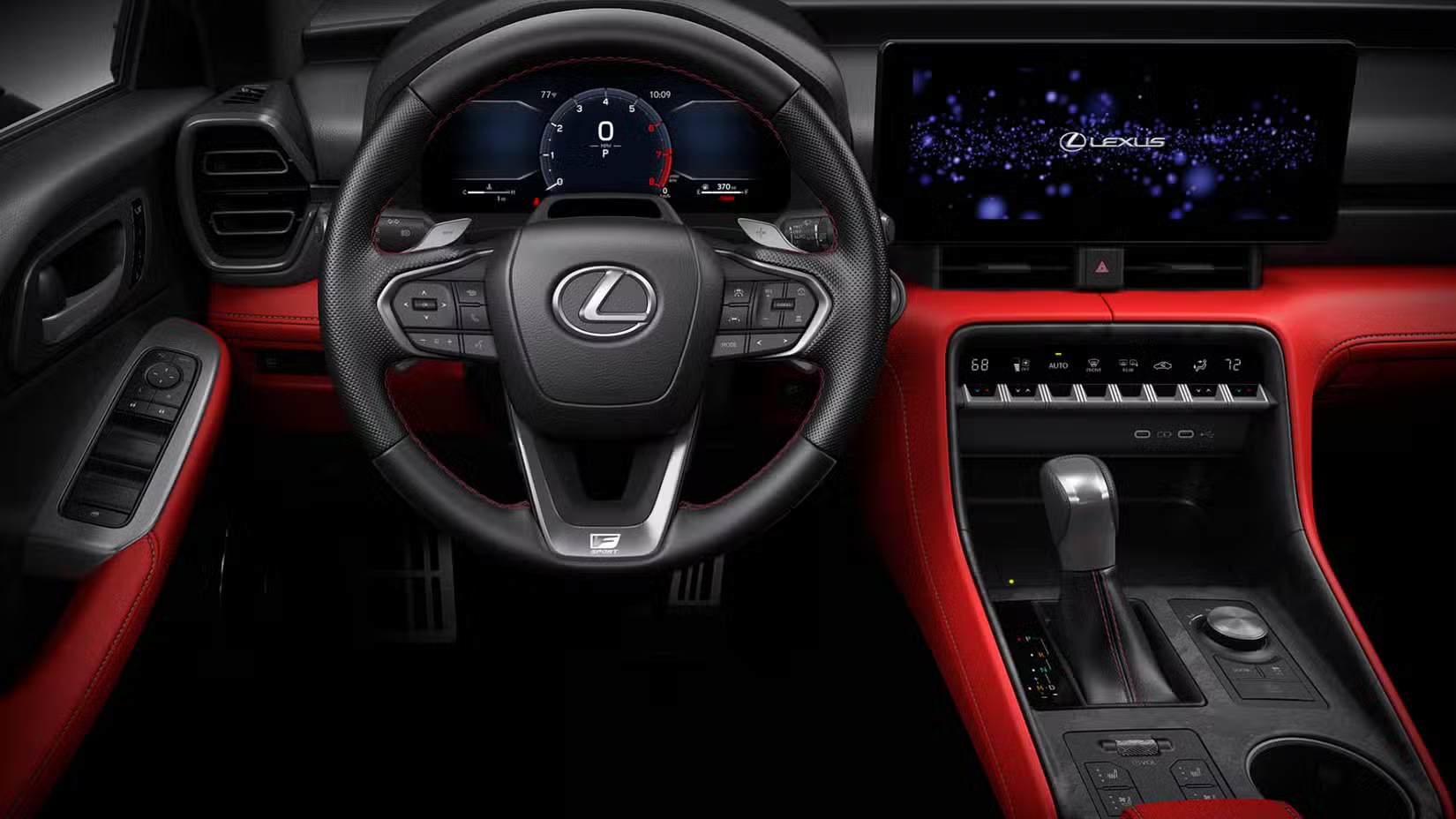
The 2026 IS continues this tradition. It's not revolutionary. It's not trying to be. For the right buyer, that's exactly the point.
Frequently Asked Questions
Is the Lexus IS more reliable than the BMW 3 Series?
According to J.D. Power's 2025 dependability rankings, Lexus consistently outperforms BMW in long-term reliability metrics. The IS benefits from Toyota's proven engineering platforms.
Why does Lexus have such a strong reliability reputation?
Lexus uses conservative engineering, sticking with proven platforms and powertrains rather than adopting cutting-edge technology. This approach, inherited from Toyota, prioritizes tested components over innovation.
Does the Lexus IS hold its value well?
Strong reliability records typically correlate with better resale values. Buyers are willing to pay more for used vehicles with reputations for low repair costs and long-term durability.
What are the downsides of the Lexus IS compared to German rivals?
The IS sometimes lags behind competitors in interior technology and infotainment systems. Buyers prioritizing the newest features may find German alternatives more appealing.
Understanding operational efficiency applies to vehicle ownership decisions as much as business processes
Need Help Implementing This?
Source: How-To Geek
Manaal Khan
Tech & Innovation Writer
Produced with AI assistance and reviewed by the Logicity editorial team. Learn more in our Editorial Policy.