Key Takeaways
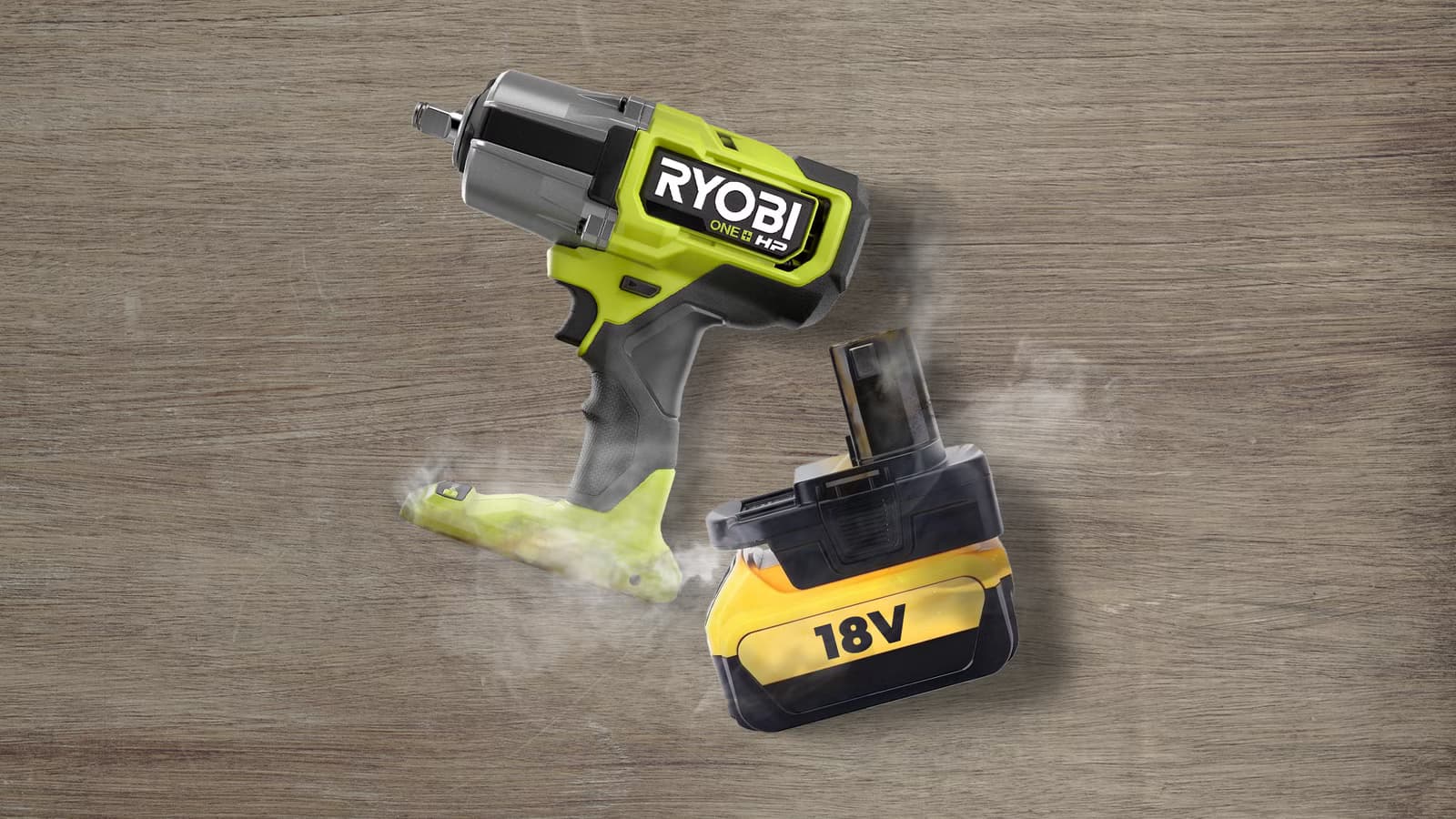
- Most major power tool brands are owned by just a few large conglomerates
- Country of manufacture is no longer a reliable indicator of tool quality
- Brand loyalty often costs more than it saves when corporate ownership blurs product lines
Your Favorite Brands Aren't Rivals
Walk into any hardware store and the power tool aisle looks like a battlefield. DeWalt, Craftsman, Milwaukee, Ryobi, Ridgid, Black+Decker, Porter-Cable. Each brand has distinct packaging, color schemes, and marketing. They appear to be fierce competitors fighting for your wallet.
They're not. A small group of conglomerates owns nearly all of them.
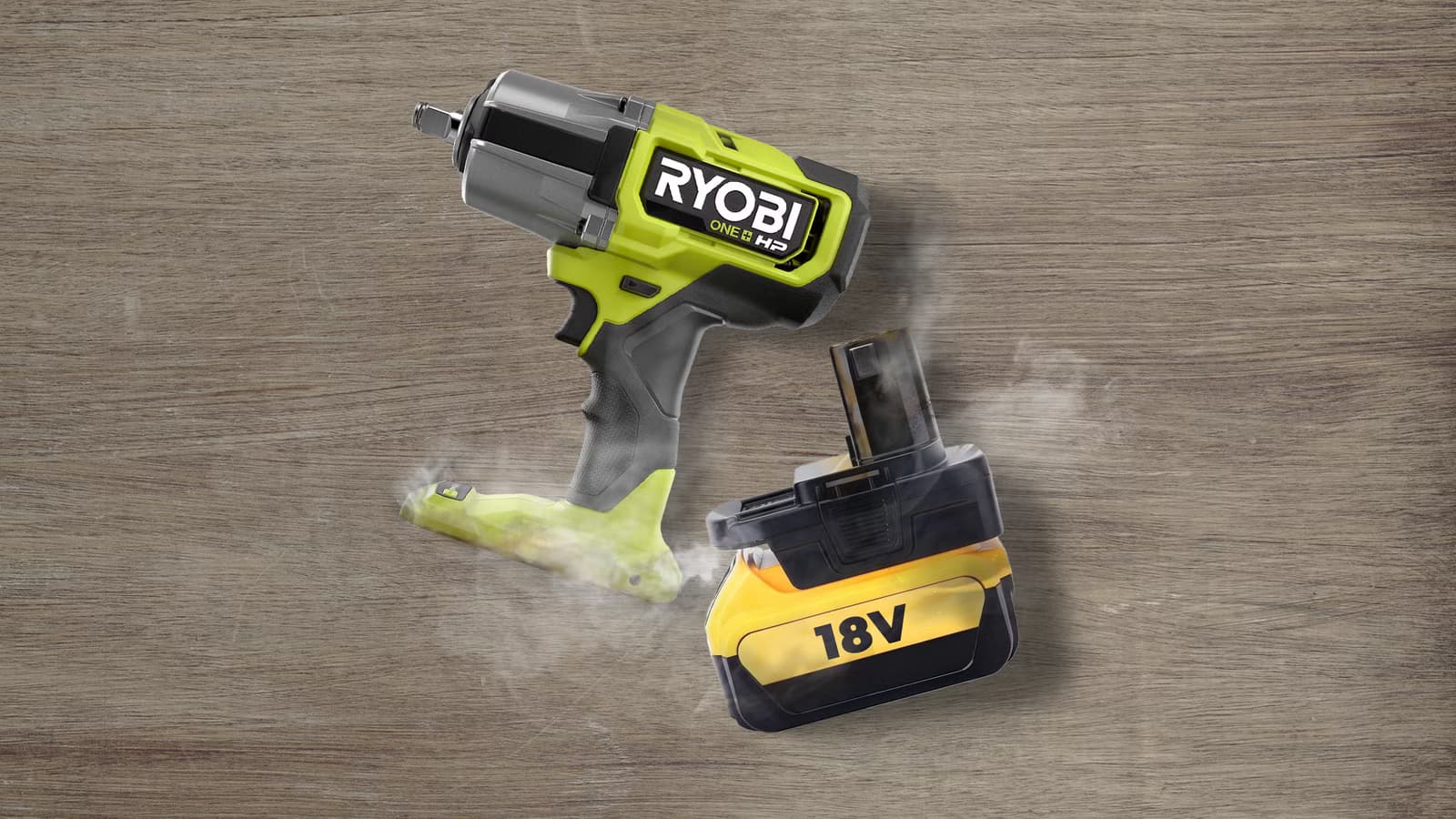
Most of these brands started as independent companies. Over decades, they were acquired and consolidated. Stanley Black & Decker owns DeWalt, Craftsman, Black+Decker, Porter-Cable, and more. Techtronic Industries owns Milwaukee and Ryobi. The brand diversity on store shelves is largely cosmetic.
What does shared ownership mean for quality? It depends on what happened after the acquisition. Some brands, like Milwaukee and Ryobi, kept their engineering teams and product direction. Others saw their quality drop as new owners cut costs. The brand name on the box tells you less than it used to.
Made in China Stopped Being a Quality Signal
The stigma around "Made in China" labels has persisted for decades. Some of it came from a real flood of counterfeit and low-quality goods. Some of it is political. Some is just outdated habit.
Today, country of manufacture tells you almost nothing about tool quality. Chinese factories produce everything from dollar-store junk to Apple iPhones. The same facility might make components for DeWalt in the morning and a budget brand in the afternoon. What matters is who designed the tool, who controls quality assurance, and who stands behind the warranty.
Many premium tools labeled "Made in USA" still contain Chinese components. Conversely, some Chinese-manufactured tools meet or exceed the quality of their American-assembled counterparts. The label on the box is marketing, not a quality certificate.
Brand Loyalty Often Costs More Than It Saves
Battery platform lock-in is real. Once you own three Milwaukee batteries, buying a Ryobi tool means buying into a second battery ecosystem. This creates genuine switching costs.
But brand loyalty often extends beyond practical concerns into tribal identity. People defend their chosen brand like a sports team. This emotional investment can blind buyers to better options.
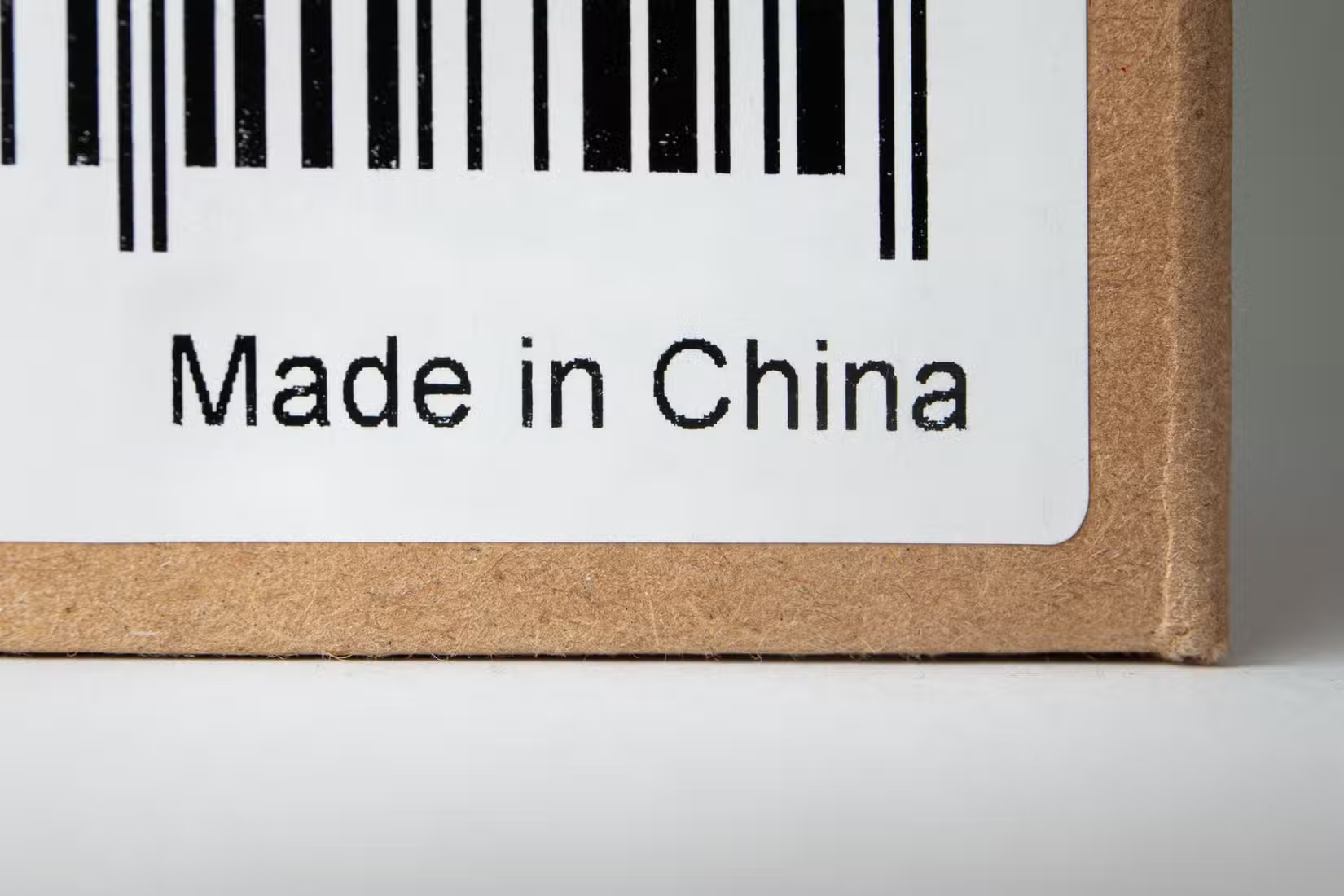
Here's the uncomfortable truth: for most DIY and light professional use, mid-tier tools from any major brand will do the job. The difference between a $150 Ryobi drill and a $300 Milwaukee drill matters if you're drilling into concrete eight hours a day. It rarely matters for weekend projects.
Pro-Grade Always Beats Consumer-Grade
Professional-grade tools are built for daily abuse on job sites. They use better bearings, sturdier housings, and longer-lasting batteries. They also cost two to three times more than consumer alternatives.
For someone who uses a drill twice a month, that extra durability is wasted. The consumer-grade tool will last years before seeing enough use to matter. Meanwhile, the pro-grade premium sits unused in your garage.
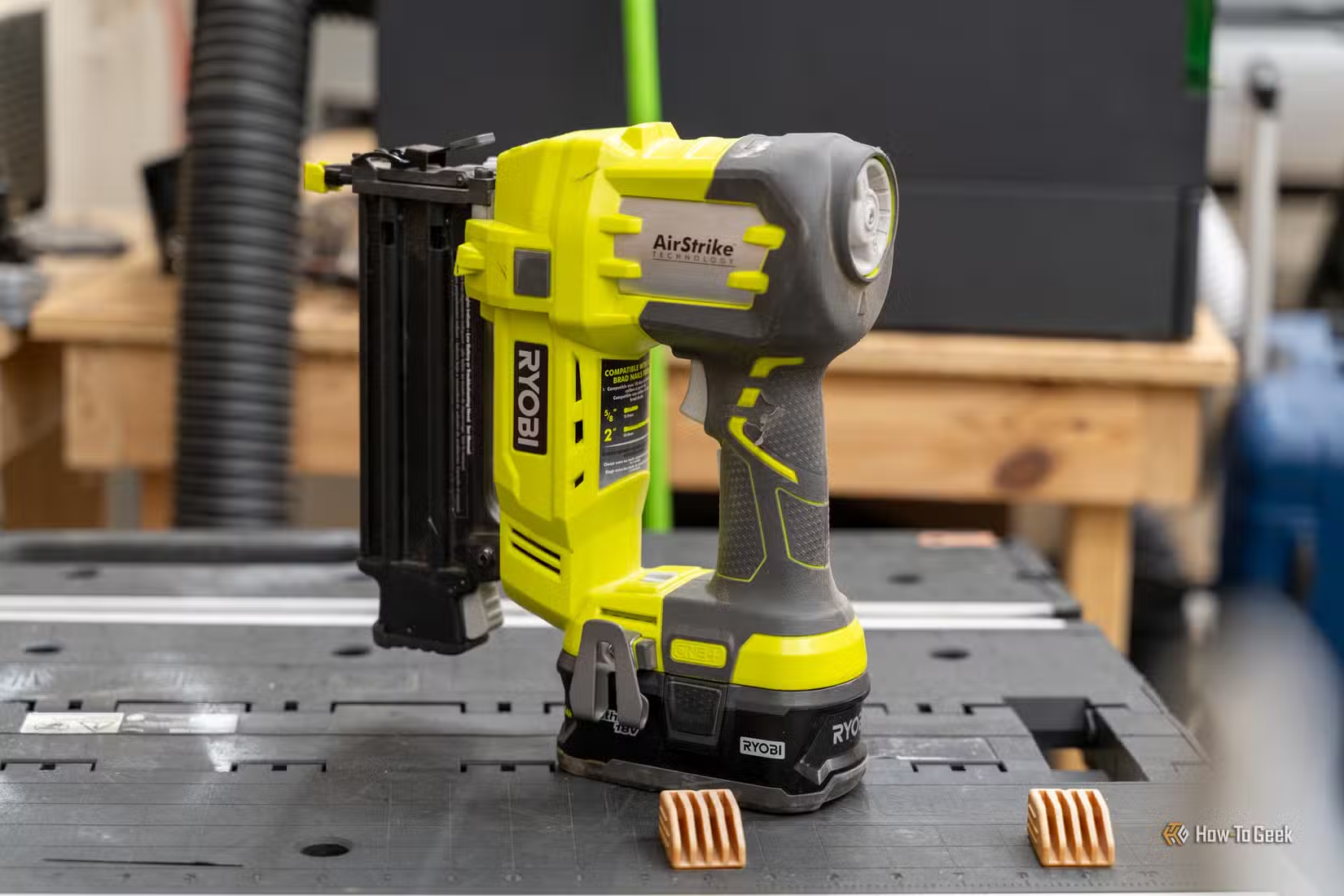
Match the tool to the job. A professional contractor needs Milwaukee Fuel. A homeowner hanging shelves does not. Spending more doesn't always mean getting more value. It often means paying for durability you'll never test.
What Actually Matters When Buying Tools
Skip the brand tribalism and focus on specifics. Read reviews for the exact model you're considering, not the brand generally. Check warranty terms. Look at what battery platform your existing tools use.
- Actual user reviews for the specific model, not brand reputation
- Warranty length and local service availability
- Battery compatibility with tools you already own
- Realistic assessment of how often you'll use the tool
The best tool is the one that does your job without overpaying for features you won't use or durability you won't test.
Logicity's Take
Frequently Asked Questions
Who owns DeWalt, Milwaukee, and Ryobi?
Stanley Black & Decker owns DeWalt. Techtronic Industries owns both Milwaukee and Ryobi, making them corporate siblings despite different market positioning.
Are Made in China power tools lower quality?
Not necessarily. Country of manufacture doesn't indicate quality. The same Chinese factories produce both budget tools and premium brands. Design, quality control, and warranty matter more than the origin label.
Should I buy professional-grade tools for home use?
Usually no. Pro-grade tools are built for daily job-site abuse. Homeowners using tools occasionally will rarely stress consumer-grade tools enough to notice the difference.
Does battery platform lock-in matter?
Yes, but less than brands suggest. If you own multiple batteries in one platform, the switching cost is real. But for first-time buyers or those with just one tool, platform choice is less critical than specific tool quality.
Another practical guide on getting better results by questioning conventional choices
Need Help Implementing This?
Source: How-To Geek
Huma Shazia
Senior AI & Tech Writer
Produced with AI assistance and reviewed by the Logicity editorial team. Learn more in our Editorial Policy.