Key Takeaways
- The $8.47 Resqme keychain tool cuts seatbelts and breaks windows, and belongs on your keychain rather than in the glove box
- A repurposed old phone with a free app can replace a $150 dedicated dash cam
- 30% of U.S. drivers now use dash cams, largely driven by insurance fraud concerns
Most car gear focuses on comfort. A phone mount. A portable vacuum. Maybe a jump starter if you're feeling responsible. But Jonathon Jachura, a mechanical engineer with 12 years of HVAC experience, has built a different kind of kit for his Toyota 4Runner. It's full of gear he hopes stays useless.
Writing for MakeUseOf, Jachura breaks down four emergency gadgets he carries year-round. Three sit dormant for months at a time. One earns its keep almost weekly. Here's what made the cut and why each item stays in the vehicle.
The $8 Keychain Tool You Should Already Own
The Resqme Original Emergency Keychain Car Escape Tool costs $8.47. It does two things: a recessed stainless-steel blade slices through jammed seatbelts in one pull, and a spring-loaded spike on the opposite end punches through tempered glass windows.
The whole thing is about the size of a thick USB drive. Jachura keeps it on his keychain, not in the glove box. His reasoning is practical. Picture yourself upside down in a vehicle with water rising. The seatbelt won't release. A tool in the center console isn't reaching you in that situation.
Clipped to your keychain, the tool is already in your hand before you reach the door. The window breaker resets after each use. The blade sits recessed deep enough that it won't snag anything in your pocket.
For eight dollars, it's hard to argue against keeping one within arm's reach.
A Dash Cam You Already Own
Jachura didn't want to spend $150 on a dedicated dash cam. So he repurposed an old iPod Touch with a free app and a cheap windshield mount. That setup has been running for over a year.
The footage automatically captures GPS coordinates, speed, and timestamps. Pull up any clip and the metadata is already baked in. No monthly fees. No new hardware purchase. Just a device that was sitting in a drawer.
“A good dash cam gives you video evidence when you need it and a parking security camera when you don't.”
— Vortex Radar, Tech Reviewer
Dash cam adoption has surged in recent years. About 30% of U.S. drivers now use one, largely driven by insurance fraud concerns. The "swoop and squat" scam, where a driver deliberately causes a rear-end collision to file a claim, has pushed many commuters toward passive recording.
The Tire Inflator That Earns Its Keep
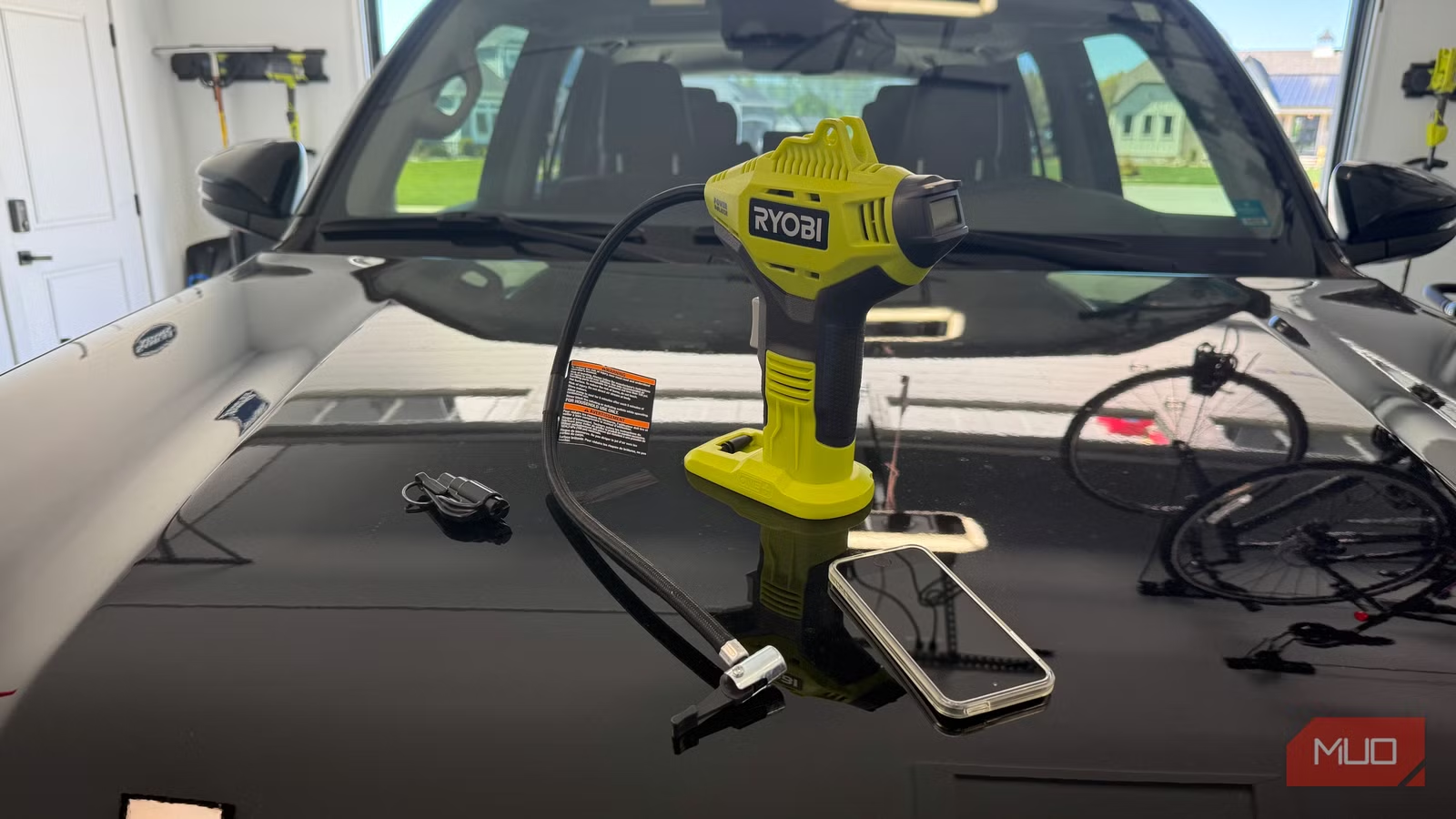
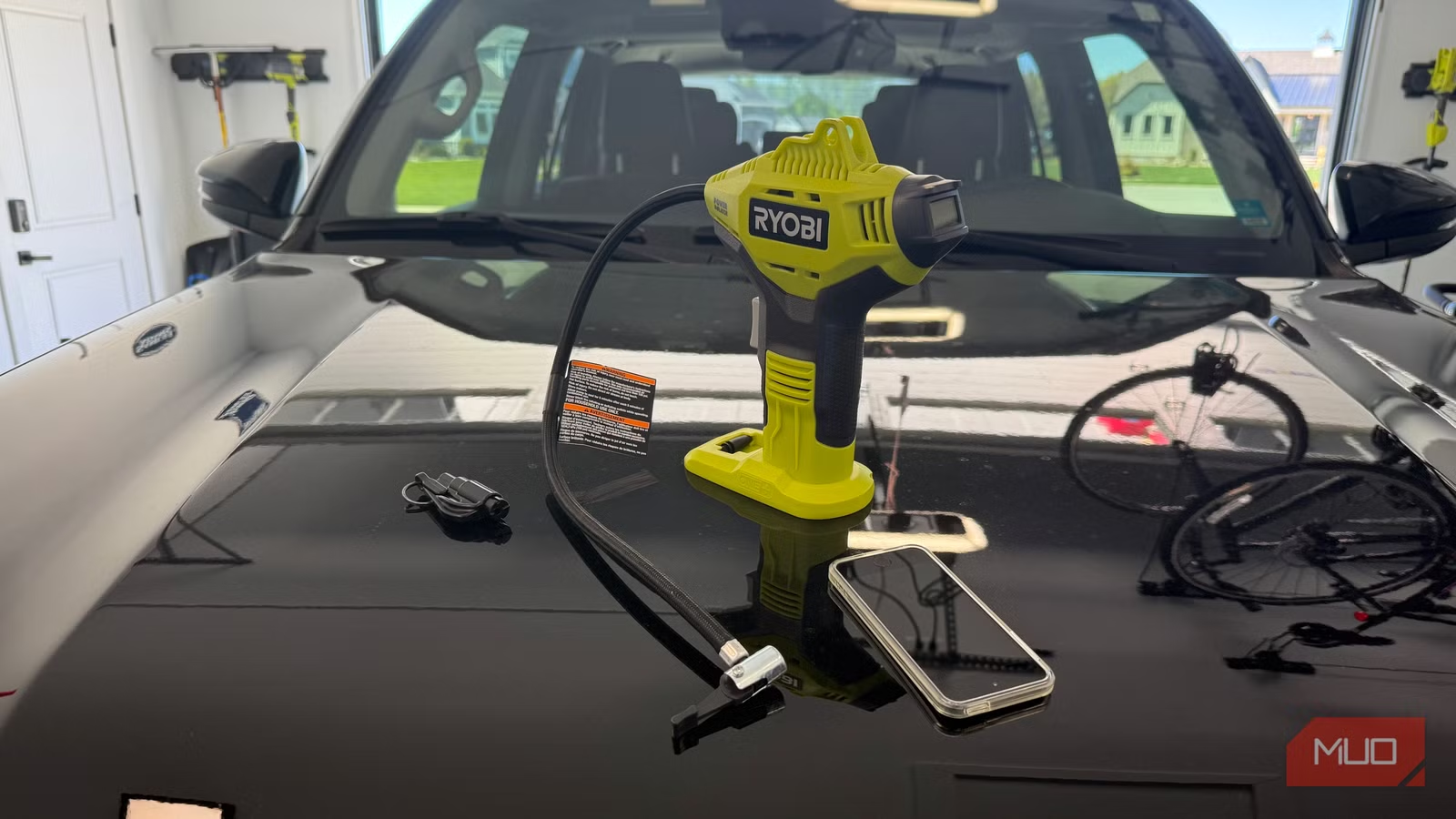
Unlike the other three items, the Ryobi cordless tire inflator doesn't sit unused. Jachura mentions using it almost weekly. It runs on the same 18V ONE+ battery system as other Ryobi tools, which means no separate charging setup if you already own their power tools.
A slow leak in a tire doesn't always warrant a trip to the gas station air pump. Having an inflator in the vehicle means topping off pressure in the driveway before a long drive, or handling a surprise flat in a parking lot without calling for help.
The Philosophy Behind the Kit
What separates Jachura's approach from typical car emergency kits is the acknowledgment that most of this gear should stay boring. Three of his four items represent worst-case scenarios. A submerged vehicle. An insurance scam caught on camera. A flat tire miles from anywhere.
The combined cost of all four items sits well under $150. The Resqme alone costs less than a fast food meal. The "dash cam" was free if you count the old phone as sunk cost.
“A dashboard camera can be your second set of eyes on the road, whether you want to ensure your safety or protect yourself from liability.”
— John R. Delaney, Contributing Editor at PCMag
What's Missing from the Kit
Jachura's article doesn't mention satellite emergency communicators, which have become increasingly common in outdoor and road trip communities. Garmin's inReach devices have coordinated over 20,000 rescues since 2011. Apple's iPhone 14 and later models include Emergency SOS via satellite as a built-in feature.
For drivers who regularly travel through areas with spotty cell coverage, a satellite communicator might be worth adding to the kit. But for urban and suburban commuters, Jachura's four-item approach covers the most likely emergencies at the lowest cost.
Logicity's Take
Frequently Asked Questions
Can I use any old phone as a dash cam?
Yes, any smartphone with a working camera can run free dash cam apps. Mount it securely to the windshield and keep it plugged in for power. GPS-enabled phones will automatically embed location and speed data into footage.
Where should I keep a seatbelt cutter in my car?
On your keychain or clipped to your person, not in the glove box or center console. In an emergency where you're trapped or inverted, you need the tool within immediate reach without unbuckling.
How often should I check my car emergency kit?
Check battery-powered devices like tire inflators monthly to ensure they hold a charge. Replace any expired items like first aid supplies annually. Test the seatbelt cutter's blade yearly by cutting through an old belt.
Do dash cams help with insurance claims?
Yes. Dash cam footage can prove fault in accidents, document hit-and-runs, and expose insurance fraud schemes. About 30% of U.S. drivers now use dash cams, partly due to rising fraud attempts.
Need Help Implementing This?
Source: MakeUseOf
Manaal Khan
Tech & Innovation Writer
Produced with AI assistance and reviewed by the Logicity editorial team. Learn more in our Editorial Policy.