Key Takeaways
- Wi-Fi meat thermometers let you monitor cooking temps from your phone instead of standing by the grill
- Smart scales sync nutritional data directly to fitness apps for easier calorie tracking
- Under-cabinet LED strips and smart plugs cost under $30 and integrate with voice assistants
Smart upgrades without the renovation budget
Buying a smart refrigerator or connected oven can cost $2,000 to $4,000. Most of that money pays for features you'll use twice a year. The smarter approach is retrofitting your existing kitchen with small gadgets that solve specific problems.
Four categories of devices stand out for their price-to-usefulness ratio: wireless thermometers, connected scales, automated lighting, and smart plugs. Each costs under $50. None requires installation beyond plugging something in or sticking an adhesive strip to your cabinet.
Wi-Fi meat thermometers: monitor your grill from the couch
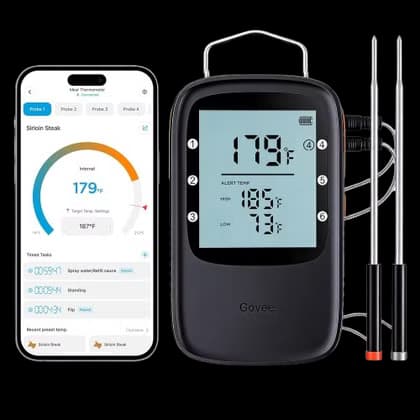
If you've ever stood outside in freezing weather waiting for a brisket to hit 195°F, a wireless thermometer solves that problem immediately. These devices have probes that stay in your meat while transmitting temperature data to your phone over Bluetooth or Wi-Fi.
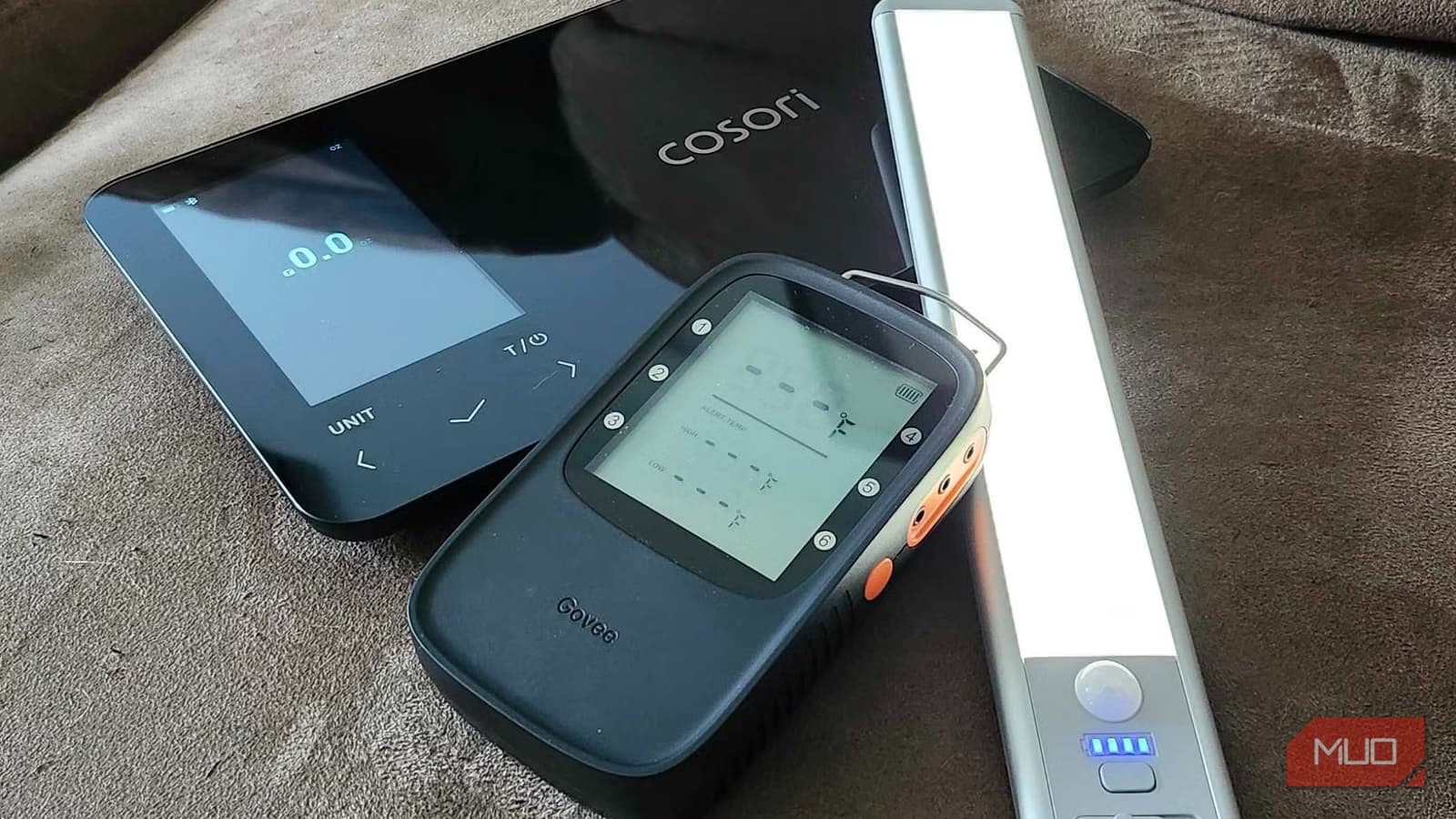
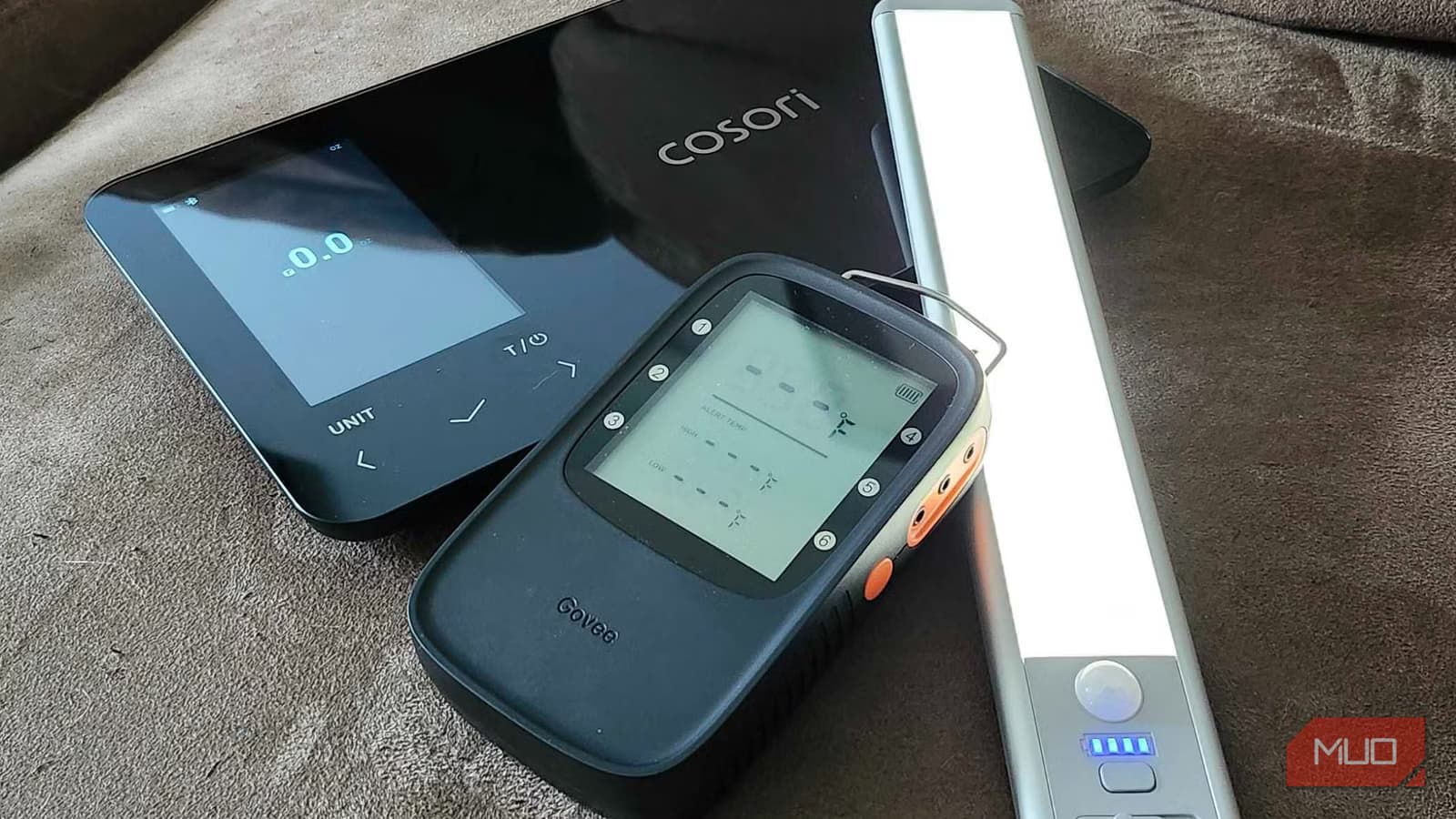
You can set alerts for target temperatures, track cooking progress in real time, and know exactly when to flip or spray without opening the lid. The Govee Bluetooth Meat Thermometer is one popular option that integrates with Govee's app ecosystem, so it works alongside other Govee smart home devices you might already own.
The practical benefit is time. Low-and-slow cooking can take 8 to 12 hours. Without remote monitoring, you're checking manually every 30 minutes. With it, you check when your phone tells you to.
Smart kitchen scales: precision meets calorie tracking
A basic kitchen scale costs $15. A smart scale costs $25 to $40 and adds wireless connectivity to nutrition apps. If you're tracking macros, counting calories, or following recipes that require gram-level precision, the upgrade pays for itself in convenience.
These scales connect to apps like MyFitnessPal or manufacturer-specific nutrition databases. Weigh an apple, and the scale logs the weight while the app calculates calories, carbs, and fiber. No manual entry, no guessing portion sizes.
For baking, the precision matters even more. Bread recipes often specify flour by weight because volume measurements vary. A connected scale ensures consistency between batches.
Under-cabinet LED strips: better lighting, voice control
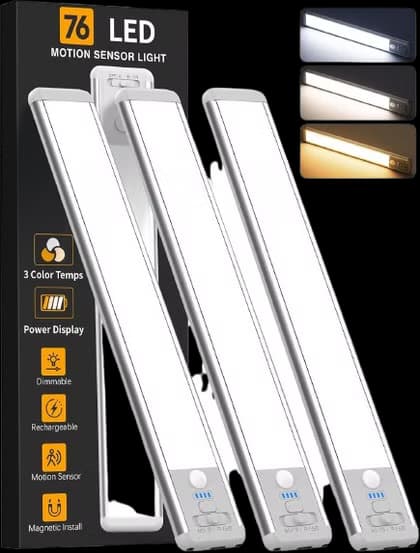
Kitchen counters sit in shadow. The overhead light illuminates the room but leaves the workspace dim. Under-cabinet LED strips fix this for around $20 to $30.
Smart versions connect to Wi-Fi and work with Alexa, Google Assistant, or Apple HomeKit. You can turn them on with a voice command while your hands are covered in dough. Some models offer adjustable color temperature, so you can switch between cool white for cooking and warm white for evening ambiance.
Installation is adhesive-backed. Peel, stick, plug in. No electrician, no drilling, no permanent modifications.
Smart plugs: add connectivity to any appliance
A smart plug turns any outlet into a connected outlet. Plug in your coffee maker, set a schedule, and it starts brewing at 6:45 AM. Plug in a slow cooker and turn it off remotely if you're running late.
The Kasa line from TP-Link is widely recommended for reliability and app quality. A single plug costs about $10 to $15. A four-pack runs $30 to $40.
Smart plugs also track energy usage. If you're curious how much power that mini-fridge in the garage actually draws, the app will tell you.
What to consider before buying
- Check app compatibility. Govee devices use the Govee app, Kasa uses the Kasa app. If you want everything in one place, pick a brand ecosystem or ensure HomeKit/Alexa/Google compatibility.
- Wi-Fi vs Bluetooth range. Bluetooth thermometers work within 30 to 50 feet. Wi-Fi models work anywhere you have internet. If your grill is far from the house, Wi-Fi is worth the extra cost.
- Power source. LED strips and smart plugs need outlets. Thermometers and scales run on batteries or USB charging. Plan for where cords will run.
Logicity's Take
Frequently Asked Questions
Do smart kitchen gadgets work without Wi-Fi?
Most smart scales and thermometers have a Bluetooth option that works without Wi-Fi, though range is limited to about 30-50 feet. Smart plugs and some LED strips require Wi-Fi for remote access and scheduling.
Are cheap smart plugs safe to use with kitchen appliances?
Reputable brands like Kasa, Wemo, and Amazon are UL-certified and safe for standard kitchen appliances. Check the wattage rating on the plug and ensure it exceeds your appliance's draw. Most plugs handle 10-15 amps.
Can I use smart kitchen gadgets with Apple HomeKit?
Some devices support HomeKit directly, while others work through third-party bridges or apps like Home Assistant. Check the packaging for HomeKit certification if Apple ecosystem integration is a priority.
How accurate are smart meat thermometers?
Quality models from Govee, ThermoWorks, and Meater are accurate within 1-2°F, which is sufficient for food safety and doneness. Cheaper no-name units may drift by 5°F or more.
Need Help Implementing This?
Source: MakeUseOf
Manaal Khan
Tech & Innovation Writer
Produced with AI assistance and reviewed by the Logicity editorial team. Learn more in our Editorial Policy.