Key Takeaways
- Over-tightening plumbing connections causes cracks and leaks that appear days or weeks later
- Caulking an empty bathtub leads to fast failure because a full tub weighs 670-835 pounds more
- Always shut off water and electricity before starting any DIY project to avoid costly or deadly accidents
Every house needs work. Whether it's a dripping faucet or peeling caulk, something always requires attention. You can hire professionals for everything, but DIY saves money and puts you in control of your home's fate.
The problem? Beginners make predictable mistakes. Some errors show up immediately. Others let you finish the job feeling accomplished, only to watch your success slowly crumble over the following weeks. Here are the most common DIY mistakes and how to sidestep them.
Over-Tightening Destroys Connections
If tight is good, extra tight must be better. Right? Wrong. This assumption wrecks more plumbing jobs than almost any other mistake.
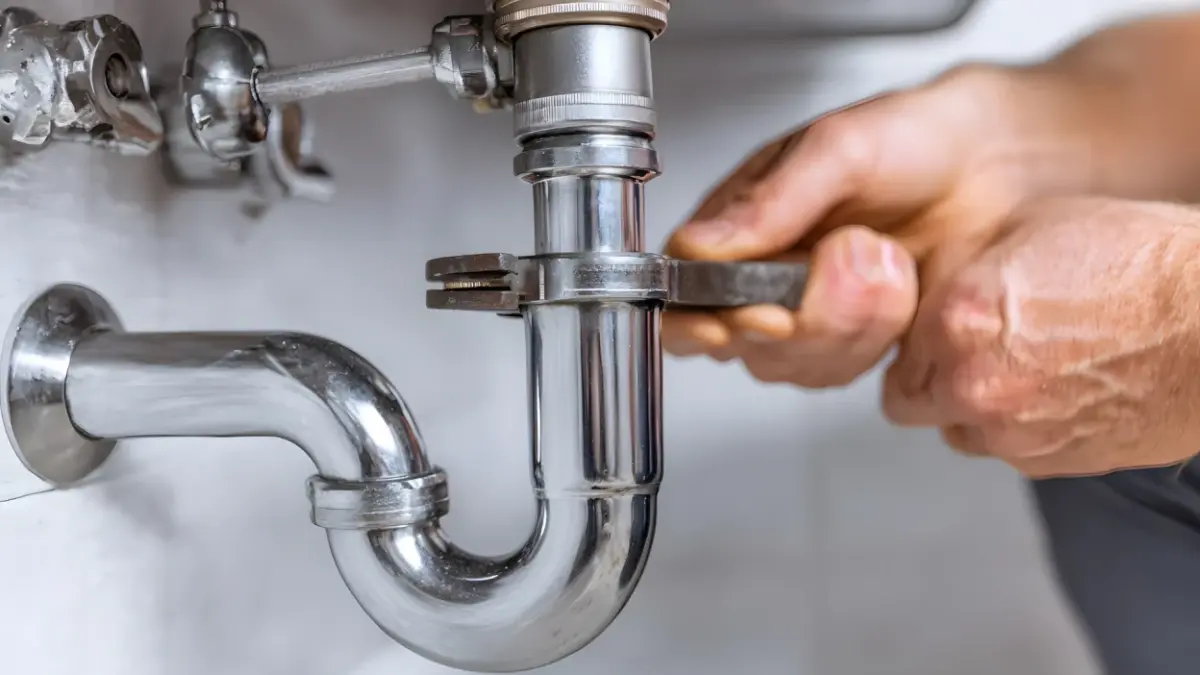
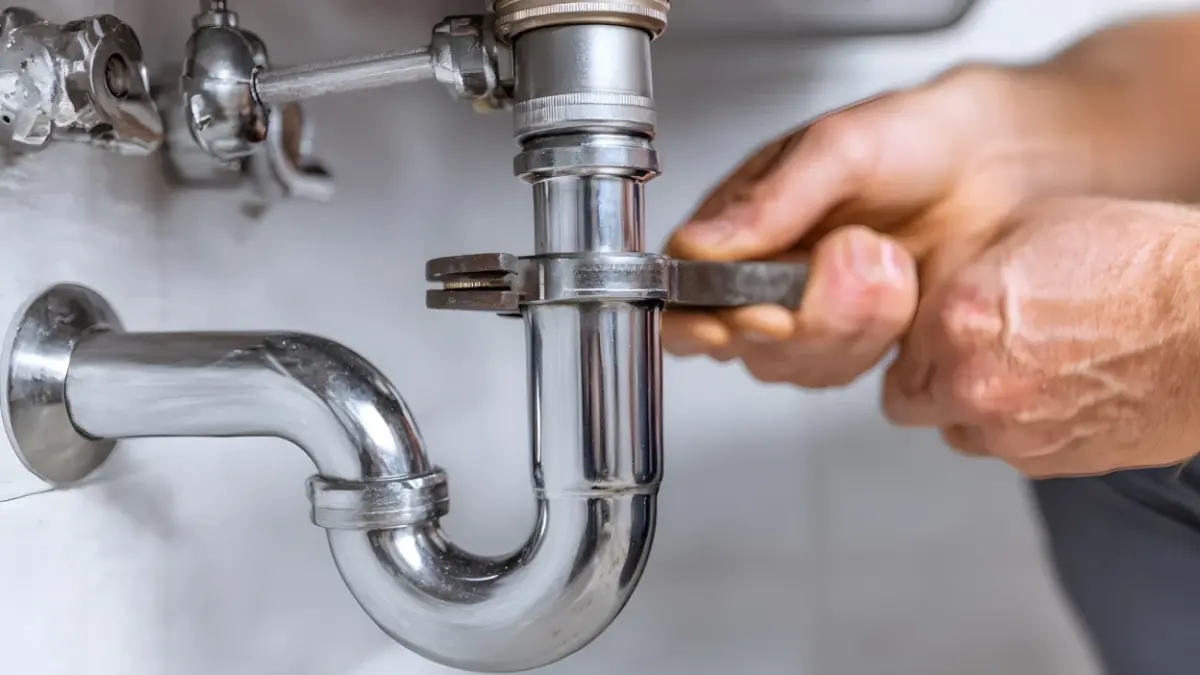
Water leaks terrify homeowners. They can destroy walls, floors, and entire sections of a house. So when you replace the trap under your sink or install a new faucet, the instinct is to crank those connections as hard as possible.
But over-tightening creates small cracks. These cracks cause leaks that may not appear for days or weeks. By then, you've already moved on, convinced the job went perfectly.
There's another problem: fittings you've gorilla-gripped become nearly impossible to remove later. Be kind to Future You. Tighten plumbing until it's watertight, then stop. Tighten screws and bolts only as much as needed to do the job. Nothing more.
Caulking an Empty Tub Guarantees Failure
Re-caulking your bathroom every few years is smart maintenance. Caulk degrades over time, and even a tiny gap lets moisture invade walls and floors. The good news: almost anyone can caulk to an acceptable standard.
The bad news: if you caulk your tub while it's empty, you're setting yourself up for failure.
Water has mass. A gallon weighs about 8.34 pounds. Standard bathtubs hold 80 to 100 gallons or more. When full, a tub sinks slightly under this weight. Caulk applied to an empty tub will stretch and strain the moment someone takes a bath. Your caulking job will fail fast.
The fix is simple: fill the tub before you caulk. Let the tub settle under its maximum weight, apply the caulk, let it cure, then drain the water.
Forgetting to Shut Off Utilities
This one sounds obvious. It still catches beginners constantly.
Before touching any plumbing, find and turn off the water supply to that area. Before any electrical work, locate the breaker and cut power. Test to confirm it's actually off.
Skipping this step doesn't just risk property damage. Electrical work with live power can kill you. Water spraying from an unexpected source can cause thousands in damage before you locate the main shutoff.
The few minutes spent locating shutoffs and confirming they're off could save your house. Or your life.
The Pattern Behind These Mistakes
Notice what these errors have in common. They're not about lacking skill. They're about skipping preparation or overcompensating out of fear.
- Over-tightening comes from fear of leaks
- Dry caulking comes from not understanding how materials behave under load
- Live utilities come from impatience or overconfidence
The best DIYers aren't necessarily the most skilled. They're the ones who pause, think through what could go wrong, and take the extra step to prevent it.
Logicity's Take
Frequently Asked Questions
How tight should plumbing connections be?
Tight enough to be watertight, then stop. Over-tightening causes cracks that lead to leaks days or weeks later. If you're straining, you've gone too far.
Why does caulking fail around bathtubs?
Often because the tub was empty when caulked. A full tub weighs 670-835 pounds more than an empty one. This weight causes the tub to settle, stretching caulk applied when empty.
How do I know which breaker controls an outlet?
Turn on a light or plug in a lamp at the outlet. Have someone flip breakers one at a time until the light goes off. Label the breaker for future reference.
What DIY projects should beginners avoid?
Avoid major electrical panel work, gas line modifications, and structural changes. Start with painting, basic plumbing fixes, and simple carpentry. Build skills gradually.
Another look at well-intentioned changes that backfire
Need Help Implementing This?
Source: Lifehacker
Manaal Khan
Tech & Innovation Writer
Produced with AI assistance and reviewed by the Logicity editorial team. Learn more in our Editorial Policy.