Key Takeaways
- Customer acquisition costs have risen 40-60% over five years, making strategy optimization critical
- The ideal LTV to CAC ratio is 3:1 — anything lower signals unsustainable growth
- Automation tools can scale campaigns from 50 leads to 500 without adding headcount
A neighborhood teenager named Dave recently taught Zapier's team a lesson in customer acquisition. He posted flyers at the start of weed season, offered negotiable rates, and included a photo of himself holding gardening tools. Within weeks, he had more clients than he could handle. The lesson: customer acquisition isn't about building something and hoping people show up. It's about identifying a market, timing your entry, and tailoring your offer to both.
Disclosure
Some links in this post are affiliate links — Logicity earns a commission if you sign up, at no extra cost to you. We only link products we have used or actively recommend.
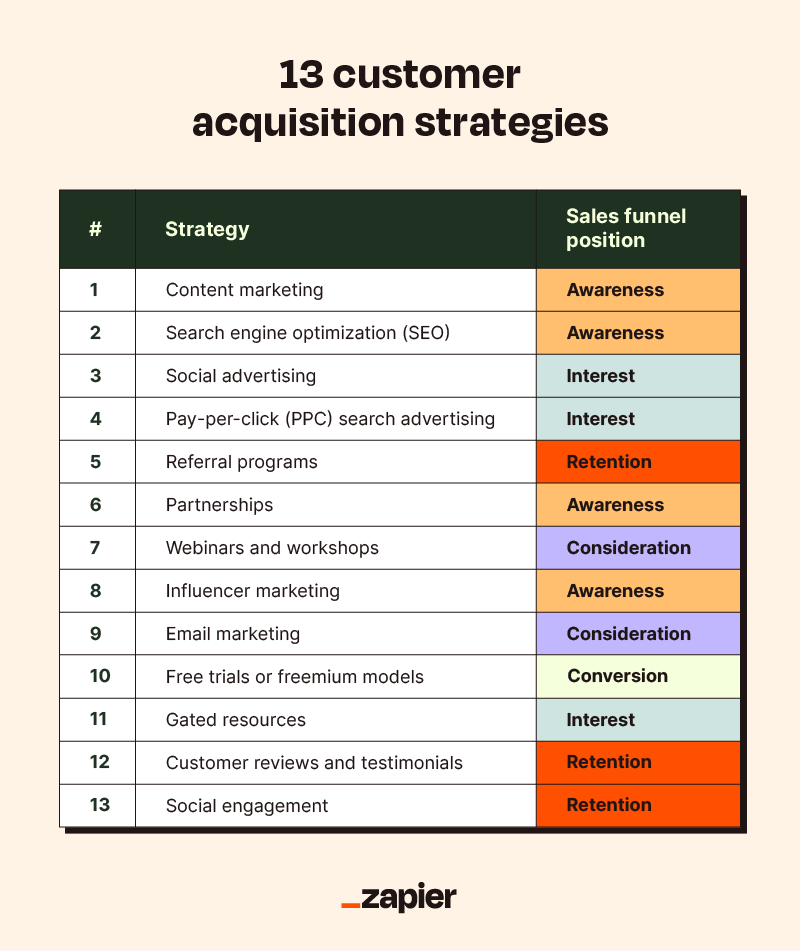
Zapier's new guide lays out 13 customer acquisition strategies, from content marketing to referral programs. But the real value for Operations and RevOps teams isn't the list itself. It's the framework: build an acquisition funnel, measure each stage, automate what works, and cut what doesn't.
What is a customer acquisition funnel?
Customer acquisition follows five phases: awareness, interest, consideration, conversion, and retention. Dave's flyers created awareness. Homeowners texting him showed interest. When they asked about pricing, they entered consideration. The handshake and first payment marked conversion. And if Dave did good work, they'd hire him again.
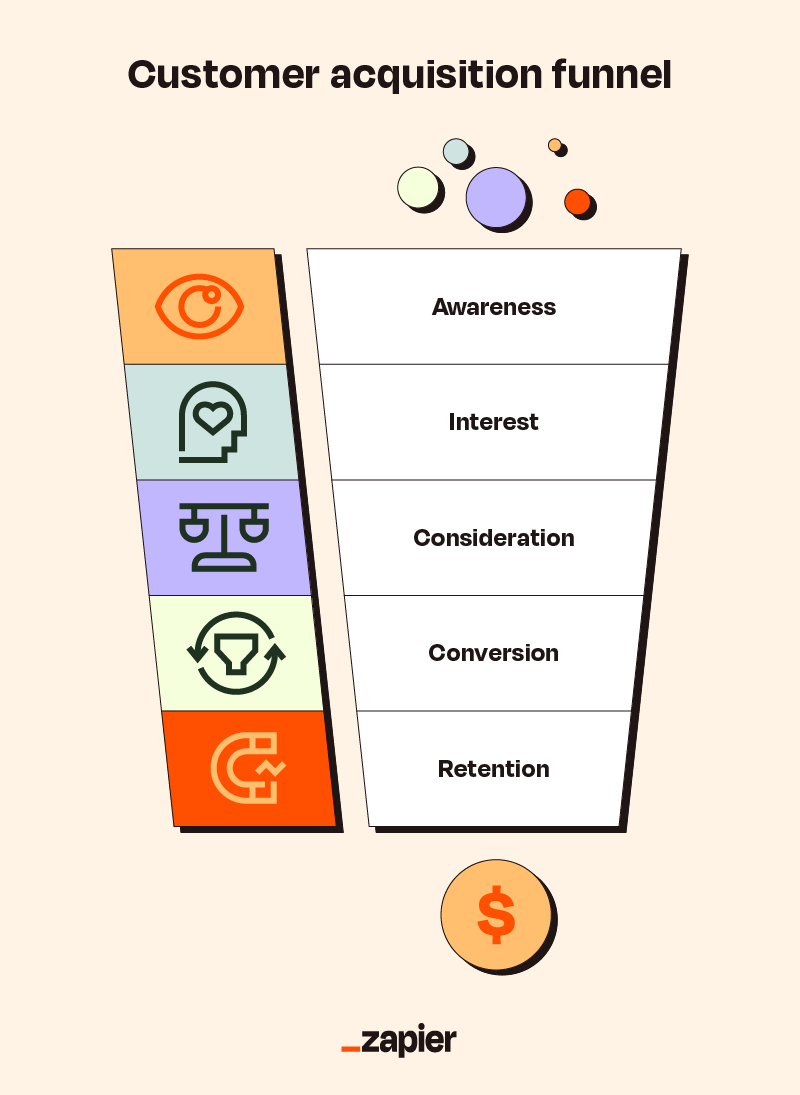
This funnel isn't just marketing jargon. It's the operational backbone for RevOps teams. Every stage can be measured, optimized, and automated. The question isn't whether you have a funnel. It's whether you know where leads drop off.
Why acquisition costs keep climbing
Digital advertising costs have risen 40-60% over the past five years. iOS privacy changes gutted targeting. Cookie deprecation is making things worse. The result: customer acquisition cost (CAC) averages $50 across industries, but B2B SaaS companies often pay $200-500 per customer.
That ratio matters. If you spend $300 to acquire a customer worth $600 over their lifetime, you're bleeding money. The 3:1 benchmark gives you room for product costs, overhead, and profit. Fall below it, and you're subsidizing every sale.
How to pick your acquisition channels
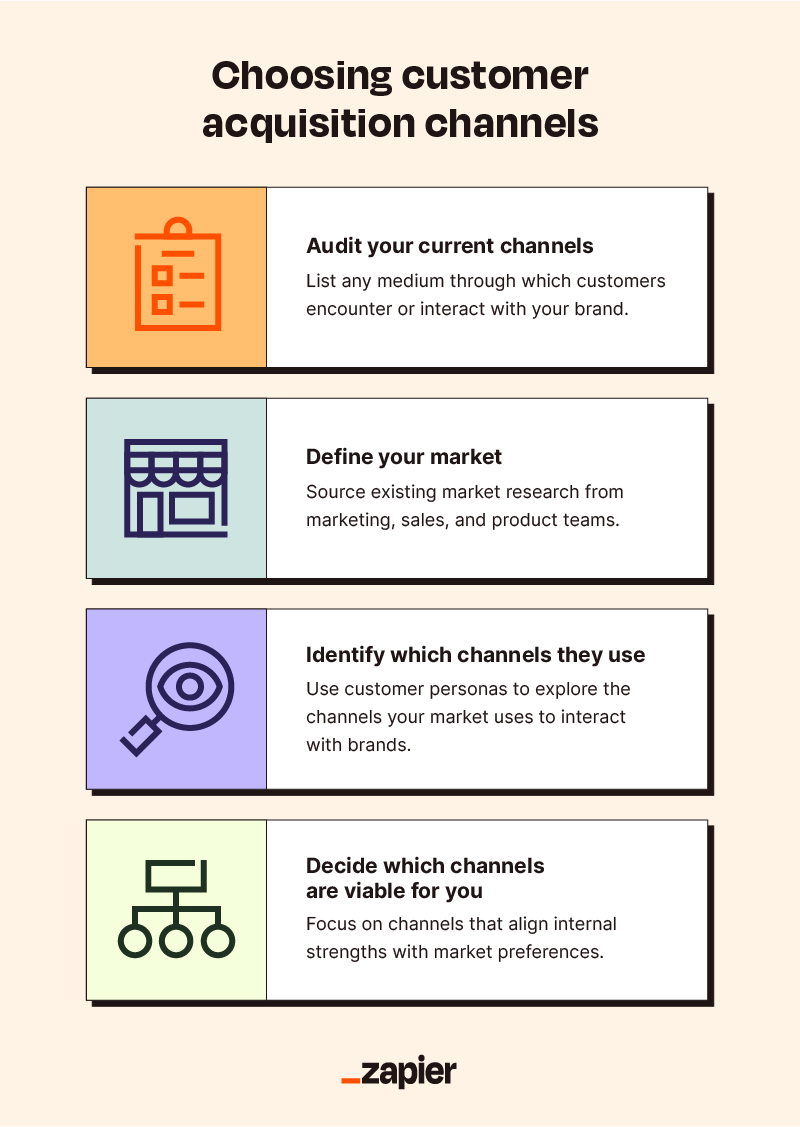
Not every channel works for every business. Zapier's guide emphasizes testing multiple channels early, then doubling down on winners. The key metrics: cost per lead, conversion rate by stage, and time to close.
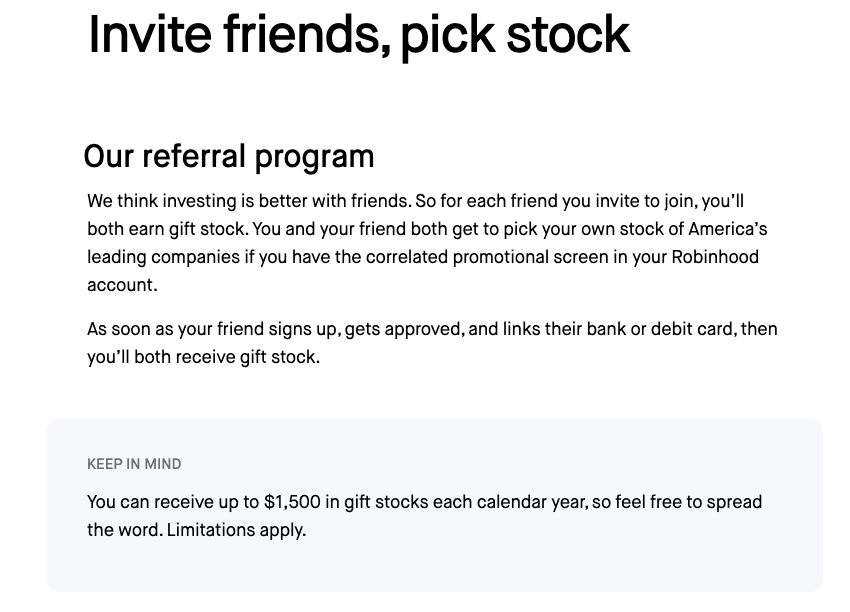
Content marketing and SEO tend to have lower CAC but longer payback periods. Paid ads deliver faster but cost more per lead. Referral programs sit in the middle, cheaper than ads if your product drives word-of-mouth. Rand Fishkin, co-founder of SparkToro, puts it bluntly: "The most sustainable customer acquisition advantage is word of mouth, because it compounds."
For RevOps teams managing multiple channels, tools like Semrush and Ahrefs help track organic performance, while CRMs like HubSpot or Salesforce attribute leads to specific campaigns. The goal is a single source of truth: which channels produce customers, not just clicks.
Where automation fits in
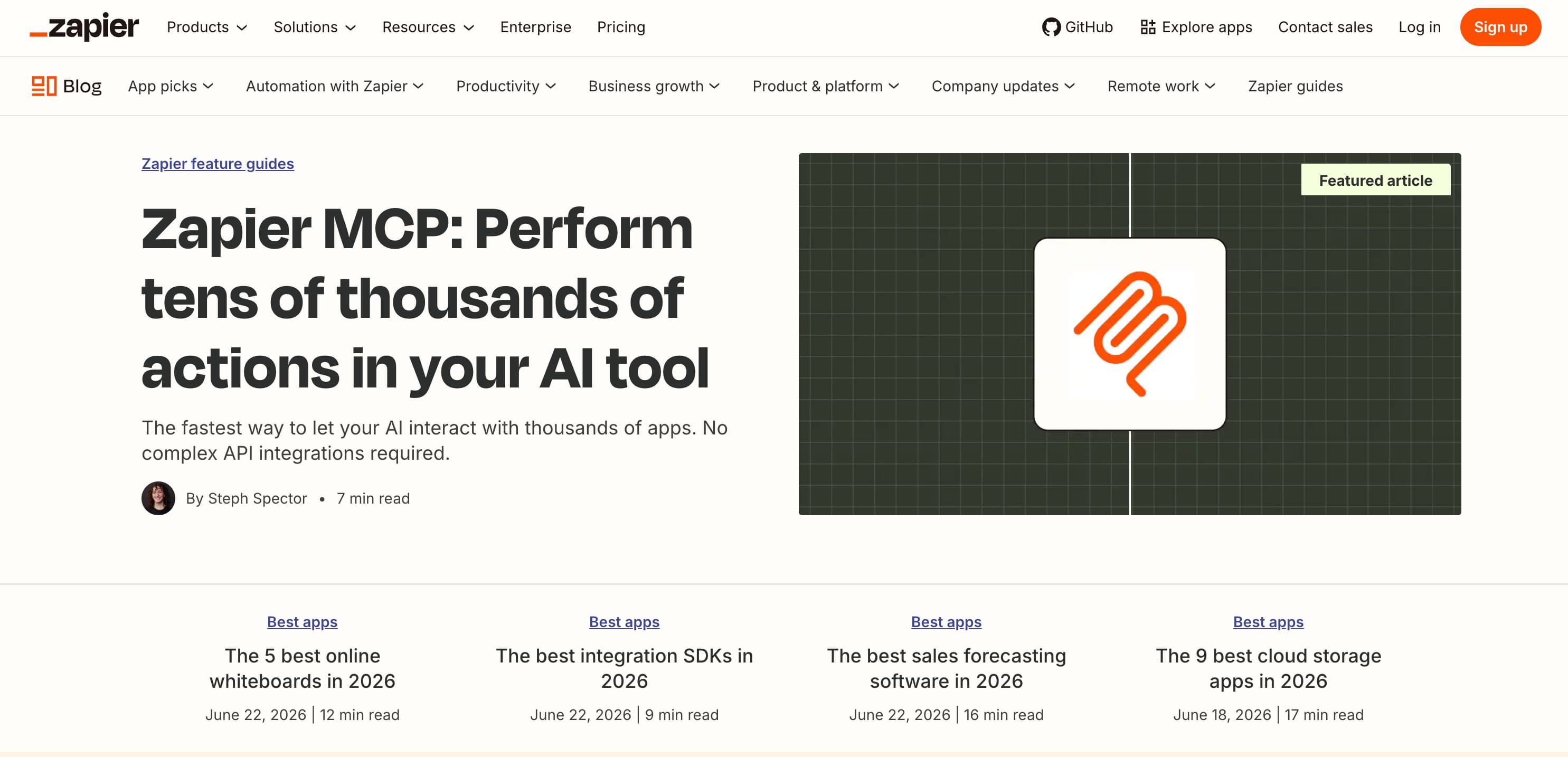
The Zapier guide makes a strong case for automation as a scaling mechanism. A campaign that generated 50 leads last month can handle 500 next month without anyone manually moving data between apps. The prerequisite: your tools need to talk to each other.
Zapier connects forms, CRMs, ad platforms, and email tools. Competitors like Make and n8n offer similar integrations with different pricing models. Make charges by operations, n8n offers self-hosted options for teams concerned about data residency.
The automation playbook looks roughly the same across tools. When a lead fills out a form, the automation creates a contact in your CRM, tags them by source, and triggers a nurture sequence in your email platform. When they hit a lead score threshold, the system notifies sales. No manual handoffs. No forgotten follow-ups.
Why first-party data beats targeted ads
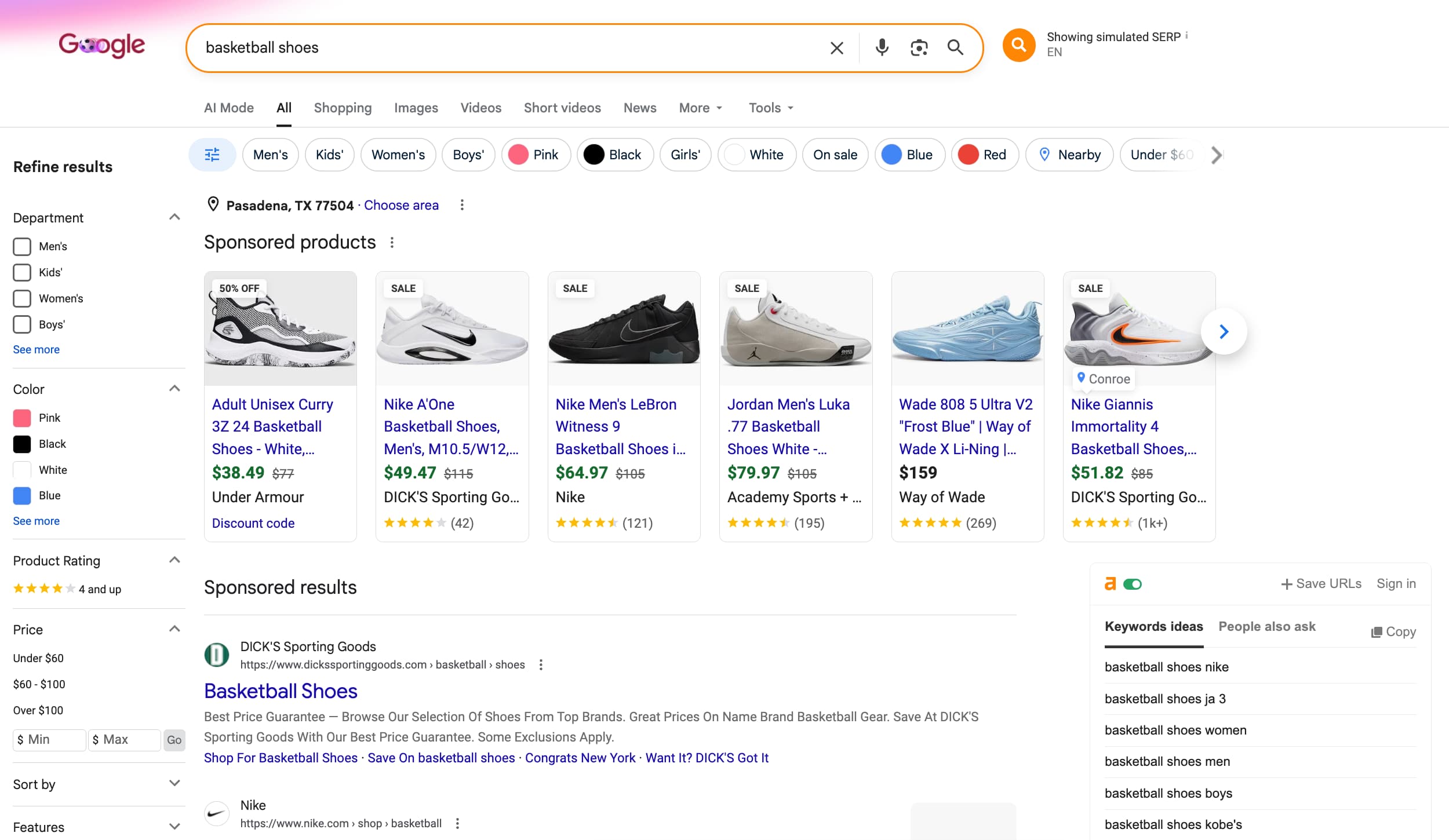
The guide argues that first-party data, information customers give you directly, now matters more than third-party targeting. Privacy changes have made the old playbook unreliable. You can't target as precisely, and costs keep rising.
First-party data comes from forms, surveys, on-site behavior, and purchase history. It's more accurate because customers provide it themselves. And it's more defensible because you own it. Email platforms like ActiveCampaign and Customer.io let you segment based on this data, sending different messages to different behaviors.
Calculating your real acquisition cost
The formula is simple: total acquisition spend divided by new customers acquired. But most teams get it wrong by excluding costs. Marketing salaries, software subscriptions, agency fees, and sales commissions all count. If you only measure ad spend, you're underestimating CAC by 2-3x.
Harvard Business Review research shows it costs 5-25x more to acquire a new customer than to retain an existing one. Yet 44% of companies focus more on acquisition than retention. For RevOps teams, that's a spreadsheet problem: track both metrics, compare unit economics, and shift budget accordingly.
Retention as a cheaper form of acquisition
The guide's final section connects acquisition to retention. Once you systematically acquire customers, you can focus on keeping them. Repeat customers cost nothing to acquire. They refer others. They buy more.
Brian Balfour, former VP of Growth at HubSpot, draws the line clearly: "Acquisition is about channels; retention is about product." If your product doesn't deliver value, no acquisition strategy will save you. But if it does, retention compounds your acquisition investment.
Logicity's Take
For RevOps teams, the real opportunity here isn't the 13 strategies. It's the measurement infrastructure. Most teams can't answer basic questions: which channel produces the highest-value customers, not just the most leads? Where do high-intent leads drop off? What's our true CAC including fully-loaded costs? Before automating anything, build the attribution model. HubSpot's free CRM tier handles basic attribution, Salesforce offers more granular multi-touch reporting, and Pipedrive sits in the middle at $14/user/month. Pick based on complexity, not brand.
Frequently Asked Questions
What is a good customer acquisition cost?
It depends on your customer lifetime value. The benchmark is a 3:1 LTV to CAC ratio. If a customer is worth $900 over their lifetime, your CAC should be under $300. B2B SaaS averages $200-500 per customer, while e-commerce often runs $30-50.
How do you reduce customer acquisition costs?
Focus on three levers: improve conversion rates at each funnel stage, shift budget to lower-cost channels like content and referrals, and automate manual handoffs that create delays. Many teams cut CAC 20-30% by fixing lead routing alone.
What's the difference between customer acquisition and marketing?
Marketing builds awareness and generates leads. Customer acquisition includes marketing but extends through the entire funnel to conversion and retention. It's a strategy for moving people through stages, not just getting attention.
Which customer acquisition channels work best for B2B?
Content marketing and SEO typically have the lowest CAC but longest payback. LinkedIn ads and cold email work faster but cost more. Referral programs perform well when your product has visible ROI. Most B2B teams run 3-4 channels simultaneously.
How do automation tools help with customer acquisition?
Automation connects your forms, CRM, and email tools so leads move through the funnel without manual intervention. A campaign that generated 50 leads can scale to 500 without adding headcount, as long as your tools integrate properly.
AI search is changing how prospects discover products, which affects top-of-funnel acquisition strategies.
Need Help Implementing This?
Logicity helps Operations and RevOps teams build attribution models and automate their acquisition funnels. Contact our team to discuss your stack.
Source: The Zapier Blog
Huma Shazia
Senior AI & Tech Writer
Produced with AI assistance and reviewed by the Logicity editorial team. Learn more in our Editorial Policy.